
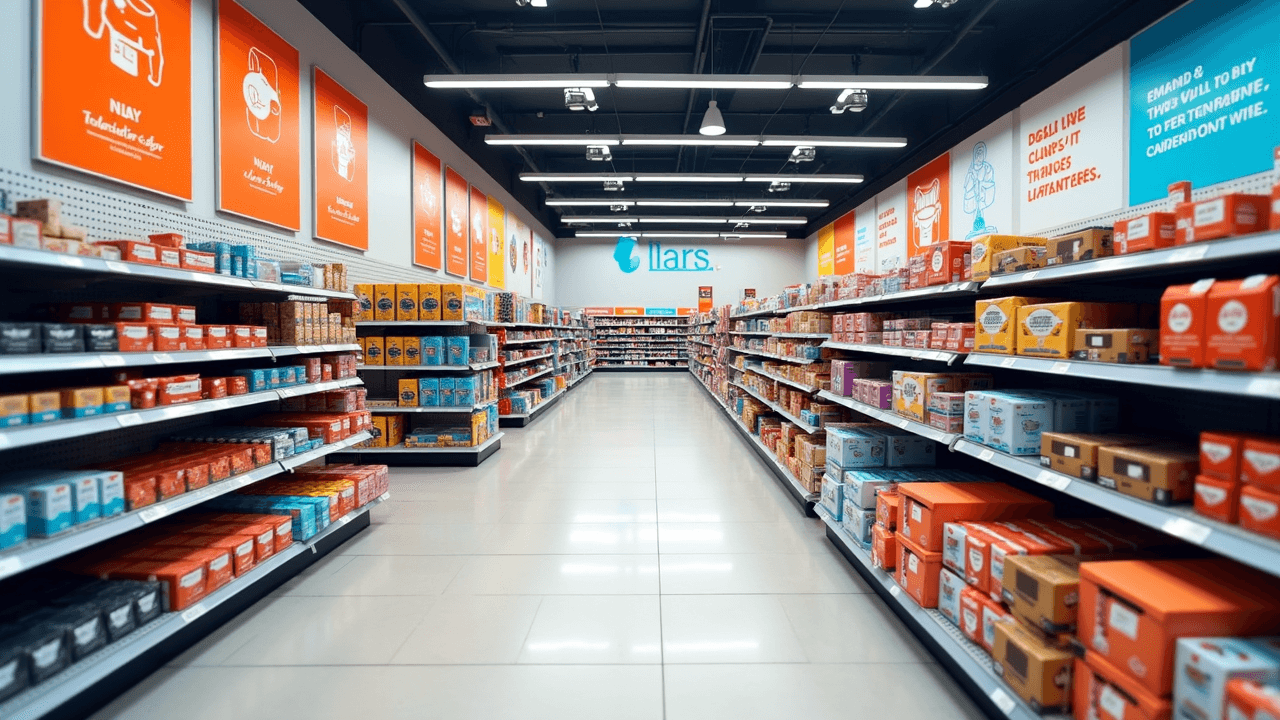
Explore emerging trends and opportunities in dollar stores and discover how they are shaping the retail landscape for the future.
In recent years, the landscape of retail has undergone a dramatic transformation, and dollar stores are at the forefront of this evolution. With their unique value proposition, these stores have captured the attention of a diverse range of consumers, from budget-conscious families to young professionals seeking convenience without breaking the bank. As they expand their reach and adapt to the changing marketplace, it’s essential to explore the emerging trends and opportunities that lie ahead for dollar stores.
With a focus on affordability combined with an evolving shopping experience, dollar stores are uniquely positioned to thrive in a dynamic economy. The surge in demand for value shopping, bolstered by shifts in consumer behavior and technological innovations, presents both challenges and avenues for growth. As we delve into the factors shaping this sector, we’ll take a closer look at the current state of the dollar store industry, explore consumer behavior trends, and uncover sustainability practices that are increasingly becoming integral to their operations.
By examining how dollar stores can navigate a competitive landscape and align with the future expectations of shoppers, stakeholders can better understand the opportunities for success that await in the coming years. Buckle up as we journey through the fascinating future of dollar stores! 🛍️
Market Overview
The dollar store industry has established itself as a staple in the retail landscape, appealing to budget-conscious consumers amid fluctuating economic conditions. As of 2025, the sector has demonstrated remarkable resilience, fueled by a growing appetite for affordable goods and convenience shopping. A significant driver behind this enduring success is the wide array of products offered, which now includes everything from household essentials to seasonal items, all at an affordable price point.
Many dollar store chains are evolving to meet consumer demand by expanding their product selections, incorporating more brand-name items, and even venturing into perishable goods. This diversification not only enhances customer satisfaction but also allows these retailers to compete effectively with traditional supermarkets and big-box stores. With their strategic locations, often found in underserved communities, dollar stores have become essential shopping destinations for millions.
Growth Rate and Financial Projections
In terms of financial growth, the dollar store sector is projected to keep its momentum going strong. Analyst forecasts indicate a compound annual growth rate (CAGR) of approximately 7% over the next five years. This growth can be attributed to several factors, including:
- Rising Inflation: As prices across various sectors rise, consumers are increasingly turning to dollar stores for lower prices on everyday essentials.
- Shift in Consumer Behavior: With heightened financial awareness, more shoppers are prioritizing value, leading them to seek out dollar stores over pricier alternatives.
- Store Expansion Initiatives: Many leading dollar store chains are actively expanding their footprint, opening new locations in both urban and rural areas, thus increasing accessibility for a broader customer base.
| Metric | Projected Growth Rate |
|---|---|
| Overall Dollar Store Market | 7% CAGR (2025-2030) |
| Sales Growth in Perishables | 10% |
| New Store Openings Annually | 1,000+ |
This growth trajectory reinforces the dollar store’s position as a formidable player in the retail industry, making it essential for investors and stakeholders to closely monitor developments within this segment. As the market continues to adapt to consumer needs, opportunities for innovation and expansion will likely pave the way for sustained success in the years ahead.
With more shoppers recognizing the value in dollar stores, the future looks promising for both established players and newcomers looking to capitalize on the trend. 😊
Consumer Behavior Trends
In today’s bustling market, consumers are increasingly seeking value in their purchases. This shift towards value shopping is not just a fleeting trend; it reflects a fundamental change in how individuals approach their spending. With inflation pressures and economic uncertainties, consumers are becoming more discerning, ensuring that every dollar is well spent.
Key Highlights of Value Shopping Trends:
- Quality Over Quantity: Shoppers are prioritizing high-quality items that offer durability and longevity, opting to invest in fewer, but better, products.
- Comparison Shopping: The digital age has empowered consumers to compare prices and reviews effortlessly. Price transparency on platforms has made it crucial for brands to remain competitive.
- Brand Loyalty Impact: While brand loyalty remains important, consumers are willing to switch brands for better perceived value. Companies must adapt by showcasing their value propositions effectively.
As consumers become more educated and savvy, brands that prioritize transparency and quality will likely thrive. By understanding these shifts, retailers can adapt their marketing and inventory strategies to better meet these evolving consumer expectations. 🛍️
Changing Demographics and Their Impact
The demographic landscape is shifting rapidly, influencing consumer behavior in profound ways. As various groups, including Gen Z and Millennials, make up a larger portion of the buying population, understanding these demographics becomes crucial for brands.
Demographic Influences on Shopping Behavior:
- Ethnic Diversity: The increasing diversity in consumer bases means brands must craft inclusive messaging that resonates across varied cultures.
- Sustainability Consciousness: Younger consumers often prioritize sustainability in their purchasing decisions. Brands that adopt eco-friendly practices and communicate their efforts effectively can capture this market segment.
- Digital Natives: With the rise of technology-savvy shoppers, brands must enhance their online presence and accessibility. Custom experiences tailored to individual preferences are becoming essential.
By staying attuned to these demographic changes, brands can strategize more effectively, ensuring they resonate with their target audiences at both emotional and social levels.
Rise of E-commerce Influence
E-commerce continues to dominate the retail landscape, fundamentally altering how consumers shop. The convenience of online shopping has become a significant factor in consumer behavior, and its influence is only expected to grow.
Key Factors Contributing to E-commerce Growth:
- Accessibility: Online shopping offers unmatched convenience. Consumers can shop anytime, anywhere, making it easier to fulfill their needs.
- Personalization Through Technology: Advanced algorithms provide personalized recommendations based on previous interactions, enhancing user experience and increasing conversion rates.
- Social Commerce: Platforms like Instagram and TikTok have transformed social media into shopping arenas, allowing consumers to shop directly from their feeds.
Understanding the significance of e-commerce is vital for brands aiming to thrive in this digital-first era. By leveraging technology and innovative marketing strategies, companies can effectively engage their customers and keep them coming back for more. 🌐
Harnessing these insights into consumer behavior trends allows businesses to align their strategies more closely with their audiences’ needs and preferences, ensuring sustained growth and loyalty.
Technological Advancements
In today’s fast-paced world, technological advancements are reshaping various sectors, and retail is no exception. As we dive into the ways technology is transforming the shopping experience, it’s essential to highlight how innovations enhance customer engagement, streamline operations, and ultimately, drive sales. Let’s explore some of the key advancements taking center stage in the retail landscape.
Mobile Shopping and Apps 📱
The rise of mobile shopping has revolutionized how consumers engage with brands. With smartphones becoming ubiquitous, retailers are leveraging this technology to create seamless shopping experiences. Here are some notable features enhancing mobile shopping:
- User-Friendly Interfaces: Retailers are designing apps with intuitive layouts, making navigation effortless for shoppers.
- Personalized Experiences: Mobile apps utilize customer data to tailor product recommendations and promotions, fostering a unique shopping journey.
- Augmented Reality: Some brands incorporate AR technology, allowing customers to visualize products in their own environments before making a purchase.
For instance, many fashion retailers offer virtual fitting rooms, enabling customers to try on clothes virtually, which eliminates the hassle of returns. This shift not only enhances user satisfaction but also increases conversion rates.
Automated Inventory Management 📦
Another significant advancement in the retail sector is automated inventory management. With the help of advanced software and AI solutions, retailers can ensure they have the right products available at the right time. Key benefits include:
- Real-Time Monitoring: Automated systems track inventory levels in real-time, providing insights that help prevent stockouts or overstock situations.
- Predictive Analytics: AI algorithms analyze past sales patterns and forecast future demand, allowing retailers to make informed purchasing decisions.
- Reduced Operational Costs: Automation minimizes human error and reduces labor costs, resulting in more efficient operations.
Retailers looking to streamline their inventory processes can explore solutions that offer complete visibility and control over their supply chains.
Data Analytics for Customer Insights 📊
Data analytics has emerged as a game-changer for retailers striving to understand consumer behavior. By analyzing vast amounts of data, businesses can gain insights that drive strategic decisions. The advantages include:
- Enhanced Customer Segmentation: Retailers can categorize their customer base into distinct segments, leading to more targeted marketing strategies.
- Improved Customer Retention: Analytics help identify at-risk customers, enabling businesses to develop strategies aimed at retaining them.
- Optimized Pricing Strategies: Understanding price sensitivity among different customer segments allows retailers to adjust prices more competitively.
A proactive approach to data analytics empowers retailers to not only respond to trends but to anticipate consumer needs, making them more agile in a competitive marketplace.
Embracing these technological advancements not only enhances operational efficiency but also elevates the overall shopping experience. As retailers continue to innovate, consumers can expect increasingly personalized, efficient, and enjoyable ways to shop. The ongoing evolution reflects a bright future where technology and retail converge to meet the demands of modern consumers.
Sustainability Practices
Sustainability has become more than just a buzzword; it’s a vital practice for businesses and communities alike. By adopting eco-friendly strategies, organizations not only reduce their environmental impact but also cater to a growing consumer base that values sustainability. Below, explore three key areas where sustainability practices shine: eco-friendly product offerings, sustainable supply chain management, and community engagement through local sourcing.
Eco-friendly Product Offerings 🌱
When businesses invest in eco-friendly products, they position themselves as responsible market leaders. Consumers today are increasingly interested in the materials and processes behind the products they purchase. Here’s how businesses can enhance their offerings:
- Biodegradable Materials: Shifting to packaging and products made from biodegradable materials reduces waste and supports a circular economy.
- Energy-Efficient Designs: Products designed to consume less energy not only benefit the environment but also resonate with energy-conscious consumers.
- Certifications and Labels: Obtaining recognized certifications (like Fair Trade or Organic) can enhance credibility and attract customers who prioritize sustainable choices.
By focusing on eco-friendly product offerings, organizations can not only meet consumer demand but also play a significant role in promoting a healthier planet.
Sustainable Supply Chain Management 🌍
Enhancing sustainability within the supply chain is crucial for minimizing environmental impact while maintaining economic efficiency. Effective strategies include:
- Supplier Audits: Regularly assessing suppliers for adherence to sustainability practices ensures that all components of production meet environmental standards.
- Transportation Optimization: Streamlining transportation routes reduces carbon emissions and lowers operational costs.
- Waste Reduction Initiatives: Implementing practices to minimize waste throughout the supply chain can lead to substantial savings and resource conservation.
Adopting these sustainable supply chain management techniques aligns a business’s operations with its environmental goals, further solidifying its commitment to sustainability.
Community Engagement and Local Sourcing 🤝
Building a strong relationship with local communities enhances a business’s sustainability footprint while fostering a sense of belonging and shared goals. Tangible ways to engage include:
- Local Partnerships: Collaborating with local farmers and suppliers not only supports the economy but also reduces transportation emissions.
- Workshops and Educational Programs: Hosting events to educate the community about sustainability practices encourages collective efforts toward environmentally responsible behaviors.
- Volunteering Initiatives: Encouraging employees to engage in local environmental projects strengthens community ties while enhancing corporate culture.
By actively participating in community engagement and local sourcing, businesses can create a positive impact that extends beyond their operations and resonates deeply within the surrounding society.
Embracing sustainability isn’t just a trend; it embodies a commitment to future generations. Through eco-friendly product offerings, responsible supply chain management, and robust community engagement, businesses can lead the charge toward a more sustainable and harmonious world.
Expansion Opportunities
In today’s rapidly evolving marketplace, businesses are constantly on the lookout for effective strategies to expand their reach and maximize growth potential. The landscape is filled with exciting possibilities, whether through tapping into emerging markets, diversifying product offerings, or forming strategic partnerships. Each of these avenues can serve as a vital component of a comprehensive expansion strategy, enabling companies to thrive in an increasingly competitive world.
Entering Emerging Markets
Emerging markets present a treasure trove of opportunities for businesses willing to adapt and innovate. He or she who strategically enters these markets can reap substantial rewards. Here’s how:
- Understanding Local Needs: To successfully penetrate an emerging market, it’s crucial to engage in thorough market research. Grasping cultural nuances and consumer behavior allows businesses to tailor their offerings to local demands effectively.
- Leveraging Technology: Many emerging markets are rapidly adopting new technologies. By aligning with this trend, businesses can introduce innovative solutions that resonate with tech-savvy consumers.
- Adapting Marketing Strategies: A one-size-fits-all approach rarely works. Businesses should customize their marketing strategies to align with local customs, languages, and trends, which can lead to a more substantial market presence.
“Emerging markets are not just opportunities; they are gateways to future growth.”
Diversifying Product Range
Diversifying a product range is an effective method for mitigating risks and enhancing market presence. By offering a variety of products, businesses can meet diverse customer preferences and capture a larger market share.
- Identifying Market Gaps: Businesses should conduct a thorough analysis of existing products and uncover gaps in the market. Introducing complimentary or alternative products can attract new customers and retain existing ones.
- Innovating Products: Investing in R&D to innovate new products can keep a business relevant and ahead of competitors. This can also demonstrate a commitment to quality and customer satisfaction.
- Offering Bundled Services: Diversification isn’t just about new products; it can also mean bundling existing services to enhance perceived value. Combining services often leads to increased customer loyalty and satisfaction.
A diversified product range not only fuels growth but fortifies the company’s position against economic uncertainties by spreading risk across different offerings.
Strategic Partnerships and Collaborations
Forming strategic partnerships can amplify the potential for growth in today’s competitive landscape. Collaborating with other businesses can unlock new opportunities and resources that may have been out of reach.
- Shared Resources: Through partnerships, businesses can share technology, expertise, and even customer bases, enabling quicker market access and reduced costs.
- Combining Strengths: Collaborating with companies that have complementary strengths allows for a more robust offering. For instance, a tech company may partner with a manufacturing firm to enhance product reliability and innovation.
- Expanding Brand Reach: Partnerships can facilitate entry into new markets, whereby partnering with a local company can provide invaluable insights and a warm welcome into the region.
“Together, companies can create a synergy that drives innovation and market success.”
By exploring these expansive avenues, businesses not only enrich their operational potential but also architect a roadmap for sustainable growth and long-term success in a continuously shifting environment. Embracing these expansion opportunities paves the way for companies to thrive far beyond their initial horizons.
Challenges Facing Dollar Stores
Dollar stores have emerged as one of the most accessible retail options for consumers on a budget, catering to various demographics and providing affordable products. However, like all businesses, they face a unique set of challenges that can impact their growth and sustainability. Understanding these challenges is essential for industry stakeholders aiming to thrive in this competitive landscape.
Competition from Discount Chains
In recent years, dollar stores have seen a proliferation of discount chains that offer similar or even lower prices on everyday essentials. This competition can be fierce, with grocery discount retailers and big-box stores continuously rolling out promotions and expanding their product offerings.
- Price Wars: With discount chains aggressively lowering prices, dollar stores must continuously reevaluate their pricing strategies to remain competitive.
- Product Range: Consumers today are looking for better quality and a wider variety of products. When discount chains offer a broader selection, dollar stores risk losing customers who seek more than just the cheapest option.
As the retail landscape evolves, dollar stores must find innovative ways to differentiate themselves, such as enhancing the shopping experience, expanding their private label brands, or focusing on customer service. 🛍️
Economic Fluctuations
Economic conditions play a significant role in the performance of dollar stores. While they typically thrive in downturns—when more consumers seek affordable options—their stability can be challenged during periods of economic growth.
- Consumer Spending: As economies recover and disposable incomes rise, consumers may shift their spending habits toward more premium retail options, which could lead to a decline in dollar store patronage.
- Supply Chain Issues: Economic fluctuations can also affect supply chains, leading to inventory shortages or increased operational costs. Dollar stores often operate on razor-thin margins, meaning any increase in costs can drastically affect profitability.
To navigate these fluctuations successfully, dollar stores must adopt flexible business strategies to adapt to changing consumer behaviors and external economic factors.
Regulatory Changes and Compliance
The retail environment is heavily regulated, and dollar stores must stay informed and compliant with a myriad of laws and regulations that can impact their operations.
- Health and Safety Regulations: As part of the COVID-19 response, many new health regulations emerged that dollar stores must adapt to, ensuring the safety of both employees and customers.
- Labor Laws: Changes to minimum wage standards and labor regulations can also impact operational costs and require dollar stores to rethink their staffing strategies.
Staying ahead of regulatory changes presents both a challenge and an opportunity for dollar stores. By being proactive and adopting best practices for compliance, they can not only mitigate risks but also build a reputation as responsible retailers.
Dollar stores are at a crossroads, tasked with navigating intense competition, economic shifts, and evolving regulations. Those that actively address these challenges can potentially turn obstacles into opportunities, ensuring continued growth and relevance in a rapidly changing retail environment.
Future Outlook
Predictions for the Next Decade
As we look ahead to the next decade, the landscape of shopping and consumer behavior is poised to undergo significant transformations. Analysts predict an acceleration in technology adoption, reshaping how retailers interact with customers and manage operations. The following trends are expected to dominate:
- Rise of AI and Automation: AI will change inventory management and personalized marketing, delivering tailored experiences that anticipate consumer preferences.
- Sustainable Practices: As eco-consciousness grows, businesses will increasingly adopt sustainable practices, including eco-friendly packaging and ethical sourcing, to align with consumer values.
- Omnichannel Retailing: Companies will integrate online and offline experiences, allowing customers seamless transitions between browsing in-store and shopping online, enhancing convenience and accessibility.
These predictions suggest a shift toward a more personalized, ethical, and technologically advanced marketplace that seeks to meet the evolving needs of consumers.
Adapting to Consumer Needs
Consumer needs are not static; they evolve with societal trends and technological advancements. Retailers must remain agile to stay relevant. Key strategies for adaptation include:
- Personalization at Scale: Brands are leveraging data analytics to create customized shopping experiences. From targeted promotions to personalized recommendations, businesses are closely tailoring their offerings to match individual consumer preferences.
- Flexible Shopping Options: Flexibility is becoming a cornerstone of shopping experiences. This includes offering options like buy online, pick up in-store (BOPIS), subscription services, and easy return policies that cater to the diverse lifestyles of today’s consumers.
- Community Engagement: Brands that engage with their communities and create authentic connections will build loyalty. Creating spaces for customer participation, like social media interactions or community events, can foster deeper relationships.
By adopting these strategies, businesses can not only meet current demands but also predict future ones, ensuring continued relevance.
Innovating the Shopping Experience
Shoppers seek more than just products; they desire memorable experiences that captivate and engage. Innovative strategies that enhance the shopping experience include:
- Immersive Technologies: Augmented reality (AR) and virtual reality (VR) are pioneering the way customers interact with products. Trials and virtual showrooms create engaging environments where customers can evaluate products firsthand.
- AI-Powered Assistants: Chatbots and virtual shopping assistants are becoming essential in simplifying the shopping journey. These tools can answer queries, provide recommendations, and even offer real-time support, enriching customer service.
- Experiential Retail: Physical stores are transforming into experiential spaces where consumers can enjoy interactive displays, live events, and workshops. This shift aims to entice customers to visit stores, enhancing brand loyalty through unforgettable experiences.
As shopping continues to evolve, staying ahead with innovative solutions will help brands not only attract consumers but also retain them by creating meaningful connections. The insights from these trends illuminate a vibrant future where shopping is as much about the experience as it is about the transaction.
Conclusion
The landscape of dollar stores is evolving rapidly as they adapt to changing consumer behaviors and technological advancements. As these retailers position themselves for future success, it’s evident that innovation, sustainability, and strategic partnerships will play pivotal roles.
With insights into market dynamics and a broader product range, dollar stores can capitalize on emerging trends to not only survive but thrive in this competitive environment. For businesses looking to diversify their inventory and meet consumer demands, Four Seasons General Merchandise offers an extensive selection of the latest products tailored for dollar store success. Explore their offerings for a glimpse into a more prosperous future at Four Seasons General Merchandise.
Frequently Asked Questions
- What are the current trends affecting dollar stores?
Current trends affecting dollar stores include an increase in demand for affordable products, the rise of e-commerce, an emphasis on sustainability, and the expansion of product ranges to include gourmet and organic options.
- How are dollar stores adapting to new consumer preferences?
Dollar stores are adapting by enhancing their product selections, improving store layouts, incorporating technology for a better shopping experience, and focusing on the quality of their goods to meet evolving consumer preferences.
- What opportunities exist for growth in the dollar store sector?
Opportunities for growth in the dollar store sector include expanding into underserved markets, leveraging e-commerce platforms, diversifying product lines, and forming partnerships with local suppliers for unique offerings.
- Are dollar stores at risk of losing market share to online retailers?
While dollar stores face competition from online retailers, they can mitigate this risk by enhancing the in-store shopping experience, offering exclusive products, and expanding into online sales themselves.
- What role does community engagement play in the success of dollar stores?
Community engagement is crucial for the success of dollar stores, as building local relationships, supporting community initiatives, and understanding customer needs can drive customer loyalty and establish a positive brand image.
