
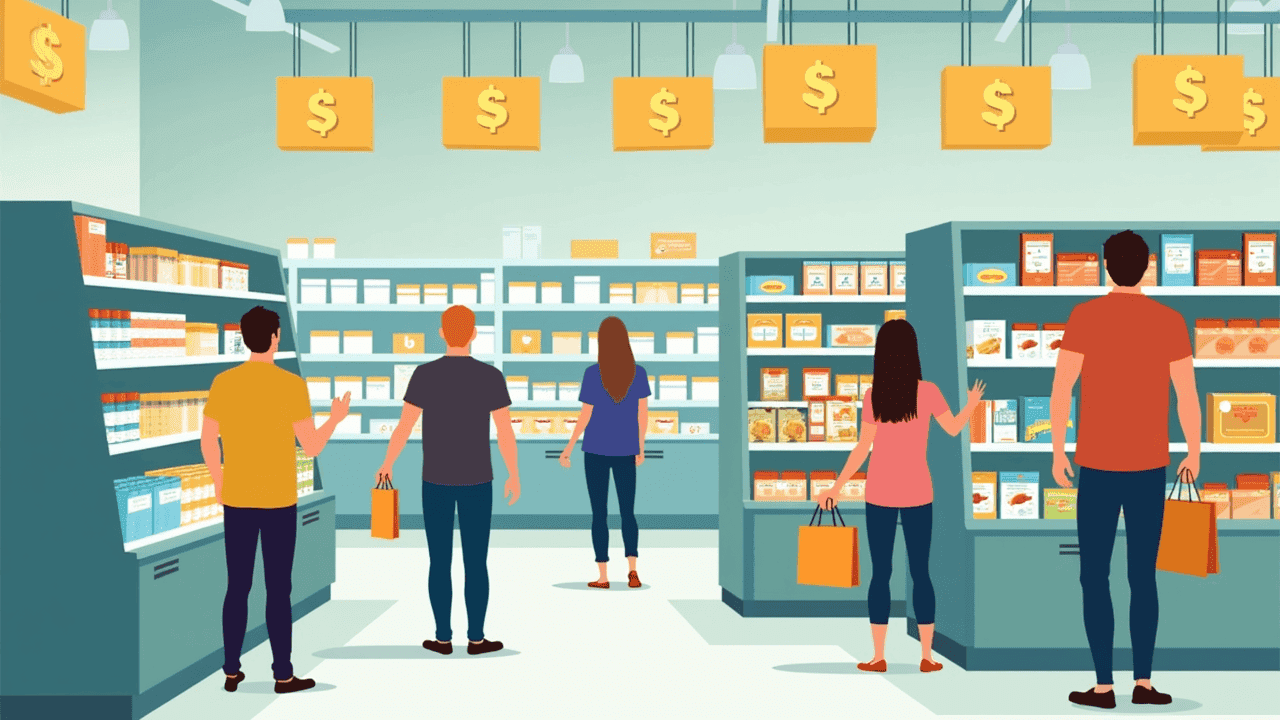
Learn effective strategies for managing a dollar store on a tight budget in 2025. Tips to maximize profits and minimize costs.
In the ever-evolving landscape of retail, dollar stores have carved out a significant niche, becoming a go-to destination for shoppers looking for budget-friendly options. As of 2025, managing a dollar store requires a dynamic approach, especially when navigating the complexities of operating with limited resources. From unpredictable supply chain challenges to shifting consumer preferences, the landscape has never been more intriguing—or demanding.
For store owners, understanding the nuances of the dollar store market is crucial. With the right budgeting strategies, effective inventory management, and keen marketing efforts, it’s entirely possible to thrive in this competitive industry. This article will provide invaluable tips and insights to help dollar store operators sustainably manage their endeavors, ensuring they stay afloat while catering to a customer base that is increasingly value-conscious.
So, whether you’re just starting out in the dollar store arena or looking to refine your existing operations, this guide offers a treasure trove of strategies to maximize efficiency, enhance customer satisfaction, and ultimately, secure your position in the market. Let’s dive in!
Understanding the Dollar Store Market in 2025
In 2025, the dollar store market has experienced remarkable growth, adapting to shifting consumer preferences and economic fluctuations. With the rising cost of living, consumers are increasingly turning to dollar stores for budget-friendly shopping options. This trend has given rise to several key developments within the industry.
- Expansion of Product Offerings: Dollar stores are no longer just about snagging a deal on household items. They have diversified their inventories to include fresh produce, organic goods, and even brand-name products. This strategic expansion attracts a broader customer base who are looking for savings without compromising quality.
- Emphasis on Store Experience: To compete with larger retailers, dollar stores have invested in enhancing their shopping experiences. Bright, inviting store layouts, better signage, and promotional events are now common, creating a more enjoyable environment for shoppers. 🛒
- E-Commerce Integration: Understanding the shift towards digital, many dollar stores are beginning to explore e-commerce platforms. Online ordering and curbside pickup are becoming more prevalent, making shopping more convenient. This digital pivot allows customers to save time while still enjoying budget deals.
- Sustainability Practices: A conscious move towards sustainability is evident, as many dollar stores implement eco-friendly practices. This includes reducing plastic usage and sourcing products from sustainable suppliers, which resonates well with environmentally aware consumers. 🌎
By cultivating these trends, dollar stores are not only sustaining their growth but also reshaping their market presence in a competitive retail landscape.
Challenges Faced by Dollar Stores
Despite the positive trends, the dollar store market does not come without its challenges. As the sector continues to evolve, several hurdles impede its growth and expansion:
- Increased Competition: Traditional grocery chains and big-box retailers are expanding their discount sections, which means dollar stores face heightening competition. This rivalry puts pressure on pricing strategies and product selections, requiring dollar stores to continually innovate to maintain customer loyalty.
- Supply Chain Disruptions: Global supply chain issues, worsened by recent events, pose a significant challenge. Many dollar stores struggle with stock shortages, impacting their ability to provide a consistent shopping experience. A lack of inventory can lead to frustrated consumers who may turn elsewhere for their needs.
- Labor Shortages: Like many industries, dollar stores are experiencing difficulty in hiring and retaining staff. Increased wages and the demand for better working conditions have created a competitive environment where attracting qualified employees can be challenging.
- Economic Pressures: With inflation impacting consumer purchasing power and the overall economy, dollar stores must aggressively manage their pricing structures. They often walk a fine line between offering low prices and maintaining profitability.
Maintaining resilience against these challenges is crucial for dollar stores, as they strive to remain relevant in an ever-changing market. Adaptation and strategic planning will be important as they navigate the complexities of today’s retail environment.
Budgeting Essentials for Dollar Store Management
Managing a dollar store involves navigating a unique financial landscape that demands careful planning and monitoring. Whether you are a seasoned entrepreneur or new to the retail game, understanding budgeting essentials is crucial. This article delves into the nitty-gritty of creating a realistic budget, discerning between essential and optional expenses, and effectively monitoring cash flow to ensure your dollar store thrives in the competitive market. Let’s break it down!
Creating a Realistic Budget
Crafting a budget that aligns with the specific requirements of a dollar store can be challenging yet rewarding.
- Assess Revenue:
- Start by analyzing past sales data to predict future income.
- Utilize seasonal trends to forecast peaks and lows in revenue.
- Document Expenses:
- List fixed costs such as rent, utilities, and payroll.
- Identify variable costs like inventory purchases and marketing efforts.
- Set Goals:
- Establish both short-term and long-term financial goals.
- Consider incorporating a contingency fund for unexpected expenses.
- Utilize Budgeting Tools:
- Leverage software designed for retail management to streamline the budgeting process.
- Regularly review and adjust your budget to reflect actual performance.
Creating a budget that realistically reflects your financial scenario is key to your dollar store’s sustainability and growth. Visual aids such as graphs and charts can enhance the clarity of your budget presentation.
Essential Expenses vs. Optional Expenses
Understanding the difference between essential and optional expenses is vital for efficient dollar store management.
- Essential Expenses:
- These are costs that are unavoidable for daily operations. They include:
- Inventory Purchases: Stocking shelves with products to meet customer demand.
- Utilities: Regular payments for electricity, water, and other necessary services.
- Employee Salaries: Compensation for staff who maintain operations.
- These are costs that are unavoidable for daily operations. They include:
- Optional Expenses:
- These are costs that can be minimized or eliminated without significantly impacting operations. Examples include:
- Luxury Marketing Campaigns: While advertising is essential, extravagant campaigns may not yield proportional results.
- Employee Perks: Optional benefits that can be evaluated during budget constraints.
- Decor and Aesthetics: While an attractive store can attract customers, flashy decor may not be necessary.
- These are costs that can be minimized or eliminated without significantly impacting operations. Examples include:
By clearly categorizing these expenses, managers can prioritize spending that directly contributes to business success while keeping a tight rein on costs that are not essential.
Monitoring Cash Flow
Keeping a close eye on cash flow is crucial for maintaining a healthy dollar store without jeopardizing operational efficiency.
- Key Strategies to Monitor Cash Flow:
- Regular Reports: Generate weekly or monthly reports to track cash inflow and outflow. This will help identify trends and areas of concern.
- Forecasting: Use forecasting tools to anticipate cash flow needs based on sales patterns, ensuring funds are available for essential expenses.
- Expense Review: Regularly revisit your expense categorization. Adjust spending as necessary, particularly in fluctuating economic climates.
“Cash flow is the lifeblood of any business. Monitoring it closely helps avoid pitfalls and ensures operations remain smooth.”
By maintaining diligence in these practices, dollar store managers can develop a robust financial strategy that prepares their business to withstand economic challenges while seizing growth opportunities.
With these budgeting essentials at their disposal, those managing dollar stores can not only navigate the complexities of retail but also thrive in this dynamic environment. 🌟
Effective Inventory Management on a Budget
Effective inventory management is crucial for businesses wanting to reduce costs and optimize operations. For many entrepreneurs and small business owners, staying on budget while managing inventory can often feel daunting. However, with the right strategies in place, companies can maintain efficiency without breaking the bank. This guide delves into essential aspects of cost-effective inventory management, providing practical tips that are both actionable and easy to implement.
Selecting Cost-effective Suppliers
Choosing the right suppliers can significantly impact inventory costs. Smart business owners consider the following factors:
- Negotiation Flexibility: Look for suppliers open to negotiating prices, especially for bulk orders. Building a good relationship can often yield discounts.
- Quality Assurance: Cheaper isn’t always better. Selecting suppliers who offer quality products can reduce returns and improve customer satisfaction, ultimately saving money in the long run.
- Delivery Times: Consider the supplier’s delivery capabilities. Reliable suppliers can minimize stockouts, so businesses don’t have to over-purchase to buffer against delays.
When assessing potential suppliers, it’s beneficial to ask for samples or trial orders. This enables businesses to evaluate the product quality and delivery reliability before making long-term commitments. Additionally, utilizing local suppliers can cut down shipping costs and times, ensuring inventory is replenished timely.
Inventory Tracking Techniques
Effective inventory tracking is vital for maintaining an organized system that minimizes costs. Here are some budget-friendly techniques for managing inventory:
- Manual Tracking: For smaller businesses, a simple, manual tracking system using spreadsheets can be effective. Regularly updating stock levels helps in losing fewer items to wastage or obsolescence.
- Inventory Management Software: Utilizing free or low-cost inventory management software can streamline processes. Options like Zoho Inventory or Sortly provide intuitive interfaces that cater to small businesses without hefty price tags.
- Barcode System: Implementing a basic barcode system can enhance tracking accuracy. Affordable barcode scanners can be found, and this system allows for quicker stock counts and identification of inventory discrepancies.
Quote: “Accurate inventory tracking is about knowing what you have, where it is, and whether you really need it.”
By employing these techniques, businesses not only create more efficient inventory practices but also gain valuable insights into their purchasing behaviors and stock levels.
Seasonal vs. Non-seasonal Products
Understanding the difference between seasonal and non-seasonal products is essential for effective inventory management.
- Seasonal Products:
- Typically surge in demand at specific times of the year (e.g., holiday decorations, summer apparel).
- Businesses should ramp up inventory purchases leading to peak seasons while ensuring clearance strategies for off-peak months.
- Non-seasonal Products:
- Demand remains fairly consistent throughout the year (e.g., groceries, basic household items).
- Stocking levels should be maintained at a steady rate to avoid surplus or shortage.
Analyzing sales data can help businesses predict trends and adjust inventory levels accordingly. Utilizing inventory management tools to set alerts on stock levels for both seasonal and non-seasonal items further enhances inventory control.
Adapting to market trends and understanding product lifecycle helps businesses optimize their purchasing strategy. By aligning inventory with actual demand, they can reduce unnecessary expenditure and improve cash flow management.
Mastering inventory management on a budget requires strategic planning and continuous assessment of suppliers, methodologies, and product types. Businesses that take the time to ensure these components are in check will find that happy balance of efficiency and cost-effectiveness, ultimately leading to greater profitability.
Marketing Strategies to Promote Your Dollar Store
Marketing a dollar store can be a rewarding challenge. These stores offer an array of products at unbeatable prices, but getting customers through the door requires thoughtful strategies. This article explores innovative marketing strategies focusing on community engagement, budget-friendly digital marketing, and enticing promotions. Let’s delve into how these strategies can elevate a dollar store’s profile and increase foot traffic.
Community Engagement 🤝
Engaging with the local community is crucial for a dollar store. By becoming a valued resource, dollar store owners can foster loyalty and enhance brand visibility. Here are some effective community engagement strategies:
- Host Local Events: Organizing events such as community fairs or product sampling can draw in crowds. This not only showcases products but also creates a fun atmosphere that encourages interaction.
- Partner with Local Charities: Collaborating with local charities can strengthen community ties. Organizing donation drives or charity events helps raise awareness about the store and its commitment to the community.
- Participate in Neighborhood Activities: Being present at local festivals, parades, or farmer’s markets allows the store to connect with potential customers. Setting up a booth can provide opportunities for promotional giveaways and face-to-face interaction.
- Feature Local Products: Highlighting locally sourced products not only supports other businesses but also establishes the store as an integral part of the community. This strategy can attract customers who prefer to shop locally.
Engaging with the community not only increases brand loyalty but also fosters a positive reputation that can significantly enhance a dollar store’s appeal.
Digital Marketing on a Budget 💻
In today’s digital age, marketing doesn’t have to cost a fortune. Dollar stores can effectively utilize digital channels to reach a wider audience. Here are some budget-friendly digital marketing strategies:
- Social Media Presence: Building a presence on platforms like Facebook and Instagram allows stores to connect with customers and showcase promotions. Posting engaging content such as product spotlights, customer testimonials, or behind-the-scenes looks can generate interest.
- Email Campaigns: Collecting customer emails enables dollar stores to send out newsletters and promotional offers directly to their audience. Regular communication keeps the store top-of-mind and encourages repeat visits.
- Local SEO: Ensuring the store is optimized for local search queries is essential. This can be done by maintaining an up-to-date Google My Business profile and encouraging satisfied customers to leave reviews. A well-optimized profile enhances visibility in local search results.
- Influencer Collaborations: Partnering with local influencers or micro-influencers for product promotion can extend reach without significant financial investment. Influencers can authentically showcase products to their followers, attracting new customers to the store.
Digital marketing doesn’t have to strain the budget, especially when leveraging creative approaches that cater directly to the target audience.
Promotions and Discounts 🏷️
Everyone loves a good deal, and promotional strategies can effectively draw customers to a dollar store. Here are impactful methods to implement promotions:
- Seasonal Sales: Aligning promotions with holidays or seasons can create excitement. For instance, running themed sales during back-to-school season or the winter holidays can attract families looking for budget-friendly essentials.
- Loyalty Programs: Implementing a loyalty card system encourages repeat business. Customers can earn discounts or special offers after reaching certain spending thresholds, fostering brand loyalty.
- Bundle Deals: Creating value packs or bundle offers can entice customers to purchase more items. For example, offering a discount on a set of home cleaning supplies encourages bulk buying.
- Flash Sales: Organizing limited-time offers creates a sense of urgency for consumers. Promoting flash sales via social media or in-store signage can significantly increase foot traffic.
Promotions and discounts not only attract new customers but also incentivize repeat visits, ultimately leading to increased sales and customer satisfaction.
By implementing these marketing strategies, dollar stores can effectively enhance their visibility, engage with the community, and foster customer loyalty. Each approach contributes towards creating a dynamic shopping experience that keeps customers coming back for more. Embracing innovation and creativity in marketing will not only elevate the dollar store’s presence but will also ensure sustained growth and success in a competitive market.
Cost-cutting Practices in Dollar Store Operations
Dollar stores have become a staple for budget-conscious consumers, offering a wide range of products at unbeatable prices. However, to maintain profitability amidst fierce competition, dollar store operators are continually adopting innovative cost-cutting practices. This article delves into effective strategies that can help these businesses thrive in a challenging retail landscape by reducing expenses without sacrificing quality or customer satisfaction.
Reducing Overhead Costs
One of the primary areas where dollar stores can enhance their profitability is by lowering overhead costs. This involves scrutinizing fixed expenditures such as rent, utilities, and other operational costs. Consider the following strategies:
- Location Optimization: Selecting stores in lower-rent areas while still being accessible to a large customer base can significantly reduce lease expenses. Evaluating the foot traffic and demographics is crucial.
- Bulk Purchasing: By buying inventory in larger quantities, dollar stores can negotiate better prices and reduce per-unit costs. This strategy not only cuts costs but also ensures better inventory management.
- Digital Tools and Automation: Implementing software solutions for inventory management and point-of-sale systems can streamline operations. This shift helps minimize errors and reduces the need for excess staffing in administrative roles.
“Efficient overhead management is not just about saving money; it’s about creating a sustainable operational model that supports growth.” – Retail Analyst
Streamlining Staff Operations
Despite the focus on reducing labor costs, maintaining staff morale and efficiency is imperative. Streamlining staff operations involves optimizing workforce management without sacrificing service quality. Key practices include:
- Cross-Training Employees: Training staff to perform multiple roles can enhance flexibility and reduce the need for a larger workforce. This adaptability helps during peak times and promotional events.
- Implementing Shift Optimization: Utilizing scheduling software to predict busy periods and align staff availability accordingly can help in reducing overtime pay while ensuring customer needs are met during peak hours.
- Employee Engagement Initiatives: Maintaining a motivated workforce is essential for operational efficiency. Regular training sessions and employee recognition programs can boost morale, which often leads to better productivity.
Energy Efficiency Measures
Energy costs represent a significant expense for dollar store operations. Adopting energy-efficient practices not only decreases monthly bills but also supports environmental sustainability. Here are some actionable steps:
- LED Lighting: Switching to LED lighting reduces energy consumption dramatically and enhances the shopping experience with better visibility.
- Energy Management Systems: Installing smart thermostats and energy management systems allows stores to monitor and control energy use in real time, leading to substantial savings.
- Regular Maintenance: Ensuring that heating, ventilation, and air conditioning (HVAC) systems are regularly maintained improves efficiency and extends equipment lifespan, resulting in lower operational costs.
By focusing on these cost-cutting practices—reducing overhead, streamlining staff operations, and enhancing energy efficiency—dollar store operators can foster a sustainable business model that not only survives but thrives in a competitive market. Embracing these strategies allows them to offer unbeatable prices while maintaining a profitable enterprise.
Leveraging Technology for Improved Efficiency
In a rapidly evolving business environment, the integration of technology can significantly enhance efficiency and productivity. Companies that embrace modern solutions have seen marked improvements in operations, customer satisfaction, and overall business performance. By focusing on key technological advancements such as point of sale systems, inventory management software, and an effective online presence, organizations can streamline processes and drive success.
Point of Sale Systems 🖥️
A modern point of sale (POS) system is far more than just a cash register; it’s a robust tool that provides businesses with a suite of features designed to improve day-to-day transactions.
- Speed and Accuracy: Today’s POS systems facilitate quick transactions, reducing wait times for customers and minimizing human errors.
- Inventory Tracking: Many POS solutions come equipped with real-time inventory tracking. This feature allows businesses to monitor stock levels effortlessly, ensuring they never run out of popular items.
- Customer Insights: By analyzing sales data, businesses can gain valuable insights into purchasing trends and customer preferences. This information is crucial for targeted marketing and enhancing customer satisfaction.
Implementing a contemporary POS system can truly transform the checkout experience, making it efficient and engaging.
Inventory Management Software 📦
Managing stock efficiently is critical for any business. Inventory management software offers an array of functionalities that cater to this need.
- Automated Reordering: With the use of intelligent algorithms, businesses can automate the reordering process, ensuring that inventory levels remain optimal without manual intervention.
- Data Analytics: Modern software provides insights into stock turnover, allowing organizations to make informed decisions about purchasing and sales strategies.
- Integration with Other Systems: Many inventory management solutions seamlessly integrate with accounting, e-commerce, and POS systems. This connection simplifies report generation and enhances overall operational efficiency.
By leveraging advanced inventory management tools, businesses can optimize stock levels and reduce carrying costs, ultimately contributing to a healthier bottom line.
Online Presence 🌐
In today’s digital age, having a strong online presence is paramount. Businesses that establish and maintain an effective digital footprint can attract new customers and retain existing ones.
- Website Optimization: A well-designed website is essential for first impressions. Ensuring that it is user-friendly, mobile-responsive, and search engine optimized (SEO) can significantly boost visibility.
- Social Media Engagement: Active engagement on social media platforms fosters community building and brand loyalty. Regular updates, promotions, and customer interactions via social media help businesses stay top-of-mind.
- E-commerce Solutions: Incorporating e-commerce features allows businesses to sell products or services online, tapping into a broader market. This not only increases sales potential but also provides customers with the convenience of shopping from anywhere at any time.
A strong online presence is not just a trend; it’s a necessity in enhancing a business’s efficiency and reach in a competitive landscape.
By adopting these technological advancements, organizations can position themselves for success, ensuring they remain agile and competitive in an ever-changing marketplace. Each tool plays a pivotal role in enhancing operational efficiency, promoting growth, and fostering customer engagement. Embracing technology is not merely an option; it is a fundamental pillar for future success in the business realm.
Customer Experience: Keeping Shoppers Coming Back
Creating an optimal customer experience is crucial for retailers looking to foster lasting relationships with shoppers. When customers feel valued and appreciated, they are far more likely to return. This article explores key aspects of customer experience with actionable insights, including store layout optimization, customer service strategies, and effective loyalty programs.
Store Layout Optimization
A well-thought-out store layout can significantly enhance a shopper’s experience. It not only directs foot traffic but also encourages impulse purchases. Here are a few strategies that retailers can employ:
- Clear Navigation: Use signage and product placement to make it easy for customers to find what they’re looking for.
- Strategic Product Placement: Position high-margin items at eye level or near the checkout to increase visibility.
- Comfortable Spaces: Incorporate seating areas or relaxation zones, allowing customers to take breaks and enjoy their shopping experience.
Quote: “A pleasant store layout invites customers to explore and enjoy, which naturally leads to higher sales.” – Retail Expert
Shoppers appreciate environments that feel welcoming and engaging. A well-optimized store layout can make all the difference in their shopping journey.
Customer Service Strategies
Exceptional customer service is the cornerstone of a memorable shopping experience. To provide unparalleled support, retailers can adopt the following strategies:
- Empowered Staff: Train employees to make decisions that benefit the customer, ensuring timely responses to inquiries.
- Personalization: Use customer data to tailor recommendations and communications, making interactions feel more relevant.
- Rapid Resolution: Implement systems to swiftly resolve complaints or issues, demonstrating a commitment to customer satisfaction.
Incorporating these customer service strategies can turn casual shoppers into loyal patrons who appreciate the effort put into their experience. 😊
Loyalty Programs
A robust loyalty program can significantly impact repeat business by incentivizing customers to return. Here are key elements of successful loyalty initiatives:
| Loyalty Program Features | Description |
|---|---|
| Point System | Reward customers with points for every purchase, redeemable for discounts or free items. |
| Exclusive Promotions | Offer members early access to sales or exclusive products, creating a sense of exclusivity. |
| Personalized Rewards | Tailor rewards based on shopping habits, ensuring customers receive offers that resonate with their preferences. |
Quote: “Loyalty programs are not just about rewards; they create a community where customers feel valued.” – Marketing Specialist
When designed thoughtfully, loyalty programs not only retain customers but also turn them into ambassadors for the brand, amplifying word-of-mouth marketing.
By focusing on enhancing the customer experience through optimized store layouts, stellar customer service, and engaging loyalty programs, retailers can ensure that shoppers keep coming back. Adopting these practices will set businesses on the path to sustained success, deepening connections with their clientele.
Conclusion
Navigating the dollar store landscape in 2025 is undoubtedly a challenge, particularly for those operating on a limited budget. However, with the right strategies, such as effective inventory management, budget-friendly marketing, and a focus on customer experience, success is well within reach.
By embracing technology and maximizing community engagement, store owners can foster loyalty and enhance profitability. For those looking to streamline their operations, Four Seasons General Merchandise offers a vast array of affordable products tailored for dollar stores and discount retailers. Discover more about our offerings here and take your store management to the next level!
🏪✨ Happy selling!
Frequently Asked Questions
- What are some effective strategies for managing a dollar store on a limited budget?
Effective strategies include careful inventory management, sourcing products from wholesalers, utilizing digital marketing, optimizing staffing, and focusing on customer engagement to retain and attract buyers.
- How can I minimize costs while running a dollar store?
You can minimize costs by negotiating better deals with suppliers, reducing waste, implementing energy-efficient practices, and regularly reviewing expenses to identify areas for savings.
- What are the best marketing strategies for a dollar store with a limited budget?
Cost-effective marketing strategies include social media promotions, local community engagement, email newsletters, and utilizing word-of-mouth marketing, such as referral programs to encourage repeat customers.
- Should I consider e-commerce for my dollar store?
Yes, considering e-commerce can expand your reach and customer base. By setting up an online store, you can increase sales, especially with niche products that are in high demand and minimal competition.
- What types of products should I focus on in a dollar store?
Focus on high-demand everyday items such as household goods, personal care products, cleaning supplies, party items, and seasonal merchandise that tend to sell well at low price points.
