
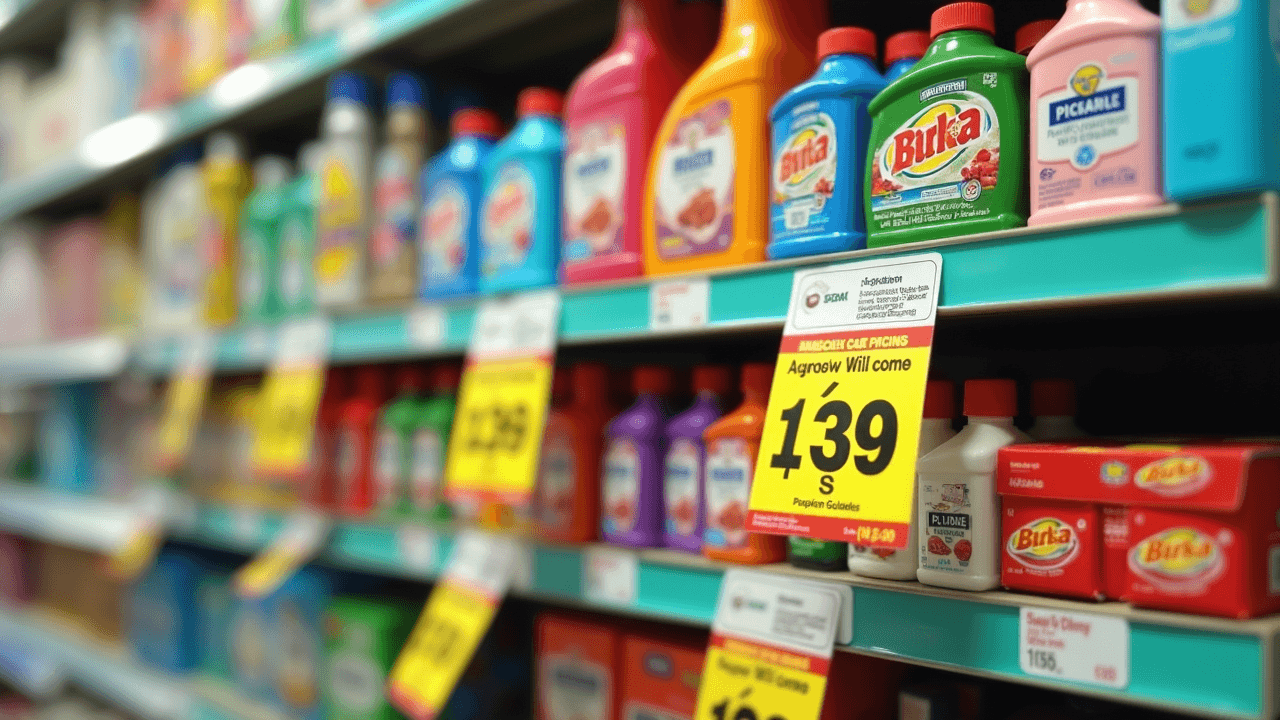
Discover effective pricing strategies to boost your dollar store's success and attract more customers while maximizing profit.
In today’s bustling retail environment, dollar stores have carved out a unique niche, becoming a go-to option for budget-conscious shoppers. Understanding how to effectively price goods in these stores is crucial for attracting customers and driving sales. With an array of products available at unbeatable prices, the challenge lies in creating a pricing strategy that resonates with the target audience while ensuring profitability.
Pricing for dollar stores isn’t just about setting a low price tag. It’s about employing strategic approaches that enhance perceived value and encourage repeat shoppers. Here’s why smart pricing strategies are essential for success in the dollar store market:
- Attracting Budget-Conscious Consumers: With their allure of affordable products, dollar stores primarily cater to customers seeking value without compromising quality. Effective pricing strategies can further reinforce this appeal.
- Market Positioning: Positioning the store as a leader in low pricing requires continuous assessment and adjustment of pricing strategies in response to market trends.
- Encouraging Higher Sales Volume: By employing techniques such as bundle pricing and volume discounts, dollar stores can increase the average transaction size, ultimately boosting overall sales.
With an ever-evolving market landscape, analyzing the intricacies of dollar store pricing strategies is pivotal for maintaining competitiveness. This exploration will delve into the key strategies and innovative techniques that can help dollar store owners navigate the pricing maze effectively. 🛒
Understanding the Dollar Store Market
The dollar store market has seen a significant transformation over the years, evolving from simple discount retail outlets to complex multi-channel operations. As of 2026, this sector continues to thrive, driven by various economic factors and changing consumer behaviors.
Dollar stores typically offer a wide variety of products at low prices, often ranging from household essentials to seasonal items, and even party supplies. They are known for their ability to keep overhead costs low, allowing them to pass the savings on to consumers. This makes them particularly appealing during economic downturns when shoppers tend to be more budget-conscious. Here are some key insights into the current dollar store market:
- Growth and Expansion: Many dollar store chains have expanded their footprint significantly, often opening new locations in underserved areas, thereby tapping into a diverse demographic.
- Product Diversification: Traditionally focused on low-cost items, dollar stores are increasingly offering a wider array of products, including branded goods, grocery items, and even frozen foods, appealing to a broader customer base.
- E-commerce Integration: To adapt to changing shopping habits, many dollar stores are now integrating e-commerce platforms, providing customers with the option of online shopping, curbside pickup, or home delivery.
The impact of these changes is substantial. Dollar stores not only cater to those looking for bargains 🎉 but also attract customers who appreciate convenience and time-saving shopping alternatives.
Target Audience
Understanding the target audience of dollar stores is crucial for retailers wishing to maximize their reach and effectiveness. The demographic is notably diverse and often includes:
- Budget-Conscious Shoppers: Individuals and families seeking to save on everyday expenses, especially during challenging financial times.
- Young Professionals: Millennials and Gen Z shoppers who are looking for value without compromising on quality.
- Rural and Underserved Communities: Dollar stores often serve areas with limited access to traditional supermarkets, providing essential goods to those who need them most.
While the broad appeal of dollar stores draws in a varying crowd, certain traits are commonly seen across their customer base:
- Frugality: Many customers prioritize saving money, and dollar stores provide affordable options.
- Convenience Seekers: People looking for a quick shopping experience appreciate the no-frills layout and accessibility of dollar stores.
- Value Seekers: Shoppers are increasingly inclined to find quality products at lower prices, making dollar stores an attractive option.
As they continue to adapt and evolve, dollar stores are well-positioned to respond to the needs of their diverse clientele, offering a shopping experience that aligns with their values and preferences. By understanding the intricacies of the target audience, dollar store operators can implement effective marketing strategies that resonate with their customers.
Core Pricing Strategies
Understanding the landscape of pricing strategies is crucial for businesses aiming to achieve a competitive edge in any market. The right pricing strategy not only affects profitability but also influences customer perception and purchasing behavior. Here, we delve into four core pricing strategies that can effectively drive sales and enhance brand loyalty.
Everyday Low Pricing (EDLP)
Everyday Low Pricing (EDLP) is a strategy where businesses consistently offer products at low prices without having to rely on frequent sales or discounts. This approach appeals to cost-conscious consumers, ensuring they feel they receive value without the need for hunting down deals.
- Advantages:
- Builds trust with customers, who appreciate transparent pricing.
- Reduces advertising costs related to promotions or sales events.
- Encourages a steady sales flow, stabilizing revenue over time.
- Considerations:
- Requires careful cost management to maintain profitability.
- May not attract customers seeking a bargain or special promotions.
Retail giants like Walmart have successfully implemented EDLP, thereby positioning themselves as go-to destinations for budget shoppers.
Psychological Pricing
Psychological pricing leverages the emotional response of consumers to influence their purchasing decisions. This strategy often employs techniques such as setting prices slightly below a round number, e.g., $9.99 instead of $10.00. This can lead customers to perceive they are getting a better deal.
- Key Techniques:
- Charm Pricing: Using prices ending in .99 to create the illusion of being less expensive.
- Prestige Pricing: Setting higher prices to denote luxury and exclusivity, thus appealing to a more affluent customer base.
The underlying principle is that consumers tend to react not only to the actual price but also to the perception of value it communicates. Retailers can capitalize on this by showcasing products that use psychological pricing to encourage purchases.
Bundle Pricing
Bundle pricing involves offering a set of products or services together at a lower price than if purchased separately. This strategy aims to enhance perceived customer value while increasing overall sales volume.
- Benefits:
- Encourages customers to buy more, maximizing the average transaction size.
- Simplifies decision-making for consumers, as they feel they are getting a deal.
- Can help clear out inventory by pairing less popular items with best-sellers.
Common in several industries, including software and fast food, bundle pricing can create a win-win scenario—customers feel they are saving money, while businesses boost their sales figures.
Volume Discounts
Volume discounts reward customers for purchasing in larger quantities, typically resulting in lower unit prices for bulk purchases. This strategy is particularly effective in B2B markets where companies often need to buy large amounts of a product.
- Types of Volume Discounts:
- Tiered Pricing: Lower prices are available at designated quantity thresholds.
- Cumulative Discounts: Discounts accumulate over time as customers meet specified purchase requirements.
Volume discounts not only stimulate sales but also foster customer loyalty, as buyers often return to the same suppliers for repeat orders. This approach is widely utilized by wholesalers and major retail chains.
Each of these pricing strategies serves distinct purposes and can be effectively employed depending on the market conditions, consumer behavior, and business goals. Crafting a thoughtful pricing strategy enables organizations to optimize their offerings, enhance customer satisfaction, and ultimately drive long-term growth.
Dynamic Pricing Techniques
Dynamic pricing techniques have emerged as a critical strategy for businesses to optimize revenue and adapt to market fluctuations. By adjusting prices in real-time based on a variety of factors, companies can respond effectively to consumer demand, competition, and other dynamic market elements. This approach is not just about raising or lowering prices; it’s about leveraging data and insights to make informed pricing decisions that ultimately benefit both the business and the customer. Let’s delve into two key aspects of dynamic pricing that showcase its effectiveness: adjusting prices based on demand and seasonal pricing strategies.
Adjusting Prices Based on Demand
One of the most prominent features of dynamic pricing is its ability to adjust prices in response to real-time demand. Companies analyze consumer behavior, purchasing patterns, and market trends to determine optimal pricing at any given moment. This method can be particularly beneficial in industries such as travel, hospitality, and e-commerce.
Benefits of Demand-Based Pricing:
- Maximized Revenue: By increasing prices during peak demand times, businesses can significantly boost their revenue.
- Increased Sales During Low Demand: Conversely, lowering prices during slower periods encourages sales and attracts customers.
- Enhanced Customer Insights: Analyzing data helps businesses understand customer preferences and behavior, allowing for more personalized marketing efforts.
Dynamic pricing can often feel like a game of chess. Just as a player observes an opponent’s moves, businesses monitor market conditions, using advanced algorithms and data analytics to refine their pricing strategies. This proactive approach not only helps in capturing consumer interest but also aligns pricing with perceived value.
“The goal of dynamic pricing is to find that sweet spot where both customer interest and profitability align.”
Seasonal Pricing Strategies
Seasonal pricing strategies capitalize on the regular fluctuations in consumer demand that occur during specific times of the year. Businesses can leverage these patterns to maximize sales and profitability based on seasonal trends.
Key Elements of Seasonal Pricing:
- Holiday Promotions: Retailers often introduce special pricing around holidays to boost sales, attracting bargain-hunters during peak shopping seasons.
- Climate Influences: Businesses such as fashion retailers or outdoor equipment suppliers may adjust their prices based on the weather, encouraging purchases that align with consumer activities (think summer sales on swimwear or winter discounts on ski gear). 🌞❄️
- Event-Based Pricing: Local events, festivals, or significant occasions in a region can trigger price adjustments, as businesses aim to capture the influx of potential customers.
By anticipating these seasonal shifts in demand and adjusting prices accordingly, businesses can not only increase their market share during high-demand periods but also manage inventory levels during slow times effectively.
Incorporating dynamic pricing strategies is pivotal in today’s competitive landscape. It allows businesses to remain agile, respond to changing market conditions swiftly, and deliver value to customers while enhancing their bottom line. As businesses continue to adopt these techniques, the potential for revenue growth and improved customer engagement only heightens, showcasing the undeniable advantages of a well-executed dynamic pricing strategy.
Utilizing Technology in Pricing
In today’s ever-evolving marketplace, businesses continually seek innovative methods to refine their pricing strategies. With technology transforming every facet of operations, it’s no surprise that companies are turning to advanced tools for effective pricing management. Embracing technology not only enhances competitiveness but also ensures alignment with customer expectations and market dynamics.
Price Optimization Software
Price optimization software has emerged as a game changer for entities striving to find the perfect balance between profitability and customer satisfaction. By harnessing algorithms and machine learning, these tools analyze vast amounts of data to recommend optimal pricing strategies.
Here’s how price optimization software can elevate a business’s pricing strategy:
- Dynamic Pricing: Adjust prices in real-time based on market demand, competitor pricing, and inventory levels. 🛒
- Historical Data Analysis: Utilize past sales data to predict future trends, ensuring pricing strategies are informed and timely.
- Profit Margin Enhancement: Identify price points that maximize profit while remaining attractive to customers.
- A/B Testing Features: Experiment with pricing variations to discover which resonates best with the target audience.
Incorporating price optimization software allows companies not only to streamline their pricing processes but also to respond swiftly to changing market conditions.
Data Analytics for Customer Behavior
Understanding customer behavior is integral to successful pricing strategies. By leveraging data analytics, businesses gain valuable insights into how consumers make purchasing decisions. This understanding enables companies to tailor their pricing strategies effectively.
Notable advantages of utilizing data analytics for customer behavior include:
- Segmented Pricing Strategies: Create personalized pricing offers based on customer segments, enhancing loyalty and sales.
- Behavioral Insights: Analyze buying patterns to identify triggers and optimal pricing times for promotions.
- Real-Time Feedback: Capture customer responses to pricing changes, allowing for swift adjustments that maintain customer satisfaction.
- Competitive Intelligence: Monitor competitor pricing strategies and market trends to stay ahead in pricing decisions.
With data analytics, businesses can not only anticipate consumer needs but also craft pricing strategies that resonate with their audiences, leading to long-term growth and stability.
By effectively embracing technology through tools like price optimization software and data analytics, companies position themselves to thrive in a competitive landscape. Adopting these approaches creates a pricing strategy that is proactive rather than reactive, fostering customer trust and maximizing profitability. The future of pricing belongs to those who leverage technology to meet and exceed customer expectations.
Promotional Pricing Strategies
Promotional pricing strategies are essential tools that businesses employ to attract customers, boost sales, and foster brand loyalty. By understanding various promotional pricing techniques, companies can tailor their approaches to meet specific market demands and effectively engage their audience. Here’s a look at some popular strategies that can elevate any marketing campaign.
Limited-Time Offers ⏳
Limited-time offers create urgency, prompting customers to act quickly. This strategy can effectively drive traffic and sales, as consumers often fear missing out on great deals.
Key Features:
- Time-Limited: Clearly define the start and end dates to enhance urgency.
- Enticing Discounts: Discounts between 15% to 50% are most compelling.
- Target Specific Products: Focus on bestsellers or items with excess inventory.
Benefits:
- Increases customer engagement and impulse purchases.
- Can be tied to launching new products or clearing out old stock.
- Encourages word-of-mouth marketing as customers share their excitement with friends.
“When customers know they have a short window to take advantage of a deal, they’re more likely to make a purchase now rather than later.”
BOGO Deals 🛍️
Buy One Get One (BOGO) deals are another engaging promotional pricing strategy. This tactic not only encourages customers to buy more but also enhances perceived value, making them feel like they’re getting a bargain.
Types of BOGO Deals:
- Buy One, Get One Free: Classic approach that draws customers in.
- Buy One, Get One at a Discount: Incentivizes buying more while still providing savings.
- Mix and Match Offers: Promotes different products, encouraging customers to try something new.
Advantages:
- Boosts sales volume and helps move inventory.
- Attracts price-sensitive customers who enjoy the concept of getting more for less.
- Increases customer loyalty as they perceive a brand that gives back.
“BOGO deals can transform a shopper’s experience, catering not only to their wallets but also to their desire for value.”
Holiday Promotions 🎉
Holidays present a unique opportunity for businesses to implement promotional pricing strategies that resonate with festive consumer behavior. This approach not only aligns with seasonal shopping but also maximizes visibility.
Ideas for Holiday Promotions:
| Holiday | Possible Promotions |
|---|---|
| Valentine’s Day | Discounts on gifts or romantic dining packages |
| Halloween | Discounts on costumes and candies |
| Christmas | Bundle deals for gift items or festive decorations |
Why Holiday Promotions Work:
- Aligns with consumer spending habits during peak times of the year.
- Provides a timely opportunity to introduce new products or services.
- Creates an emotional connection between the brand and the customer by tapping into holiday themes.
“Leverage the spirit of the season to create memorable shopping experiences that resonate with your customers.”
By understanding and implementing these promotional pricing strategies—limited-time offers, BOGO deals, and holiday promotions—businesses can effectively attract attention and drive sales. These tactics not only enhance customer engagement but also foster loyalty, ensuring lasting connections with their audience.
Importance of Price Monitoring
Price monitoring is an essential strategy for businesses that seek to thrive in a competitive marketplace. By keeping a pulse on pricing trends, organizations can not only enhance their profitability but also respond to market demands effectively. In an era where consumers are well-informed and price-sensitive, effective price monitoring is closely tied to successful sales strategies and customer satisfaction.
Competitor Price Comparison
To stay ahead, companies need to consistently analyze the prices set by their competitors. This practice allows businesses to make informed pricing decisions, ensuring they remain attractive to potential customers. Here are some key benefits of competitor price comparison:
- Market Positioning: Understanding where they stand in relation to competitors helps businesses position their offerings effectively. 🌟
- Dynamic Pricing: With real-time data, companies can adjust their prices swiftly to remain competitive.
- Identifying Trends: Tracking shifts in competitor pricing reveals market trends that can influence product development and marketing strategies.
By leveraging competitor price comparison, companies can not only attract potential customers but also retain their existing clientele. This continuous adjustment fosters a more responsive and agile pricing strategy.
Customer Feedback and Adjustments
Pricing decisions should not solely rely on competitor analysis; customer feedback plays an equally critical role. Insights from existing customers can guide businesses in adjusting their pricing for maximum impact. Here’s how customer feedback aids in price monitoring:
- Understanding Perceived Value: Customers often have a unique perspective on what they believe is a fair price. Engaging them through surveys or direct communication can uncover valuable insights.
- Identifying Pain Points: If customers express dissatisfaction related to pricing, it indicates a need for strategic adjustments.
- Testing Pricing Strategies: Implementing tiered pricing or discount offers based on customer feedback can evaluate what resonates best with different segments of the market.
Engaging actively with customers about their perceptions on price can foster loyalty and build trust as they feel their opinions are valued. Pricing adjustments made in response to genuine feedback can be pivotal in enhancing overall customer satisfaction.
Incorporating robust price monitoring practices ensures that businesses remain relevant and competitive in an ever-evolving market landscape. By attuning themselves to competitor pricing and leveraging customer insights, they not only optimize their pricing strategies but also enhance their overall value proposition. Effective price monitoring is not just about numbers; it’s about creating a dynamic relationship with the market and its customers. 📈
Balancing Quality and Price
Striking the perfect balance between quality and price is a challenge many businesses face today. With consumers becoming increasingly savvy and demanding, understanding how to convey perceived value while managing costs is imperative for long-term success.
Perceived Value vs. Cost
Perceived value refers to how customers view the worth of a product or service, which is often influenced by quality, brand reputation, and customer experience. On the other hand, cost is the monetary expense incurred to produce or acquire an item. Finding harmony between these two components can enhance customer satisfaction and brand loyalty.
Key Factors in Perceived Value:
- Quality Assurance: Investing in high-quality materials or production processes can elevate a product’s perceived value. Customers are often willing to pay more for reassurance that they are getting a durable and reliable product. ✨
- Brand Identity: Businesses with a strong, trustworthy brand presence tend to command higher prices. A compelling story, ethical sourcing, and exceptional customer service contribute to building a brand that resonates with consumers. 🏆
- Customer Reviews and Feedback: Positive reviews and testimonials can significantly boost perceived value. When potential buyers see that others have enjoyed or benefited from a product, they are more likely to make a purchase, even at a higher price point.
- Experience Over Product: Offering a unique customer experience can enhance the perceived value of a product, encouraging customers to prioritize quality over price.
Balancing quality and price successfully requires ongoing market research and a keen understanding of target demographics. Companies must stay agile, adjusting their offerings based on customer preferences and market trends.
Supplier Negotiations
In the journey to achieve quality at the right price, effective supplier negotiations become critical. Building strong relationships with suppliers can lead to better deals that benefit both parties, ultimately enhancing competitiveness.
Strategies for Successful Negotiations:
- Research and Prepare: Prior to negotiations, both parties should conduct thorough research. Understanding market prices and supplier capabilities ensures that companies come prepared with realistic expectations.
- Focus on Long-Term Partnerships: Rather than pursuing one-time discounts, businesses should aim for sustainable relationships. A collaborative approach can facilitate flexibility in pricing, better payment terms, or improved quality from suppliers.
- Leverage Volume Commitments: Committing to larger orders can sometimes lead to lower prices per unit. This strategy helps suppliers optimize their production schedules, creating a win-win situation. 🎉
- Explore Alternatives: Always be open to exploring multiple suppliers. This not only provides options but also fosters healthy competition among suppliers, often leading to better rates.
In the realm of balancing quality and price, strategic supplier negotiations are vital. Success hinges on effective communication and mutual respect, enabling businesses to maintain quality while managing costs efficiently.
Navigating this landscape can seem daunting, but with the right focus and a commitment to excellence, businesses can thrive without compromising on either quality or price.
Conclusion
Navigating the competitive landscape of dollar store pricing requires a well-thought-out strategy that not only attracts customers but also drives profitability. By incorporating dynamically pricing techniques, leveraging technology, and understanding customer behavior, dollar stores can create effective pricing models tailored to their unique market.
As retailers adapt to market changes, staying informed and ready to adjust strategies will be essential. Organizations can benefit greatly from engaging with a reliable supplier such as Four Seasons General Merchandise, which offers comprehensive resources to help optimize their product selection and pricing strategies effectively. By balancing quality and affordability, dollar stores can ensure long-term success and customer loyalty. 💡
Frequently Asked Questions
- What are smart pricing strategies for dollar stores?
Smart pricing strategies for dollar stores include competitive pricing analysis, psychological pricing techniques, bundling products, offering loyalty discounts, and regularly reviewing and adjusting prices based on market trends.
- How can I determine the right price for items in my dollar store?
To determine the right price for items in your dollar store, analyze competitor pricing, consider your costs (including shipping and overhead), understand your target market’s spending behavior, and account for seasonal trends.
- What role does psychological pricing play in dollar store pricing strategies?
Psychological pricing plays a significant role in dollar store strategies by using price points that make products appear more attractive, such as pricing items at $1.99 instead of $2, which can increase customer perception of value and encourage purchases.
- How can bundling products improve sales in a dollar store?
Bundling products can improve sales in a dollar store by creating a perceived value, encouraging customers to buy more items as a package deal, and making it easier for customers to make decisions by offering convenience.
- How often should I review my pricing strategy for my dollar store?
You should review your pricing strategy for your dollar store regularly, ideally quarterly or biannually, to ensure competitiveness, respond to market changes, assess seasonal sales performance, and adjust pricing based on customer feedback and inventory levels.
