
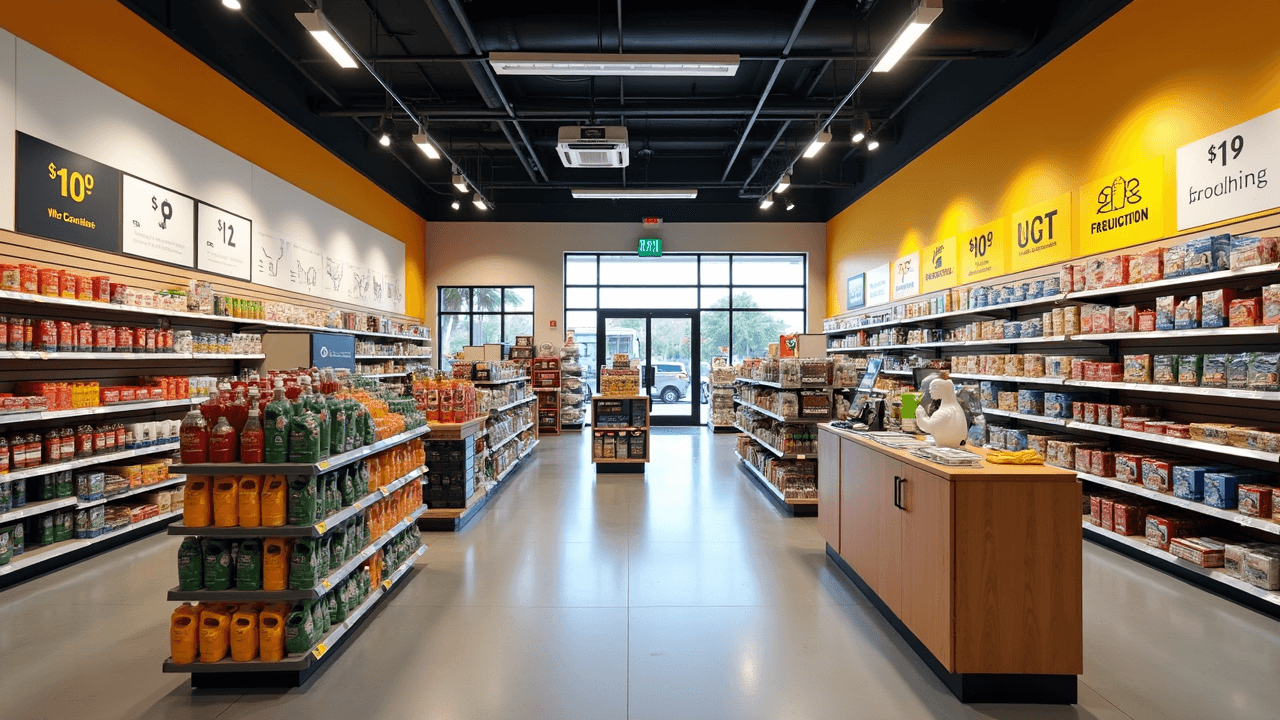
Explore the retail trends set to influence dollar stores in 2025, from consumer behavior shifts to innovative marketing strategies.
In 2025, the retail landscape is set to evolve dramatically, particularly within the dollar store sector. As consumers adapt to a changing economic environment and shifting priorities, dollar stores are positioned to meet these demands with innovative strategies and offerings. The trends that are beginning to emerge will not only influence how these stores operate but also redefine the overall shopping experience.
Dollar stores have long been staples in communities, providing affordable options for essential items. However, the spotlight is now on how they will embrace new shopping behaviors, technological advancements, and sustainability efforts to captivate customers. Whether it’s through enhancing the in-store experience or expanding product lines, these adaptations are crucial for staying relevant in an increasingly competitive market.
This article delves into key retail trends that will shape dollar stores in 2025, exploring emerging consumer behaviors, the impact of technology, and the importance of community engagement. As we navigate through these trends, it’s clear that the future of dollar stores is not just about low prices but also about creating meaningful customer experiences and fostering a connection with the community. Let’s dive into the trends that will define this dynamic sector!
Emerging Consumer Shopping Behaviors
In today’s fast-paced world, consumer shopping behaviors are evolving rapidly, shaped by a myriad of factors that influence how individuals make purchasing decisions. From their growing inclination towards value-oriented shopping to the impact of economic circumstances on their choices, understanding these emerging trends is crucial for retailers and marketers alike. Let’s delve into the latest shifts shaping consumer habits today.
Increasing Preference for Value Shopping
One of the most significant trends observed in consumer behavior is the increasing preference for value shopping. As consumers become more budget-conscious, they are prioritizing quality products at reasonable prices. This shift is not solely driven by diminished disposable income but also reflects a more deliberate approach to spending.
- Quality Over Quantity: Shoppers are less inclined to fill their carts with numerous items and more focused on selecting fewer, higher-quality products.
- Brand Loyalty Reconsidered: Traditional brand loyalty is waning. Consumers are willing to explore alternatives that deliver better value, often turning to discount retailers or online marketplaces.
- Sustainability Matters: Many shoppers now prefer brands that align with their values, particularly those that prioritize sustainability and ethical practices.
This inclination can be seen in the rise of couponing, comparison shopping, and the increasing popularity of marketplaces like Amazon, where value for money is paramount.
Impact of Economic Factors on Consumer Choices
Economic factors play a pivotal role in shaping consumer choices. Current trends indicate that as inflation persists and economic uncertainty looms, consumers are adapting their shopping behaviors accordingly.
- Budget Consciousness: With rising living costs, many consumers are reassessing their spending habits, which leads them to seek discounts and promotions more aggressively.
- Shift to Necessities: There’s been a noticeable shift toward purchasing essential items rather than discretionary spending. This behavior underscores the importance of understanding consumer priorities during economic fluctuations.
- The Role of Technology: Digital tools, such as financial management apps, provide consumers with insights into their spending habits, encouraging more strategic shopping approaches.
These economic considerations are reshaping not only what consumers buy but also where and how they choose to shop. Retailers must stay attuned to these dynamics to cater effectively to their audience’s evolving needs.
Rise of Minimalism and Simplified Shopping
Another noteworthy trend is the rise of minimalism and the corresponding demand for simplified shopping experiences. This movement reflects a shift in mindset, where consumers are gravitating toward a more intentional and less cluttered lifestyle.
- Quality Over Clutter: Many individuals are embracing the philosophy of minimalism by consciously opting for fewer possessions that bring them joy and functionality.
- Streamlined Experiences: Consumers appreciate retailers that offer a straightforward shopping experience, eschewing the overwhelming choices in favor of curated selections that meet their needs.
- Digital Convenience: With the advancements in e-commerce, many shoppers are searching for seamless online experiences that prioritize efficiency and accessibility.
This trend not only influences what people buy but also enhances their shopping journey, emphasizing meaningful transactions over mere consumption.
As these emerging behaviors illustrate, the landscape of consumer shopping is transforming. Retailers that recognize and adapt to these shifting preferences will be well-positioned to connect with consumers in a more meaningful way, fostering long-term loyalty and engagement.
Technological Advancements in Retail
The retail sector is witnessing a profound transformation, largely driven by technological advancements that are reshaping how businesses operate and interact with customers. As consumer preferences evolve, retailers are adopting innovative solutions to stay competitive and enhance the shopping experience. This article delves into some of the most significant technological advancements in retail, offering insights into how they are revolutionizing the industry.
Integration of E-commerce with Brick-and-Mortar Stores
In recent years, the lines between online and physical shopping have blurred significantly. Retailers are now embracing an omnichannel approach, integrating e-commerce with brick-and-mortar stores to provide a seamless shopping experience.
- Click-and-Collect Services: Many retailers offer customers the option to order online and pick up their purchases in-store. This service not only saves on shipping costs but also drives foot traffic to physical locations. 💼
- In-Store Technology: Retailers are implementing technologies such as QR codes and interactive kiosks, enabling customers to access product information or promotions instantly while shopping in-store.
A notable example of successful integration is seen in how major department stores now curate online experiences that complement their physical shops, making shopping more convenient and engaging for consumers.
Use of Mobile Payment Solutions
Mobile payment solutions have become increasingly popular among consumers, offering a fast, secure, and convenient way to complete transactions. With the rise of digital wallets and contactless payment options, retailers are leveraging this trend to enhance the checkout experience.
- Increased Security: Mobile payments often utilize advanced encryption technology, providing added security for consumers and instilling trust in the transaction process. 🔒
- Faster Transactions: With options like Apple Pay, Google Wallet, and other mobile payment platforms, checkout lines have become quicker and more efficient, reducing wait times and improving the overall shopping experience.
By adopting mobile payment solutions, retailers are not just catering to customer preferences but also streamlining operations and minimizing friction in the purchase process.
Artificial Intelligence and Data Analytics
Artificial Intelligence (AI) and data analytics are at the forefront of the retail revolution, providing powerful tools for understanding consumer behavior and optimizing operations. Retailers that harness these technologies find themselves well-equipped to make informed business decisions.
- Personalization: AI algorithms analyze consumer data, enabling retailers to deliver personalized shopping experiences. For instance, tailored product recommendations based on previous purchases can significantly enhance customer satisfaction. 🎯
- Inventory Management: By utilizing data analytics, retailers can predict consumer demand more accurately, optimizing their inventory levels and minimizing waste. This proactive approach leads to enhanced operational efficiency and profitability.
The integration of AI into retail strategies not only helps businesses understand their customers better but also drives engagement and loyalty, ensuring that they remain competitive in an increasingly dynamic market.
With these technological advancements, the retail industry is entering an exciting era that promises to enhance customer experiences and redefine shopping standards. As retailers continue to embrace innovation, they pave the way for a more connected, efficient, and customer-centric future.
Sustainability and Environmental Considerations
In today’s eco-conscious market, businesses are increasingly adopting eco-friendly products and initiatives as fundamental components of their operations. From biodegradable packaging to sustainably sourced materials, the shift towards environmental responsibility is evident across multiple industries. This movement is not just a trend but a commitment to creating a healthier planet.
Here are some examples of eco-friendly initiatives that companies are emphasizing:
- Biodegradable Packaging: Many brands are opting for packaging that decomposes naturally, minimizing waste in landfills and oceans. 🌍
- Renewable Materials: Utilizing materials sourced from renewable resources, such as bamboo or recycled plastics, can significantly reduce environmental impact.
- Organic Certifications: Products labeled as organic often come from farms that avoid synthetic pesticides and fertilizers, promoting biodiversity and soil health.
Furthermore, initiatives that promote sustainability also resonate with modern consumers. For instance, brands that implement carbon offset programs or engage in tree planting campaigns tend to attract more loyal customers.
Sustainable Supply Chain Practices
Sustainable supply chain practices are gaining traction as companies recognize that their environmental impact extends beyond the products they sell. Being mindful of every step in the supply chain ensures a comprehensive approach to sustainability.
Key strategies include:
- Transparent Sourcing: Companies are increasingly disclosing the origins of their materials to foster trust and accountability. Transparency can significantly influence customer choices.
- Energy-efficient Logistics: Implementing energy-efficient transportation methods minimizes carbon footprints while often reducing costs.
- Waste Reduction: Techniques such as just-in-time inventory systems can help reduce waste by ensuring that products are produced or delivered only as needed.
By prioritizing sustainability in supply chain management, companies not only contribute positively to the environment but also improve their operational efficiency. This dual benefit can lead to long-term economic advantages in an ever-competitive marketplace.
Consumer Awareness and Expectations
Consumer awareness surrounding sustainability has never been higher. Today’s consumers are not just passive recipients of products; they are active participants who demand accountability from brands. This shift has prompted companies to align their practices with the values of their customers.
Key factors influencing consumer expectations include:
- Environmental Impact: More consumers are considering the ecological consequences of their purchases, which encourages brands to commit to sustainable practices.
- Social Responsibility: Buyers are likely to support companies that prioritize ethical practices, treating their employees and communities with respect. 🤝
- Product Longevity: There’s a growing preference for durable goods that promise a longer life cycle, reducing waste and promoting sustainability.
As a result, brands have a unique opportunity to differentiate themselves by embracing consumer expectations. Engaging in sustainability not only enhances brand loyalty but also contributes to a more sustainable future.
By focusing on these vital aspects of sustainability, businesses can play an influential role in shaping a more environmentally responsible society while reaping the benefits of a forward-thinking approach.
Expansion of Product Offering
Expanding product offerings is a strategic move that many companies are harnessing to capture a broader audience and adapt to changing consumer preferences. As businesses evolve, diversifying their product range not only meets the varied tastes of consumers but also enhances brand resilience in a competitive landscape.
Diversification Beyond Traditional Products
In today’s fast-paced market, relying solely on traditional products can limit growth potential. Companies are discovering that diversifying their offerings can lead to enhanced customer loyalty and increased revenue streams. Here are a few strategies they may employ:
- Identifying Market Gaps: Leveraging market research helps identify unmet consumer needs and trends. Tailoring products to fulfill these gaps can attract a new customer base.
- Cross-Selling Opportunities: Companies can bundle complementary products, encouraging customers to purchase more items together. This not only boosts sales but also enriches the customer experience.
- Collaborative Partnerships: Engaging in partnerships with other brands or businesses can introduce innovative products that resonate with consumers while leveraging the strengths of both parties.
By bravely venturing beyond traditional offerings, brands foster stronger connections with their target market.
Health and Wellness Merchandise
The health and wellness industry is booming, with consumers increasingly prioritizing their well-being. Recognizing this shift, businesses are incorporating health-driven merchandise into their product lines. Some popular categories include:
- Nutritional Supplements: Products like vitamins, minerals, and probiotics appeal to health-conscious shoppers looking to enhance their diet and well-being.
- Fitness Accessories: From yoga mats to resistance bands, retailers are catering to the growing interest in home workouts and fitness communities.
- Organic and Natural Products: Many consumers are gravitating toward goods formulated with organic or natural ingredients. 🌱
Offering health and wellness merchandise positions brands as forward-thinking and socially responsible, leading to a loyal customer base that values their health.
Private Label Brands
The rise of private label brands presents an exciting avenue for companies looking to expand their product offerings. By creating their own branded goods, retailers can enjoy several benefits:
- Higher Margins: Private label products often yield better profit margins compared to name-brand items, providing companies with greater financial flexibility.
- Brand Loyalty: By curating exclusive products, companies can foster a sense of loyalty among customers who seek unique quality and value.
- Control Over Quality: Businesses gain greater control over the manufacturing process, ensuring that every item aligns with their quality standards, thereby boosting customer trust.
Incorporating private label brands into an existing product lineup can significantly enhance market presence and overall profitability.
By embracing these strategic avenues for expansion, companies position themselves not only to meet current market demands but to thrive in the ever-evolving consumer landscape. The journey of expansion is not just about growth; it’s about crafting a brand that resonates with customers in meaningful ways.
Store Experience Enhancements
Creating an exceptional in-store experience is more vital than ever in today’s competitive retail landscape. As consumers become increasingly discerning, retailers must evolve their strategies to captivate customers and encourage them to return. Here, we explore three key areas where store experience enhancements can significantly impact sales and customer satisfaction: engaging in-store experiences, effective store layout, and the crucial role of customer service.
Creating Engaging In-Store Experiences
Engagement is the cornerstone of customer retention. Retailers can create an inviting and memorable atmosphere through various interactive elements:
- Interactive Displays: Incorporating digital screens or touchpoints where customers can learn about products helps create a buzz. These interactive moments invite shoppers to explore beyond traditional browsing.
- Themed Events: Hosting in-store events, such as product launches or seasonal celebrations, can create a sense of community and encourage customer participation.
- Sensory Experiences: Engaging multiple senses through aromas, music, and tactile displays makes the shopping experience more immersive. For instance, the scent of freshly baked goods can draw customers into a bakery section and keep them lingering longer.
“Every touchpoint should invite the customer to explore, engage, and connect with the brand,” says retail strategist Sarah Williams. By implementing these strategies, retailers can foster a deeper emotional connection with their patrons, encouraging loyalty and repeat visits.
Utilizing Store Layout to Drive Sales
The physical layout of a store plays a critical role in shaping customer behavior. A well-structured layout can enhance the shopping experience and increase sales:
- Zoning: Grouping related products together helps customers easily find what they’re looking for, which can lead to increased purchases. For example, placing complementary items, like pasta and marinara sauce, in close proximity can encourage cross-selling.
- Pathways: Designing clear pathways encourages exploration. A layout that guides customers through various sections while maintaining flexibility can enhance the likelihood of impulse purchases.
- Visually Appealing Displays: Eye-catching displays at strategic locations, such as the entrance or checkout area, can capture attention and entice customers to make additional purchases.
By optimizing store layout, retailers can create a navigable shopping experience that subtly encourages more spending while maximizing storefront potential.
The Role of Customer Service
Customer service remains a pivotal aspect of the retail experience. Outstanding customer support can transform a mundane visit into a pleasurable one:
- Personalization: Tailoring interactions to individual preferences fosters a sense of value. When customers feel recognized and appreciated, they are more likely to return.
- Training Staff: Empowering employees with solid training in product knowledge and customer relations ensures that they can meet and exceed customer expectations. A friendly smile and willingness to help go a long way!
- Feedback Channels: Establishing clear channels for customer feedback allows retailers to address concerns proactively. Simply asking customers for their opinions shows that their input is valued and contributes to continuous improvement.
Excellent customer service not only enhances the shopping experience but also cultivates brand loyalty, turning first-time shoppers into lifelong customers.
Enhancing the in-store experience goes beyond mere aesthetics. By focusing on engagement, a smart layout, and exceptional customer service, retailers can make meaningful connections with their customers, encouraging them to return time and again. With a dedicated approach to improving store experiences, retailers can thrive in a busy marketplace and foster lasting relationships with their clientele. 🌟
Community Engagement and Local Partnerships
Building strong community relationships is essential for any business aiming to thrive in today’s market. Community engagement not only creates goodwill but also fosters local connections that can lead to mutually beneficial partnerships. By focusing on collaboration with local brands, implementing outreach programs, and cultivating customer loyalty, businesses can become cornerstones of their communities.
Collaborations with Local Brands
Teaming up with local brands is a strategic move that can elevate a business’s profile and strengthen regional ties. Whether it’s co-hosting an event or sharing marketing resources, the synergy created benefits both parties involved. Here are some key factors to consider:
- Shared Values: Aligning with brands that share similar values can create authentic partnerships that resonate with customers.
- Increased Visibility: Cross-promotion allows businesses to reach broader audiences, enhancing brand recognition and attracting new customers.
- Innovation: Collaborating often brings fresh ideas to the table, enabling creative solutions that might not have been possible independently.
A great example of this can be seen in local coffee shops partnering with nearby bakeries to create exclusive offerings. This not only boosts sales but also emphasizes local flavors and support, giving both businesses a unique selling proposition.
Community Outreach Programs
Community outreach programs are a powerful way to give back while also building brand loyalty. These programs not only enhance a business’s image but also create meaningful impacts within the community. Here are a few effective approaches:
- Volunteer Initiatives: Organizing volunteer days encourages employees to engage with local causes, fostering team spirit and community involvement. 🌱
- Sponsorships: Sponsoring local events such as sports leagues, fairs, or cultural festivals can enhance visibility while showing support for community endeavors.
- Educational Initiatives: Offering workshops or seminars can provide valuable skills to community members, positioning the business as a leader in its field.
These outreach efforts show a commitment to the community, often leading to an increase in customer loyalty. As individuals recognize businesses that invest in their own locality, they tend to reciprocate by choosing to support these establishments.
Building Customer Loyalty Through Engagement
Engaging customers is paramount in building lasting relationships. By creating channels for direct communication, businesses can foster loyalty and trust. Consider these techniques for effective engagement:
- Interactive Social Media: Utilizing platforms like Instagram and Facebook to host giveaways, live Q&A sessions, or polls not only entertains but invites participation. 🤝
- Loyalty Programs: Implementing reward programs encourages repeat business. Points systems or special discounts can incentivize customers to return.
- Feedback Mechanisms: Regularly seeking customer feedback helps businesses understand their needs and preferences. This can result in tailored services or products that enhance satisfaction.
Effective engagement transforms customers into brand ambassadors. When customers feel valued, they are more likely to share their positive experiences, ultimately expanding the business’s reach through word-of-mouth referrals.
By prioritizing collaborations, outreach, and customer engagement, businesses not only contribute to their communities but also drive their growth and sustainability. Local partnerships foster a spirit of collaboration that benefits everyone involved and creates a vibrant, interconnected economy. 🌍
Conclusion
As dollar stores navigate the ever-changing landscape of retail in 2025, staying attuned to emerging trends and consumer preferences is paramount. The integration of technological advancements, a focus on sustainability, and community engagement are key drivers that will shape the future.
By understanding these trends, businesses can tailor their product offerings to better meet customer needs. For instance, Four Seasons General Merchandise offers an extensive selection of affordable, value-driven products that cater to these shifting preferences. By exploring their catalog, retail partners can enhance their inventory with the latest must-haves for their customers.
Ultimately, embracing these changes not only fosters growth but also cultivates lasting relationships within communities and the marketplace. 🌟
Frequently Asked Questions
- What are the key retail trends influencing dollar stores in 2025?
Key retail trends influencing dollar stores in 2025 include the shift towards sustainable products, the integration of advanced technology for inventory management, personalized shopping experiences, an emphasis on e-commerce and omnichannel strategies, and an increased focus on health and wellness products.
- How is e-commerce impacting dollar stores?
E-commerce is impacting dollar stores by encouraging them to develop online shopping platforms and enhance their omnichannel capabilities. This allows dollar stores to reach a broader customer base and cater to consumer demand for convenient shopping options.
- What role does sustainability play in the evolution of dollar stores?
Sustainability plays a crucial role in the evolution of dollar stores as consumers increasingly seek eco-friendly products. Dollar stores are responding by offering sustainable alternatives, reducing plastic usage, and implementing environmentally friendly practices in their operations.
- Will technology continue to transform the dollar store experience?
Yes, technology will continue to transform the dollar store experience through advancements such as AI-driven inventory management, mobile payment options, and data analytics to better understand customer preferences. This enhances efficiency and provides a more personalized shopping experience.
- How are health and wellness trends affecting dollar store offerings?
Health and wellness trends are affecting dollar store offerings by prompting these retailers to expand their product ranges to include healthier food options, wellness products, and personal care items. This shift aims to attract health-conscious consumers and tap into the growing demand for wellness products.
