
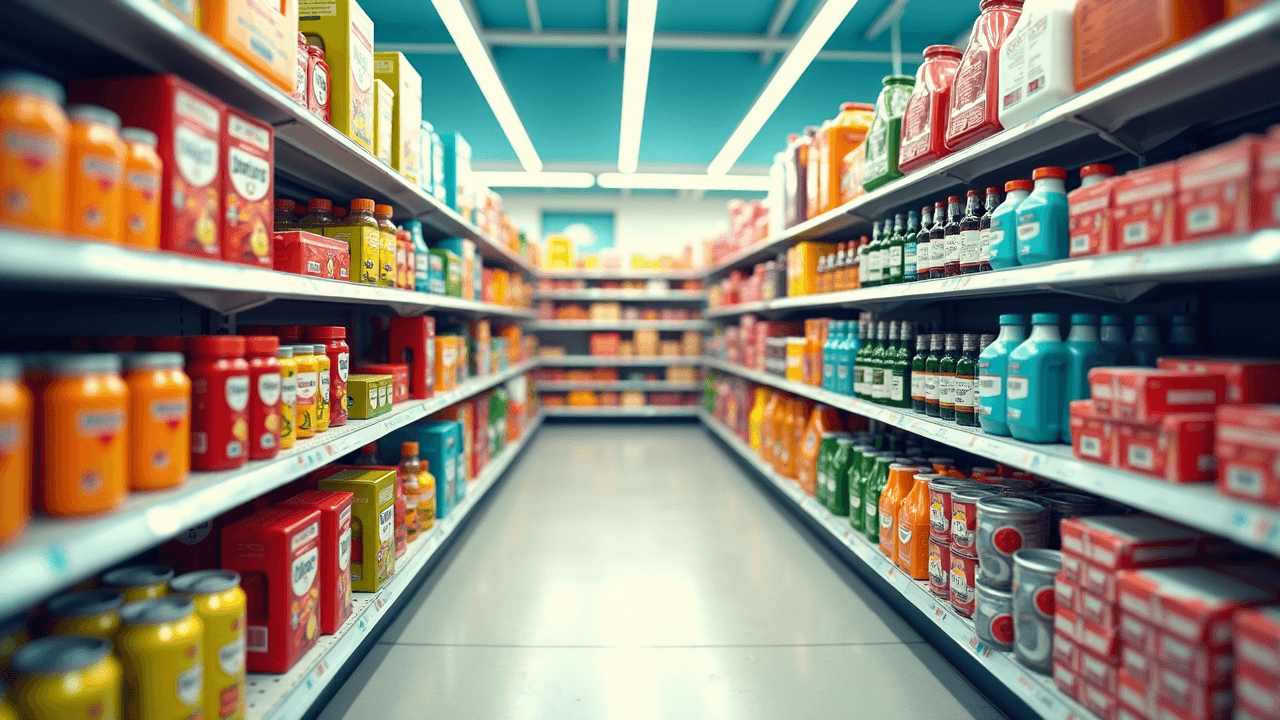
Stay ahead of the game with key retail trends for dollar store owners in 2025. Optimize your business strategy for success in the evolving market.
As we step into 2025, the retail landscape for dollar store owners is undergoing significant transformations. With evolving consumer expectations, emerging technologies, and a heightened awareness of sustainability, this year presents both challenges and exhilarating opportunities for those in the discount retail sector. In an environment where thrifty shoppers are more discerning than ever, staying ahead of the curve is essential for success.
This article will explore the essential retail trends that every dollar store owner should know to thrive in the coming year. From integrating e-commerce strategies to enhancing the customer experience, the insights shared will equip owners with the knowledge needed to adapt and flourish. Let’s dive into these trends that will shape the future of discount retail in 2025! 🌟
The Rise of E-Commerce in Discount Retail
The landscape of retail is transforming rapidly, with e-commerce standing out as a pivotal force behind this change. As consumers increasingly embrace online shopping, discount retailers are recognizing the expansive potential of integrating digital platforms into their business strategies. This rise is not merely a trend; it’s a significant evolution that reshapes how consumers access products and engage with brands. Let’s delve into how discount retailers are navigating this new era by integrating online and offline sales, along with strategies they are employing to compete with their online counterparts.
Integration of Online and Offline Sales
To thrive in the digital age, discount retailers are working to create a seamless shopping experience that combines both online and offline channels. This hybrid model encourages customers to shop in whatever way they prefer, enabling retailers to capture a broader audience. Key aspects of this integration include:
- Click-and-Collect Options: Many discount stores are adopting click-and-collect services, allowing customers to order online and pick up their purchases in-store. This not only drives foot traffic but also enhances customer convenience. 🛍️
- Unified Inventory Management: Maintaining a single inventory across platforms helps ensure that customers have real-time access to what’s available. This approach reduces the chances of overselling and boosts customer satisfaction.
- In-Store Digital Touchpoints: Retailers are increasingly installing digital kiosks and mobile apps that allow customers to browse online product selections while in-store. This bridges the gap between physical and online shopping experiences.
Retailers like Dollar General and Aldi exemplify this integration by offering user-friendly websites and mobile applications that enhance the shopping experience, making it easier for customers to compare prices and find deals from the comfort of their homes.
Strategies for Competing with Online Retailers
As e-commerce giants continue to dominate the discount retail sector, traditional stores must devise effective strategies to remain competitive. Here are several key tactics they are employing:
- Enhanced Customer Experience: By focusing on exceptional customer service, discount retailers can establish a loyal customer base. Personalization through tailored recommendations and loyalty programs strengthens the customer relationship.
- Price Match Guarantees: Offering to match or beat competitor prices can entice online shoppers to choose in-store purchases, providing additional value that online options might lack.
- Community Engagement: Emphasizing local connections and community support can differentiate discount retailers from online competitors. Organizing local events or promoting local products fosters a sense of community while appealing to consumers’ growing preference for shopping local.
Discount retailers are evolving to meet the challenges posed by the e-commerce boom, illustrating resilience and adaptability in an ever-changing landscape. 🌟 By effectively integrating online and offline strategies, they are carving out their niche in the retail market, ensuring that they not only survive but thrive in this digital age.
Sustainability and Eco-Friendly Products
The growing shift towards sustainability and eco-friendly products has revolutionized consumer markets across the globe. As individuals become increasingly aware of environmental concerns, businesses are adapting their strategies to align with these eco-conscious preferences. This article delves into the intricate landscape of sustainable goods, exploring consumer preferences and effective sourcing strategies that prioritize environmental integrity.
Consumer Preferences for Sustainable Goods
Today’s consumers are more informed than ever, and their preferences reflect a strong desire for products that are not only high-quality but also environmentally responsible. According to various surveys, a notable percentage of shoppers, especially millennials and Gen Z, prioritize sustainability when making purchasing decisions.
Some key trends in consumer preferences include:
- Transparency: Shoppers appreciate brands that openly share their sourcing and manufacturing practices.
- Local Sourcing: Many consumers prefer products made from local materials, supporting community economies and reducing carbon footprints.
- Eco-Certifications: Products that carry certifications such as Fair Trade, USDA Organic, and Carbon Trust are more appealing to environmentally-minded buyers.
🌱 Quote: “The most successful brands will be those that prioritize sustainability, not just as a marketing tactic, but as a core value.”
Incorporating these preferences into business strategies not only enhances customer satisfaction but also fosters brand loyalty. Consumers are more likely to become brand advocates when they feel aligned with a company’s environmental initiatives.
Strategies for Sourcing Eco-Friendly Products
For businesses aiming to embrace sustainability, sourcing eco-friendly products involves a strategic approach that encompasses a variety of practices. Here are effective strategies companies can adopt:
| Strategy | Explanation |
|---|---|
| Evaluate Suppliers | Conduct thorough assessments of suppliers to ensure they abide by sustainable practices. Consider factors such as their waste management, resource use, and ethical labor practices. |
| Invest in Green Materials | Opt for renewable and recyclable materials to lower environmental impact. Examples include bamboo, recycled plastics, and organic fabrics. |
| Implement Circular Economy Models | Encourage practices that allow for product reuse or recycling. This not only reduces waste but can also differentiate a brand in the marketplace. |
Furthermore, companies can benefit from collaborating with sustainability consultants who offer expertise in implementing eco-friendly practices throughout the supply chain. Establishing partnerships with like-minded organizations can also expand market reach while reinforcing commitment to environmental stewardship.
Sourcing eco-friendly products is not merely a trend; it is a necessary evolution in the marketplace that resonates with an increasingly conscientious consumer base. By adopting effective strategies, businesses can not only reduce their ecological footprint but also cultivate a loyal customer base that values their mission and practices.
With the rise of sustainability, companies must evolve and adapt, paving the path toward a greener future together with their consumers. 🌍
Technological Advancements in Retail
The retail landscape is evolving at an unprecedented pace, largely influenced by groundbreaking technological advancements. As consumers increasingly turn to digital platforms, retailers are leveraging innovations to enhance customer experiences, streamline operations, and improve overall efficiency. This article delves into two of the most significant trends shaping the retail sector today: the use of AI and machine learning, along with the implementation of contactless payment systems.
Use of AI and Machine Learning
Artificial Intelligence (AI) and machine learning are revolutionizing the retail industry, transforming the way businesses understand and engage with their customers. These technologies are not just futuristic concepts—they are integral to modern retail strategies.
- Personalized Customer Experiences: AI algorithms analyze vast amounts of data to understand consumer behavior, preferences, and buying patterns. Retailers can then offer tailored recommendations, ensuring that customers receive personalized shopping experiences that lead to higher satisfaction and loyalty.
- Inventory Management: Machine learning models can predict trends in demand, allowing retailers to manage inventory more efficiently. This reduces the risk of overstocking or stockouts, ultimately enhancing profitability.
- Chatbots and Virtual Assistants: Retailers are deploying AI-powered chatbots to provide 24/7 customer service. These virtual assistants handle inquiries, guide purchases, and even assist in post-sale support, thus improving overall customer engagement.
Take, for example, a popular fashion retailer utilizing AI to track customer preferences dynamically. By analyzing data from past purchases and browsing habits, the retailer can suggest outfits that align with an individual customer’s style, making shopping not just easier but also more enjoyable.
Implementing Contactless Payment Systems
With the global shift towards digital transactions, the implementation of contactless payment systems has become crucial in the retail sector. The rise of mobile wallets and NFC-enabled devices is changing how consumers conduct transactions, enhancing both convenience and security.
- Speed and Efficiency: Contactless payments significantly reduce transaction times, allowing customers to complete purchases quickly. This is particularly advantageous during busy shopping seasons or peak hours, helping retailers manage long lines and improve the overall shopping experience.
- Health and Safety: The recent global pandemic has heightened consumers’ awareness of hygiene. Contactless payments minimize physical contact, reassuring customers about their safety. This trend is likely to persist as health and wellness continue to be top priorities for consumers.
- Broader Access: As more customers embrace digital banking, retailers implementing contactless systems open their doors to a broader audience. This inclusivity not only drives sales but also fosters loyalty among tech-savvy customers.
An interesting insight from the field shows that several retailers reported a significant increase in transactions due to the convenience of contactless payment options. Shoppers appreciate the ease and efficiency these systems provide, leading to more frequent purchases and higher overall spend.
In embracing such technological advancements, retailers are not just adapting to a changing environment but are also proactively shaping the future of shopping. By leveraging AI and machine learning alongside modern payment solutions, they can create seamless, engaging experiences that resonate with the contemporary consumer. As the industry continues to innovate, the possibilities for enhancing retail operations and consumer interactions are virtually limitless.
Customer Experience Enhancement
Personalized Shopping Experiences
In today’s competitive marketplace, enhancing customer experience is essential for businesses aiming to foster loyalty and boost sales. One powerful way to achieve this is through personalized shopping experiences. By utilizing data analytics and customer insights, retailers can create tailored interactions that resonate with their audience. 🛍️
Benefits of Personalized Shopping:
- Increased Engagement: Customers are more likely to engage with brands that understand their preferences. By utilizing past purchase history or browsing behavior, businesses can tailor recommendations to individual tastes.
- Higher Conversion Rates: Personalized marketing strategies can lead to a significant rise in conversions. For example, tailored email campaigns or special offers align with customer interests, encouraging them to complete their purchases.
- Improved Customer Satisfaction: When customers feel seen and appreciated, their overall satisfaction increases, fostering a deeper connection with the brand.
One intriguing approach to personalization involves integrating AI-driven technologies that analyze consumer behavior in real-time. This allows businesses to offer timely assistance or suggestions, enhancing the shopping experience even further. Such advancements not only add convenience but also create a sense of value, making it more likely for customers to return.
To explore this concept in greater depth, consider how various brands leverage technology to enhance their offerings. Brands that adopt a mix of personalized marketing and innovative technology often see a remarkable impact on customer retention and sales growth.
Improving In-Store Navigation
While online shopping has taken center stage, ensuring an enjoyable in-store experience remains crucial. Improving in-store navigation can substantially enhance how customers perceive their shopping journey. 🗺️
Key Strategies for Better Navigation:
- Interactive Store Maps: Utilizing interactive kiosks or mobile apps, customers can easily locate products and navigate through the store without hassle. This technology not only helps in reducing frustration but also saves time.
- Clear Signage: Strategic signage that is easy to read and understand will guide customers efficiently through various sections. Well-planned layouts with designated areas for promotions can pique interest and encourage exploration.
- Staff Training: Empowering staff with knowledge about store layout and product locations ensures they can assist customers effectively. Friendly and informed employees are invaluable in enhancing the shopping experience.
Additionally, implementing technology like augmented reality can bring an exciting dimension to in-store navigation. When customers can use their smartphones to visualize product placement or get additional information on their favorites, it can transform a simple visit into an engaging experience.
Through these improvements in navigation and customer interaction, businesses can build an environment that not only encourages sales but also fosters loyalty and positive word-of-mouth.
Creating exceptional customer experiences—in both personalized shopping and in-store navigation—positions retailers for success, inviting repeat business and building lasting relationships.
Health and Safety Concerns
In today’s retail environment, safety is paramount. By reassessing store layouts, businesses can enhance customer comfort and minimize risks. A thoughtful design can significantly influence how shoppers navigate the space, ensuring their experience is both pleasant and secure.
Key Strategies for Safe Store Layouts
- Clear Pathways: Creating wide aisles helps prevent crowding and allows easy navigation, particularly in emergencies.
- Designated Zones: Establish specific areas for high-traffic items or in-store promotions. This keeps customer flow organized and reduces potential bumping or collisions.
- Visibility Enhancements: Proper lighting and open sightlines can deter accidents. Ensuring that all corners and walkways are well-lit and easily seen contributes to an overall safer atmosphere.
- Signage: Clear, visible signage can help guide customers while reminding them to adhere to safety protocols, like maintaining social distance where necessary.
By prioritizing safety within the physical space, businesses demonstrate a commitment to their customers, which can enhance loyalty and foster a sense of trust.
Implementing Hygiene Practices
Hygiene is critical to reassuring customers that their safety is a priority. Retailers must adopt stringent hygiene practices to create a cleaner, safer shopping environment.
Essential Hygiene Protocols
- Regular Cleaning: Establish a routine for sanitizing high-touch surfaces, such as door handles, checkout counters, and shopping carts. Using effective cleaning solutions can significantly reduce the spread of germs. 🧼
- Hand Sanitizer Stations: Providing hand sanitizer at various points throughout the store encourages shoppers to maintain cleanliness while browsing.
- Staff Training: Educating employees on hygiene best practices not only ensures a healthier environment but also equips them to communicate these protocols to customers effectively.
- Product Handling: Implement strategies for minimizing direct contact with products, such as encouraging the use of gloves or offering self-service checkouts to limit physical interaction.
Prioritizing hygiene fosters a culture of care and responsibility. Customers who feel secure in their shopping environment are more likely to return, knowing their health and safety are considered. Through adaptive layouts and comprehensive hygiene strategies, businesses can navigate the evolving landscape of consumer expectations effectively.
Trends in Product Offerings
Growth of Private Labels
In recent years, the retail landscape has witnessed a remarkable increase in the growth of private labels. Retailers are seizing the opportunity to develop their own brands, which has led to a compelling shift in consumer buying behavior. These in-house brands often provide comparable quality to national brands at a more attractive price point.
Key factors behind the rise of private labels include:
- Cost-Effectiveness: Retailers can control manufacturing and pricing, offering consumers better value without sacrificing quality. 🛍️
- Brand Loyalty: As consumers become more familiar with private labels, they often develop a sense of loyalty towards these brands, similar to that of traditional brands.
- Diverse Offerings: Private labels are increasingly expanding their portfolios to include various product categories, appealing to a wider demographic.
As customers become more quality-conscious, they are more willing to explore and trust private labels, thus reshaping the competitive dynamics of the market. This trend not only reflects changing consumer preferences but also encourages retailers to innovate and differentiate their product offerings.
Integration of Trendy and Seasonal Items
Another powerful trend shaping product offerings is the seamless integration of trendy and seasonal items into retail assortments. This practice allows retailers to keep their inventories fresh and appealing to consumers who are always looking for the next big thing.
Consider the following aspects driving this trend:
- Responsive Product Development: Retailers are adopting agile supply chain strategies, enabling them to respond quickly to shifting trends and seasonal demands. 🌱
- Enhanced Consumer Experience: By incorporating trendy items, retailers not only cater to current consumer interests but also create a shopping experience that feels dynamic and exciting.
- Strategic Promotions: Seasonal items provide excellent opportunities for limited-time promotions and exclusive releases, driving customer urgency and engagement.
The successful integration of these products encourages repeat visits as customers eagerly anticipate new arrivals, further fueling brand loyalty. Retailers focusing on trendy and seasonal items position themselves advantageously in the ever-evolving marketplace, capitalizing on consumer excitement and engagement.
With these insights into the growth of private labels and the incorporation of trendy items, it’s clear that adaptive strategies are crucial for retailers looking to thrive in today’s competitive environment. By understanding these trends, businesses can craft offerings that resonate with consumers, ensuring relevance and sustained interest.
Emerging Market Demographics
In today’s fast-paced global economy, the demographics of emerging markets are evolving at an unprecedented rate. As countries develop, shifts in consumer profiles start to emerge, revealing a tapestry of preferences and behaviors that demand attention. Increasingly, businesses are recognizing that to stay competitive, they must adapt to these changing dynamics.
Key Factors Driving Consumer Change:
- Urbanization: As urban areas expand, they bring an influx of people seeking better opportunities. This leads to an increase in disposable income and a shift in purchasing power, often resulting in a surge in demand for diverse products and services. 🏙️
- Digital Adoption: The rise of technology has transformed how individuals interact with brands. More consumers in emerging markets are shopping online, seeking products and services via mobile apps, and embracing digital payment methods.
- Diverse Age Groups: The millennial and Gen Z populations are now significant consumers in many emerging markets. They are not only tech-savvy but also socially conscious, favoring brands that align with their values. This generational shift influences market trends and purchasing behaviors.
Emerging Trends to Watch:
- Sustainability: There’s a growing preference for eco-friendly products. Brands focusing on sustainability can resonate deeply with consumers in emerging markets.
- Health Consciousness: As awareness around health and wellness increases, consumers are shifting towards brands that prioritize nutritious offerings. 🍏
- Local Tastes: Traditional foods and local flavors are gaining popularity as consumers crave authenticity in the brands they choose.
Recognizing these changes in consumer profiles is essential for businesses aiming to penetrate and thrive in emerging markets. The landscape is rich with opportunities for those willing to tailor their strategies accordingly.
Targeting New Demographics Effectively
To effectively target the new demographics emerging in dynamic markets, businesses must leverage data analytics and market research. This approach allows them to create customized strategies that resonate with diverse consumer segments.
Strategies for Success:
- Data-Driven Insights: Understanding customer preferences through analytics enables brands to offer personalized experiences and products that cater to the specific needs of different demographics.
- Cultural Sensitivity: Businesses must appreciate the cultural nuances of emerging markets. This translates to marketing strategies that respect local traditions while promoting global brand messages.
- Collaborations and Partnerships: Forming alliances with local influencers and organizations can enhance market penetration. Local ambassadors can lend credibility and familiarity to brands entering new territories. 🌍
- Flexible Product Offerings: Companies can benefit from offering customizable products or services that cater to the unique tastes and needs of local consumers, ensuring that they feel valued and understood.
- Engaging Digital Channels: Leveraging social media platforms and mobile marketing can significantly improve engagement with younger consumers who dominate the digital space.
By utilizing these targeted strategies, companies can maximize their impact in emerging markets, fostering loyalty and driving growth. As demographics continue to shift, staying ahead of the curve will be essential for long-term success in these vibrant, evolving markets.
Understanding these emerging trends and adapting marketing strategies accordingly will ensure businesses not only survive but thrive in this ever-changing landscape. 📈
Conclusion
Navigating the evolving landscape of retail in 2025 requires dollar store owners to stay informed and flexible. By embracing trends in e-commerce, sustainability, technology, and customer experience, they can not only adapt but thrive in a competitive market.
With the right support and resources, such as those offered by Four Seasons General Merchandise, store owners can find a diverse range of products to meet their customers’ changing needs. Utilizing strategic sourcing and innovative solutions will empower them to turn challenges into opportunities. 💪
Frequently Asked Questions
- What are the key retail trends for dollar stores in 2025?
Key retail trends for dollar stores in 2025 include increased focus on sustainability, integration of e-commerce, personalized shopping experiences, mobile payment options, and the expansion of private-label products.
- How can dollar store owners adapt to changing consumer preferences?
Dollar store owners can adapt by conducting market research, offering a diverse product range, emphasizing customer service, investing in marketing strategies, and embracing technology to enhance the shopping experience.
- What role does e-commerce play in the future of dollar stores?
E-commerce plays a significant role in the future of dollar stores by allowing owners to reach a wider audience, provide convenience through online shopping, and offer click-and-collect services, which can drive in-store traffic.
- How important is sustainability for dollar store consumers?
Sustainability is increasingly important to consumers, and dollar store owners should focus on sourcing eco-friendly products, reducing waste, and promoting sustainable practices to attract environmentally conscious shoppers.
- What marketing strategies should dollar store owners consider in 2025?
Dollar store owners should consider leveraging social media marketing, engaging in local community events, utilizing loyalty programs, and personalized promotions to enhance customer engagement and boost sales.
