
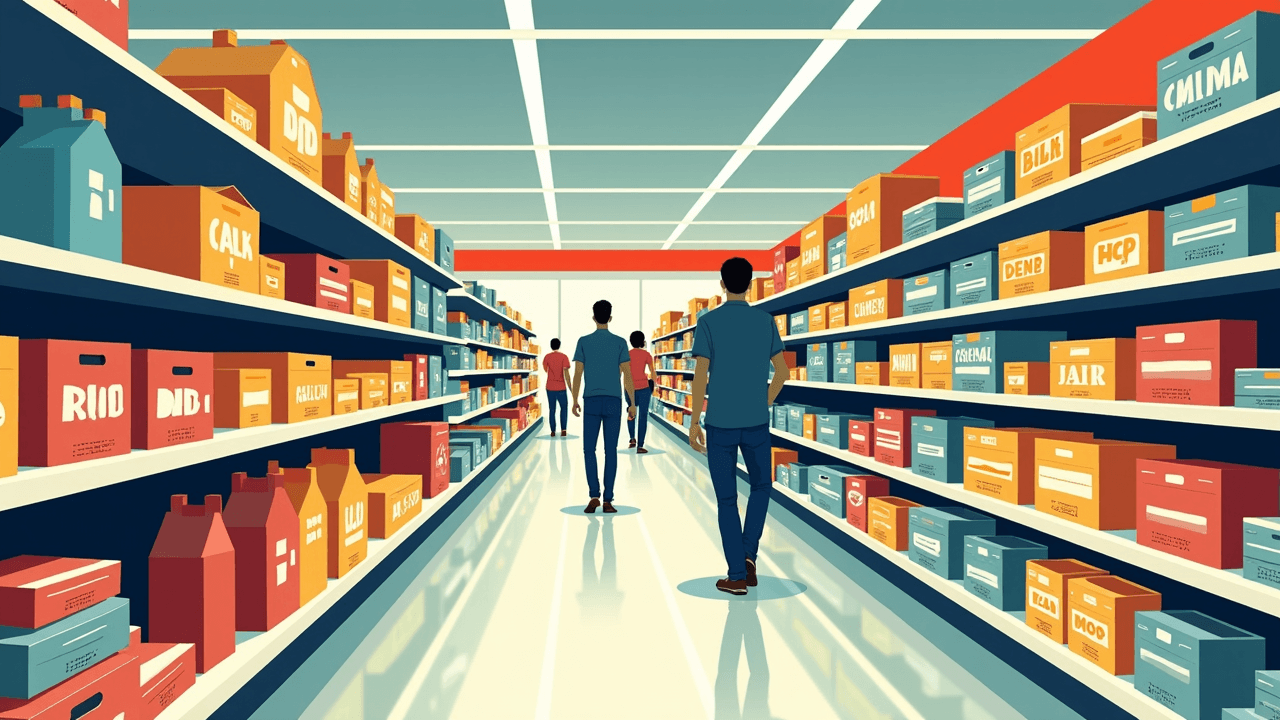
Learn effective bulk purchasing strategies to maximize savings for your dollar store. Cut costs and boost profits with smart buying.
In today’s competitive retail landscape, dollar store owners are continually seeking innovative ways to maximize profits while minimizing expenses. One highly effective strategy that has gained traction in recent years is bulk purchasing. By buying in larger quantities, retailers can enjoy significant savings, ensuring that they offer attractive prices to their customers. But how can dollar store owners effectively implement bulk purchasing to save money and drive growth in their businesses?
This article delves into the nuances of bulk purchasing, providing insights on how to identify the right products, find reliable suppliers, analyze costs, manage inventory, and employ marketing strategies that resonate with customers. From understanding the advantages of buying in bulk to navigating the challenges that can arise, this comprehensive guide offers dollar store owners the tools needed to leverage bulk purchasing for long-term success. 😊
Ultimately, adopting a strategic approach to bulk purchasing can lead to increased profitability, enhanced customer satisfaction, and a thriving dollar store enterprise. Let’s explore how to get started on this journey!
Understanding Bulk Purchasing
Definition of Bulk Purchasing
Bulk purchasing refers to the practice of buying goods or products in large quantities, often at a reduced price per unit. This method is commonly utilized by businesses, organizations, and even individual consumers who wish to maximize their savings. The concept extends beyond merely acquiring a high volume of items; it also encompasses the strategic planning involved in selecting the right products and suppliers.
In essence, bulk purchasing can be classified into two main types:
- Wholesale Buying: Typically involving business transactions where large quantities are purchased directly from manufacturers or wholesalers. This is common in retail.
- Consumer Bulk Buying: Often seen in household settings where individuals buy in bulk from warehouse clubs or retailers specializing in large quantities for personal use.
With increasing digital platforms easing access to bulk purchases, it has become an appealing option for a wide range of consumers.
Advantages of Buying in Bulk
Purchasing products in bulk offers a multitude of benefits that can lead to significant savings and operational efficiencies. Here’s a closer look at some of the most compelling advantages of bulk purchasing:
- Cost Savings: One of the primary benefits of buying in bulk is the reduced price per unit. Suppliers often provide substantial discounts for bulk orders, translating to lower costs for buyers.
- Reduced Packaging Waste: Buying larger quantities often means less packaging material compared to purchasing many smaller units. This eco-friendly approach helps reduce environmental impact, making bulk purchasing a greener option. 🌍
- Increased Supply Stability: For businesses, having a larger inventory can ensure that operations run smoothly without interruptions. This is particularly essential in industries with fluctuating demand.
- Convenience: Buying in bulk often results in fewer trips to the store, saving both time and effort for busy individuals and business owners.
- Better Product Variety: Some bulk suppliers offer a wider range of products, allowing for more diverse stock options, which can attract more customers.
- Encourages Long-Term Planning: By committing to bulk purchases, businesses often engage in better forecasting and planning, helping them stay ahead of market trends.
Bulk purchasing is not without its challenges, however. It requires careful consideration of storage space, inventory management, and product expiration dates. Nonetheless, when approached wisely, the benefits can far outweigh the potential downsides.
In essence, understanding bulk purchasing allows individuals and businesses to harness the full potential of their purchasing power, making it a strategy worth considering.
Identifying Products for Bulk Purchase
When it comes to identifying products for bulk purchase, the right approach can significantly enhance a business’s profitability and operational efficiency. By understanding market trends and customer demands, businesses can stock up on items that not only sell well but also often ensure a better price point. This article explores best-selling categories, seasonal products, and the distinction between essentials and non-essentials, offering insights that can streamline the purchasing process.
Best-Selling Categories
Choosing products that consistently perform well is paramount in bulk buying. The following categories have shown to be reliable:
- Food and Beverages: This category often sees steady demand, especially staples like canned goods, snacks, and bottled beverages. 🍫
- Health and Beauty Products: Items such as skincare, haircare, and personal hygiene products tend to have a loyal customer base, making them a lucrative option for bulk buying.
- Cleaning Supplies: With a growing focus on hygiene, products like disinfectants and all-purpose cleaners remain in high demand across households and businesses. 🧼
- Office Supplies: As remote work and office environments evolve, bulk purchasing of essential office supplies such as paper, pens, and printer cartridges can yield significant cost savings.
Several businesses have successfully thrived by focusing on these categories, often gaining a competitive edge through strategic bulk purchasing.
Seasonal Products
Timing is everything when it comes to seasonal products. Understanding the seasonal shifts in consumer behavior can lead to more calculated purchases:
- Holiday Decorations: Items related to major holidays like Christmas, Halloween, and Thanksgiving typically see a spike in demand. 🎃
- Seasonal Clothing: Retailers can benefit from bulk orders of winter coats or summer apparel, aligning their stock with the changing seasons.
- Festive Food Items: Special treats and snacks linked to holidays often experience increased popularity, presenting an opportunity for bulk purchase.
Businesses that plan their inventory around these seasonal trends can effectively maximize profit margins by purchasing items when they are trending but before they become scarce.
Essentials vs. Non-Essentials
Understanding the difference between essentials and non-essentials is crucial when making bulk purchasing decisions. Essentials are items that consumers need regularly, while non-essentials are often seen as luxuries or optional purchases. Here’s how to distinguish the two effectively:
| Classification | Examples | Purchase Strategy |
|---|---|---|
| Essentials | Groceries, toiletries, cleaning products | Stock regularly, aim for high inventory turnover |
| Non-Essentials | Gadgets, luxury items, trendy fashion | Purchase strategically, consider seasonal trends |
Prioritizing essentials in bulk enables businesses to ensure they are never out of stock on the items consumers need most. However, selectively purchasing non-essentials during peak times can also yield significant benefits, as customers may be more inclined to splurge on these items.
Taking the time to analyze these categories, seasonal influences, and the essentials versus non-essentials dynamic can pave the way for informed decisions. With a robust understanding of the market, businesses are in a better position to identify the best products for bulk purchase, ensuring growth and stability in an ever-changing marketplace. Embracing these strategies can ultimately lead to a more efficient inventory management process while simultaneously driving sales. 🌟
Finding Reliable Suppliers for Bulk Purchases
When it comes to sourcing products for resale or internal use, finding reliable suppliers is crucial for maintaining quality and ensuring timely delivery. Bulk purchases often require careful consideration, as they can significantly impact a business’s bottom line. In this guide, we will dive into the key aspects of evaluating suppliers, negotiating prices, and establishing long-term relationships that can result in successful partnerships.
Evaluating Suppliers
A solid foundation starts with thorough research to evaluate potential suppliers. Here are some criteria to consider when assessing their reliability:
- Reputation: Investigate reviews, ratings, and testimonials from other businesses. A supplier with a positive reputation is likely to deliver quality products consistently.
- Experience: Look at the supplier’s history in the industry. Experienced suppliers often better understand market dynamics and can offer reliable advice.
- Certifications: Verify any relevant certifications. These may include quality assurance standards or industry-specific credentials, ensuring the supplier meets necessary regulations.
- Financial Stability: Assess the supplier’s financial health. A financially stable supplier is less likely to face disruptions that could impact delivery timelines or quality.
- Communication: Effective communication is essential. Suppliers who are responsive and clear in their communication typically foster better business relationships.
To make informed decisions, businesses can leverage platforms that aggregate supplier information and provide insights into their stability and trustworthiness.
Negotiating Prices
Once potential suppliers have been evaluated, the next critical step is to negotiate prices that align with your budget while ensuring quality standards are maintained. Here are several tactics to consider:
- Understand Market Rates: Before entering negotiations, research market prices for similar products. This knowledge provides leverage during discussions.
- Volume Discounts: Emphasize your bulk buying capacity. Many suppliers are willing to offer discounts on large orders, which can significantly reduce costs.
- Flexible Payment Terms: Discuss payment options that benefit both parties. Offering to pay upfront or within shorter periods sometimes encourages suppliers to provide better pricing.
- Build Rapport: Engage in relationship-building during negotiations. A friendly, respectful approach can facilitate better deals and enhance long-term cooperation.
Effective negotiation should be approached with the recognition that both parties benefit from a fair deal. This can lead to an enduring partnership that pays off beyond the immediate transaction.
Establishing Long-Term Relationships
Building long-lasting relationships with suppliers can create a more stable supply chain and open up future opportunities for collaboration. Here’s how to nurture these relationships:
- Consistent Communication: Maintain regular contact, even outside of purchasing discussions. Share updates about your business and inquire about their operations.
- Feedback Loop: Provide constructive feedback on product quality and delivery. This not only shows that you value their service but also helps improve their offerings.
- Flexibility and Understanding: Suppliers may encounter their own challenges. Being understanding during difficult times can strengthen bonds and lead to mutual support.
- Long-Term Contracts: Consider entering into long-term agreements for consistent terms. This can provide cost benefits and assure a steady supply of goods.
By prioritizing relationship-building, businesses can secure dedicated support from suppliers and potentially unlock preferred pricing and priority service, ensuring smoother operations and enhanced business continuity.
Taking the time to carefully evaluate suppliers, negotiate effectively, and cultivate long-term partnerships lays the groundwork for successful bulk purchasing strategies. Building a trustworthy supply network ultimately contributes to a business’s resilience and capability to thrive in a competitive market. 🌟
Cost Analysis of Bulk Purchasing
Bulk purchasing is an increasingly popular strategy among businesses looking to save money and optimize their operations. By buying in larger quantities, companies can often negotiate better prices, reduce shipping costs, and streamline their inventory management. However, it’s essential to conduct a thorough cost analysis to assess the true value of bulk purchasing compared to traditional methods. This analysis encompasses various factors, including initial investment, long-term savings, total cost of ownership, and its impact on cash flow.
Initial Investment vs. Long-Term Savings
When considering bulk purchasing, businesses must evaluate the initial investment against potential long-term savings. Here are some key points to ponder:
- Higher Upfront Costs: Bulk purchases typically require a larger initial outlay of cash, which can strain finances, especially for small businesses.
- Discounted Pricing: Vendors often offer substantial discounts for bulk orders. For instance, purchasing a year’s supply of supplies may save a company up to 20-30% compared to purchasing monthly.
- Storage Costs: Increased inventory levels can lead to higher storage costs, including warehousing, insurance, and maintenance. Thus, it’s crucial to calculate if the savings from bulk purchasing outweigh these additional expenses.
- Shelf-Life Considerations: Companies must take into account the perishable nature of some goods. Inventory may go to waste if not managed correctly, diminishing potential savings.
By closely analyzing these factors, businesses can make informed decisions regarding bulk purchasing that align with both their financial objectives and operational efficiency.
Calculating Total Cost of Ownership
Another excellent way to understand the financial implications of bulk purchasing is through the calculation of the Total Cost of Ownership (TCO). This concept goes beyond the purchase price to include other costs associated with a product or service. Key aspects to consider include:
| Cost Factor | Details |
|---|---|
| Purchase Price | The initial cost of the bulk items. |
| Storage Costs | Expenses related to warehousing and logistics. |
| Maintenance Costs | Costs tied to upkeep and preservation of goods. |
| Disposal Costs | Expenses involved in disposing of expired or unused items. |
| Operational Disruption | Downtime or inefficiencies caused by managing excess inventory. |
Understanding the TCO provides a holistic view of the financial implications and helps businesses gauge whether bulk purchasing is a financially sound strategy.
Impact on Cash Flow
Cash flow management is a critical aspect of any business operation, and bulk purchasing significantly influences this financial aspect. Here’s how:
- Cash Outflow: The immediate cash outflow can affect liquidity, as purchasing inventory in bulk often meant tying up money that could be used elsewhere.
- Predictability: Bulk buying can lead to predictable cash flows if set up correctly, since it allows for consistent inventory levels and reduces the frequency of reordering.
- Vendor Relationships: By establishing long-term relationships with vendors through bulk purchasing agreements, businesses may negotiate better payment terms, assisting in managing cash flow effectively.
- Seizing Opportunities: With the capital saved from discounts on bulk orders, companies can invest in growth opportunities, marketing, or expanding product lines without immediate financial strain.
Through a careful assessment of these factors, businesses can not only enhance their purchasing strategies but also improve their overall financial health and stability. Bulk purchasing, though requiring a detailed analysis of costs, can be a highly beneficial approach for long-term savings and operational efficiency.
Storage and Inventory Management for Bulk Purchases
When it comes to bulk purchases, efficient storage and inventory management are essential for maximizing cost savings and minimizing waste. With proper systems in place, businesses can streamline their operations, improve inventory turnover, and ensure they make the most out of their investment.
Organizing Inventory Efficiently
A well-organized inventory system can significantly enhance storage capacity and accessibility. Here are some effective strategies for organizing bulk inventory:
- Categorization: Divide products into categories based on their type, size, or usage. This allows for easier identification and retrieval.
- Labeling: Clear labeling of shelves and goods can save time and reduce errors during picking operations. Consider color-coding labels for quick visual reference. 🌈
- Utilizing Vertical Space: Make use of vertical space by installing shelving units or pallet racking. This helps in maximizing the use of available storage area, especially in smaller facilities.
Implementing these practices not only improves inventory visibility but also reduces time spent searching for items, allowing staff to focus on more critical tasks.
Preventing Overstock and Spoilage
Managing the fine balance between having enough stock and avoiding overstock is crucial for maintaining profitability. Here are key tips to prevent overstock and spoilage:
- Regular Auditing: Conducting regular inventory audits helps identify slow-moving items and enables businesses to adjust their purchasing strategies accordingly.
- First In, First Out (FIFO): Adopt the FIFO method to ensure older stock is sold before newer arrivals. This is particularly important for perishable goods to minimize spoilage. 🥦
- Demand Forecasting: Analyzing historical sales data can help predict demand trends, allowing for more accurate ordering. This reduces the likelihood of ordering excess stock.
By focusing on these areas, businesses can effectively manage their stock levels and reduce waste, leading to better resource utilization.
Tracking Usage and Replenishment
Efficient tracking of inventory usage and timely replenishment is vital for maintaining optimal stock levels. Implementing technology can greatly enhance this process:
- Inventory Management Software: Utilizing software tools allows for real-time tracking of stock levels and consumption rates, facilitating timely reordering and minimizing risks of stockouts. 📦
- Automated Alerts: Setting up alerts for low stock levels can prompt timely replenishment. This ensures that businesses never run out of critical supplies and can maintain smooth operations.
- Regular Performance Reviews: Periodically reviewing inventory performance provides insights into which items sell faster and which do not, enabling better decision-making for future bulk purchases.
These tracking and replenishment strategies not only enhance operational efficiency but also lead to reduced costs and improved customer satisfaction.
Incorporating these practices into bulk purchasing and storage strategies can lead to sustainable growth and enhanced operational efficiency in any business. With the right management, companies can navigate the intricacies of inventory effectively, ensuring profitability while
Marketing Strategies for Bulk Purchased Items
Effective marketing strategies for bulk purchased items are essential in drawing in customers and maximizing sales. When promoting bulk items, marketers should focus on creating a narrative that highlights the benefits, offers discounts, and utilizes visual displays to engage and attract shoppers. Let’s delve into some key strategies below.
Promoting Discounts on Bulk Items
Offering discounts on bulk purchases is a proven method to encourage customers to buy more. By showcasing price reductions clearly, retailers can create a sense of urgency and excitement.
- Percentage Off: Use attractive percentage discounts, such as “Buy 3, Get 20% Off!” 🛒 This not only makes customers feel like they are getting a great deal but also encourages them to buy more than they initially intended.
- Loyalty Rewards: Introduce a loyalty program where customers earn points for every bulk purchase. They can redeem these points for future discounts, which fosters repeat business.
- Limited-Time Offers: Create urgency with limited-time bulk discounts. Phrases like “Flash Sale on Bulk Items – Today Only!” can motivate hesitant shoppers to buy quickly.
A well-executed discount strategy not only increases the volume of items sold but builds customer loyalty over time.
Highlighting Value to Customers
It’s crucial to communicate the value customers receive when purchasing in bulk. By focusing on the benefits, marketers can attract a loyal customer base.
- Long-Term Savings: Educate customers about the cost-effectiveness of buying in bulk. Sharing that bulk purchases reduce the price per unit can encourage savvy shoppers to invest more.
- Convenience: Emphasize the convenience of buying bulk, such as fewer shopping trips or saving time. For example, stockpiling non-perishable items means less frequent visits to the store.
- Eco-Friendliness: Today’s consumers are increasingly eco-conscious. Promote bulk buying as a sustainable choice by highlighting reduced packaging waste 🌍.
Through targeted messaging, marketers can efficiently convince consumers that bulk purchases offer substantial long-term value.
Using Store Displays Effectively
Visual appeal plays a critical role in how customers perceive bulk items. Retailers need to leverage store displays to optimize visibility and encourage impulse buys.
- Eye-Catching Arrangements: Organize bulk items aesthetically. Use tiered shelving to create depth and interest, making items look more inviting and accessible.
- Signage and Messaging: Clear signage that communicates benefits and discounts can capture customers’ attention. Use bold fonts and bright colors to highlight key information.
- Interactive Displays: Consider incorporating interactive elements such as sample stations or tasting booths, depending on the product. This engagement can significantly drive interest and promote trial purchases.
A well-executed store display can not only attract more foot traffic but also enhance the overall shopping experience, leading to increased sales in bulk items.
Emphasizing discounts, communicating value, and utilizing effective store displays can create a cohesive marketing strategy for bulk purchased items. These practices not only meet the needs of customers but also foster a fruitful retail environment where bulk buying becomes a common and rewarding choice.
Challenges of Bulk Purchasing
Bulk purchasing, while often touted for its potential cost savings and efficiency, can present several significant challenges for businesses. Understanding these hurdles is crucial in strategizing approaches that help mitigate risks associated with large-scale acquisitions. Let’s delve into some of the primary challenges faced by companies engaging in bulk purchasing.
Cash Flow Management
One of the foremost difficulties in bulk purchasing is maintaining effective cash flow management. When organizations commit to purchasing large quantities of goods, especially at once, the immediate financial impact can be profound.
- Upfront Costs: Bulk buying typically requires a large initial investment, which can strain cash reserves and lead to cash flow disruptions if not planned carefully.
- Budgeting Challenges: Accurate budgeting becomes essential, as a significant outlay might limit the funds available for other operational costs.
- Delayed Returns: The return on investment may not be realized immediately, leading to periods of financial tightness.
Efficient cash flow management strategies are essential for businesses to navigate these impacts while reaping the benefits of bulk purchases.
Risk of Unsold Inventory
Another critical area of concern is the risk associated with unsold inventory. This risk can diminish the advantages of bulk purchasing considerably.
- Market Demand Fluctuations: Changes in consumer preferences or sudden shifts in demand can leave businesses with excess inventory that they may struggle to sell.
- Carrying Costs: Unsold items often incur storage costs, spoilage, or obsolescence, which can eat into profits. These costs are particularly impactful for perishable goods or technology products that may quickly become outdated.
- Resource Allocation: Excess inventory can tie up resources that could have been allocated more effectively elsewhere, stunting growth potential.
By anticipating market trends and implementing robust inventory management systems, businesses can better navigate this challenge.
Supplier Reliability
Reliability of suppliers can make or break bulk purchasing endeavors. A company may secure a favorable bulk deal, but if the supplier fails to deliver, the repercussions can be significant.
- Dependency on Single Suppliers: Relying heavily on one supplier for bulk purchases can create vulnerabilities; any disruption in their operation can directly impact your inventory levels and ability to serve customers.
- Quality Consistency: There’s also the risk that the quality of products may vary between shipments, which can affect brand reputation.
- Communication and Transparency: Building strong relationships with suppliers and ensuring clear communication is vital for maintaining reliability and trust.
To mitigate these risks, businesses can actively seek out multiple suppliers and establish backup options, ensuring that they maintain a steady flow of goods.
Understanding these challenges is crucial for businesses looking to harness the benefits of bulk purchasing while minimizing potential pitfalls. By developing strategies for managing cash flow, addressing unsold inventory risks, and securing reliable suppliers, they can position themselves for sustained success. 🔍
Conclusion
In wrapping up this exploration, it is evident that the topics covered resonate deeply within today’s dynamic landscape. He understands that the insights gathered here can serve as a cornerstone for informed decisions, whether he is a business professional, a student, or simply someone keen to expand their knowledge.
Throughout the discourse, she highlighted key strategies and actionable tips that empower individuals to navigate challenges effectively. These insights are not merely theoretical but are grounded in practical experience and observed trends.
Key Takeaways:
- Adaptability: Embracing change is crucial; those who can pivot quickly often find success sooner.
- Continuous Learning: Staying informed and enhancing skills leads to personal and professional growth.
- Collaboration: Building networks and fostering teamwork can amplify results and innovation.
Ultimately, they will find that applying these principles will not only enhance their capabilities but also open new avenues for potential and success. 🚀 The journey of knowledge and application continues, urging everyone to take the next steps boldly and confidently.
Additional Resources
When embarking on the journey of bulk purchasing, having access to the right resources can make all the difference. For dollar store owners looking to optimize their inventory purchasing, several avenues are available that can enhance the decision-making process and maximize savings.
Online Wholesale Marketplaces
These platforms are a treasure trove for bulk purchasing. They provide a wide array of products at competitive prices:
- Alibaba: A global giant in online wholesale, offering everything from home goods to electronics.
- Wholesale Central: A user-friendly directory where dollar store owners can find suppliers and products that fit their niche.
- Global Sources: Ideal for connecting with manufacturers and wholesalers, particularly for unique or niche items.
Industry Trade Shows
Attending trade shows offers more than just exposure to new products; it’s an opportunity to network with suppliers, discover market trends, and negotiate deals. Here are a few prominent trade shows:
- National Retail Federation (NRF): Focused on retail innovation and technology.
- Gift Expo: Perfect for finding seasonal and unique gift items.
- Summer and Winter Market Shows: Tailored to gather insights and experiences from various sectors of the dollar store industry.
Participating in these events allows owners to build relationships with wholesalers, gain insights into consumer trends, and negotiate better terms.
Networking with Other Dollar Store Owners
Engaging with fellow dollar store owners provides insights that can’t be found in books or online. Consider joining:
- Local Business Associations: These groups often host events and meetings that facilitate networking.
- Online Forums: Platforms like Reddit or specialized Facebook groups can be great to share experiences and strategies on bulk purchasing.
Networking can provide invaluable tips on supplier reliability, innovative inventory management techniques, and successful marketing strategies for bulk-purchased items.
Equipped with these additional resources, dollar store owners can navigate the bulk purchasing landscape with more confidence, ensuring better pricing and increased profitability. After all, savings in bulk purchasing can translate into significant margins for their business! 💰📦
Frequently Asked Questions
- What is bulk purchasing?
Bulk purchasing is the practice of buying large quantities of items at once, which often results in lower prices per unit compared to buying smaller quantities.
- How can bulk purchasing help save money for a dollar store?
Bulk purchasing can significantly reduce costs by taking advantage of wholesale prices, bulk discounts, and reduced shipping fees, enabling dollar stores to maximize profit margins on products.
- What types of items should I consider buying in bulk for my dollar store?
Consider purchasing non-perishable items, frequently used supplies, seasonal merchandise, and popular dollar store products in bulk to benefit from cost savings and ensure you have adequate stock.
- Are there any risks associated with bulk purchasing for dollar stores?
Yes, risks include overstocking items that may not sell, potential waste from expired goods, and tying up capital in unsold inventory. It’s essential to analyze market trends and customer demand before bulk buying.
- How can I effectively manage inventory after bulk purchasing?
Implement an inventory management system to track stock levels, monitor sales trends, and organize products efficiently. Regularly review inventory to adjust future bulk purchasing decisions based on performance and demand.
