
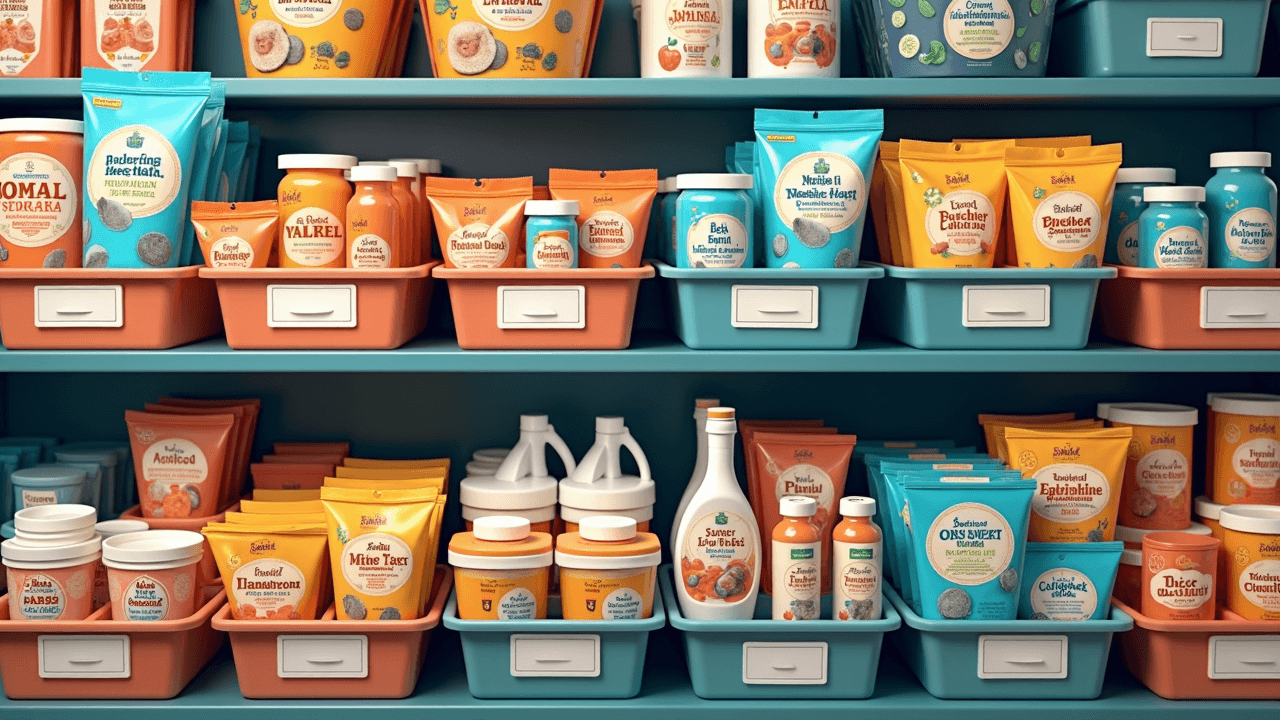
Learn effective strategies to source affordable wholesale products for dollar stores and maximize your profit margins while keeping costs low.
In the dynamic world of retail, dollar stores have emerged as a beloved shopping destination for budget-conscious consumers. This unique shopping environment not only offers products at unbeatable prices but also caters to a diverse audience, from families to students seeking affordable essentials. For aspiring entrepreneurs and seasoned store owners alike, sourcing affordable wholesale products plays a crucial role in maintaining low prices while ensuring quality.
Understanding how to effectively source these products can be the difference between a thriving dollar store and a struggling business. With the right strategies in place, anyone can tap into the vast potential of wholesale goods. This guide will walk you through the essentials of sourcing affordable wholesale products tailored for dollar stores—from identifying reliable suppliers to navigating the intricacies of negotiation and inventory management.
Whether you’re just entering the retail scene or looking to refine your existing supply chain, there’s no doubt that mastering these key aspects will empower you to meet consumer demand while maximizing your profit margins. Let’s delve deeper into the world of dollar store products and uncover the strategies that lead to successful sourcing!
Understanding Dollar Store Products
Dollar stores have become a staple in many communities, attracting consumers with their enticing prices and diverse product offerings. Understanding these products goes beyond just their cost-effective nature; it entails exploring their definitions, popular categories, and the consumer demand that drives their popularity. This insight equips shoppers and businesses alike to make informed decisions in this unique retail landscape.
Definition of Dollar Store Products
Dollar store products are typically inexpensive items that are sold in retail stores at lower price points, often around a dollar or in increments of a dollar. While the term generally refers to various discount retailers, it encompasses a wide range of products, including but not limited to:
- Household Goods: Everyday items like cleaning supplies, kitchenware, and storage solutions. 🧼
- Food and Beverages: Snacks, canned goods, and beverages, often from lesser-known brands.
- Personal Care Products: Items such as toiletries, cosmetics, and health essentials.
- Seasonal Goods: Decorations and accessories that correspond to holidays or seasonal events. 🎃🎄
- Toys and Games: Affordable play options for children and educational materials.
These stores provide an opportunity for consumers to purchase necessary items without straining their budgets, making them increasingly popular among a wide range of demographics.
Popular Categories
The allure of dollar stores lies not just in the bargain prices but in the variety of products offered. Here are some of the most popular categories that consumers frequent:
- Cleaning Supplies: Basic cleaning agents, sponges, and trash bags are major draws for budget-conscious shoppers.
- Party Supplies: From balloons to tableware, dollar stores are go-to sources for those planning celebrations or gatherings.
- Health & Beauty Products: Many shoppers discover that personal care essentials can be found at a fraction of the cost of traditional retailers.
- Craft and School Supplies: Parents and educators often rely on dollar stores for crafting materials and school supplies at unbeatable prices. ✂️
Each of these categories reflects a blend of practicality and affordability, which resonates with consumers looking to maximize the value of every dollar spent.
Consumer Demand Insights
Understanding consumer demand within dollar stores reveals important insights about shopping behaviors and preferences. The ongoing trend towards frugality, especially in uncertain economic times, has intensified the appeal of these retail outlets.
Key Insights:
- Value-Conscious Shopping: Many consumers gravitate towards dollar stores to stretch their budgets, particularly during times of economic uncertainty.
- Convenience: The accessibility of dollar stores, often located in neighborhoods, makes it easy for consumers to shop for everyday necessities.
- Product Quality: There’s a growing perception that many dollar store products are comparable in quality to those found in larger grocery chains, which boosts customer confidence.
- Impulse Purchases: The variety and low prices facilitate spontaneous buying behavior, tempting shoppers to add extra items to their carts. 🛒
By exploring these trends, retailers can better align their product offerings and marketing strategies with the evolving demands of their customer base.
In summary, dollar store products represent a unique sector within the retail market, appealing to consumers’ desire for affordability without sacrificing quality. Understanding their definition, popular categories, and insights into consumer demand can help stakeholders navigate this fascinating retail landscape effectively.
Identifying Reliable Wholesale Suppliers
Finding reliable wholesale suppliers is a pivotal step for businesses looking to streamline their supply chain and maximize profits. Whether one is an emerging entrepreneur or an established brand, selecting the right supplier can foster long-term success. This section explores key elements, ensuring that businesses can confidently step into the world of wholesale procurement.
Types of Wholesale Suppliers
Understanding the different types of wholesale suppliers can simplify the selection process. Here are the most common types:
- Manufacturer Wholesalers: These suppliers produce the goods they sell. By cutting out the middleman, businesses can often secure the best prices.
- Distributor Wholesalers: These suppliers purchase bulk quantities from manufacturers and distribute them to retailers. They typically handle the logistics, making them a convenient option.
- Jobbers: Jobbers operate as intermediaries who buy from both manufacturers and distributors. They can be particularly useful for smaller businesses seeking flexibility in product availability.
- Dropshippers: This model allows businesses to sell products without holding inventory. When a sale is made, a dropshipper sends the goods directly to the consumer, reducing overhead costs.
Researching Suppliers
Conducting thorough research is essential for finding reliable suppliers. Here are proven strategies to enhance the search process:
- Online Directories: Platforms like Alibaba and ThomasNet offer databases of suppliers across various industries. These resources can help one identify potential candidates based on specific needs.
- Trade Shows: Attending trade shows provides firsthand opportunities to meet suppliers, view products, and establish connections. It’s an excellent way to assess the quality of goods and services.
- Networking: Engaging with industry peers can yield valuable recommendations. Fellow entrepreneurs can provide insights based on their personal experiences, which can be quite revealing.
- Social Media Platforms: Many suppliers maintain active profiles on platforms like LinkedIn and Instagram. This helps businesses gauge their professionalism and product offerings through real-time updates and customer interactions.
Evaluating Supplier Reputation
Once potential suppliers are identified, assessing their reputation becomes crucial. A few effective methods include:
- Reviews and Testimonials: Look for feedback from existing customers. Positive reviews can often be found on platforms like Trustpilot or Google Reviews. Engaging with clients on these platforms can disclose vital insights about supplier reliability.
- References: Requesting references from a supplier allows for direct communication with other businesses that have used their services. This can reveal potential red flags or affirm their credibility.
- Certifications and Compliance: Verify if suppliers have necessary certifications, especially if dealing with regulated goods. This assurance ensures that products meet industry standards, protecting the brand’s reputation.
By investing time in researching and evaluating suppliers, one can mitigate risks and cultivate partnerships that drive business growth. With the right approach, finding trustworthy wholesale suppliers is not just a goal; it’s a strategically achievable reality that lays the foundation for success. 🌟
What to Look for in Wholesale Products
When navigating the world of wholesale products, consumers and business owners often find themselves fraught with decisions that can make or break their ventures. Understanding what to look for can streamline the selection process and lead to a more successful purchasing experience. Let’s dive into the core elements that can assist in identifying the best wholesale products for your needs.
Quality Standards
In any industry, quality should be a non-negotiable factor. When sourcing wholesale products, buyers must ensure that the items meet established quality standards. This not only reflects on their brand’s reputation but also affects customer satisfaction. Here are key aspects to consider:
- Material Quality: Assess the materials used in the products. Higher-quality materials typically yield better durability and usability, which can lead to repeat business.
- Certifications and Compliance: Look for products that adhere to industry standards and obtain necessary certifications. These credentials can indicate that the products have been tested for safety and performance.
- Supplier Reputation: Investigate suppliers’ benchmarks, ratings, and reviews. A supplier known for high-quality products can be a valuable asset.
“Quality is not an act, it is a habit.” – Aristotle
Pricing Strategies
Understanding the pricing dynamics in the wholesale market is crucial for making profitable choices. Competitively priced products can enhance margin potential, allowing businesses to thrive. Here are some factors to evaluate:
- Cost vs. Value: Analyze whether the price reflects the product’s quality. Sometimes, lower prices may compromise quality, making them a poor investment in the long run.
- Bulk Discounts: Explore whether suppliers offer scaling discounts based on order size. This can significantly affect overall costs and encourage larger purchases.
- Market Pricing: Keep an eye on competitive pricing within the market. This helps in ensuring that the products remain attractive to potential customers while still making a profit.
📊 Quick Tip: Consider using price comparison tools to constantly monitor and secure the best deals.
Product Trends
Staying ahead of the latest product trends can give businesses a significant edge over competitors. By identifying what’s in demand, they can source products that are not only timely but also popular with consumers. Here’s what to focus on:
- Consumer Preferences: Regularly analyze market reports and surveys that highlight shifting consumer interests and preferences. This insight will guide product selections that resonate with the target audience.
- Innovative Features: Look for products that incorporate new technologies or novel features. These can attract attention and differentiate the offerings in a saturated market.
- Sustainability and Ethics: Observe growing trends towards eco-friendly products and ethical sourcing. Investing in sustainable products can not only appeal to conscientious consumers but also align with global standards.
Adopting a strategic approach to sourcing wholesale products can empower businesses. By emphasizing quality, effective pricing strategies, and staying attuned to product trends, they can build a robust inventory that caters to their audience’s needs while ensuring long-term success.
Methods to Find Affordable Wholesale Products
Finding affordable wholesale products is crucial for anyone looking to make a mark in retail, whether they are established business owners or budding entrepreneurs. Accessing quality products at competitive prices can set the foundation for a thriving business. Here’s a look at some effective methods to find these invaluable wholesale deals.
Online Wholesale Marketplaces
The digital age has transformed how buyers and sellers interact, making online wholesale marketplaces a go-to resource for discovering affordable products.
- Global Reach: Platforms like Alibaba, Wholesale Central, and DHgate offer access to thousands of suppliers worldwide.
- Variety of Products: Shoppers can find everything from clothing and electronics to home goods and specialty items.
- User Reviews: Most platforms feature ratings and reviews, helping buyers assess the reliability of suppliers.
Utilizing these online marketplaces allows businesses to easily compare prices and product quality, leading to more informed purchasing decisions. Not to mention, these platforms often have buyer protection policies, ensuring safer transactions.
Trade Shows and Expos
Attending trade shows and expos is another dynamic method for finding compelling wholesale products.
- Direct Access to Suppliers: Many wholesalers showcase their latest products at these events, providing an opportunity to meet suppliers in person and negotiate prices.
- Networking Opportunities: Engaging with other retailers can lead to partnerships and recommendations that might not be easily found online.
- Educational Sessions: Many trade shows offer workshops focused on market trends and best practices, which can be invaluable for any business owner looking to grow.
Attending such events allows buyers to examine products first-hand and build relationships that can enhance future transactions. Plus, the excitement and energy of the event can be contagious! 🎉
Local Wholesale Distributors
While online options are plentiful, local wholesale distributors offer unique advantages that shouldn’t be overlooked.
- Lower Shipping Costs: Purchasing locally can drastically reduce shipping expenses and delivery times.
- Building Relationships: Establishing a rapport with local distributors can lead to better deals and exclusive offers.
- Product Availability: Local suppliers may offer unique products specific to the area that can appeal to niche markets.
By visiting local wholesale distributors, businesses can tap into their community’s resources while creating a personal touch that can set them apart from larger competitors.
Clearance Sales and Liquidation Auctions
Savvy entrepreneurs know that clearance sales and liquidation auctions can be treasure troves for finding affordable wholesale products.
- Significant Discounts: Items that are being cleared out often come with steep discounts, allowing businesses to stock up for less.
- Unique Finds: Auctions and clearance events can feature one-of-a-kind items that can’t be replicated, giving retailers a unique inventory.
- Networking Potential: Attending liquidation events often puts buyers in contact with suppliers who may offer further discounts for bulk purchases.
These sales and auctions require a discerning eye and a willingness to delve into the unknown, but the potential rewards can be substantial. 🛍️
Uncovering affordable wholesale products is a strategic process, blending online savvy, face-to-face interactions, community engagement, and bold explorations into clearance buys. Each method offers distinct advantages, and a diversified approach can maximize opportunities for success in the retail landscape.
Negotiating with Wholesale Suppliers
Negotiating with wholesale suppliers is a critical skill for businesses that aim to optimize their supply chain while keeping costs in check. Mastering this art not only improves profitability but also fosters long-lasting relationships essential for growth. Let’s explore key strategies that can make all the difference when dealing with suppliers.
Building Rapport
Establishing a solid relationship with wholesale suppliers is fundamental. Building rapport can lead to better terms and a more collaborative approach. Here are some effective ways to connect:
- Open Communication: Regular and transparent communication helps in establishing trust. Share your business goals and how the supplier fits into them.
- Personal Touch: Don’t underestimate the power of a personal connection. Minutes spent on casual conversation can pave the way for success. Leveraging shared experiences or discussing interests can create a more comfortable negotiating environment.
- Respect and Professionalism: Treat suppliers as partners rather than just service providers. A respectful and professional demeanor encourages suppliers to reciprocate, often leading to more favorable terms.
Making your suppliers feel valued fosters loyalty and can lead to better deals, even in competitive situations. 🤝
Volume Discounts
One of the most effective negotiation tactics is discussing volume discounts. The larger the order, the more leverage the business typically has. Here’s how to approach it:
- Research and Compare: Before negotiating, understand what similar businesses pay. Knowledge of market rates allows for informed discussions, providing a foundation for negotiating discounts.
- Show Potential: Emphasize your expected growth and how increasing your order size can benefit the supplier. Suppliers are more likely to agree if they see a potential long-term partnership and stable business.
- Offer a Trial: If unsure about volume capabilities, propose a trial period where the supplier can assess your purchasing reliability. This not only shows commitment but also builds trust.
Ultimately, negotiating volume discounts can lead to significant cost savings, enabling businesses to allocate resources more effectively. 💰
Payment Terms
Payment terms can significantly impact a business’s cash flow, making them a key aspect of negotiations. Approaching this topic carefully can yield benefits down the line:
- Flexible Payment Options: Discuss options such as net 30, net 60, or even extended terms. Suppliers may be open to adjusting payment timelines, especially if they recognize a steady ordering pattern.
- Early Payment Discounts: Inquire about discounts for early payment. Suppliers might appreciate upfront cash flow and be willing to offer a percentage off the total invoice price.
- Clear Proposals: When suggesting different terms, present clear benefits for both parties. Highlight how favorable payment terms can lead to timely orders and sustained business growth for the supplier as well.
Finding an agreement on payment terms can smooth out operational efficiency and ensure that cash flow remains healthy. 📊
Effectively navigating negotiations with wholesale suppliers relies on building rapport, leveraging volume discounts, and discussing favorable payment terms. By implementing these strategies, businesses can enhance their supply chain efficiency, optimize expenses, and create positive relationships that foster future opportunities.
Maintaining Inventory Effectively
Maintaining inventory effectively is crucial for businesses aiming to enhance operational efficiency and customer satisfaction. With the evolving landscape of retail and e-commerce, mastering inventory management has never been more vital. By embracing effective strategies, businesses can streamline their operations, minimize costs, and ensure they meet customer demands without excess waste or stockouts.
Inventory Management Systems
Implementing an inventory management system is a game-changer for any business. These systems automate tracking and recording inventory levels, orders, sales, and deliveries, providing real-time insights that help streamline operations.
- Cloud-Based Solutions: Many businesses are turning to cloud-based inventory management systems, which offer remote access and scalability, making them ideal for both small and large enterprises.
- Integration with Sales Platforms: An effective system integrates seamlessly with sales platforms, ensuring that stock levels are updated instantly as sales occur.
- Data Analytics Features: Advanced systems come with analytics tools that identify trends, forecast demand, and optimize stock levels based on predictive algorithms.
Implementing a robust inventory management system not only minimizes human error but also enhances accuracy, enabling businesses to make informed decisions. “A well-implemented system is like having a compass—you know precisely where you are heading,” says an industry expert.
Tracking Sales Trends
Understanding sales trends is essential for maintaining a well-stocked inventory. By analyzing sales data, businesses can identify seasonal patterns, popular products, and customer preferences, driving effective restocking decisions.
- Sales Data Analysis: Utilizing tools that provide insights into which items are moving quickly can help pinpoint when to reorder stock.
- Monitoring Market Trends: Keeping an eye on market trends allows businesses to adjust their stock according to changes in consumer behavior, ensuring they meet demand precisely when it peaks.
- Feedback Loops: Regularly gathering feedback from sales teams can offer invaluable insights into which products resonate with customers, allowing for smarter inventory decisions.
By effectively tracking sales trends, businesses not only prepare themselves to meet current demands but also position themselves for future growth and adaptability.
Restocking Strategies
Restocking the right products at the right time can be the difference between success and stagnation in inventory management. Adopting strategic restocking methods can optimize inventory levels while minimizing excess stock.
- Just-In-Time Restocking: This method involves replenishing stock only when needed, reducing holding costs and preventing overstock situations.
- Safety Stock: Maintaining a safety stock for high-demand items can provide a buffer against unexpected spikes in demand or supply chain disruptions.
- Automated Reordering Systems: Many businesses are now using automated systems that trigger reorder quantities based on predefined stock levels, ensuring that they never run out of essential products.
These strategies not only align inventory levels with demand but also enhance cash flow efficiency, allowing businesses to invest resources strategically.
With these methods in mind, maintaining inventory effectively becomes less of a burden and more of an art, where businesses can thrive by meeting customer needs while optimizing their operational frameworks.
Legal Considerations When Sourcing Products
When businesses embark on the journey of sourcing products, the legal landscape can often seem labyrinthine. Understanding the various legal considerations is crucial for ensuring compliance and protecting the integrity of the business. This section will explore key elements such as licensing requirements, product safety standards, and import regulations that every company should be aware of. Let’s delve into each of these areas to equip businesses with the knowledge they need to navigate these complexities confidently.
Licensing Requirements 📝
One of the first steps in product sourcing is understanding the licensing requirements that may apply to specific products or industries. Different jurisdictions have varying laws, and adhering to these is essential for legal operations.
- Business Licenses: Ensure the company has the necessary local and state licenses to operate legally.
- Product-Specific Licenses: Certain industries, like pharmaceuticals or food and beverages, may require special licenses or permits.
- Intellectual Property Licenses: If the products involve copyrighted materials, trademarks, or patented technology, the company must secure the appropriate licenses to avoid infringement.
For those looking to expand their market presence, considering international licensing regulations is equally important. They should be well-informed about how different countries handle licensing.
Product Safety Standards 🔒
Ensuring product safety is not just a legal obligation; it’s also a fundamental part of building consumer trust. Depending on the nature of the product, various safety standards and regulations can apply.
- Compliance with Standards: Products must meet the safety standards set by regulatory bodies relevant to the industry. For instance, consumer electronics in the U.S. may need to comply with the Federal Communications Commission (FCC) regulations.
- Certification Requirements: Some products may require certification from recognized organizations before they can be marketed or sold. This is common in industries such as toys, electronics, and food.
- Regular Testing: Businesses should regularly test their products to ensure ongoing compliance with safety standards. This could involve third-party testing agencies to provide an unbiased assessment.
It’s beneficial to keep abreast of changes in safety regulations, as non-compliance can lead to costly recalls and legal repercussions.
Import Regulations 🌍
Sourcing products internationally brings its own set of legal frameworks, particularly concerning import regulations. These rules vary significantly by country and can impact the sourcing strategy substantially.
- Customs Documentation: Proper documentation is crucial when importing goods. This includes invoices, packing lists, and customs declarations. Missing or incorrect documents can lead to delays or fines.
- Tariffs and Duties: Understanding applicable tariffs and duties is essential for accurately calculating costs and pricing products in the market. Some products may be subject to additional tariffs depending on trade agreements or international relations.
- Trade Compliance: Businesses must comply with trade regulations specific to importing from certain countries, such as restrictions on sensitive goods or embargoed nations.
By staying informed about global trade agreements and leveraging them effectively, companies can optimize their sourcing strategies while ensuring compliance with all legal requirements.
Navigating the legal landscape of product sourcing requires diligence and awareness of various regulations. By understanding licensing requirements, adhering to product safety standards, and complying with import regulations, businesses can not only avoid legal pitfalls but also build a solid foundation for sustainable growth in their sourcing strategies.
Conclusion
Sourcing affordable wholesale products for dollar stores is a journey that requires both strategy and insight. By understanding the intricate landscape of dollar store products, identifying reliable suppliers, and keeping an eye on market trends, he or she can successfully navigate this competitive sector.
Partnering with a reputable supplier like Four Seasons General Merchandise can greatly simplify this process, offering a wide range of products tailored to meet customer needs at competitive prices. Embracing these practices not only enhances inventory effectiveness but also solidifies a dollar store’s position in the market. 🌟
Frequently Asked Questions
- What are the best strategies to source affordable wholesale products for dollar stores?
The best strategies include researching various wholesale suppliers, attending trade shows, utilizing online marketplaces, maintaining relationships with manufacturers, and exploring liquidation sales.
- Where can I find reputable wholesale suppliers for dollar store products?
You can find reputable wholesale suppliers through directories like Alibaba, SaleHoo, and Wholesale Central, as well as local trade shows or industry-specific events.
- What types of products sell best in dollar stores?
Products that sell best in dollar stores typically include household items, seasonal goods, personal care products, party supplies, and inexpensive toys or novelties.
- How can I negotiate better pricing with wholesale suppliers?
To negotiate better pricing, research competitors’ prices, order in bulk, establish a good relationship with suppliers, and be transparent about your needs and constraints.
- Are there any specific regulations I should be aware of when sourcing products for dollar stores?
Yes, be aware of safety regulations, labeling requirements, and import/export laws depending on the products sourced, especially if you’re importing from overseas suppliers. It’s crucial to ensure that products comply with local laws to avoid legal issues.
