
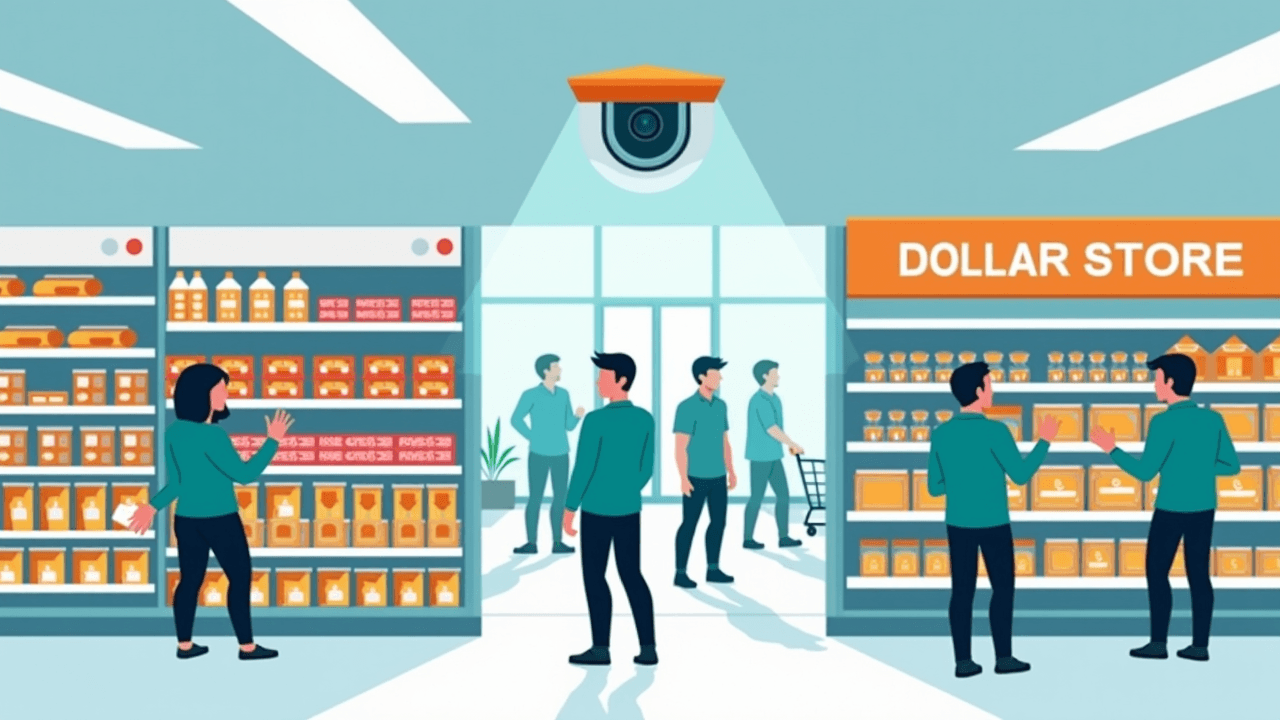
Learn effective strategies to prevent shoplifting in your dollar store and protect your inventory from theft.
Running a dollar store brings unique challenges, and one of the most pressing issues is shoplifting. Shoplifting isn’t just a minor inconvenience; it can significantly impact a business’s bottom line and overall operational efficiency. Owners often find themselves wondering how to strike a balance between providing an inviting shopping experience and implementing effective preventive measures.
In today’s retail landscape, where competition is fierce and profit margins are slim, it is crucial to be proactive about preventing theft. With a holistic approach that combines security measures, employee training, and community engagement, dollar store owners can create an environment that deters potential shoplifters while maintaining a welcoming atmosphere for customers.
This article delves into practical strategies for preventing shoplifting in dollar stores, highlighting essential techniques and considerations that can empower owners and employees alike. By embracing these strategies, they can bolster their defenses against theft and foster a more secure shopping environment. Let’s explore how understanding the depths of shoplifting effects can help chart the course toward effective prevention methods.
Understanding the Impact of Shoplifting
Shoplifting is an issue that plagues retailers worldwide, causing ripple effects far beyond the immediate theft of products. This pervasive crime not only leads to significant financial losses but also creates challenges in inventory management and can deeply affect employee morale. Exploring these dimensions reveals just how extensive the impact of shoplifting truly is.
Financial Losses
One of the most direct consequences of shoplifting is the financial burden it places on businesses. Shoplifting leads to millions of dollars in losses annually for dollar stores alone, representing a substantial portion of their revenue. These financial setbacks can stem from:
- Theft of Goods: Products stolen from shelves directly equate to lost sales.
- Higher Prices: In an effort to recover losses, retailers may raise prices on legitimate customers, which can deter shoppers and affect overall sales.
The implications extend beyond simple theft—these losses can lead to reduced profitability and even store closures, especially for smaller retailers struggling to stay afloat in a competitive market. 📉
Effect on Inventory Management
Shoplifting complicates the delicate balance of inventory management. When theft becomes frequent, retailers face several pressures:
- Inaccurate Stock Levels: Frequent losses result in discrepancies between actual inventory and what is reported, hindering reorder processes.
- Increased Operational Costs: Businesses may need to invest in additional security measures, such as surveillance systems or security personnel, to curb theft.
- Price Adjustments: To balance out losses, retailers often increase prices, which can alienate loyal customers who feel the pinch in their wallets.
Maintaining effective inventory management becomes an uphill battle, as each theft undermines the accuracy and reliability of stock information. 🚧
Impact on Employee Morale
The ramifications of shoplifting don’t stop at financial metrics and inventory management; they significantly affect the workforce as well. Employees may endure the following challenges:
- Stress and Anxiety: The constant threat of theft can create a tense atmosphere among staff who may worry about their safety while on duty.
- Decreased Job Satisfaction: When employees feel undervalued or threatened due to rampant theft, their morale can plummet, leading to increased turnover and decreased productivity.
- Customer Interaction: Staff may become increasingly cautious and less welcoming towards customers, fearing potential theft, which can detract from the shopping experience.
In environments where shoplifting is rampant, the enthusiastic service that customers expect can diminish, leading to an overall negative impact on the retail environment. 😟
The effects of shoplifting extend far beyond the immediate act of theft, creating a challenging landscape for retailers that can affect their financial stability, operations, and employee well-being. Addressing these issues requires a comprehensive approach that integrates loss prevention strategies with staff support and customer engagement practices, ensuring a thriving retail ecosystem.
Effective Security Measures
In the retail world, effective security measures are paramount to safeguarding merchandise and maintaining a safe shopping environment. With the increasing sophistication of theft methods, retailers must adopt comprehensive strategies that not only deter potential offenders but also enhance overall customer experience. This section explores pivotal approaches that can significantly strengthen store security.
Store Layout and Design
A well-thought-out store layout can work wonders in minimizing vulnerabilities to theft. By strategically designing the space, retailers can eliminate blind spots that shoplifters might exploit.
- Visibility: Arranging displays so that employees can easily monitor various sections creates a sense of vigilance.
- Flow: Creating an intuitive flow for customers guides them through the store, making it easier for staff to spot suspicious behavior.
- Lighting: Bright lighting enhances visibility and makes customers feel safer, while also discouraging theft.
Quote: “Smart layout design not only elevates the shopping experience but also dissuades theft through thoughtful placement and visibility.” 🛍️
Surveillance Systems
Investing in high-quality surveillance systems is another cornerstone of effective security. These systems serve multiple purposes, from deterring potential thieves to assisting in recovery efforts when theft occurs.
- High-definition cameras: These can capture clear footage, crucial for identifying suspects during incidents.
- Remote access: Many modern systems allow real-time monitoring, giving store managers the ability to keep an eye on activities from anywhere.
- Integration with alarms: Linking cameras with alarm systems can alert personnel immediately in case of unauthorized access.
By having a robust surveillance system in place, retailers can create a powerful deterrent against shoplifting, making it clear that every corner of the store is being watched. 🔍
Security Personnel
The presence of trained security personnel is a vital aspect of any effective security strategy. Not only do they act as a visible deterrent, but they also play a crucial role in managing theft situations.
- Visibility: A uniformed security officer can instill confidence in customers while discouraging potential thieves through their mere presence.
- Training: These professionals are equipped to handle suspicious situations and can effectively intervene without escalating tension.
- Customer Assistance: Beyond security, personnel can assist customers, providing a friendly face that enhances the shopping experience.
Retailers that invest in professional security personnel recognize their dual role in nurturing a safe environment while fostering customer relationships.
Overall, these security measures, from thoughtful store layouts to advanced surveillance systems and the vigilant presence of security personnel, collectively contribute to a fortified retail environment. The targeted implementation of these strategies can significantly reduce risks while enhancing customer trust and satisfaction.
Employee Training and Awareness
In today’s retail landscape, where competition is fierce and losses due to theft can be significant, employee training plays a crucial role in safeguarding assets. An effective training program not only empowers staff but also fosters a proactive environment for preventing loss. Here is a closer look at key aspects that retailers should focus on.
Recognizing Suspicious Behavior
Training employees to recognize suspicious behaviors can greatly assist in preventing theft before it occurs. Knowing what to look for can make all the difference. Employees should be educated on common indicators that may suggest a customer has dishonest intentions. Some examples include:
- Excessive wandering: Customers who seem to be aimlessly moving around the store without a clear purpose.
- Frequent glancing: Individuals who continuously look around as if checking to see if they are being observed.
- Customer’s body language: Nervous fidgeting or attempting to conceal items can be signs of potential theft.
By enhancing their ability to spot these red flags, employees become the first line of defense against theft, translating into less loss for the retailer.
Customer Engagement Strategies
One practical strategy that has proven effective in reducing theft is increasing customer engagement. When staff actively interact with shoppers, it creates a sense of presence that deters potential shoplifters. Here’s how employees can enhance their engagement:
- Greeting customers upon entry: A simple smile and acknowledgment can make a shopper feel more noticed and less likely to commit theft.
- Asking if assistance is needed: Engaging customers with a question not only provides service but also subtly reminds them that they are being observed.
- Creating a welcoming atmosphere: A friendly environment encourages genuine shoppers, while making it uncomfortable for those with ulterior motives.
By fostering a culture of connection, retailers can create an atmosphere that discourages theft, resulting in a more secure shopping environment. 😊
Training on Handling Shoplifting Situations
Providing clear guidelines on how to handle suspected theft is vital in ensuring employee safety and compliance with store policies. Training should cover several key points:
- Policies on confronting suspected shoplifters: Employees need to know when to engage and when to seek assistance from security personnel.
- Emergency procedures: Knowing how to respond in high-stress situations can protect both staff and customers.
- Documentation: Employees should be trained on how to appropriately document incidents, ensuring that the store has full records of any theft occurrences for future reference.
This comprehensive training not only equips employees with the skills to respond efficiently but also cultivates a culture of safety and accountability within the store.
—
Implementing a robust training program on these essential topics can significantly enhance employee awareness and preparedness. By investing in training, retailers safeguard their assets while empowering their staff, ultimately leading to a more secure and profitable business environment.
Implementing Technology Solutions
In the ever-evolving landscape of retail, implementing technology solutions has become paramount for enhancing security, efficiency, and overall operational effectiveness. As businesses face increasing pressures from theft and inventory discrepancies, innovative solutions such as Electronic Article Surveillance (EAS), Point-of-Sale (POS) monitoring, and inventory management software emerge as essential tools for safeguarding assets and optimizing performance.
Electronic Article Surveillance (EAS) 🎯
Electronic Article Surveillance systems are a crucial line of defense against theft in retail environments. These systems function by placing security tags on merchandise that trigger alarms if removed without authorization.
- How It Works: When someone attempts to exit the store with an item that hasn’t been properly deactivated, the EAS system alerts staff, giving them a chance to intervene.
- Benefits:
- Reduces shoplifting incidence.
- Increases customer trust as they feel secured in a theft-aware environment.
- Enhances staff response time during potential theft situations.
By investing in EAS technologies, retailers can significantly mitigate losses caused by merchandise theft, thereby protecting both profit margins and valuable inventory.
Point-of-Sale Monitoring 💳
Monitoring transactions at the Point of Sale is another critical component of effective theft prevention. By analyzing POS transactions, businesses can detect abnormal patterns that may indicate theft or fraudulent activities.
- Key Insights:
- Pattern Recognition: Frequent returns or discounts on certain items can signify suspicious behavior.
- Employee Accountability: Monitoring can also ensure that employees are following proper checkout protocols and not engaging in fraudulent activities.
Understanding these patterns not only helps to deter theft but also allows management to make informed decisions about employee training and sales strategies, fostering a culture of honesty and diligence within the retail space.
Inventory Management Software 📦
Implementing robust inventory management software is vital for retailers looking to streamline oversight and address discrepancies proactively. This technology can automate stock control and provide real-time data on inventory levels.
- Advantages:
- Efficiency Boost: Automating inventory tracking saves time and reduces human error.
- Discrepancy Alerts: Systems can flag inconsistencies in stock levels, allowing for quick investigation and resolution.
- Data Analytics: Offers insights into sales trends and inventory turnover, enabling better forecasting and stocking strategies.
By leveraging advanced inventory management systems, retailers not only ensure they have the right products available for customers but also create a transparent environment where accountability flourishes.
Incorporating these technology solutions is more than just a defense mechanism; it is about fostering a culture of transparency, reliability, and professionalism within the retail sector. Embracing these innovations equips retailers to navigate the complexities of today’s market confidently.
Community Engagement and Collaboration
Community engagement and collaboration are essential components in fostering safe and thriving neighborhoods. By actively working together, residents, local law enforcement, and businesses can create an environment that prioritizes security and mutual support. This article delves into key strategies that strengthen community ties and encourage proactive measures against crime.
Building Relationships with Local Law Enforcement
One of the most effective ways to enhance community safety is through strong relationships with local law enforcement. Building rapport can significantly improve response times and facilitate the sharing of resources. Here are a few strategies for fostering this important connection:
- Regular Meetings: Organizing regular meetings between business owners and law enforcement can promote dialogue and transparency.
- Community Policing Initiatives: Encourage police participation in local events or community activities, which can help humanize officers and strengthen community trust.
- Feedback Channels: Establish a system for residents to provide feedback about safety concerns and share success stories.
By creating a collaborative environment, community members can work hand-in-hand with law enforcement, resulting in a safer, more secure neighborhood. 👮♂️
Participating in Community Watch Programs
Community watch programs are a fantastic way to engage residents in maintaining safety and fostering a sense of security. By participating in these initiatives, residents can actively contribute to crime prevention. Here’s how community watch programs can be beneficial:
- Increased Vigilance: Participants keep an eye on their surroundings, reporting suspicious activities to the authorities, which can deter potential criminals.
- Building Trust: Such programs help to build relationships among neighbors, enhancing camaraderie and reinforcing the collective call to action.
- Shared Resources: Engaging in these programs can lead to resource sharing, such as information on crime trends or safety strategies.
When the community unites under a common goal, the result is often a noticeable decrease in crime and an increased sense of belonging. 🌟
Educating Customers on the Impact of Shoplifting
Shoplifting affects not only businesses but also the entire community through increased prices and reduced security. Educating customers about the negative impacts of theft can mobilize community support against such acts. Consider the following methods:
- Awareness Campaigns: Launch campaigns that highlight how shoplifting drives up costs and harms local shops, better informing consumers about the broader impacts.
- Workshops and Events: Host workshops to discuss the effects of theft on the community, making it clear that theft is not a victimless crime.
- Collaborative Promotions: Partner with other local businesses and community leaders to create a united front against shoplifting.
By fostering awareness, communities can cultivate an environment where theft is not tolerated, and pride in local businesses is celebrated. 📈
Engagement and collaboration within the community are vital for creating a strong deterrent against crime. Through building relationships with law enforcement, participating in community watch programs, and educating customers, communities can work together to create a more secure and supportive environment for everyone.
Conclusion
By implementing a combination of effective security measures, engaging with the community, and fostering a well-trained employee environment, dollar stores can create a safer shopping atmosphere while significantly reducing the risk of shoplifting. It’s essential to recognize that every effort counts, and collaboration can lead to effective prevention strategies.
At Four Seasons General Merchandise, we understand the needs of dollar stores and offer a wide range of products designed to help enhance your store’s inventory and shopping experience. Explore our collection today to ensure your store is well-equipped to thrive! You can find out more on our website.
Frequently Asked Questions
- What are effective strategies to prevent shoplifting in a dollar store?
Effective strategies include training staff on theft prevention, using security cameras, implementing store layout designs that minimize blind spots, employing electronic article surveillance (EAS) systems, and regularly monitoring high-theft areas.
- Should I hire security personnel for my dollar store to combat shoplifting?
Hiring security personnel can be beneficial, especially for high-traffic dollar stores. Trained security staff can help deter shoplifting and respond to incidents quickly, enhancing overall loss prevention efforts.
- How can I create a store environment that discourages theft?
To discourage theft, ensure good lighting throughout the store, arrange merchandise neatly and accessibly, place high-value items near the cashier, and maintain clear sightlines for both staff and customers.
- What role does employee training play in preventing shoplifting?
Employee training is crucial, as it equips staff with the knowledge to identify suspicious behavior, understand store policies, and implement theft prevention strategies effectively, helping to reduce losses.
- Are there specific items that are more prone to theft in dollar stores?
Yes, items like cosmetics, electronics, small household goods, and popular brand-name products are often more prone to theft due to their higher desirability and resale value, making it important to monitor these categories closely.
