
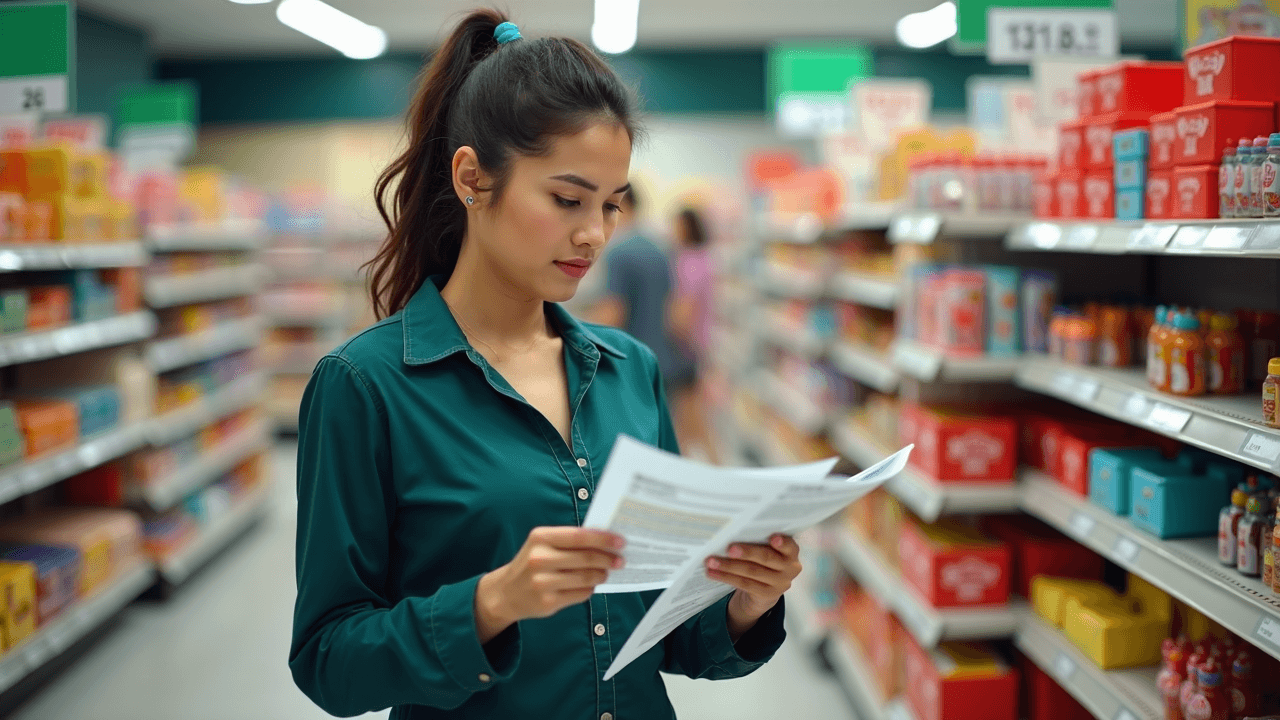
Learn effective strategies for dollar store owners to stay ahead of retail trends and boost sales. Adapt and thrive in a competitive market.
In the fast-paced world of retail, staying ahead of the curve is essential for any business owner, especially those managing dollar stores. With an ever-evolving landscape of consumer preferences and technological advancements, being aware of the latest retail trends can dramatically enhance a store’s performance. For dollar store owners, this means not only understanding what products resonate with customers but also grasping how broader shifts in retail can impact their business model.
As consumers navigate their shopping experience through various channels, retailers must adapt accordingly. Transitioning to incorporate sustainable practices, enhancing the shopping experience, and embracing the latest technologies come to the forefront. By keeping abreast of these trends, dollar store owners can ensure that their stores remain relevant and appealing to their target audience.
Moreover, insightful decision-making tools and strategies can help them efficiently implement these trends and measure their effectiveness. The journey to becoming a successful dollar store owner hinges on understanding and embracing these retail shifts, making it essential to explore what’s currently shaping the industry.
Understanding Retail Trends
Definition of Retail Trends
Retail trends refer to the evolving patterns and behaviors observed within the retail sector, reflecting changes in consumer preferences, technological advancements, and market dynamics. A retail trend can manifest in various forms, such as:
- Consumer Behavior Shifts: Changes in how consumers shop, what they prioritize, and their purchasing methods.
- Technological Innovations: The rise of e-commerce, mobile payments, and artificial intelligence affecting shopping experiences.
- Sustainability Trends: Increasing consumer demand for eco-friendly products and ethical business practices.
Understanding these trends is essential for retailers and stakeholders as they paint a comprehensive picture of the retail landscape. By observing and analyzing retail trends, businesses can tailor their strategies to meet the demands of the modern consumer, enhancing customer satisfaction and driving sales.
Importance of Staying Updated
Keeping abreast of the latest retail trends is not just beneficial; it is vital for survival in today’s competitive market. Here are several key reasons why staying updated is paramount:
- Consumer Engagement: Retailers who align their offerings with current trends can better meet consumer needs, fostering loyalty and repeat business.
- Innovation Adoption: Embracing the latest technologies helps retailers streamline operations, reduce costs, and enhance customer interactions.
- Competitive Advantage: Understanding trends allows businesses to stay ahead of competitors by proactively anticipating and fulfilling market demands.
“An informed retailer is an empowered retailer.” This statement resonates well as it encapsulates the essence of informed strategic planning. Retailers should regularly analyze and adapt to changes in the environment, ensuring they remain relevant and appealing to their target market.
By utilizing tools such as market analysis, customer feedback, and trend reports, retailers can maintain a pulse on the industry and make informed decisions that will lead to sustained success.
Current Retail Trends Impacting Dollar Stores
Sustainability and Eco-Friendly Products
In recent years, sustainability has blossomed into a pivotal concern for consumers, profoundly influencing their purchasing decisions. Dollar stores are not immune to this trend. Many shoppers are actively seeking out eco-friendly products, and dollar stores are increasingly adapting their inventories to align with these preferences.
Key Factors Shaping this Trend:
- Consumer Awareness: With growing awareness of environmental issues, shoppers are looking for products that minimize their carbon footprint. Dollar stores are responding by integrating more sustainable goods, like biodegradable cleaning supplies and recyclable packaging.
- Market Demand: The rising demand for eco-conscious products has prompted dollar stores to collaborate with suppliers who prioritize sustainability practices.
Dollar stores that embrace this shift can not only attract new, environmentally-conscious consumers but also enhance their brand loyalty among existing customers. 🌍
Omnichannel Shopping Experience
The blending of online and offline shopping experiences is transforming the retail landscape, and dollar stores are increasingly adopting an omnichannel approach. Shoppers appreciate convenience and flexibility, pushing retailers to enhance their service offerings.
Elements of a Successful Omnichannel Experience:
- Click and Collect: Many dollar stores are implementing systems that allow customers to order items online and pick them up in-store. This convenience appeals particularly to price-sensitive customers who seek both savings and efficiency.
- Mobile Engagement: Utilizing apps and social media platforms to distribute promotions and inventory updates keeps consumers engaged and informed about store offerings.
A seamless omnichannel experience not only streamlines the customer journey but also fosters brand loyalty, as shoppers feel valued and catered to in their preferred shopping methods. 🛒
Health and Wellness Focus
As health consciousness continues to rise, dollar stores are stepping up their game by offering a broader selection of health and wellness products. This trend reflects a significant shift in consumer habits, where budget shoppers seek value without compromising on their well-being.
Popular Additions to Dollar Store Aisles:
- Organic Food Options: Many dollar stores are now stocking organic snacks and beverages, appealing to health-minded shoppers looking for affordable choices.
- Personal Care Products: The inclusion of natural and organic personal care items is also on the rise, with consumers increasingly opting for products free from harsh chemicals.
By embracing this health-focused trend, dollar stores can position themselves as versatile retailers that cater to an expanding market segment seeking affordability and wellness. 🌱
Technological Advancements in Retail
Technology is playing a crucial role in reshaping the shopping experience, and dollar stores are adopting various innovations to stay relevant. These advancements not only enhance operational efficiency but also improve customer satisfaction.
Innovations Reshaping the Landscape:
- Self-Checkout Systems: Many dollar stores are implementing self-checkout kiosks, providing customers with a quicker and more private shopping experience.
- Inventory Management Solutions: Technology-driven inventory systems help retailers track stock levels in real-time, ensuring popular items are readily available to meet customer demand.
By leveraging technological advancements, dollar stores can streamline operations while delivering a more enjoyable and efficient shopping experience to their customers. 📱
Price Sensitivity and Value Shopping
Understanding the price-sensitive nature of their clientele is critical for dollar stores, especially in a fluctuating economic climate. Shoppers are increasingly focused on finding the best value for their money, making price strategy more crucial than ever.
Strategies for Value-Oriented Shopping:
- Promotions and Discounts: Offering regular promotions or discounts can attract and retain cost-conscious customers who prioritize savings.
- Private Label Brands: Introducing private label products allows dollar stores to provide quality items at lower prices, meeting consumer expectations for value without sacrificing quality.
By tailoring their retail strategies to account for price sensitivity, dollar stores can effectively position themselves as champions of value shopping in today’s economic landscape. 💵
Shaping their offerings around these trends enables dollar stores to not only meet current consumer demands but also anticipate future shifts in the retail landscape, solidifying their place in the market.
Strategies to Stay Updated on Retail Trends
Staying informed about the latest trends in retail is crucial for anyone looking to thrive in this fast-paced industry. The retail landscape is constantly evolving, driven by consumer behavior, technology advancements, and market dynamics. To sail smoothly through these changes, one must adopt effective strategies. Here are some powerful methods to stay updated on retail trends.
Market Research and Analysis
Conducting market research is foundational for understanding the retail environment. Engaging in both qualitative and quantitative research helps gather valuable data on customer preferences, purchasing patterns, and competitive strategies. One can employ the following techniques:
- Surveys and Questionnaires: Gathering direct feedback from customers to discern their needs and expectations.
- Data Analytics: Using tools to analyze sales data and customer interactions, pinpointing trends and opportunities.
- Industry Reports: Leveraging reports from trusted market research firms to obtain insights into broader market conditions.
By embracing these methods, one can make informed decisions that align with current and future retail trends.
Networking with Other Retailers
Building a solid network is vital to exchange knowledge and experiences. Connecting with other retailers offers insights into innovative practices and emerging trends. One can:
- Join Industry Groups: Participate in local or regional retail associations to meet like-minded professionals.
- Attend Networking Events: Engage in informal meet-ups or seminars for sharing insights and forming collaborations.
- Mentorship Programs: Seek out mentors in the retail space who can provide guidance and share their valuable experiences.
These connections can become a rich resource for staying ahead in the retail game. 🤝
Participating in Trade Shows and Conferences
Trade shows and conferences are fantastic avenues to dive deep into the latest innovations and technologies in retail. They provide opportunities for hands-on experience and firsthand information. One should aim to:
- Attend Relevant Events: Mark calendars for significant events in the retail industry to discover new products and services.
- Participate in Workshops: Engage in workshops that delve into specific areas of interest, enhancing knowledge and skills.
- Network with Exhibitors: Forge relationships with exhibitors and speakers, opening doors for future collaborations.
Participating in such events will not only keep one informed but also inspire fresh ideas for their own retail strategies.
Subscribing to Industry Publications and Blogs
Staying engaged with industry-related literature is essential for keeping abreast of retail trends. One can enhance their learning by:
- Following Top Publications: Subscribing to influential retail magazines and journals that provide expert insights and analyses.
- Reading Blogs by Industry Leaders: Engaging with insightful blog posts from recognized experts to gather diverse perspectives.
- Creating a Reading Schedule: Setting aside dedicated time for immersive reading to reinforce knowledge continuously.
These resources act as a reliable compass to navigate the ever-evolving landscape of retail.
Utilizing Social Media and Online Forums
Social media is a powerful tool for real-time updates on retail trends. One should leverage various platforms to enhance their understanding:
- Follow Relevant Hashtags: Stay updated by tracking popular hashtags related to retail trends on platforms like Twitter and Instagram.
- Engage in LinkedIn Groups: Participate in discussions with fellow professionals in dedicated retail groups on LinkedIn.
- Join Online Forums: Platforms like Reddit and industry-specific forums can provide fresh insights and diverse viewpoints.
By leveraging social media and online platforms, one can tap into a vibrant community of retailers sharing ideas and insights. 🌍
Being proactive in utilizing these strategies ensures a comprehensive understanding of current retail trends, truly equipping one for success in a competitive landscape. Each method enriches their knowledge base, paving the way for informed decisions and innovative practices in retail.
Implementing Trends in Your Dollar Store
In today’s competitive retail environment, dollar stores are adapting to shifting consumer preferences and market trends to stay ahead. By embracing innovative practices, these stores can enhance not only their product offerings but also the overall shopping experience. This article delves into key areas that dollar store owners can focus on to implement recent trends effectively.
Product Selection and Inventory Management
Selecting the right products and managing inventory efficiently are critical for success in the dollar store business. Consumers increasingly seek variety and quality at affordable prices.
- Diversify Offerings: Including seasonal items, trending merchandise, and essential goods can entice shoppers. For instance, featuring eco-friendly products or popular snacks aligned with current trends can significantly boost foot traffic.
- Utilize Data Analytics: Leveraging data analytics tools helps in understanding which products resonate most with customers. This insight can guide purchasing decisions and ensure the right products are stocked.
- Be Agile: Inventory management needs to be flexible. Stores should regularly review stock and be prepared to make swift changes based on sales trends, seasonality, or community preferences.
Embracing effective inventory strategies can lead to an increase in sales while minimizing waste.
Store Layout and Design Adjustments
A well-thought-out store layout can enhance customer experience and encourage impulse buys. Adapting the design of a dollar store can reflect current trends in consumer shopping habits:
- Open Layouts: An open and inviting layout can make the shopping experience more pleasant. Allowing customers to navigate freely encourages exploration and longer visits.
- Clear Signage: Utilizing bright, attractive signs helps consumers quickly locate their desired products. Using digital signage can add a modern touch and keep messages fresh with easy updates.
- Themed Sections: Creating themed sections that showcase specific products can draw attention to promotions or seasonal items. For example, a “Back to School” aisle can be organized to showcase school supplies and snacks together.
A strategic store design not only elevates the shopping experience but also reflects the brand’s commitment to quality and convenience.
Customer Engagement and Marketing Strategies
Building a connection with customers is paramount. Effective engagement strategies can create loyalty and increase repeat business.
- Social Media Presence: Actively engaging on platforms like Instagram and Facebook can keep customers informed about new products, discounts, and events. Regular posts, stories, and even live videos can humanize the brand and foster a community feel.
- Promotions and Events: Hosting special events, such as “Customer Appreciation Days” or themed sales events, can excite customers. This encourages them to visit your store frequently and share their experiences.
- Loyalty Programs: Implementing simple reward programs can incentivize purchases. For instance, a “Buy 10, Get 1 Free” promotion on select items can motivate consumers to return.
Effective customer engagement transforms a one-time shopper into a loyal customer, ultimately increasing overall store revenue.
Feedback Systems for Continuous Improvement
Incorporating a feedback system is essential for maintaining relevance and meeting customer expectations. Gathering and analyzing feedback can reveal valuable insights about shoppers’ preferences and experiences.
- Surveys and Feedback Forms: Encouraging customers to fill out surveys, either online or at the checkout, can help gather insights. Simple questions about product satisfaction or suggestions for new items can provide invaluable information.
- Suggestion Boxes: Placing suggestion boxes in-store invites customers to voice their opinions. Acknowledging these suggestions can make customers feel valued and engaged.
- Regular Reviews: Conducting regular reviews and assessments based on customer feedback ensures that the store adapts to changing consumer needs and preferences.
Utilizing feedback not only demonstrates a commitment to customer satisfaction but also sets the stage for continuous improvement and innovation.
By focusing on these integral areas—product selection, store design, customer engagement, and feedback systems—dollar store owners can effectively implement trends that resonate with today’s consumers, ensuring that their businesses thrive in a dynamic environment. 🚀
Measuring the Impact of Retail Trends on Your Business
In the ever-evolving landscape of retail, staying ahead of the competition requires businesses to be attuned to emerging trends. Understanding how these trends impact operations can be the edge that separates success from stagnation. By leveraging various data points and customer insights, companies can adapt their strategies to better serve their clientele and improve overall profitability. Let’s dive into three essential methods for measuring the impact of retail trends: Sales Data Analysis, Customer Feedback and Satisfaction Surveys, and Inventory Turnover Ratios.
Sales Data Analysis
Retail businesses thrive on data, and sales data analysis serves as a cornerstone for understanding market trends. By examining sales figures over time, retailers can identify patterns that signal shifting consumer preferences.
- Key Metrics to Monitor:
- Overall Sales Volume: A gradual increase or decline can indicate the effectiveness of current trends.
- Sales by Category: This helps determine which product lines are performing well and which are lagging behind.
- Seasonal Trends: Analyzing sales during peak and off-peak seasons can inform inventory and promotional strategies.
In addition, tools such as predictive analytics can help retailers forecast future sales based on historical data. This proactive approach facilitates strategic decision-making, allowing businesses to pivot when necessary.
“Data isn’t just numbers; it’s the voice of the customer and a roadmap for your business.”
Customer Feedback and Satisfaction Surveys
Understanding customer sentiment is vital for any retail business aiming to adjust to trends. Conducting satisfaction surveys and gathering customer feedback can uncover critical insights into how trends influence buying behavior.
- Methods for Gathering Feedback:
- Online Surveys: Utilize platforms to send out brief surveys post-purchase.
- In-store Interviews: Engage customers directly to gain immediate insights.
- Social Media Polls: Leverage social platforms to gauge customer opinions on emerging trends.
These insights can highlight areas where your business shines and where improvements are necessary. Retailers can also track Net Promoter Scores (NPS) over time to measure shifts in customer loyalty linked to how well they adapt to trends.
Inventory Turnover Ratios
Another vital metric for understanding the effects of retail trends is the inventory turnover ratio. This figure reflects how often inventory is sold and replaced over a period. A high turnover ratio typically indicates strong sales performance and effective inventory management.
- Calculating Inventory Turnover:
Inventory Turnover Ratio = Cost of Goods Sold (COGS) / Average Inventory
- What the Ratios Indicate:
- High Ratio: Suggests popular products are selling quickly, and it may be time to capitalize on trends with additional stock.
- Low Ratio: Indicates slow-moving inventory, prompting a reevaluation of product offerings or promotional tactics.
Tracking this ratio can also reveal how well the business adapts to market demands, allowing retailers to adjust their stock levels accordingly to align with prevailing trends.
Through these methods, retail businesses can effectively measure the impacts of trends and adapt their strategies. By embracing a data-driven approach, they enhance their capacity to meet customer needs, optimize inventory, increase sales, and ultimately thrive in a competitive marketplace.
Conclusion
Embracing retail trends can significantly enhance the success of a dollar store. By understanding and integrating current trends, such as sustainability and omnichannel shopping, store owners can create a more engaging and relevant shopping experience. Implementing strategies for staying updated, such as market research and active participation in industry networks, empowers retailers to not only meet but exceed customer expectations.
For those looking to stock up on the latest merchandise that aligns with current trends, Four Seasons General Merchandise offers a vast selection of products tailored for dollar store owners. Explore a variety of eco-friendly items or engage in value shopping by visiting Four Seasons General Merchandise today. Happy selling! 🎉
Frequently Asked Questions
- What are the current retail trends affecting dollar stores?
Current retail trends affecting dollar stores include a rise in e-commerce, a focus on sustainability, the demand for convenience shopping, and an increase in private label products.
- How can I research retail trends relevant to my dollar store?
You can research retail trends by following industry publications, subscribing to newsletters, attending trade shows, participating in webinars, and joining retail associations to stay updated on market analyses and consumer behavior reports.
- What strategies can I implement to adapt to new retail trends?
To adapt to new retail trends, consider diversifying your product lines, investing in social media marketing, enhancing customer service, optimizing your store layout, and focusing on creating a seamless omnichannel shopping experience.
- How important is customer feedback in identifying retail trends?
Customer feedback is crucial in identifying retail trends as it provides direct insights into consumer preferences, behaviors, and needs. Regular surveys, reviews, and direct communication can help dollar store owners adapt their offerings to meet changing demands.
- Should I focus on online sales or stick to traditional in-store retail?
While maintaining a strong in-store presence is essential, embracing online sales can enhance customer reach and convenience. Consider integrating an e-commerce platform alongside your physical store to cater to both shopping preferences.
