
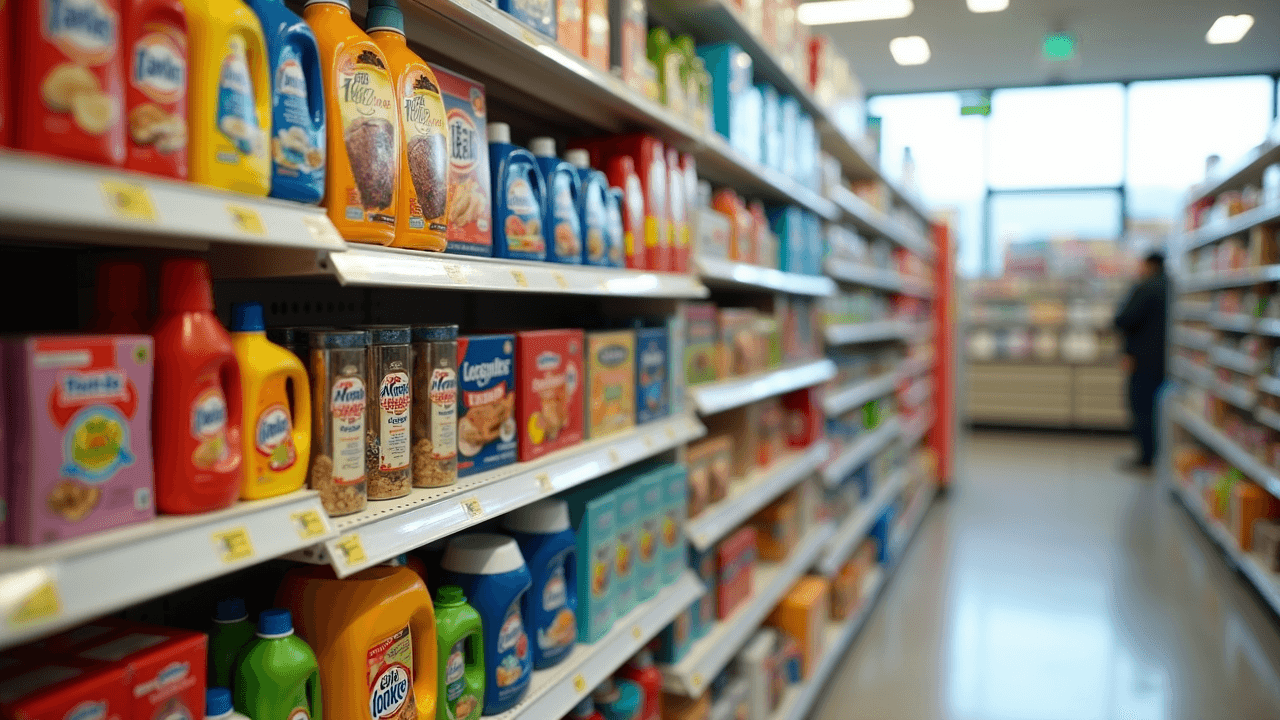
Learn effective strategies to identify high-demand products for dollar stores and boost your retail success. Maximize profits with smart choices.
In today’s fast-paced retail landscape, dollar stores have emerged as a go-to destination for savvy shoppers looking to stretch their dollars further. With an impressive variety of products at unbeatable prices, these stores serve a diverse customer base, from families on a budget to college students stocking up on essentials. Identifying high-demand products for dollar stores is not just about convenience; it’s a smart business strategy that can significantly boost sales and customer satisfaction. 🌟
This article delves into the heart of the dollar store market, equipping retailers and aspiring entrepreneurs with the tools they need to pinpoint the products that will fly off the shelves. From market demographics to consumer preferences, we’ll explore effective research methods, trending categories, and techniques for testing product viability—all aimed at helping businesses thrive in this competitive arena.
Understanding the nuances of what draws customers into dollar stores will empower retailers to curate the perfect inventory mix, ensuring they meet their audience’s needs without breaking the bank. Let’s embark on this journey to discover how to identify high-demand products for dollar stores, unlocking the potential for success in this lucrative sector! 💰
Understanding the Dollar Store Market
Overview of Dollar Stores
Dollar stores have rapidly emerged as a significant retail phenomenon, offering consumers a budget-friendly shopping alternative. With their wide range of products, from household essentials to snacks and toys, dollar stores attract a diverse clientele seeking value without compromising on quality.
These retail outlets typically emphasize convenience. Many locations operate in smaller spaces, making them easily accessible in various neighborhoods. Shoppers appreciate the straightforward pricing strategy—everything priced at one dollar or, more recently, slightly above—that simplifies purchasing decisions. This model has allowed dollar stores to thrive even during economic downturns, proving to be resilient in the face of changing consumer habits.
💡 Key Features of Dollar Stores:
- Affordable Pricing: Many items cost just a dollar or slightly more.
- Variety of Goods: Products range from groceries to personal care items.
- Convenience: Small store formats are often located within easy reach of residential areas.
Moreover, dollar stores often create a tactile shopping experience, encouraging customers to browse through aisles packed with seasonal items, home goods, and even party supplies. This sense of discovery enhances the shopping experience, making it both practical and enjoyable.
Consumer Demographics and Preferences
The demographic landscape of dollar store shoppers is as varied as the products offered. They appeal significantly to low-to-middle-income families, students, and budget-conscious consumers who prioritize value. Interestingly, recent trends indicate that these stores are also gaining popularity among higher-income demographics looking to save on everyday expenses.
Consumer Preferences:
- Value for Money: Shoppers are drawn to the cost-effectiveness of products available, resulting in repeat visits.
- Quality Perception: Many consumers are pleasantly surprised to find that dollar store products, particularly in household items and groceries, often meet or exceed their expectations.
- Impulse Purchases: The layout and nature of dollar stores encourage spontaneous buying, as shoppers frequently discover unique items while browsing.
As the dollar store market continues to expand, retailers are adjusting their strategies to cater to emerging consumer preferences. For instance, adding organic and health-conscious products reflects a growing awareness of health trends among various demographic groups.
Consumers today are not just looking for low prices; they’re also becoming increasingly discerning about quality. This shift presents new opportunities for dollar stores to broaden their product ranges and enhance customer satisfaction.
In this dynamic landscape, understanding the dollar store market requires keen awareness of consumer behaviors and economic factors driving shopping habits. Retailers must remain adaptable to effectively meet the evolving needs of their shoppers, ensuring that value remains at the core of their offerings.
Research Methods for Identifying High-Demand Products
Identifying high-demand products is crucial for businesses looking to thrive in a competitive marketplace. With the right research methods in place, organizations can pinpoint products that not only meet consumer needs but also drive profitability. This article delves into effective strategies such as market research techniques, analyzing sales data, and surveying customer preferences to unlock valuable insights.
Market Research Techniques
Market research serves as the cornerstone of product identification. By employing various techniques, businesses can gather essential information about their target audience and market dynamics. Here are some effective methods to consider:
- Focus Groups: Engaging a group of potential customers allows companies to gather qualitative insights about product perceptions and preferences.
- Competitor Analysis: Assessing competitors’ bestsellers can reveal trends that resonate with consumers. Identifying gaps in the market that your product can fill is key 🔍.
- Social Media Monitoring: Observing customer conversations and trends on social platforms can highlight emerging demands.
A combination of these techniques provides a comprehensive understanding of market needs, enabling businesses to tailor their offerings effectively.
Using Sales Data and Trends
Sales data analysis is another powerful method for identifying high-demand products. Companies can leverage this data to detect patterns and forecast future trends. Here’s how to maximize the effectiveness of sales data:
- Historical Sales Analysis: Reviewing past sales figures can help identify products that consistently perform well across different seasons.
- Sales Forecasting: Advanced algorithms can analyze existing sales data and predict future demand, allowing for proactive inventory management.
- Point of Sale (POS) Data: Utilizing real-time sales information from POS systems enables businesses to respond swiftly to changing consumer preferences.
By capitalizing on these data-driven insights, businesses can strategically adjust their product offerings without waiting for market trends to unfold.
Surveying Customer Preferences
Understanding what customers want is essential for product success. Surveys are a direct method to gather customer preferences and insights. Here are some tips on crafting effective surveys:
- Keep It Short and Engaging: A concise survey encourages participation. Use a mix of closed and open-ended questions to gather both quantitative and qualitative data.
- Offer Incentives: Providing a small incentive, like a discount or entry into a prize draw, can significantly increase response rates 🎁.
- Analyze Feedback: Post-survey, it’s crucial to analyze the data for trends and insights that can shape product development.
Surveys not only enhance customer engagement but also arm businesses with firsthand information about consumer needs, ultimately guiding product strategy.
Adopting these research methods empowers businesses to stay ahead of market trends and consumer demands. By fostering a deeper understanding of both the market landscape and customer preferences, organizations can confidently launch high-demand products that resonate well with their target audience.
Categories of High-Demand Products
In today’s fast-paced world, understanding high-demand products can significantly influence both consumer purchasing decisions and business strategies. With trends shifting constantly, identifying which categories consistently attract consumer interest is essential for retailers and manufacturers alike. This article will delve into the categories of high-demand products, providing insights into their popularity and the reasons behind their sustained demand.
Household Essentials
Household essentials are the backbone of everyday life, encompassing items that everyone needs to maintain their living spaces. These products range from cleaning supplies to kitchen items, and here are some key points to consider:
- Cleaning Supplies: Items such as multi-surface cleaners, disinfectants, and laundry detergents are constantly in demand, particularly during flu and cold seasons.
- Toiletries: Shampoos, soaps, and toilet paper have become staples in households, as personal hygiene remains a top priority.
- Kitchen Essentials: Cookware, kitchen gadgets, and storage solutions are popular purchases, especially among those who enjoy cooking or baking.
The importance of these products becomes even more pronounced during times of uncertainty, as consumers stock up on essentials for comfort and security.
Party Supplies
When it comes to celebrations, party supplies play a crucial role in enhancing the festive atmosphere. Here’s why this category thrives:
- Occasion Variety: From birthday parties to weddings, the demand for party supplies fluctuates with the number of events occurring.
- Trendy Themes: Each year introduces new themes such as tropical or retro, driving consumers to seek decorations and themed items.
- Convenience: The ease of purchasing disposable plates, cups, and decorations allows for stress-free party planning.
Moreover, the rise of social media has encouraged people to host more gatherings and share their experiences, further fueling the need for party supplies. 🎉
Seasonal Items
Seasonal items capture the spirit of various holidays and occasions, making them highly sought after during specific times of the year. Here are the main aspects that influence their demand:
- Holiday Decorations: Christmas lights or Halloween costumes see spikes in sales around the respective holidays.
- Fashion Trends: Summer clothing and winter gear become essential as seasons change, prompting consumers to refresh their wardrobes.
- Seasonal Events: Items linked to events like Valentine’s Day or Thanksgiving add to the variety and appeal of seasonal shopping.
Consumers often prepare weeks in advance for upcoming seasons, ensuring that seasonal items remain a significant market segment.
Personal Care Products
The personal care industry has seen substantial growth, driven by consumers focusing on wellness and self-care routines. Factors contributing to this trend include:
- Skincare Routines: Products like moisturizers, serums, and sunscreens are increasingly popular as individuals pursue healthier skin.
- Men’s Grooming: The rise of men’s personal care products signifies a broader acceptance and desire for grooming among male consumers.
- Eco-Friendly Options: Sustainability has prompted an increase in demand for natural and cruelty-free personal care items.
The commitment to health and beauty, combined with the growing awareness of ingredients, keeps personal care products in the spotlight. 🧴
Grocery Items
Grocery items are fundamental to everyday life, and their demand remains consistent throughout the year. Some highlights of this crucial category include:
- Fresh Produce: Organic fruits and vegetables have seen a surge in popularity as health-conscious consumers prioritize nutritious options.
- Convenience Foods: Pre-packaged meals and ready-to-eat snacks cater to busy lifestyles, maintaining strong sales figures.
- Dietary Specialties: Products catering to specific dietary needs, such as gluten-free or vegan items, have seen increased interest as dietary preferences evolve.
Retailers must continuously adapt their offerings to meet the changing tastes and demands of shoppers.
With a clear understanding of the diverse categories of high-demand products, businesses can make informed decisions on inventory, marketing, and purchasing strategies. Recognizing consumer trends and preferences helps maintain relevance in a competitive marketplace, ensuring that they remain a trusted source for high-quality goods. 🌟
Analyzing Competition and Market Trends
In today’s rapidly evolving marketplace, understanding competition and market trends is not just advantageous—it’s essential. Companies that stay ahead of the curve can adapt their strategies, refine their offerings, and ultimately gain a competitive edge. This section delves into the core components of competitive analysis, spotlighting competitor product offerings, identifying market gaps, and harnessing online tools for effective analysis.
Competitor Product Offerings
When evaluating competition, it’s crucial to look closely at what competitors are bringing to the table. This involves analyzing their product features, pricing strategies, and customer feedback. By examining these elements, businesses can identify not only what works but also what doesn’t resonate with consumers.
Here are some key points to consider:
- Product Diversity: Understand the variety of products offered by competitors. Are they offering a wide range or focusing on niche products?
- Pricing Models: Assess how competitor pricing compares with your own. Are they underpricing, or do they justify their higher prices through superior features?
- Customer Feedback: Analyze reviews and testimonials to gauge customer satisfaction. What do customers like or dislike about the competitors’ offerings?
Such insights can shape a business’s own product development and marketing strategies, ensuring they are well-positioned in a crowded market.
Identifying Gaps in the Market
Finding a niche or gap in the market is a game-changer for any business. This involves looking beyond immediate competitors and assessing consumer needs that are not being met. Identifying these gaps can lead to innovative product ideas or services that stand out.
To spot these opportunities, consider the following:
- Customer Pain Points: What complaints and frustrations do customers express about existing products? This feedback can illuminate areas for improvement or entirely new products.
- Trends in Consumer Behavior: Keep an eye on emerging trends. Are there shifts in how consumers prefer to buy or use products? Companies that adapt quickly to these trends can gain significant advantages.
- Market Research: Regularly engage in market research to understand evolving demographics and consumer preferences.
Recognizing these gaps can inspire creative solutions and lead to the successful launch of new products or services tailored to specific needs.
Utilizing Online Tools for Analysis
In an increasingly digital world, businesses have access to a multitude of online tools that facilitate effective competition and trend analysis. Utilizing these resources can streamline the process and yield valuable insights.
Some effective online tools include:
| Tool | Purpose |
|---|---|
| SEMrush | Competitor SEO analysis |
| BuzzSumo | Content performance tracking |
| Social Mention | Social media sentiment analysis |
| Google Trends | Search interest over time |
Leveraging these tools makes it easier for businesses to gather data, track competitors, and analyze trends quickly. By integrating online analytics into their strategies, organizations can achieve a clearer picture of the competitive landscape and make informed decisions.
By focusing on these key aspects—competitor product offerings, identifying market gaps, and utilizing online tools—businesses can cultivate a deep understanding of their environment. This knowledge empowers them to stay agile, innovative, and customer-centric, positioning themselves for long-term success in today’s dynamic marketplace. 🌟
Utilizing Seasonal and Trend-Driven Products
The ability to harness seasonal and trend-driven products can significantly elevate a business’s success. With the ever-changing consumer landscape, understanding how to capitalize on what’s hot—or what’s coming—becomes critically important. By carefully analyzing market trends and consumer preferences, businesses can strategically position themselves to meet demand, ensuring a competitive edge in an increasingly crowded marketplace.
Capitalizing on Trends
Staying ahead of the curve is essential for any business aiming for long-term success. Here are a few effective strategies to capitalize on trends:
- Trend Monitoring: Regularly keeping an eye on social media, industry news, and analytics platforms allows businesses to identify emerging trends before they peak. 📈
- Adaptation: Once a trend is recognized, adapting product offerings to align with these shifts not only attracts attention but also fulfills consumer needs. For instance, eco-friendly products have surged in popularity, and brands that embrace sustainability often enjoy increased loyalty.
- Collaborations and Partnerships: Partnering with influencers or brands that embody the trend can further enhance visibility and credibility. A well-timed collaboration can create buzz, drawing in customers eager to engage with something fresh and trendy. 🌟
Investing resources into research and development aimed at capturing these fleeting trends could yield significant returns, as businesses that lead rather than follow often capture a loyal customer base.
Seasonal Demand Considerations
Every season brings with it unique opportunities that businesses can leverage. However, preparing for these seasonal demands requires a little foresight and planning. Here are key factors to consider:
- Product Timing: Understanding the peak seasons for specific products is essential. For Christmas, for example, retailers should begin stocking seasonal items in late fall to catch early shoppers. 🎄
- Marketing Campaigns: Tailoring marketing strategies to coincide with seasonal events can enhance customer engagement. Unique promotions or seasonal-themed marketing materials can capture attention and inspire purchases.
- Inventory Management: High demand during certain seasons necessitates careful inventory management. Businesses must ensure they have enough stock to meet customer needs without overextending themselves.
Preparing for seasonality allows businesses not only to drive sales but also to build brand relevance. When customers see brands actively engaging in seasonal promotions, it fosters a connection that can cultivate loyalty.
By embracing both seasonal and trend-driven products, businesses can position themselves not only to survive but to thrive in their respective markets. With a comprehensive understanding of consumer behavior and market dynamics, they can create a responsive and exciting shopping experience tailored to their audience’s needs. This strategic approach is key for those looking to make a meaningful impact, leading to sustained growth and success.
Testing and Iterating Product Selections
In the dynamic world of product development, the power of testing and iterating cannot be overstated. It serves as a cornerstone for businesses aiming to meet customer demands while minimizing risks. By focusing on meticulous pilot testing and collecting customer feedback, brands can refine their offerings and ensure they resonate with their target audience. Let’s explore these essential aspects in detail.
Pilot Testing New Products
Pilot testing is an invaluable step in the product development lifecycle. Instead of launching a product to the entire market, companies often begin with a smaller segment to gauge initial reactions and performance. This strategy offers several advantages:
- Risk Reduction: By testing with a limited audience, businesses can identify potential pitfalls without facing widespread backlash.
- Targeted Insights: Engaging a specific demographic enables teams to gather focused feedback that is more actionable.
- Cost Efficiency: Early detection of issues can save significant expenditures related to a full-scale launch gone awry.
This approach not only allows for real-world testing of product functionality but also provides an opportunity to assess marketing strategies. A successful pilot test can lead to a more confident full launch, equipped with refined messaging. 🎯
Gathering Customer Feedback
Feedback is the lifeblood of product improvement. Once a product has undergone initial testing, the next crucial step is to solicit and analyze customer input. This can be incorporated through several channels, such as:
- Surveys and Questionnaires: Directly asking customers about their experience can yield quantitative and qualitative data.
- Focus Groups: Engaging a small group of customers allows for deeper discussions around their perspectives and feelings toward the product.
- Social Media Insights: Monitoring conversations on platforms can reveal unfiltered customer sentiments and trends.
Collecting this feedback should be an ongoing process, rather than a one-time event. Businesses that integrate customer input into their product iterations often find they can meet and surpass customer expectations. As they continue to evolve their offerings based on real user insights, they build trust and loyalty among their clientele, ultimately leading to sustained success. 📈
Remember, the journey of testing and iterating a product is an ongoing cycle. It invites businesses to adapt and innovate continuously, ensuring they remain relevant and competitive in the ever-changing market landscape.
Conclusion
Identifying high-demand products for dollar stores is a dynamic process that requires keen insights and effective strategies. By tapping into consumer demographics and preferences, utilizing robust research methods, and keeping an eye on market trends, retailers can confidently stock their shelves with products that resonate with their customers.
For anyone aiming to stay ahead in this competitive landscape, exploring a diverse range of categories is key. From household essentials to seasonal items, there’s no shortage of opportunities waiting to be seized. You can further enhance your offerings by sourcing from reliable suppliers like Four Seasons General Merchandise, ensuring your store is always stocked with the best products available. 🛒
The continual testing and iteration of product selections will only fortify a dollar store’s position in the market, leading to sustained growth and customer satisfaction. Embrace these strategies, and watch as your dollar store flourishes!
Frequently Asked Questions
- What are high-demand products for dollar stores?
High-demand products for dollar stores typically include everyday household consumables, seasonal items, party supplies, personal care products, and snacks, as these items often attract budget-conscious shoppers.
- How can I research high-demand products for dollar stores?
To research high-demand products, analyze trends using sales data, customer reviews, social media insights, and industry reports. Online tools like Google Trends and market research platforms can also provide valuable information on popular items.
- What factors should I consider when identifying products for dollar stores?
Consider factors such as customer demographics, market trends, seasonal demand, product quality, pricing, and competition when identifying potential products for dollar stores. Aim for items that offer good value to customers.
- How often should I update my inventory in a dollar store?
It’s essential to regularly assess and update your inventory, ideally every 4-6 weeks, to reflect seasonal trends and customer preferences. Keeping track of sales data will help you identify when to introduce new products or phase out slow-moving items.
- Where can I source products for a dollar store?
You can source products from wholesale suppliers, manufacturers, liquidation sales, trade shows, and online marketplaces like Alibaba or DHgate. Establish connections with reliable suppliers who can offer competitive prices and quality products that fit your store’s niche.
