
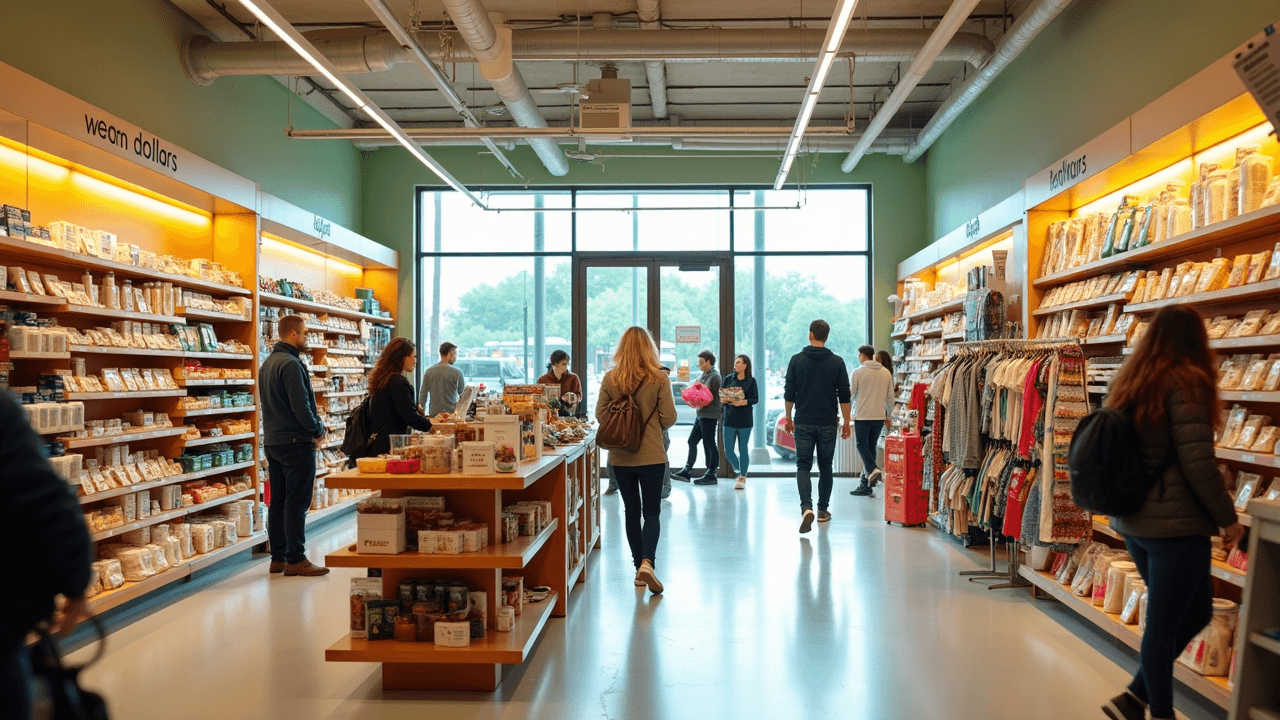
Learn how to craft unforgettable shopping experiences at dollar stores that keep customers coming back. Create an impactful retail environment.
Creating memorable shopping experiences at dollar stores isn’t just about offering low prices; it’s about transforming ordinary transactions into delightful adventures. With the ever-increasing competition, especially from online retailers and big-box stores, dollar stores have the unique advantage of catering to value-conscious customers, all while providing a tangible shopping experience.
Dollar stores, characterized by their affordable products and diverse inventory, have become a lifeline for many communities. Shoppers rely on them not only for budget-friendly purchases but also for a sense of connection and comfort. This article will explore various strategies dollar store owners can adopt to elevate the shopping experience. From understanding shopper profiles to harnessing technology and creating a sense of community, each aspect plays a crucial role in inviting customers back again and again.
As the retail landscape continues to evolve in 2025, focusing on enhancing the customer journey and fostering engagement will ensure that dollar stores thrive and remain a beloved choice for budget-savvy shoppers. Let’s delve into the essential elements that make dollar store shopping not just a necessity, but an enjoyable experience!
Understanding Dollar Store Shopper Profiles
Demographics of Dollar Store Shoppers
Dollar stores have become a staple in many communities across the United States, appealing to a diverse group of shoppers. The demographics of dollar store shoppers reveal a rich tapestry of backgrounds, ages, and socioeconomic statuses.
- Age Range: Dollar store shoppers represent a wide age spectrum, from young families to senior citizens. Millennials and Generation Z may visit for budget-friendly household items, while older generations often appreciate the convenience and affordability of everyday essentials.
- Income Levels: The typical dollar store shopper often falls within a lower to middle-income bracket. However, many individuals with varying income levels, including higher-income families, visit these stores for discounted items, especially during economic downturns.
- Geographic Distribution: Dollar stores thrive in urban, suburban, and rural areas alike. Their presence is particularly strong in regions with limited access to larger grocery retailers, making them a vital resource for residents in those communities.
Understandably, these demographic factors influence shopping behavior, shaping the types of products that are purchased and the frequency of visits. As dollar stores continue to expand, understanding these demographic nuances becomes pivotal for their marketing strategies and inventory management.
Shoppers’ Motivations and Behaviors
When exploring why people choose to shop at dollar stores, several key motivations and shopping behaviors emerge. These insights can help retailers tailor their offerings and marketing approaches effectively.
- Affordability: One of the most significant motivations for shoppers is the low price point of items. For many, finding quality products at a fraction of the cost is a strong allure.
- Convenience: The compact size of dollar stores allows for quick shopping trips, making them an ideal choice for busy individuals or families. Shoppers appreciate being able to find everything they need in one location without the time commitment of larger grocery stores.
- Product Variety: Many dollar stores have expanded their product lines significantly, providing a surprising range of items, from cleaning supplies to food products. This diversity can captivate shoppers looking for both necessities and delightful finds.
Furthermore, the overall shopping experience plays a crucial role in shopper satisfaction. Friendly staff and organized aisles can leave a lasting positive impression, encouraging repeat visits. Many shoppers enjoy the thrill of discovering hidden gems among the low-cost offerings.
By recognizing these motivations and behaviors, dollar store operators can enhance their customer experience and create a community that fosters loyalty. With ongoing evolution and adaptability, dollar stores are well-positioned to continue meeting the needs of their diverse shopper base.
Understanding the unique profiles of dollar store shoppers not only benefits retailers but also enriches the shopping experience for consumers of all backgrounds. 🌟
Store Layout and Design for Impact
An inviting store atmosphere can significantly impact consumer behavior and overall sales. When customers feel welcome and comfortable, they are more likely to explore the store, leading to increased purchases.
- Lighting Matters: Soft, warm lighting can create a cozy ambiance, while bright lights might motivate customers to move through the space more briskly.
- Color Choices: Colors evoke emotions and set the tone. For instance, blues and greens can promote calmness, whereas yellows and reds tend to energize and stimulate. The right palette enhances customer experience 🎨.
Additionally, incorporating comfortable seating areas can encourage shoppers to linger longer. By giving them a space to rest, the store enhances the likelihood of impulse purchases.
Utilizing Space Effectively
Maximizing space is crucial in creating a functional yet appealing store layout. Efficient use of space can lead to improved navigation for customers and a more organized appearance for products.
- Aisle Width: Ensure aisles are wide enough for easy movement, especially during peak hours.
- Vertical Space: Don’t overlook the importance of shelving and displays that utilize height. Creating visual interest by incorporating different levels can draw the eye upwards, making the store feel more spacious.
Utilizing multi-functional fixtures—such as display tables that can also serve as cash wrap areas—can optimize space and enhance flow. These arrangements allow the store to appear both organized and appealing while ensuring products are easily accessible.
Strategic Product Placement
Effective product placement can drive sales and improve customer experience. The arrangement of items influences shopper behaviors, prompting purchases through visual appeal and convenience.
- Hotspot Placement: Position popular or seasonal items at the front of the store to attract immediate attention.
- Cross-Merchandising: Display related products together to encourage impulse buys. For example, placing snack items near beverage displays can lead to increased sales for both categories.
As mentioned, an inviting layout enhances customer comfort and encourages exploration. By implementing strategic product placements that align with consumer behavior patterns, stores can ultimately increase sales and customer satisfaction 🛒.
By focusing on these elements of store layout and design, retailers can create engaging spaces that resonate with customers, leading to a fulfilling shopping experience and a positive bottom line.
Enhancing Product Offerings
In today’s competitive marketplace, businesses must continuously refine their product offerings to stand out. This requires a thoughtful approach to inventory selection, seasonal promotions, and rigorous quality control measures. By adopting these strategies, a company can foster customer loyalty and enhance its brand reputation, ultimately leading to sustained growth.
Diverse Inventory Selection
A diverse inventory selection is crucial for catering to a wide array of customer preferences and needs. By diversifying their product range, companies can:
- Attract Different Market Segments: A varied selection appeals to a broader audience, encouraging shoppers from different demographics.
- Reinforce Brand Identity: Unique products help businesses carve out their niche and build a strong brand presence. This can include:
- Specialty items that are not readily available elsewhere
- Eco-friendly and sustainable products to attract environmentally conscious consumers
- Innovative products that fulfill emerging trends
Offering unique and high-quality products can differentiate a business from its competitors, promoting a sense of loyalty among customers. By regularly assessing inventory and introducing new items, companies can keep their offerings fresh and exciting, encouraging repeat visits.
Seasonal Promotions and Themes
Embracing seasonal promotions and themed collections can create excitement around a brand and drive sales. This can be achieved through:
- Holiday Specials: Offering limited-time products around major holidays can entice customers to make purchases. For instance:
- Valentine’s Day gift sets
- Summer-themed outdoor gear
- Seasonal Discounts: Implementing discounts during specific times of the year draws in budget-conscious shoppers looking for the best deals.
- Thematic Marketing Campaigns: Crafting promotional events around current trends or seasonal themes can resonate deeply with customers, ensuring that they feel connected to the brand.
Seasonal offerings not only boost sales during key periods but also keep the brand relevant in the eyes of consumers, enhancing overall brand loyalty. 🌟
Quality Control Measures
The backbone of any successful product offering is a rigorous quality control system. To maintain high standards, businesses should establish comprehensive quality control measures, which include:
- Supplier Audits: Regularly evaluating suppliers ensures that the materials and products meet industry standards.
- Customer Feedback Loops: Actively seeking and analyzing customer feedback helps identify quality issues promptly and enables improvements to be made based on real user experiences.
- Testing and Standards Compliance: Ensuring products pass safety checks and meet relevant regulations is essential for maintaining trust and credibility.
Quality control not only enriches customer satisfaction but also fortifies a brand’s reputation in the long run. By consistently delivering reliable and durable products, businesses can develop a strong customer base that values their commitment to quality.
In today’s fast-paced market, enhancing product offerings through diverse inventory, strategic seasonal promotions, and stringent quality control can create a significant competitive edge for businesses. The thoughtful integration of these elements will lead to increased sales, heightened customer satisfaction, and ultimately, a flourishing enterprise.
Customer Engagement Strategies
Creating meaningful connections with customers is essential in today’s competitive retail landscape. Effective customer engagement strategies can transform one-time shoppers into loyal patrons, ultimately enhancing brand loyalty and driving revenue. Below are some pivotal strategies tailored to elevate customer experiences.
Staff Training for Exceptional Service
A brand’s identity is often reflected in the quality of service it provides. Well-trained staff can significantly enhance the shopping experience, leading not only to satisfied customers but also to increased sales.
- Active Listening: Employees should be trained to actively listen to customer needs. This fosters trust and ensures that customers feel valued.
- Product Knowledge: Comprehensive training on products allows staff to offer informed recommendations, answering questions confidently and accurately.
- Empowerment: Allowing employees to resolve customer issues empowers them to make decisions on the spot, which can turn a potentially negative situation into a positive one.
By investing in staff training, retailers can create an atmosphere filled with enthusiasm and expertise that customers can feel, making their shopping experience enjoyable. This dedication to service is emblematic of brands that prioritize customer satisfaction.
Interactive In-Store Promotions
Engaging customers through interactive in-store promotions can create memorable shopping experiences. When customers participate in promotional activities, it not only piques their interest but also encourages them to share their experiences.
- Live Demonstrations: Hosting live demonstrations of products can captivate shoppers’ attention and provide a hands-on understanding of the product benefits.
- Incentives for Participation: Offering small incentives—like discounts or free samples—for participation in surveys or games can enhance customer interaction and increase foot traffic.
- Social Media Tie-Ins: Encouraging customers to share their in-store experiences on social media platforms can help amplify the store’s reach and foster community engagement.
Such interactive elements breathe life into the retail space, making it more inviting and ensuring customers leave with a positive impression. It’s not just shopping; it’s an experience!
Loyalty Programs
Loyalty programs are a cornerstone of customer engagement strategies, offering tangible rewards and fostering repeat business. A well-structured loyalty program can turn casual buyers into enthusiastic brand advocates.
- Tiered Rewards: Implementing a tiered rewards system not only motivates customers to spend more but also makes them feel appreciated for their loyalty.
- Personalized Offers: By utilizing customer purchase data, companies can send personalized offers, enhancing the relevance of the promotions and showing customers that they care.
- Exclusive Access: Providing loyal customers with exclusive access to new products or special events encourages continued engagement with the brand.
When loyalty programs are thoughtfully designed, they can drive retention and create a community around the brand. Customers appreciate being rewarded for their loyalty, and they’re more likely to remain committed to brands that recognize their patronage.
The implementation of these customer engagement strategies paves the way for lasting relationships, turning brands into beloved figures in the marketplace.
Utilizing Technology for a Better Experience
In today’s fast-paced retail landscape, harnessing the power of technology is no longer just an option—it’s a necessity. For businesses looking to enhance customer satisfaction and streamline operations, various digital solutions can make a significant impact. From engaging in-store displays to user-friendly mobile applications, these innovations create a more efficient and enjoyable shopping experience for consumers. Here’s how showcasing tech can transform the retail environment.
In-Store Digital Signage
Digital signage has revolutionized how retailers communicate with their customers. By incorporating eye-catching electronic displays, businesses can inform customers about promotions, new arrivals, and even special events happening in-store. Here are some key benefits of utilizing digital signage:
- Dynamic Content: Unlike traditional printed signs, digital displays can be updated in real-time. Retailers can easily rotate promotions or informative messages, ensuring customers are always aware of the latest offers.
- Enhanced Customer Engagement: By showcasing videos and interactive content, stores can captivate customers’ attention and enhance their shopping experience. Bright visuals often draw shoppers in, making them more likely to purchase.
- Strategic Placement: Digital signs can be strategically placed at key decision-making points throughout the store. This helps guide customers towards featured products and promotions, potentially increasing sales.
The integration of digital signage transforms a standard shopping trip into a more interactive and informative journey for customers.
Mobile Apps and Loyalty Discounts
As mobile technology evolves, so does the opportunity for retailers to connect with their customers on a personal level. Mobile apps offer a valuable platform for businesses to engage their audience, particularly through loyalty programs. Consider these points:
- Personalized Experiences: Apps can track customer preferences and purchase history, enabling retailers to offer tailored recommendations and discounts that resonate with individual shoppers.
- Increased Convenience: Customers appreciate the ability to access their loyalty accounts directly from their smartphones. This ease of use encourages regular visits and boosts customer retention.
- Exclusive Offers: By integrating special discounts and promotions exclusively through the app, retailers can incentivize downloads and increase engagement. Shoppers are more likely to frequent stores that reward their loyalty with unique savings.
With the right mobile strategy in place, retailers not only streamline the sales process but also establish a direct line to their clientele.
Online Presence and Marketing
In the digital age, having a robust online presence is crucial for any retail business hoping to thrive. Engaging in effective online marketing strategies helps to reach a wider audience and can elevate brand visibility. Key aspects include:
- Social Media Engagement: Maintaining active social media profiles allows retailers to interact with their customers directly and receive instant feedback. Engaging posts can foster community and create brand loyalty.
- Search Engine Optimization (SEO): Implementing SEO practices on their websites can help businesses attract more organic traffic. Well-optimized content ensures that potential customers find the store when searching for related products.
- E-commerce Integration: An effective online selling platform helps retailers reach shoppers who prefer to browse and purchase from home. By creating a seamless shopping experience, stores can cater to varied consumer preferences while boosting sales.
Embracing these digital strategies enables retailers to build meaningful relationships with their customers and position themselves for long-term success.
By leveraging technology, retailers can dramatically enhance their customers’ shopping experience, leading to increased satisfaction and loyalty. Whether through in-store digital signage, mobile apps offering discounts, or a robust online marketing strategy, the integration of these tools is essential for modern retail success. Embracing such innovations not only promotes efficient communication but also fosters a deeper connection with the customer, making every shopping trip a more rewarding endeavor.
Creating a Community Atmosphere
Creating a vibrant community atmosphere around a business not only enhances customer loyalty but also transforms a simple shopping experience into something memorable and meaningful. This approach invites customers to feel like they are part of something larger, fostering lasting relationships and encouraging repeat visits. Let’s explore how hosting events and engaging with local charities can help cultivate this sense of community.
Hosting Events and Activities 🎉
One of the most effective ways to create a community atmosphere is by hosting events and activities that engage both customers and local residents. These gatherings are opportunities for people to connect, share experiences, and build relationships. Here are some ideas to get started:
- Themed Nights: Organizing themed nights, such as trivia contests or game tournaments, invites friendly competition and interaction among guests.
- Workshops and Classes: Offering workshops—like cooking classes, crafting sessions, or wellness seminars—can showcase local talent and provide valuable skills to the community.
- Seasonal Festivals: Celebrate the seasons by hosting festivals that highlight local culture, food, and crafts, making your venue a focal point for community gatherings.
These events not only keep the community engaged but can also generate word-of-mouth marketing, drawing in more foot traffic. Each successful event strengthens connections among attendees and with the business, ultimately enhancing customer loyalty.
Involving Local Charities and Causes 🤝
Engaging with local charities and causes can significantly enrich the sense of community surrounding a business. Partnering with nonprofits not only amplifies the store’s social responsibility but also attracts customers who value giving back. Here are practical ways to involve local charities:
- Charity Drives: Organizing fundraisers or donation drives encourages customers to contribute and actively participate in local issues.
- Collaboration Events: Host events in collaboration with local charities where a portion of sales goes towards supporting their cause, ensuring customers feel they are part of the solution.
- Awareness Campaigns: Utilize your platform to raise awareness about important social issues, such as mental health or environmental conservation, demonstrating a commitment to societal well-being.
Aligning with local causes not only builds goodwill but also fosters a community that supports each other. This action leads to repeat customers who feel passionate about the mission and want to contribute to the shared effort.
Creating a community atmosphere is all about connection—be it through fun events or supporting noble causes. When a business takes proactive steps to engage with its community, they are not just building a customer base; they are cultivating a loyal community that feels a deep connection to both the store and one another. Integrating these strategies helps ensure that the business becomes a beloved local staple.
Feedback and Continuous Improvement
Feedback plays a pivotal role in fostering a culture of continuous improvement within any organization. By actively engaging with customers and understanding their perspectives, businesses can enhance their offerings, adapt to changes in the market, and ultimately drive better results. Maintaining a cycle of feedback and adaptation not only builds trust with customers but also ensures that the organization is equipped to handle evolving expectations efficiently.
Customer Feedback Collection Methods
Gathering customer feedback is not a one-size-fits-all process. Organizations can employ various methods, each tailored to the audience they serve. Here are some effective approaches to collecting invaluable customer insights:
- Surveys and Questionnaires: Sending well-structured surveys post-purchase can yield insights into customer satisfaction and areas for improvement. Consider using platforms that allow for easy distribution and analysis.
- Social Media Listening: Monitoring social media channels enables organizations to capture real-time feedback and sentiments from their customers. Engaging with customers on these platforms can provide immediate insights.
- Feedback Forms on Websites: Including feedback forms directly on a website can make it easy for customers to share their experiences anytime. This can increase response rates and provide a steady stream of insights.
- Customer Service Interactions: Training customer service representatives to collect and document feedback during calls or chats can uncover recurring issues or popular suggestions that might not surface otherwise.
- Focus Groups: Organizing focus group discussions can yield deeper qualitative insights. This is particularly useful for testing new products or concepts before their full launch.
Each of these methods is essential for creating a comprehensive view of customer preferences and experiences. Establishing a routine for collecting and analyzing customer feedback is crucial to ensure that insights lead to actionable changes.
Adapting to Changing Preferences
In a rapidly evolving marketplace, customer preferences can shift almost overnight. Organizations must remain agile and responsive to these changes to sustain relevance and appeal. Here are strategies to effectively adapt:
- Trend Analysis: Regularly reviewing and analyzing trends in customer behavior can help organizations preemptively adjust their strategies. This can involve examining industry reports and tracking social media trends.
- Feedback-Driven Improvements: Utilizing the insights gained from feedback collection processes, companies can prioritize which changes to implement. Regularly revisiting product offerings, marketing strategies, and even customer service protocols based on feedback ensures alignment with customer expectations.
- Pilot Programs: Before a full-scale rollout of any major change, running a pilot program can provide insight into how customers will respond. This allows organizations to gather data and make adjustments before wider implementation.
- Engagement and Communication: Keeping an open line of communication with customers about changes being made based on their feedback fosters a sense of trust and loyalty. Transparency in how feedback leads to action can increase customer satisfaction and retention.
By actively responding to changing customer preferences, businesses position themselves as adaptive and customer-centric. This approach not only enhances the customer experience but also solidifies an organization’s standing in the competitive landscape. Embracing and acting upon feedback creates a cycle of improvement that benefits both customers and the organization alike.
Adopting these strategies not only nurtures a positive relationship with customers but also enhances the overall effectiveness of the organization in meeting market demands. Feedback is not just an activity; it’s the backbone of continuous improvement and a key driver of success.
Conclusion
When crafting memorable shopping experiences at dollar stores, it’s about combining an understanding of customer profiles, effective store layouts, and engaging product offerings. By focusing on exceptional customer engagement and leveraging technology, dollar stores can curate an inviting atmosphere that resonates with shoppers. Continually seeking feedback and adapting to their preferences ensures businesses can thrive in this dynamic market.
For stores looking to enhance their inventory and diversify offerings, Four Seasons General Merchandise is a valuable partner. With a wide selection of quality products, they help dollar stores elevate their customer experience. Explore their extensive range here, and watch as shopping experiences transform! 🎉
Frequently Asked Questions
- What are some tips for creating memorable shopping experiences at dollar stores?
To create memorable shopping experiences at dollar stores, focus on store layout, product displays, customer engagement, special promotions, and themed events that resonate with customers’ values and preferences.
- How can store layout impact the shopping experience at dollar stores?
An effective store layout can guide customers through the aisles, highlight key products, and create a pleasant shopping flow. Ensuring clear signage and organized categories helps shoppers find what they need quickly, enhancing their overall experience.
- What role does customer service play in shopping at dollar stores?
Exceptional customer service enhances the shopping experience by making customers feel valued and appreciated. Friendly staff, quick assistance, and knowledge about products contribute to a positive atmosphere that encourages repeat visits.
- How can dollar stores use promotions to enhance the shopping experience?
Promotions such as discounts, limited-time offers, and buy-one-get-one (BOGO) deals can create excitement and urgency for shoppers. These strategies not only draw customers into the store but also make their shopping experience more rewarding.
- Are themed events effective for creating memorable experiences at dollar stores?
Yes, themed events such as holiday celebrations, community fairs, or local artist showcases can foster a sense of community and make shopping more enjoyable. These events attract customers and encourage them to view the store as a destination rather than just a shopping place.
