
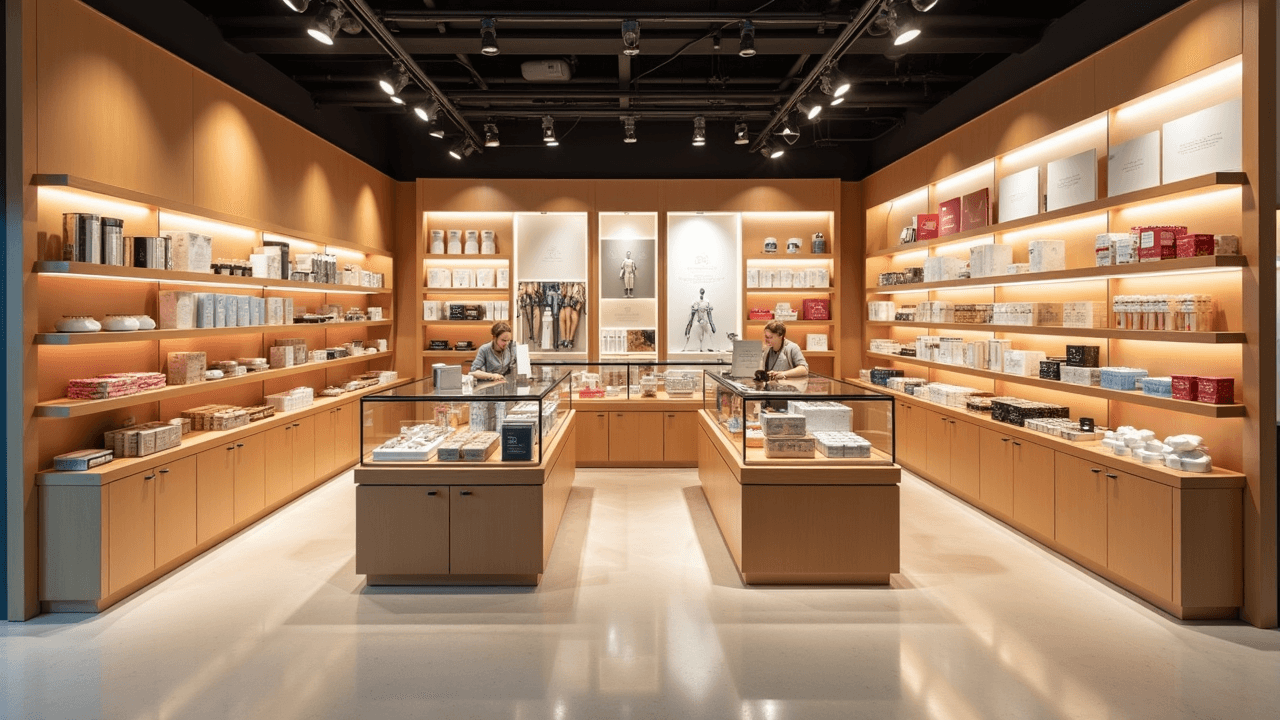
Learn how to develop a successful merchandising strategy that drives sales and enhances customer experience in your retail business.
Creating a winning merchandising strategy is crucial for any retailer aiming to stand out in today’s competitive marketplace. As the landscape of retail continues to evolve, understanding how to effectively showcase products can mean the difference between a sale and a missed opportunity. A well-crafted merchandising strategy not only attracts customers but also enhances their shopping experience, ultimately driving sales and fostering brand loyalty.
In this comprehensive guide, readers will explore the multifaceted world of merchandising—from its fundamental definitions and importance to the key components that ensure success. By delving into each aspect of developing and implementing a robust merchandising strategy, retailers can position themselves for sustained growth and market relevance. Get ready to uncover the keys to creating a compelling merchandising strategy that captivates customers and boosts revenue! 🛍️
Understanding Merchandising
Definition of Merchandising
Merchandising is a critical component in the world of retail, acting as the bridge between products and consumers. It encompasses the strategies and tactics used to promote and sell products effectively. This includes everything from product selection, pricing, and display aesthetics, to promotional activities that enhance the customer’s shopping experience.
At its core, merchandising involves understanding what customers want and how best to present products to meet those needs. It’s not just about placing items on shelves; it’s about creating an engaging and visually appealing environment that resonates with the target audience. Here are key elements of merchandising:
- Product Selection: Identifying the right products that align with consumer demand.
- Visual Merchandising: Designing store displays and layouts that attract and engage customers.
- Pricing Strategies: Setting competitive yet profitable prices that appeal to buyers.
- Inventory Management: Ensuring that popular items are readily available while minimizing excess stock.
By meticulously considering these aspects, retailers can effectively guide consumer choices and maximize sales outcomes.
Importance of Merchandising in Retail
The significance of merchandising in retail cannot be overstated. It serves not only as a tool for increasing sales but also as a means to create a memorable shopping experience. Here’s why effective merchandising is vital:
- Enhances Customer Experience: A well-thought-out merchandising strategy engages customers visually and emotionally. When products are presented attractively, it draws shoppers in and encourages browsing, leading to increased sales.
- Drives Sales Performance: Retailers employing strong merchandising tactics are often able to outperform competitors. By understanding consumer preferences and trends, they can stock desirable items and promote them effectively, positively impacting their bottom line.
- Builds Brand Loyalty: Consistent and appealing merchandising helps establish brand identity. Customers are more likely to return to a store that has a pleasant shopping environment and offers a cohesive brand experience.
- Informs Marketing Strategies: The insights gained from analyzing merchandising effectiveness can shape broader marketing efforts. Understanding which products perform well can guide advertising campaigns and promotions.
The art of merchandising is indeed a powerful lever in retail, transforming a simple shopping trip into an immersive experience that fosters loyalty and drives growth. Through thoughtful and innovative merchandising, retailers can adapt to changing market conditions and consumer behavior, ensuring they remain relevant in a competitive landscape. 🌟
Key Components of a Merchandising Strategy
Creating a successful merchandising strategy is a vital aspect of retail success that can significantly influence customer engagement and sales. By understanding and effectively implementing the key components of this strategy, businesses can create an environment that not only attracts shoppers but also converts foot traffic into sales. Let’s delve into the fundamental elements that comprise an exceptional merchandising strategy.
Target Audience Identification
Understanding who the customers are is the cornerstone of any effective merchandising strategy. This involves:
- Demographics: Identifying age, gender, income level, and location aids in tailoring products to fit customer preferences.
- Psychographics: Insights into customer interests, lifestyles, and shopping behaviors can profoundly influence product offerings.
- Buyer Personas: Developing detailed profiles of ideal customers helps retailers pinpoint both the wants and needs of their audience.
By accurately identifying the target audience, businesses can ensure that their offerings resonate with shoppers, fostering a more personalized shopping experience. 🎯
Product Selection and Curation
Once the target audience is established, the next step is curating a compelling product selection. This includes:
- Quality Control: Ensuring products meet high-quality standards for customer satisfaction.
- Trend Awareness: Keeping abreast of industry trends and seasonal demands allows for timely product introductions.
- Diverse Range: Providing a mixture of products caters to different customer preferences and increases the possibility of cross-selling.
A well-thought-out product selection fosters brand loyalty, as customers are more likely to return when they find products that align with their values and needs.
Pricing Strategy
Pricing is a crucial element that can make or break a sale. A robust pricing strategy should consider:
- Competitive Pricing: Analyzing competitor prices ensures that the business remains attractive while still meeting profit margins.
- Psychological Pricing: Pricing products just below a whole number (e.g., $19.99 instead of $20) can influence buying decisions.
- Promotional Offers: Special discounts, bundling products, or loyalty programs can attract new customers and incentivize repeat purchases.
Doing a thorough market analysis assists in developing a pricing strategy that appeals to the target audience while supporting the business’s financial goals. 💸
Visual Merchandising Techniques
The presentation of products can significantly impact shopper engagement. Effective visual merchandising techniques include:
- Store Layout: Logical and appealing layouts guide customers seamlessly through the store, maximizing exposure to products.
- Eye-Catching Displays: Creative displays spark interest and draw attention to key products or promotions.
- Signage and Lighting: Well-placed signage provides essential information, while optimal lighting enhances product visibility and creates an inviting atmosphere.
Visual merchandising is more than aesthetics; it’s about creating an engaging shopper journey that influences purchasing decisions.
By weaving together these four essential components, businesses can develop a merchandising strategy that captivates and motivates their audience, ultimately driving sales and fostering brand loyalty. Implementing a cohesive approach ensures that every facet of the shopping experience aligns with consumer expectations and business objectives, setting the groundwork for ongoing success in the retail landscape.
Developing Your Merchandising Strategy
Creating an effective merchandising strategy is essential for any business looking to maximize its sales potential and strengthen its brand presence. This involves several integral components that not only consider market dynamics but also focus on the unique qualities that distinguish a business from its competitors. Let’s explore the key elements of a successful merchandising strategy.
Conducting Market Research
Understanding the market landscape is paramount. It allows businesses to tailor their merchandising strategies to meet customer needs effectively. Key activities in market research include:
- Identifying Target Audiences: Understanding who the customers are and what they want.
- Analyzing Trends: Keeping an eye on seasonal trends, emerging consumer behaviors, and industry shifts.
- Utilizing Surveys: Gathering feedback directly from consumers about their preferences and purchasing habits.
Effective market research arms businesses with the insights they need to create offerings that resonate with their audience. 🌍
Analyzing Competitor Strategies
When it comes to merchandising, knowing your competitors can be just as important as understanding your own business. Here are some points to consider when analyzing competitor strategies:
- Product Range: What types of products are competitors offering? Are there gaps in their offerings that your business can fill?
- Pricing Strategies: How do their prices compare with yours? Competitive pricing can attract customers looking for value.
- Promotional Tactics: What marketing techniques are competitors using to engage customers? This can include social media promotions, in-store displays, or loyalty programs.
By keeping an eye on competitor activities, businesses can adjust their own strategies to better compete in the marketplace. 📊
Creating a Unique Selling Proposition (USP)
A strong unique selling proposition (USP) is what sets a business apart from its competitors. It addresses why customers should choose one product over another. To create an effective USP, businesses should consider the following elements:
- Quality Over Quantity: Highlighting premium materials or craftsmanship can elevate a product’s appeal.
- Emotional Connection: Building a narrative around the brand that resonates with consumers on a personal level.
- Solving Problems: Demonstrating how a product or service solves a particular problem for consumers can make it indispensable.
An effective USP not only captures attention but also fosters loyalty, making customers more likely to return for repeat purchases. 💡
Setting Clear Objectives
Finally, setting clear objectives is crucial for guiding the entire merchandising strategy. These objectives should be:
- Specific: Clearly define what the business aims to achieve, whether it’s increasing sales by a certain percentage or expanding market reach.
- Measurable: Establish metrics to track progress, ensuring alignment with overall business goals.
- Achievable: Goals should be realistic based on available resources and market conditions.
- Time-bound: Set deadlines for when objectives should be met, instilling a sense of urgency and focus.
By setting clear, actionable objectives, businesses can stay committed to their merchandising strategy and assess its effectiveness over time. 🎯
Developing a solid merchandising strategy requires careful consideration of market dynamics, competitive analysis, a unique selling proposition, and well-defined objectives. By focusing on these areas, businesses can build a compelling merchandising strategy that drives sales and elevates their brand’s presence in the market.
Implementation of the Merchandising Strategy
Implementing a successful merchandising strategy requires a well-rounded approach that includes staff training and development, efficient inventory management, and attention-grabbing in-store promotions and displays. Each of these elements plays a pivotal role in enhancing customer experiences and driving sales. Let’s explore these components in detail.
Staff Training and Development
One of the cornerstones of an effective merchandising strategy is investing in staff training and development. Employees who understand the products they sell are more likely to engage customers and close sales. Here are some key aspects:
- Product Knowledge: Staff should be well-versed in the features, benefits, and uses of products to assist customers effectively.
- Sales Techniques: Training should include proven sales techniques that encourage upselling and cross-selling.
- Customer Service Skills: Emphasizing exceptional customer service fosters an inviting shopping environment, which can enhance repeat business.
A well-trained team can increase customer satisfaction significantly, leading to a more loyal client base. “Investing in your staff is investing in your business,” is a mantra that rings true in the retail sector. When employees feel confident and equipped, it translates into better customer interactions. 🌟
Inventory Management
Effective inventory management is crucial for ensuring that a business meets customer demand without overstocking or understocking. A strategic approach includes:
- Regular Audits: Conducting consistent audits helps maintain accurate inventory levels and prevents stock discrepancies.
- Data Analysis: Utilizing sales data to forecast inventory needs can prevent shortages during peak seasons and reduce excess during slow periods.
- Supplier Relationships: Building strong relationships with suppliers can lead to better pricing, flexible delivery schedules, and quicker restock times.
By mastering these elements, businesses can create a seamless shopping experience that keeps customers coming back for more. 🚀
In-store Promotions and Displays
Eye-catching in-store promotions and displays are essential for capturing the attention of shoppers. Here are some effective strategies:
- Creative Layouts: Organizing merchandise in a way that showcases new arrivals or seasonal items can draw customers in.
- Promotional Signage: Clear and engaging signs that highlight deals or promotions can entice customers to explore and purchase.
- Themed Displays: Curating displays that resonate with holidays or current trends can create a buzz around certain products, increasing foot traffic and sales.
A well-executed display not only communicates the brand’s identity but also enhances the overall shopping experience. In the vibrant world of retail, a dynamic presentation can lead to remarkable increases in sales. 🛍️
Incorporating these essential elements into the implementation of a merchandising strategy sets a strong foundation for success. By prioritizing staff training, improving inventory management, and enhancing in-store promotions, businesses can ensure they stand out in a competitive marketplace. The careful balancing of these components leads not just to enhanced sales but also to enriched customer experiences.
Measuring the Effectiveness of Your Merchandising Strategy
Understanding the effectiveness of a merchandising strategy is vital for businesses aiming to enhance product visibility and drive sales. By evaluating various aspects such as Key Performance Indicators (KPIs), customer feedback, and sales analysis, businesses can gain valuable insights that lead to informed decisions. This comprehensive approach not only fine-tunes merchandise presentation but also aligns with customer preferences, ultimately amplifying engagement and conversion rates.
Key Performance Indicators (KPIs)
Key Performance Indicators (KPIs) are essential metrics that help businesses gauge their merchandising success. They provide a quantifiable means of measuring how well marketing strategies align with sales objectives. Here are some important KPIs to consider:
- Sales Revenue: This indicates the total income generated from merchandise sales and serves as a primary measure of success.
- Conversion Rate: The rate at which customers who view products end up making a purchase is a crucial indicator of merchandising effectiveness.
- Inventory Turnover: This ratio shows how quickly stock is sold and replaced over a specific period, helping businesses manage their inventory efficiently.
- Average Transaction Value (ATV): By examining the average amount customers spend per transaction, businesses can assess how their merchandising influences purchasing behavior.
Tracking these KPIs not only highlights strengths but also uncovers areas with potential for improvement. Businesses can utilize insights gathered from these metrics to optimize their merchandising strategies, ensuring they resonate with target audiences.
Customer Feedback and Surveys
Customer feedback is an invaluable resource when measuring the effectiveness of merchandising strategies. Engaging customers through surveys, polls, and direct feedback can provide insights into their preferences and experiences. Here are effective ways to collect and analyze customer feedback:
- Post-Purchase Surveys: Sending out surveys after a purchase can help recognize elements of the merchandising strategy that resonated with consumers.
- In-store Feedback Stations: These can help gather real-time insights from customers about their shopping experiences.
- Social Media Engagement: Monitoring comments and reviews on social media platforms allows for a broader understanding of customer opinions.
Utilizing customer feedback not only enhances the understanding of how a merchandising strategy is perceived but also fosters a relationship of trust and engagement with the customer base. Incorporating customer insights leads to improved product offerings that align better with consumer needs, ultimately boosting satisfaction and loyalty.
Sales Analysis
Sales analysis is the backbone of assessing merchandising effectiveness. An in-depth look at sales data can reveal patterns and trends that inform future strategies. Here’s what businesses should consider:
- Historical Sales Data: Analyzing sales over different periods enables businesses to identify seasonal trends and adjust inventory accordingly.
- Category Performance: Understanding which product categories are performing well and which aren’t allows for targeted marketing efforts.
- Sales by Channel: Dissecting sales by channel—whether online, in-store, or through third-party retailers—provides insights into where merchandising efforts are thriving.
Sales analysis equips businesses with the knowledge to refine strategies based on past performance, ensuring that future merchandising efforts are more targeted and effective. Using this data to anticipate market demands, businesses can proactively adjust their offerings to remain competitive.
By employing a holistic approach that encompasses KPIs, customer feedback, and thorough sales analysis, businesses can deftly measure the effectiveness of their merchandising strategies. This multi-faceted evaluation fosters connections with consumers and fine-tunes product offerings, paving the way for sustained growth and success in the marketplace.
Tips for Continuous Improvement
Continuous improvement is more than just a business buzzword; it’s a philosophy that can significantly impact an organization’s success. By consistently evaluating processes, products, and strategies, companies can thrive in today’s competitive landscape. Below are some vital tips to foster continuous improvement in any organization.
Regular Market Trend Analysis
To stay ahead of the curve, it’s essential for an organization to adopt regular market trend analysis. This practice not only helps grasp the current state of the market but also informs strategic decisions that can lead to improvement. Here are some effective approaches:
- Set a Routine: Schedule quarterly or monthly reviews to evaluate market trends. This ensures consistent updates and timely decision-making.
- Utilize Data Analytics: Leverage analytics tools to draw insights from customer behavior, sales data, and competitor strategies. Data-driven decisions often yield the best results.
- Engage with Thought Leaders: Attend industry conferences, webinars, and forums to gain different perspectives and insights that can guide improvement.
By investing time in regular market trend analysis, organizations can identify opportunities and threats, ultimately steering their improvement initiatives toward success. 📈
Customer Engagement Strategies
Enhancing customer engagement is pivotal for continuous improvement. Engaged customers are not just satisfied; they become loyal advocates for a brand. Here are some effective strategies to improve engagement:
- Personalization: Tailor communication and offerings to individual customer preferences. Personalized experiences often foster deeper connections.
- Feedback Collection: Actively seek and encourage feedback through surveys and social media interaction. This not only shows customers that their opinions matter but allows organizations to pinpoint areas needing improvement.
- Create Community: Build platforms (like forums or social media groups) where customers can interact with each other and the brand. Communities can enhance loyalty and provide valuable insights into customer needs.
Implementing these strategies can transform the customer experience and foster a culture of improvement within the organization. 🌟
Adapting to Changes in Consumer Behavior
Understanding and adapting to changes in consumer behavior is critical for continuous improvement. As markets evolve, so do consumer preferences. Here’s how organizations can stay relevant:
- Monitor Changing Preferences: Stay current on consumer trends through social listening and market research. Understanding what motivates customers can help in crafting better products and services.
- Be Agile: Develop processes that allow rapid experimentation and adaptation. Businesses that can pivot quickly are often more successful in catering to fluctuating consumer demands.
- Invest in Training: Equip team members with the skills to recognize and respond to shifts in consumer behavior effectively. Continuous training can empower teams to make informed decisions.
Embracing these approaches ensures that organizations remain aligned with their consumers, reducing the risk of stagnation. 🔄
By implementing these tips focused on regular market trend analysis, effective customer engagement strategies, and adapting to consumer behavior changes, organizations can unlock a world of continuous improvement, ensuring resilience and growth in an ever-evolving marketplace.
Conclusion
A winning merchandising strategy is not just a series of actions; it’s a holistic approach that can transform a retail business. By understanding key components and continuously adapting to market trends, retailers can effectively engage their customers and drive sales. Staying informed about customer preferences and embracing innovative merchandising techniques can create a unique shopping experience.
For those looking to enhance their product offerings, Four Seasons General Merchandise provides an extensive range of tools and products to support and elevate your merchandising game. Explore their catalog to find the perfect items that cater to your audience and ensure a successful retail environment! 🚀
Whether you’re a seasoned retailer or just starting, implementing these strategies will set the groundwork for thriving in the competitive market. Happy merchandising!
Frequently Asked Questions
- What is a merchandising strategy?
A merchandising strategy is a plan that outlines how a business will present and sell its products to maximize sales and improve customer engagement. It involves decisions about product assortment, pricing, display, promotions, and inventory management.
- How do I conduct market research for my merchandising strategy?
To conduct market research, analyze your target audience’s preferences and shopping behaviors, study competitors’ offerings and pricing strategies, and gather data on market trends through surveys, focus groups, and industry reports.
- What are some key elements of a winning merchandising strategy?
Key elements include understanding your target market, effective product placement, competitive pricing, eye-catching displays, strategic promotional activities, and efficient inventory management to ensure availability while minimizing excess stock.
- How can visual merchandising influence customer behavior?
Visual merchandising can influence customer behavior by creating an appealing in-store experience, attracting attention to featured products, and guiding customers through the space. Effective visuals can enhance brand perception and encourage impulse buying.
- How often should I review and update my merchandising strategy?
Your merchandising strategy should be reviewed and updated regularly, ideally quarterly or after major sales events. This allows you to adapt to changing market trends, customer preferences, and seasonal influences, ensuring that your strategy remains effective.
