
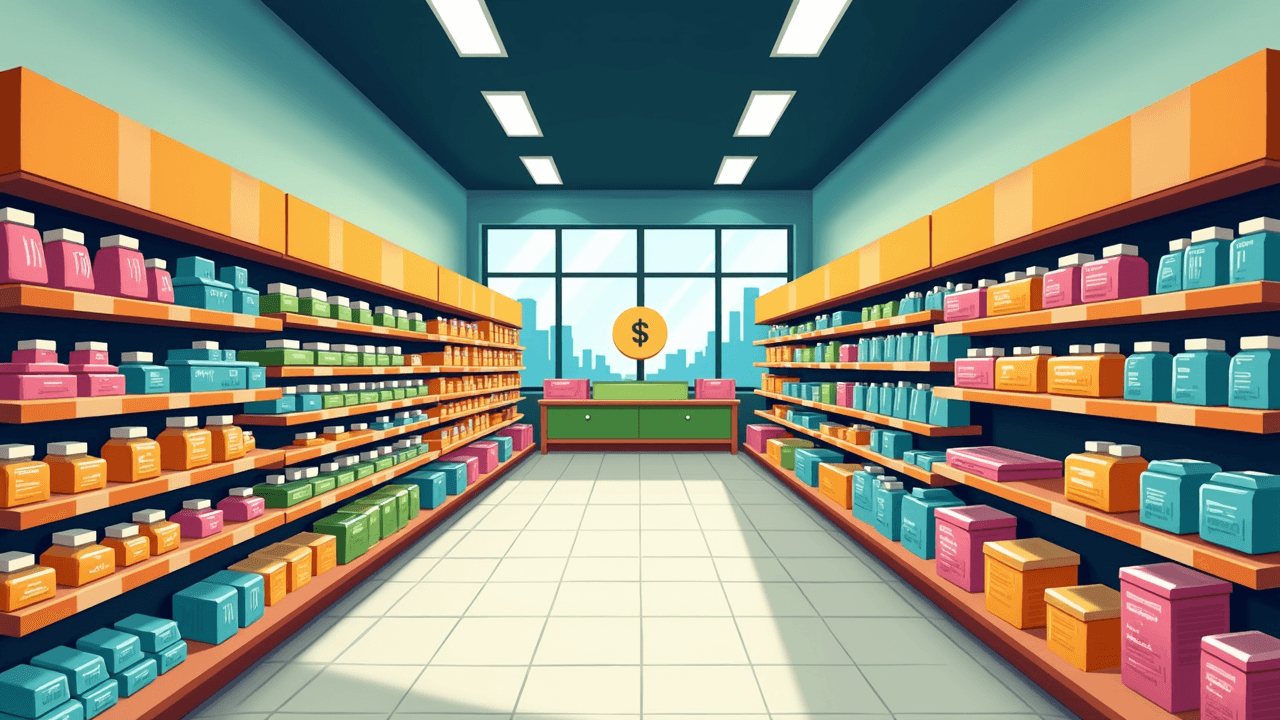
Discover tips to create a memorable shopping experience in dollar stores, enhancing customer satisfaction and boosting sales.
Creating a memorable shopping experience in dollar stores goes beyond merely offering appealing products at affordable prices. In an increasingly competitive retail landscape, it’s essential to build an atmosphere that resonates with shoppers, providing them with both value and joy. Dollar stores have the unique opportunity to cater to a diverse clientele eager to explore quality bargains. This article delves into practical strategies for enhancing the shopping experience, ensuring customers not only return but also leave with a smile on their faces.
From understanding current market trends and the target audience to leveraging effective store layouts and engaging customer strategies, there’s a wealth of opportunities for dollar store operators. With the right approach, each visit can become a delightful adventure rather than just a routine shopping trip. Prepare to discover how to transform a simple dollar store into a vibrant community hub where every shopper feels valued and appreciated. 💰✨
Understanding the Dollar Store Market
Dollar stores have become an integral part of the retail landscape, providing consumers with an affordable shopping option that caters to a wide range of needs. As these stores evolve, they adapt to changing consumer preferences and market dynamics, which is crucial for stakeholders aiming to thrive in this competitive segment. Let’s dive into the current trends shaping the dollar store market and the diverse demographics that make up its target audience.
Current Trends
The dollar store market is witnessing several transformative trends that reflect broader shifts in consumer behavior and economic conditions. Here are some key trends to consider:
- Product Diversification: Dollar stores are expanding their offerings beyond typical household items. Many now stock grocery items, personal care products, and seasonal goods, appealing to a wider audience and increasing customer foot traffic. This shift not only enhances the shopping experience but also addresses consumer demands for convenience 🎉.
- Private Label Brands: More dollar stores are introducing their own private label brands. These exclusive products often provide higher margins and foster customer loyalty. Consumers are increasingly recognizing and appreciating the value of these brands, driving sales and enhancing brand identity.
- E-commerce Integration: With the rise of online shopping, many dollar stores are making strides to establish an online presence. While traditionally seen as brick-and-mortar establishments, embracing e-commerce allows them to tap into a broader market base and cater to tech-savvy customers.
- Sustainability Initiatives: Increasingly aware of environmental concerns, dollar stores are adopting sustainable practices, such as reducing plastic use and offering eco-friendly products. These initiatives not only resonate with environmentally conscious shoppers but also help enhance the brand image.
Target Audience
The target audience of dollar stores is diverse, spanning various age groups, income levels, and lifestyles. Understanding who shops at these stores is vital for developing effective marketing strategies. Below are some insights into the demographics that frequent dollar stores:
- Budget-Conscious Shoppers: A significant portion of dollar store shoppers includes individuals and families looking to stretch their budgets. This customer segment appreciates the affordability offered by dollar stores without sacrificing basic quality.
- Young Adults and Students: College students and young professionals often flock to dollar stores for essential goods at low prices. Their busy lifestyles and financial limitations make these stores an attractive option for sourcing everything from snacks to cleaning supplies.
- Families: Many families, particularly those with lower to moderate incomes, consider dollar stores a go-to destination for buying household essentials, snacks for kids, and party supplies. The convenience and low pricing make it easy for parents to stock up without breaking the bank.
- Senior Citizens: With fixed incomes, older adults often seek ways to save money. Dollar stores present an opportunity for seniors to purchase necessary items at affordable prices, making them a vital demographic for these retailers.
Dollar stores continue to thrive due to their ability to adapt to market demands and serve a broad customer base. Their evolving strategies reflect a commitment to understanding consumer behaviors and needs. This responsiveness to trends not only secures their position in the market but also ensures they’ll remain a staple for shoppers seeking value and convenience in their daily lives.
Store Layout and Design
Creating an effective store layout and design is crucial for enhancing the shopping experience and maximizing sales. A well-thought-out environment doesn’t just draw customers in but also encourages them to explore products, leading to increased purchases. Here, we delve into some key elements of store layout and design that every retailer should consider.
Effective Use of Space
When it comes to store layout, space utilization is paramount. A well-organized space not only makes navigation easier for customers but also showcases products in the best possible light. Here are some strategies retailers can implement:
- Zoning: Divide the store into specific areas based on product categories. This method not only helps in easy navigation but also allows customers to quickly find what they are looking for.
- Flow Design: Create a natural flow from one section to another. This can be achieved by placing high-demand items at the back, encouraging customers to walk through other areas.
- Flexible Fixtures: Utilize mobile or modular fixtures that can be rearranged easily according to seasonal promotions or inventory changes.
- Strategic Placement: Position impulse items near checkout counters to encourage last-minute purchases.
The success of effective layout design lies in its ability to blend creativity with functionality, ensuring every inch of available space works hard for the business.
Visual Merchandising Techniques
Visual merchandising plays a significant role in attracting and retaining customers’ attention. Engaging displays can spell the difference between a passerby and a purchasing customer. Here are some impactful techniques retailers should consider:
- Storytelling Displays: Create themed displays that tell a story or reflect the lifestyle associated with the product. This can evoke an emotional response, making items more appealing.
- Color Theory: Use colors wisely to evoke moods and influence buying behavior. Warm colors like red and yellow can stimulate appetite and excitement, while cool colors can create a calm atmosphere.
- Focal Points: Designate and highlight focal points in the store where the most desirable products are showcased. This could be through the use of elevated displays or spotlighting.
By employing clever visual merchandising techniques, retailers can create a unique shopping experience that not only captivates customers but also promotes brand identity.
Lighting and Atmosphere
Lighting is an integral aspect of store design that can dramatically influence shopping behavior. A warm and inviting atmosphere can enhance customer experience and drive sales. Here are some lighting strategies to consider:
- Layered Lighting: Combine ambient, task, and accent lighting to create depth and visual interest. This approach ensures that shoppers feel comfortable while also highlighting key products.
- Adjustable Lighting: Utilize adjustable lighting to change the mood of the store according to different times of the day or specific events.
- Highlighting Products: Use spotlights or LED strips to draw attention to featured products, creating an appealing focal point within the store.
Atmosphere can be further enhanced through sound, scent, and tactile elements, making customers more likely to linger and spend.
For a retail space to truly resonate with its audience, it’s essential to invest time and effort into understanding the intricacies of store layout and design. By prioritizing effective space use, innovative visual merchandising techniques, and a thought-out lighting strategy, retailers can create an inviting atmosphere that attracts customers and boosts overall sales. When a store succeeds in crafting such an environment, it inevitably transforms shopping into a delightful experience. 🌟
Product Selection and Offering
Quality vs. Price
When it comes to product selection, an essential consideration is striking the perfect balance between quality and price. Customers today are savvy; they know what they want and are often willing to invest in products that offer long-lasting value. It’s imperative for retailers to understand their target audience’s expectations to set appropriate pricing strategies without compromising quality.
- High-Quality Essentials: Stocking everyday essentials made from durable materials will foster trust and encourage repeat purchases.
- Value Deals: Offering tiered pricing on similar items can cater to varying budgets, enabling customers to choose based on their needs.
A well-curated selection can drive sales, as customers often perceive that higher quality equates to better overall value.
“In retail, offering something that resonates with the customer can pave the way for loyalty.”
Seasonal and Trendy Items
Seasonality significantly influences purchasing behavior, and being ahead of the curve can set one apart from the competition. Retailers should consider incorporating both seasonal and trendy items into their inventory to keep the selection fresh and appealing.
- Seasonal Essentials: Stocking seasonal products—think holiday décor 🎄 or summer outdoor gear—will draw customers in who are looking for timely purchases.
- Trendy Finds: Bringing in products that are currently trending taps into the excitement of novelty. Limited edition items can create a sense of urgency and exclusivity, encouraging immediate sales.
By continually refreshing offerings and promoting seasonal sales, businesses can keep their audience engaged and ready to purchase.
Local Products
Embracing local products can elevate a retailer’s brand image while fostering community connections. As consumers increasingly prioritize sustainability and ethical sourcing, supporting local producers grants businesses a competitive edge.
- Community Engagement: Highlighting local artisans or farmers not only enriches the product selection but also builds stories around the offerings that resonate with customers.
- Unique Inventory: Local items often have unique features that differentiate them from mass-produced goods, making them more appealing to customers seeking singular finds.
Focusing on local products allows retailers to create a narrative that celebrates cultural pride and sustainability, enhancing their appeal in a crowded market.
By strategically incorporating a diverse product selection that includes quality essentials, seasonal items, and local products, retailers can effectively cater to various customer needs while boosting their overall sales potential. 🍃
Customer Engagement Strategies
Creating meaningful connections with customers is essential for any business aiming to enhance loyalty and satisfaction. Engaging with customers effectively can turn a casual shopper into a lifelong brand advocate. Here are some powerful strategies to cultivate that connection.
Personalized Service
In today’s fast-paced retail environment, personalized service stands out as a cornerstone of effective customer engagement. By tailoring interactions to meet unique preferences, businesses can create memorable experiences that resonate with individual customers.
- Customer Data Utilization: Leveraging customer data allows businesses to understand shopping habits and preferences better. This information can lead to personalized recommendations, ensuring that customers feel valued.
- Targeted Communication: Sending personalized emails or messages that reflect each customer’s interests can significantly increase engagement rates. Simple birthday wishes or exclusive offers based on previous purchases can transform an ordinary transaction into a delightful experience. 🎉
- Loyalty Programs: Implementing tailored loyalty programs can encourage repeat business. Rewarding customers for their specific preferences encourages them to continue engaging with the brand.
Incorporating personalized strategies not only increases customer satisfaction but also fosters a deeper emotional connection with the brand.
Staff Training
Employees play a pivotal role in providing exceptional customer service. Investing in staff training enhances their interactions with customers, leading to a more positive shopping experience.
- Empathy and Communication Skills: Training programs focused on developing empathy and communication skills can significantly improve how staff engage with customers. Employees who understand customer needs and respond sincerely can create a welcoming atmosphere.
- Product Knowledge: Ensuring that staff is well-versed in the products and services offered empowers them to assist customers more effectively. Knowledgeable employees can provide valuable insights and suggestions, enhancing the customer’s shopping experience.
- Problem-Solving Strategies: Equipping staff with strategies to handle complaints and inquiries can turn challenging situations into positive resolutions. A well-handled problem can increase customer loyalty dramatically.
A team that embodies the brand’s values and demonstrates exceptional engagement skills can transform a simple transaction into a memorable experience.
In-Store Events and Promotions
Hosting in-store events and promotions is an effective way to foster direct engagement with customers. These initiatives can create buzz and excitement around the brand while inviting customers to interact.
- Exclusive Previews: Offering customers an exclusive sneak peek of new products or collections can enhance interest and foot traffic. Inviting loyal customers to VIP events fosters a sense of belonging. 🌟
- Workshops and Demonstrations: Organizing workshops or product demonstrations not only informs customers about new offerings but also allows them to interact with the brand in a meaningful way. This hands-on experience can significantly enhance customer satisfaction.
- Seasonal Promotions: Launching themed events that align with holidays or special occasions can create a community atmosphere. Special in-store discounts during these events entice customers and encourage them to participate.
By integrating engaging events and promotions, businesses can create lasting memories for customers, turning casual visits into anticipated occasions.
Implementing these customer engagement strategies can pave the way for increased loyalty, celebratory customer interactions, and ultimately, a more robust bottom line. As a result, investing in personalized service, comprehensive staff training, and enticing in-store events will prove beneficial in cultivating a loyal customer base.
Creating a Welcoming Environment
Creating a welcoming environment is essential for any establishment aiming to attract and retain customers. Whether it’s a restaurant, a retail storefront, or a service-oriented business, the ambiance plays a pivotal role in shaping a customer’s experience. Below, we explore three critical aspects that contribute to an inviting atmosphere: cleanliness and organization, friendly staff interaction, and music and ambiance.
Cleanliness and Organization
A clean and organized space is the cornerstone of a welcoming environment. It not only reflects a commitment to quality but also instills confidence in guests. Visitors often form their first impressions based on their surroundings, which makes cleanliness a non-negotiable standard.
- Regular Maintenance: Businesses should establish routines for cleaning high-traffic areas and ensuring that restrooms are stocked and spotless.
- Clutter-Free Spaces: Clear pathways and well-organized displays facilitate smooth navigation and enhance the overall aesthetic. Carefully curated layouts make it easy for customers to find what they need.
- Visual Appeal: The use of color and design can create a sense of warmth. A well-maintained environment with thoughtful decor invites customers to linger longer, enhancing their overall experience.
“As the saying goes, ‘You never get a second chance to make a first impression.’ Keeping a space immaculate can make all the difference.”
Friendly Staff Interaction
Another vital component of a welcoming atmosphere is the nature of staff interactions. Employees often serve as the face of the organization, and their demeanor can leave a lasting impact.
- Warm Greetings: A friendly smile and a warm welcome set a positive tone. Simple gestures such as greeting customers as they enter can make them feel valued right away.
- Active Listening: Staff should engage with guests by asking questions and showing genuine interest in their needs. Taking the time to listen creates a personal connection that elevates the customer experience.
- Positive Attitude: Maintaining a positive, approachable demeanor can transform any interaction into a memorable experience. Encouraging staff to be themselves while remaining professional fosters a welcoming culture.
Music and Ambiance
The right music and overall ambiance play a crucial part in shaping the mood and atmosphere. A carefully curated environment encourages customers to relax and enjoy their experience.
- Soundtrack Selection: Upbeat and soft background music can enhance the overall ambiance, making it a great option for most environments. However, the volume must be controlled to ensure that conversations remain effortless.
- Lighting Choices: Lighting sets the mood; soft, warm lighting can create a cozy feel, while brighter lights can energize a space. Thoughtful lighting design helps to complement music and enhance customer comfort.
- Scent: Pleasant scents can further engage the senses and make a space feel more inviting. Businesses can explore diffusing essential oils or using subtle air fresheners to create a signature scent.
In crafting a welcoming environment, every detail matters—from the cleanliness of the premises to the cheerful greeting at the door. By focusing on these essential elements, businesses can create a haven where customers feel at home and are more likely to return.
Utilizing Technology to Enhance the Experience
In today’s fast-paced world, technology plays a vital role in enhancing customer experiences across various industries. Businesses that leverage new tools and platforms not only increase efficiency but also foster stronger connections with their clientele. By focusing on digital loyalty programs, social media engagement, and mobile payment options, companies can significantly enrich the customer experience and drive greater customer satisfaction.
Digital Loyalty Programs
Digital loyalty programs have transformed the way businesses reward their customers. These programs utilize technology to track customer purchases, offering rewards in real-time, which makes the experience more engaging and seamless.
- Personalization: By analyzing customer data, businesses can tailor rewards based on individual preferences. For instance, a coffee shop could offer bonus points for purchases of a customer’s favorite drink ☕️.
- User-Friendly Interfaces: Many businesses now provide mobile apps that make it easy for customers to check their points, redeem rewards, and receive personalized offers.
- Gamification: Incorporating game-like elements, such as challenges or tiers, can motivate customers to participate more actively in loyalty programs.
As they enhance the customer experience, digital loyalty programs foster brand loyalty and encourage repeat business.
Social Media Engagement
In an age where social media dictates customer interactions, it’s essential for businesses to embrace these platforms not just for marketing, but for genuine engagement.
- Real-Time Communication: Engaging customers through social media allows businesses to address inquiries, collect feedback, and provide support almost instantly. This two-way communication fosters a sense of connection.
- User-Generated Content: By encouraging customers to share their experiences on social platforms, businesses can build a community. This not only boosts visibility but also creates authenticity around the brand.
- Promotions and Events: Social media offers a perfect venue for announcing promotions and events. Businesses can create buzz and excitement that encourages participation and brings customers together.
Engaging effectively on social media moves beyond basic interactions and taps into creating an inclusive environment for customers.
Mobile Payment Options
With the rise of smartphones as essential everyday tools, integrating mobile payment options has become a key aspect of enhancing the customer experience.
- Convenience: Customers can complete transactions quickly and securely, reducing wait times and increasing satisfaction. No more fumbling for cash or cards when making a purchase.
- Security: Advanced encryption methods and two-factor authentication ensure that transactions are secure, which is increasingly important for consumers today.
- Variety of Choices: Offering multiple payment options, including digital wallets like Apple Pay, Google Pay, or cryptocurrencies, caters to a broader audience and enhances the consumer’s purchasing journey.
By streamlining the payment process, businesses not only improve customer satisfaction but also boost their own operational efficiency.
To thrive in an increasingly digital landscape, businesses must prioritize integrating technology into their customer experience strategies. By focusing on digital loyalty programs, social media engagement, and mobile payment options, companies can build stronger relationships with customers and drive growth in their respective markets. 🌟
Feedback and Continuous Improvement
In today’s fast-paced business environment, the concept of feedback and continuous improvement has become a cornerstone for organizations striving to stay relevant and competitive. Companies that actively seek feedback and act on it can create a culture of innovation and growth. By embracing this approach, they can enhance relationships with customers, employees, and stakeholders alike. Let’s explore how effective feedback collection and the implementation of changes can significantly impact business success.
Collecting Customer Feedback
Gathering insights directly from customers is more accessible than ever, thanks to modern technology. Businesses can employ various methods to collect meaningful feedback, ensuring they hear the voices of their clientele. Here are some effective strategies:
- Surveys and Questionnaires: Utilizing tools like online surveys allows companies to tailor questions to capture both quantitative and qualitative insights.
- Social Media Monitoring: Customers often express their opinions on platforms such as Twitter or Facebook. By monitoring these conversations, organizations can gather spontaneous and honest feedback.
- Customer Interviews: Engaging in one-on-one conversations can reveal deeper insights and foster stronger connections with customers.
- Online Reviews: Encouraging customers to leave reviews on platforms like Google, Yelp, or Trustpilot not only helps with SEO but provides valuable feedback.
Incorporating these methods creates a comprehensive understanding of the customer’s experience. Furthermore, organizations can use feedback as an opportunity to celebrate successes and identify areas for improvement, leading to enhanced customer satisfaction and loyalty. 🌟
Implementing Changes Based on Suggestions
Collecting valuable feedback is just the beginning. The real impact occurs when businesses actively implement changes based on the insights received. Here’s how companies can effectively execute this process:
- Prioritize Feedback: Not all feedback carries the same weight. Identifying common themes and prioritizing suggestions based on frequency or strategic alignment with business goals is crucial.
- Create Action Plans: Once priorities are set, developing clear action plans with specific timelines and responsible team members ensures accountability in executing changes.
- Communicate Changes: Keeping customers informed about how their feedback has influenced decisions fosters trust and shows that their opinions matter.
- Monitor Results: After implementing changes, it’s essential to evaluate the outcomes. This continuous monitoring not only highlights the success of the changes but also identifies new areas for improvement.
By truly valuing customer feedback and demonstrating a commitment to improvement, companies can cultivate an environment that encourages open communication and fosters long-lasting relationships. This creates a cycle where feedback leads to enhancements, which, in turn, invites even more feedback. The ongoing evolution driven by customer insights ultimately positions businesses to thrive in a competitive landscape. 🌍
Feedback and continuous improvement should be viewed as essential elements of a successful business strategy, nurturing an adaptive mindset that responds effectively to ever-changing customer needs.
Conclusion
Creating a memorable shopping experience in dollar stores isn’t just about the products on the shelves; it’s about fostering an inviting atmosphere where customers feel valued and engaged. By implementing strategies like effective store design, customer engagement, and utilizing technology, store owners can significantly enhance their shoppers’ experiences.
As they continue to innovate and improve, embracing vital aspects such as cleanliness, personalized service, and vibrant product offerings can lead to increased customer loyalty and sales. For those looking to boost their inventory with high-quality products at competitive prices, Four Seasons General Merchandise offers a plethora of options. Check out their extensive selection to elevate your dollar store today! 🎉
Frequently Asked Questions
- What are some strategies to create a memorable shopping experience in dollar stores?
Some strategies include maintaining a clean and organized store layout, offering excellent customer service, using effective signage, creating themed displays, and frequently updating inventory to keep the shopping experience fresh.
- How important is store layout in improving the shopping experience in dollar stores?
Store layout is crucial as it affects how customers navigate the store. A well-organized and easy-to-navigate layout encourages customers to explore more products, ultimately enhancing their shopping experience.
- What role does customer service play in a dollar store’s shopping experience?
Customer service plays a vital role in ensuring a positive shopping experience. Friendly, helpful staff can assist shoppers, answer questions, and address concerns, making customers feel valued and more likely to return.
- How can I incorporate seasonal themes to enhance the shopping experience in my dollar store?
Incorporating seasonal themes involves creating displays that reflect holidays or seasonal events, stocking relevant merchandise, and using themed decorations to create an inviting atmosphere that excites and engages customers.
- What are effective ways to engage customers and encourage repeat visits to dollar stores?
Engaging customers can involve loyalty programs, special promotions, community events, and interactive in-store activities. Regularly updating products and maintaining a strong social media presence can also encourage repeat visits.
