
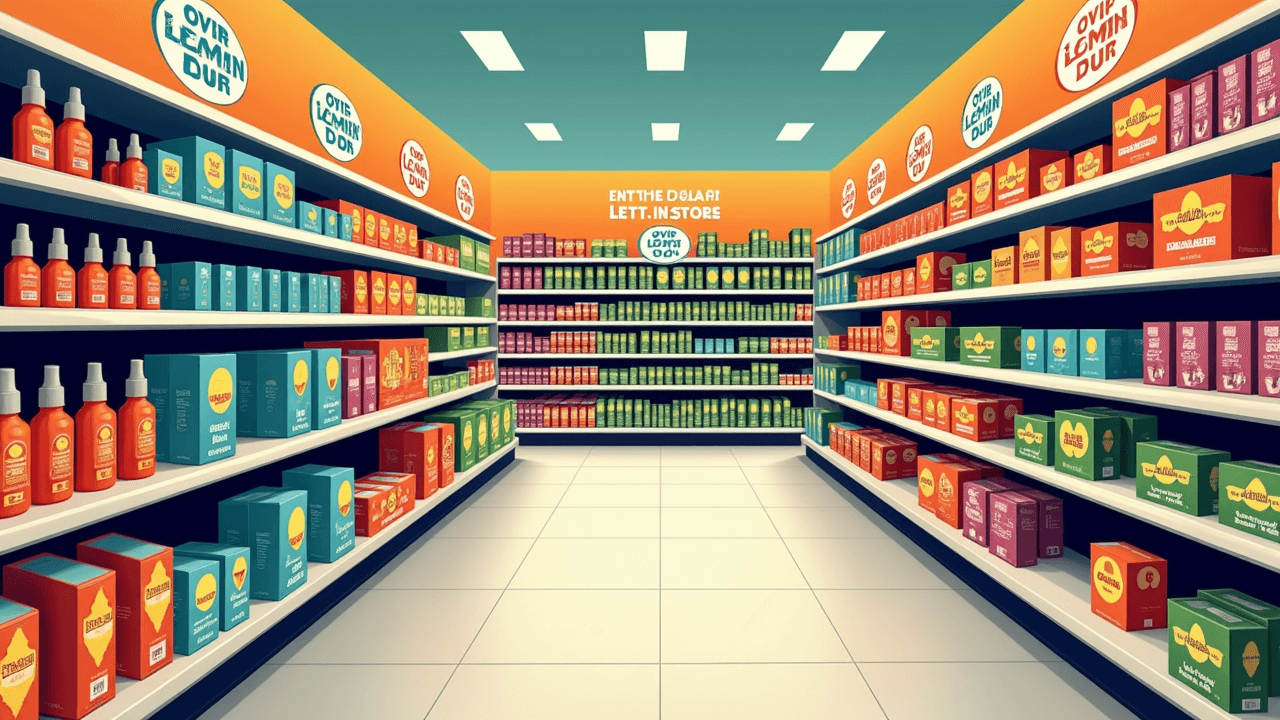
Learn effective strategies to create a compelling dollar store brand that draws in customers and boosts sales.
In today’s competitive retail landscape, establishing a strong dollar store brand is both an exciting opportunity and a formidable challenge. As budget-conscious consumers continue to seek value, the dollar store market has seen impressive growth. However, with increasing competition and evolving customer preferences, it’s crucial for retailers to differentiate themselves and cultivate a brand that resonates with their target audience.
By leveraging unique brand identities and engaging shopping experiences, dollar store owners can not only attract a steady stream of customers but also foster loyalty that translates to long-term success. This article will explore essential strategies and insights that can help build a robust dollar store brand, from understanding market dynamics to creating unforgettable shopping environments.
Whether you’re a seasoned entrepreneur or just starting out, the key to thriving in the dollar store sector lies in embracing innovative practices and maintaining a customer-centric approach. So, let’s dive into the essentials of crafting a dollar store brand that stands out and connects with shoppers!
Understanding the Dollar Store Market
The dollar store market has evolved significantly over the past few years, emerging as a vital segment of the retail industry. With consumers increasingly seeking value amidst fluctuating economic conditions, the appeal of dollar stores has surged. These stores not only provide essential goods at affordable prices but also create a unique shopping experience that captures a broad customer base. Let’s delve deeper into the key aspects influencing this sector, honing in on market trends and customer demographics.
Market Trends
The dollar store market is characterized by several promising trends that reveal its growth trajectory and adaptation to shifting consumer behaviors. Here are some pivotal trends to watch:
- Expansion of Product Lines: Dollar stores are broadening their inventories beyond traditional low-cost items. Many locations now offer fresh produce, household essentials, and seasonal products, attracting a more diverse clientele.
- Increased Focus on E-commerce: As online shopping becomes more prevalent, many dollar stores are enhancing their digital presence. They are integrating e-commerce strategies, allowing customers to shop online for pick-up or delivery options, making shopping more convenient.
- Sustainability Initiatives: There is a growing movement toward sustainability. Dollar stores are beginning to source eco-friendly products and reduce waste, appealing to environmentally conscious consumers.
- Urbanization and Accessibility: With rising urban populations, many dollar stores are strategically opening locations in underserved neighborhoods, improving access for low to moderate-income shoppers.
- Diversification of Store Formats: Some dollar store brands are testing new formats like dollar-plus stores, which sell items priced above one dollar. This transition allows them to offer a broader range of products while maintaining their low-cost reputation.
Customer Demographics
Understanding the demographics of dollar store shoppers is essential for grasping the market’s appeal. This sector attracts a wide array of customers, including:
- Budget-Conscious Shoppers: Many customers are looking to stretch their dollars further, especially amidst economic uncertainty. Dollar stores serve as a reliable option for low-income families and individuals seeking bargains.
- Younger Shoppers: Millennials and Gen Z are increasingly turning to dollar stores, drawn by their unique product offerings and affordability. They appreciate the treasure-hunt shopping experience that these stores provide, often sharing their finds on social media.
- Urban and Rural Consumers: Dollar stores cater to both urban and rural populations. While they thrive in city settings where affordability is crucial, they also serve as essential shopping venues in rural areas with limited retail options.
- Families and Caregivers: Many parents shop at dollar stores for school supplies, toys, and household essentials. With family budgets being tight, these stores offer an opportunity to purchase necessary items without breaking the bank.
“Dollar stores have become a go-to for many consumers looking for convenience and value in their shopping experiences,” notes a market analyst.
The dynamics of the dollar store market continue to shift as it adapts to consumer needs and preferences. Retailers that strategically navigate these trends while understanding their diverse customer base will likely find lasting success.
Defining Your Brand Identity
Creating a strong brand identity is paramount for any business looking to stand out in today’s competitive market. A well-defined brand identity not only communicates the essence of a company but also builds trust and customer loyalty. This article delves into three critical components of brand identity: Brand Values, Unique Selling Proposition (USP), and Visual Identity.
Brand Values
Brand values serve as the backbone of a brand’s identity. They define what a company stands for and guide its interactions with customers, employees, and stakeholders. Understanding and articulating these values is essential for all aspects of business operations.
- Integrity: Commitment to honesty and transparency fosters trust.
- Innovation: Embracing creativity and adaptability helps a brand stay relevant.
- Customer Focus: Prioritizing customer needs builds strong relationships and loyalty.
Establishing clear brand values allows businesses to resonate with their target audience, aligning product offerings and marketing strategies in ways that authentically reflect their beliefs. When customers feel connected to a brand’s values, they’re more likely to engage and advocate for it.
Unique Selling Proposition (USP)
A Unique Selling Proposition (USP) clearly differentiates a brand from its competitors. It’s what makes a product or service special and gives customers a reason to choose it over others.
To craft a compelling USP, consider these aspects:
- Target Audience: Know who they are to provide personalized solutions.
- Benefits: Highlight how the product or service solves specific problems.
- Differentiators: Emphasize what sets them apart from competition.
For example, a company that focuses on sustainable practices might highlight its eco-friendly materials, giving it a distinguished edge in the market. A strong USP can transform a brand’s perception and drive customer decisions, leading to increased market share.
Visual Identity
Visual identity encompasses all visual elements of a brand, including the logo, color palette, typography, and overall design aesthetic. It is vital for creating instant recognition and fostering emotional connections.
Key components to consider include:
- Logo Design: A memorable logo is fundamental and should reflect the brand’s personality.
- Color Psychology: Colors convey emotions; choosing the right ones can influence customer perception.
- Consistency: Uniformity in visual elements across platforms solidifies brand recognition.
When a brand’s visual identity aligns with its values and USP, it significantly enhances its overall impact. This not only helps attract customers but also conveys professionalism and reliability.
Creating and sustaining a strong brand identity is not a solitary task; it requires ongoing effort and adaptation. By clearly defining Brand Values, establishing a strong Unique Selling Proposition, and crafting a cohesive Visual Identity, businesses can cultivate a brand that resonates deeply with its audience, ensures loyalty, and stands the test of time. ✨
Creating a Memorable Shopping Experience
Creating a memorable shopping experience is essential for retailers seeking to stand out in a competitive marketplace. With the rapid evolution of consumer preferences, businesses must be agile and innovative in their approach to engaging customers. This article delves into three critical components that together form the backbone of a captivating shopping journey: store layout and design, product placement, and customer service.
Store Layout and Design
The physical layout and design of a store can profoundly impact customer behavior. A well-thought-out store layout not only invites foot traffic but also encourages customers to explore further.
- Zoning: Organizing the store into distinct zones helps create a logical flow, guiding customers seamlessly from one section to another.
- Visual Merchandising: Eye-catching displays and signages can draw attention and elevate the shopping experience. Incorporating themed decor can create an inviting atmosphere that resonates with the brand’s identity.
- Lighting: Adequate lighting plays a significant role in influencing mood and perception. Warm lighting can make products appear more appealing, while brighter lights can energize the space.
An enticing layout can significantly reduce the time customers spend deciding where to go, allowing them to focus more on discovering new products.
Product Placement
In retail, product placement can make or break the customer’s buying decision. Thoughtful positioning of products can enhance visibility and drive sales.
- Strategic Placement: High-demand items should be placed at eye level to capture immediate attention, while complementary products can be positioned nearby to encourage additional purchases.
- End Caps and Displays: Utilizing end caps to feature promotions or seasonal items can catch customers’ eyes in a bustling aisle.
- Rotating Stock: Regularly changing product placement can reignite interest in a store, encouraging repeat visits. Seasonal items should be prominently displayed during appropriate times, helping to capitalize on timely buying trends.
By creating a visually appealing product arrangement and strategically planning placements, businesses can entice shoppers to linger longer and make more spontaneous purchases.
Customer Service
No memorable shopping experience is complete without exceptional customer service. Employees play a pivotal role in creating a welcoming environment that fosters loyalty.
- Training Programs: Investing in comprehensive training ensures that staff are knowledgeable about the products and can provide personalized recommendations. This adds a layer of value that customers appreciate.
- Engagement: Approaching customers with a friendly demeanor and being genuinely available to assist creates a connection that enhances shopping satisfaction. Simple gestures, such as greeting customers upon entry, can go a long way.
- Feedback Opportunities: Providing avenues for customer feedback showcases a commitment to improvement and can help retailers adapt their approach based on real customer insights.
The human touch in retail can transform an average shopping trip into an enjoyable experience that resonates long after the purchase.
In the ever-evolving world of retail, creating a memorable shopping experience is about more than just selling products; it’s about building relationships and creating environments where customers feel welcomed and valued. By paying attention to store layout and design, strategic product placement, and exceptional customer service, retailers can inspire loyalty and turn casual shoppers into lifelong patrons. 🌟
Effective Marketing Strategies for Dollar Stores
Dollar stores are rapidly becoming a staple in shopping habits, thanks to their unbeatable prices and diverse product offerings. However, for these stores to thrive, they need impactful marketing strategies that resonate with the target audience. Here’s a deep dive into effective methods dollar stores can adopt to amplify their reach and customer engagement.
Social Media Marketing
In a world where social media reigns supreme, it’s no surprise that dollar stores can significantly benefit from harnessing these platforms. With millions of potential customers scrolling through their feeds daily, social media marketing provides a unique opportunity for dollar stores to showcase their products creatively and affordably. Here are some effective approaches to consider:
- Visual Content: High-quality images and short videos of new arrivals, seasonal products, or DIY projects can capture attention. Buffering posts with engaging captions and relevant hashtags can help in reaching a broader audience.
- Customer Interaction: Encouraging customers to share their own finds by tagging the store can boost engagement. Running contests or giveaways for the best pictures or creative uses of products can elevate community involvement.
- Targeted Advertising: Utilizing platforms like Facebook and Instagram for targeted ads ensures that promotions reach the most interested demographics, maximizing marketing budgets.
“Social media is not just a tool; it’s a way for dollar stores to build community and connection.”
Community Engagement
A robust community presence can set a dollar store apart from its competitors. Engaging with the local community not only fosters brand loyalty but also opens the door for word-of-mouth marketing. Here are effective strategies for community engagement:
- Local Events: Participating in or sponsoring local events can help dollar stores establish deeper ties within their neighborhoods. Setting up booths or collaborating with community organizations can increase visibility while demonstrating a commitment to the community.
- Charitable Initiatives: Partnering with local charities for food drives, school supply donations, or other outreach programs can highlight the store’s dedication to giving back. This not only elevates the store’s image but also invites customers to feel good about their purchases.
- Customer Feedback: Paying attention to the voices of local customers can lead to significant changes in inventory or store operations. This openness helps dollar stores tailor their offerings to meet the needs and preferences of their primary audience.
Promotions and Discounts
Promotions and discounts are at the heart of what makes dollar stores appealing. However, the way these discounts are communicated can greatly influence their effectiveness. Here are some strategies for optimizing promotions:
- Regularly Scheduled Sales: Creating anticipation for sales with a regular schedule—such as “Dollar Dive Days” or “Flash Fridays”—can compel customers to visit more often. Consistency helps customers plan their shopping trips around promotions.
- Loyalty Programs: Implementing simple loyalty programs can motivate customers to return. For example, a punch card system where customers receive a discount after a certain number of purchases can create an incentive for repeat visits.
- Seasonal Offers: Tapping into seasonal themes can create excitement and urgency. Promotions for holiday decorations, back-to-school supplies, or summer essentials can drive traffic during high-demand periods.
Integrating these marketing strategies can transform a dollar store from a simple budget-friendly shopping destination into a community hub thriving with loyal customers. As the retail landscape continues to evolve, adapting to changing consumer behavior while maintaining core values will ensure long-lasting success in this vibrant market.
Building Trust and Loyalty Among Customers
Quality Assurance
In today’s competitive market, delivering consistent quality is paramount for any business aiming to build trust with its customers. When clients know they can rely on a product or service to meet their expectations, it not only enhances their experience but also fosters long-term loyalty. Here are some key elements crucial for establishing quality assurance:
- Regular Quality Checks: Implementing frequent assessments and inspections ensures that each product or service adheres to established standards. This proactive measure minimizes defects and boosts customer confidence.
- Training Employees: Educating staff about quality management practices empowers them to take ownership of their roles, ensuring that the quality delivered is consistent. Happy and knowledgeable employees often translate to satisfied customers. 🎓
- Feedback Mechanisms: Inviting customers to share their thoughts and experiences provides invaluable insights. Regularly acting on this feedback demonstrates a company’s commitment to improvement and accountability.
As quality becomes a cornerstone of the customer experience, businesses that prioritize it are likely to see heightened trust and loyalty among their clientele.
Consistent Pricing Strategies
Pricing transparency plays a significant role in customer trust. When customers perceive pricing as fair and consistent, they feel respected and valued. Businesses should consider the following strategies to reinforce this aspect:
- Clear Communication: Clearly outlining pricing structures, potential changes, and reasons for any alterations fosters trust. Customers appreciate honesty and are more likely to remain loyal when they feel in the loop.
- Avoiding Hidden Fees: Nobody enjoys unexpected charges. Keeping pricing straightforward and free of surprises is essential in cultivating a loyal customer base.
- Regular Pricing Reviews: Conducting periodic reviews of pricing strategies can ensure they remain competitive and fair. This also allows businesses to adapt to market changes, reinforcing their commitment to their customers’ wellbeing.
By prioritizing consistent pricing strategies, companies can build a solid foundation of trust, thereby enhancing customer loyalty.
Loyalty Programs
Implementing an effective loyalty program can significantly boost customer retention rates. Well-structured programs not only reward repeat customers but also encourage new ones to return. Here are some effective practices for developing successful loyalty initiatives:
- Tiered Rewards: Creating levels in a rewards program can motivate customers to engage more frequently. This structure often provides an enticing challenge, prompting customers to strive for higher levels of rewards. 🏆
- Personalized Offers: Tailoring promotions based on individual customer preferences can lead to a more intimate customer relationship. Recognizing specific needs and behaviors showcases a business’s dedication to its customers.
- Exclusive Access: Offering loyalty members unique benefits, such as early access to new products or special events, reinforces their decision to remain loyal. This not only increases trust but also deepens customer engagement.
With the right loyalty program in place, businesses can not only reward customers for their continued patronage but also create lasting relationships built on mutual respect and trust.
Building trust and loyalty among customers is not just a business strategy; it’s an ongoing relationship that businesses must nurture to thrive in the long run.
Leveraging Partnerships and Collaborations
Collaborations are the backbone of successful initiatives in today’s interconnected world. By leveraging partnerships, organizations can amplify their efforts and reach wider audiences, creating a win-win situation for all involved. The synergy created through partnerships helps fuel innovation, improve community ties, and enable organizations to fulfill their missions more effectively. This section will explore how engaging with local businesses and charities can enhance growth and impact.
Local Businesses
Partnering with local businesses presents a unique opportunity to create a lasting impact within the community. These collaborations can foster a sense of unity while providing mutual benefits. Here are some engaging ways organizations can collaborate with local enterprises:
- Joint Marketing Campaigns: Organizations can team up with local businesses to promote combining services or products, tapping into each other’s customer bases.
- Sponsorships and Funding: Local businesses often look for ways to give back. Collaborating on events or projects allows them to sponsor initiatives that resonate with their brand values.
- Shared Resources: By pooling resources, organizations and local businesses can lower costs, whether it’s shared advertising or co-hosting events, maximizing reach and impact.
Quotes from thought leaders emphasize the importance of collaboration. Local business owners often say, “When we work together, we create solutions that benefit everyone involved.” This sentiment underscores the potential of collective effort.
Leveraging the unique strengths and insights of local businesses can enhance organizational missions while promoting economic growth in the community. With shared goals, they can nurture an environment that encourages engagement and innovation.
Charities and Nonprofits
Collaborating with charities and nonprofits aligns organizations with noble causes, creating opportunities for impactful change. These partnerships can lead to greater visibility and broaden outreach to like-minded audiences. Consider the following strategies to foster effective collaborations:
- Volunteer Programs: Organizations can co-develop volunteer opportunities, encouraging staff and stakeholders to engage with local causes, thus enhancing community relations.
- Cause Marketing: Aligning a brand with a charity can lead to impactful campaigns. When consumers see brands supporting meaningful causes, it fosters loyalty and trust.
- Educational Workshops: Collaborating on workshops or seminars can empower communities by sharing expertise, resources, and knowledge to foster growth and development.
As one nonprofit leader puts it, “Together, we can accomplish more than any of us can alone.” This highlights the transformative power of partnership in creating meaningful change.
By connecting with charities and nonprofits, organizations can amplify their social impact while fulfilling a broader mission. These collaborations not only serve community needs but also strengthen the organization’s reputation as a responsible and engaged entity.
Leveraging partnerships with local businesses and charities can significantly enhance an organization’s outreach and effectiveness. By crafting meaningful relationships, they foster innovation, build community ties, and drive positive change, paving the way for a brighter future.
Monitoring Brand Performance and Growth
In today’s competitive market, tracking brand performance and growth is essential for any business aiming for long-term success. Organizations must stay attuned to how their brand resonates with consumers, adapt to changes, and continually optimize their strategies. This discussion will delve into crucial components of brand performance monitoring, focusing on feedback mechanisms, sales analytics, and the necessary adjustments brands must make in response to these insights.
Feedback Mechanisms
Feedback mechanisms are invaluable for understanding customer perceptions and improving brand loyalty. Businesses can leverage various methods to collect consumer insights and opinions.
- Surveys and Questionnaires: These tools provide direct insights from customers, allowing brands to gather data on satisfaction, preferences, and areas for improvement.
- Social Media Listening: By monitoring mentions and discussions on platforms like Twitter and Instagram, brands can gauge sentiment and catch potential issues before they escalate.
- Review Platforms: Encouraging reviews on platforms such as Yelp or Google can yield critical feedback. Positive ratings build credibility, while constructive criticism helps identify improvement areas.
By implementing these feedback mechanisms, brands can gain a holistic view of customer sentiments and make informed decisions that drive growth. As the maxim goes, “Feedback is the breakfast of champions.” It not only identifies strengths but also highlights avenues for innovation.
Sales Analytics
Sales analytics is another cornerstone of effective brand monitoring. By analyzing sales data, businesses can uncover valuable insights that inform strategy development and operational focus.
| Metrics to Analyze | Importance |
|---|---|
| Total Sales Volume | Indicates overall performance and market demand |
| Customer Acquisition Cost | Helps evaluate marketing efficiency |
| Return on Investment (ROI) | Assesses the profitability of campaigns |
| Seasonal Trends | Identifies opportunities for promotional activities |
Incorporating advanced analytics tools can enrich this data further. Businesses can segment their audience based on purchasing behaviors, demographics, and preferences, which aids in tailoring marketing efforts to specific target groups. For instance, when brands notice increased sales during a particular season, they can develop campaigns that capitalize on that trend. Optimal use of sales analytics transforms data into actionable strategies, fostering sustainable growth.
Brand Adjustments
Adaptability is key in today’s fast-paced market. As feedback and sales analytics reveal strengths and weaknesses, brands must be prepared to make strategic adjustments.
- Product Modifications: If feedback indicates that a product is underperforming, it might require refinement or repositioning.
- Marketing Strategies: Analyzing sales data can reveal which campaigns thrive and which ones falter, prompting necessary tweaks to messaging and target demographics.
- Customer Experience Enhancements: Using customer insights, brands can enhance the overall experience, ensuring a seamless journey from awareness to purchase.
In many ways, a brand’s growth trajectory hinges upon its ability to adapt. As they say, “The only constant in life is change.” Brands that embrace change and remain agile can navigate market fluctuations more effectively, forging stronger connections with their audience in the process.
Monitoring brand performance and growth is not just a routine task; it’s an ongoing process that requires diligence and proactive strategies. Businesses that harness feedback mechanisms, leverage sales analytics, and make timely brand adjustments will find themselves not only surviving but thriving in their respective markets. 🌟
Challenges in Building a Dollar Store Brand
Building a successful dollar store brand can be an enticing venture, offering convenient low-cost options for consumers. However, the journey is fraught with challenges that can thwart even the most determined entrepreneurs. Understanding these obstacles is essential for creating a resilient business model. Let’s delve into the primary challenges faced by those in the dollar store market.
Competition 🤝
The dollar store market is becoming increasingly saturated. Retail giants and independent entrepreneurs alike are recognizing the potential in low-cost retail, which leads to heightened competition.
- Established Brands: Large dollar store chains like Dollar Tree and Dollar General have a strong foothold in the market, equipped with extensive resources. New entrants often struggle to differentiate themselves.
- Niche Offerings: Competing brands may cater to specific customer needs, such as organic products or eco-friendly items, thereby attracting clientele away from traditional dollar stores.
- Price Wars: With several players vying for market share, price competition can lead to reduced profit margins.
Navigating this competitive landscape demands unique value propositions, effective marketing strategies, and an understanding of consumer preferences. Crafting a brand identity that stands out will be crucial in capturing and retaining a loyal customer base.
Supply Chain Issues 🚚
An efficient supply chain is the backbone of any retail business, particularly for dollar stores that rely on low prices to attract customers. Supply chain challenges can significantly impede operations.
- Vendor Reliability: Dollar store owners often depend on numerous vendors for products ranging from household items to food supplies. Issues such as late deliveries or inconsistent product quality can threaten customer satisfaction.
- Inventory Management: Low turnover rates can lead to excess inventory, which ties up capital and storage space. Conversely, stock shortages can lead to missed sales opportunities, particularly in high-demand categories.
- Pricing Fluctuations: Changes in raw material costs can affect pricing strategy, making it vital for dollar stores to stay agile and responsive in their purchasing decisions.
To combat these supply chain hurdles, many dollar store brands are investing in modern logistics solutions, allowing them to better manage inventory and maintain vendor relationships.
Economic Fluctuations 📉
The economy’s health has a direct impact on dollar store operations. Economic fluctuations can pose both risks and opportunities for business growth.
- Consumer Behavior: In times of economic downturn, consumers often gravitate toward discount retailers, boosting dollar store sales. Conversely, a thriving economy may encourage consumers to spend on higher-quality goods.
- Inflation: Rising inflation rates can affect purchasing power and product pricing, leading dollar store brands to reassess their offerings to maintain customer loyalty.
- Market Trends: Keeping an eye on economic trends is crucial. Key indicators like unemployment rates and consumer confidence can provide insights into potential sales fluctuations for dollar stores.
By staying informed about economic shifts, dollar store brands can adapt their strategies to optimize their chances of success amidst varying market conditions.
The road to establishing a dollar store brand is certainly packed with hurdles, yet understanding these challenges can lead to strategic planning and effective business practices. In the face of competition, supply chain hurdles, and economic variations, resilience and innovation stand out as vital components of a thriving dollar store venture.
Conclusion
Building a strong dollar store brand requires careful consideration of various elements from understanding the market to creating memorable customer experiences. As dollar stores continue to thrive in today’s economy, focusing on brand identity, engaging marketing strategies, and customer loyalty can set a business apart from the competition.
Utilizing the right tools and resources, such as those provided by Four Seasons General Merchandise, can streamline operations and enhance product selection, ensuring that a dollar store not only attracts customers but keeps them coming back for more. 🌟
Frequently Asked Questions
- What are the key elements of a strong dollar store brand?
The key elements of a strong dollar store brand include a unique value proposition, consistent branding and messaging, quality products at affordable prices, a well-defined target audience, and strong customer engagement strategies.
- How can I attract customers to my dollar store brand?
To attract customers to your dollar store brand, focus on effective marketing strategies, social media promotion, in-store events, loyalty programs, and community involvement. Additionally, ensure a visually appealing store layout and excellent customer service.
- What role does branding play in a dollar store business?
Branding plays a crucial role in distinguishing your dollar store from competitors, building customer trust, and creating a memorable shopping experience. Strong branding fosters customer loyalty and can influence purchasing decisions.
- How important is product selection for a dollar store brand?
Product selection is vital for a dollar store brand. Offering a wide range of quality products that meet customer needs and preferences helps to attract and retain customers. Regularly updating inventory based on current trends and seasonal demand is also essential.
- What marketing strategies work best for dollar stores?
Effective marketing strategies for dollar stores include social media advertising, email marketing campaigns, local search engine optimization (SEO), in-store promotions, partnerships with local organizations, and utilizing customer feedback to improve offerings.
