
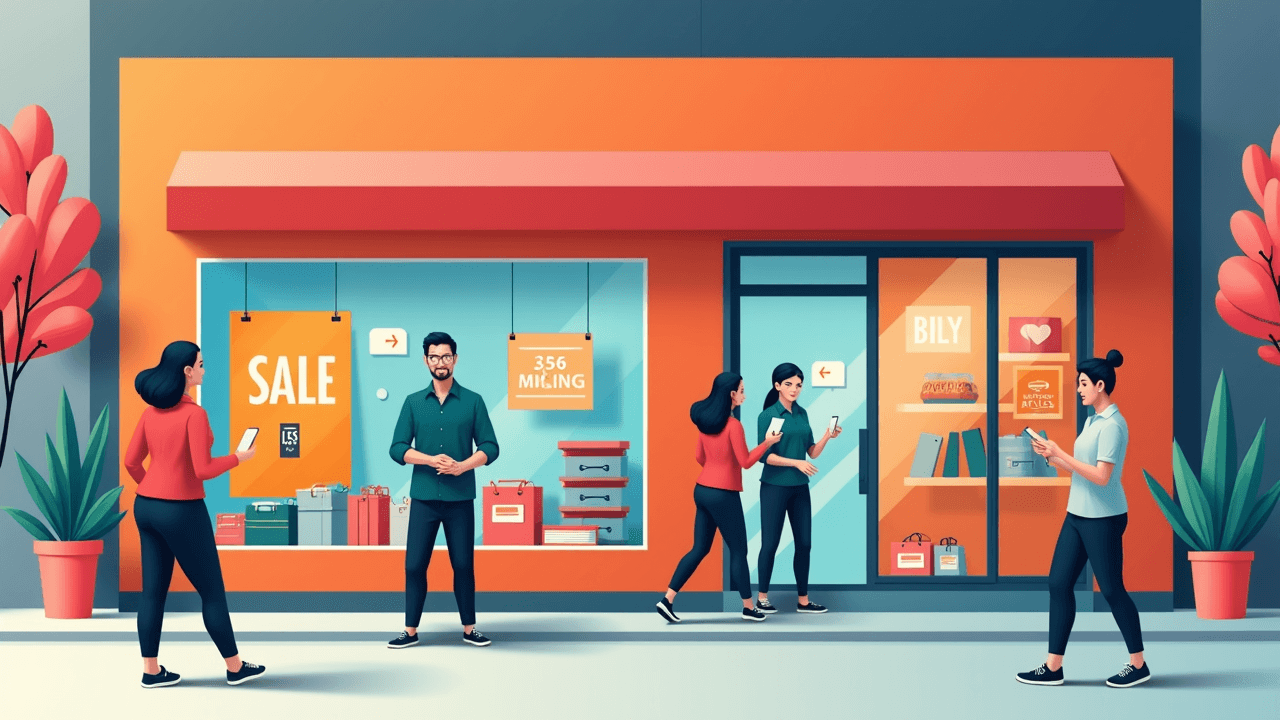
Boost your sales! Discover powerful discount strategies to attract more customers and enhance your business growth effectively.
In today’s competitive market, attracting customers is more crucial than ever. With countless options available, it takes more than just quality products or services to capture attention and drive sales. Enter discount strategies—the secret sauce to enhancing customer engagement and boosting revenue. By offering compelling discounts, businesses can entice new customers and reward existing ones, ultimately forging lasting relationships.
Understanding the nuances of effective discount strategies can be the game-changer for brands looking to thrive in 2026. This article delves into the various components of these strategies, highlighting their benefits, best practices, and common pitfalls to avoid. By the end, readers will be equipped with actionable insights to create discounts that not only attract more customers but also foster loyalty and growth in their brand. Let’s get started on the journey toward optimizing discount strategies!
Understanding Discount Strategies
Discount strategies are pivotal tools for businesses aiming to attract customers, boost sales, and enhance customer loyalty. They enable companies to engage various segments of the market through appealing offers, ultimately contributing to long-term profitability. By carefully planning and implementing these strategies, businesses can effectively respond to customer needs and market dynamics.
What Are Discount Strategies?
Discount strategies refer to the various approaches utilized by companies to reduce prices or offer incentives that encourage customer purchases. They serve multiple purposes, including clearing inventory, rewarding loyal customers, or enticing new buyers. By employing these strategies, businesses can create a sense of urgency and drive immediate sales.
Discount strategies can also help in positioning a brand in a highly competitive market, either by maintaining premium pricing or enticing consumers through attractive offers. Factors such as timing, target audience, and market trends play a significant role in determining the effectiveness of these strategies.
Types of Discount Strategies
There are several effective types of discount strategies that businesses can employ to generate sales and attract customers:
- Price Discounts: This is the most straightforward discount strategy, where products are offered at a reduced price for a limited time. Price discounts can be effective in clearing slow-moving stock or incentivizing first-time buyers.
- Volume Discounts: This strategy rewards customers who purchase in larger quantities. It encourages customers to buy more while saving money, which can lead to increased average order values. Retailers often utilize volume discounts in wholesale transactions or bulk purchases.
- Seasonal Discounts: These discounts are tied to specific seasons or holidays, such as Black Friday or back-to-school sales. Seasonal discounts can stimulate sales during off-peak times or capitalize on holiday shopping trends, enhancing brand visibility and sales performance.
- Promotional Discounts: Often linked to specific marketing campaigns, promotional discounts can include buy-one-get-one-free offers or discounts tied to specific product launches. These incentives not only attract new customers but also increase brand awareness and engagement.
In adopting discount strategies, businesses should carefully assess their objectives, target audience, and overall market trends. By thoughtfully implementing these approaches, they can build customer relationships and drive profitability effectively.
Benefits of Discount Strategies
Discount strategies are more than just a sales tactic; they serve as powerful tools to drive business growth and create lasting customer relationships. By implementing effective discount strategies, businesses can harness a plethora of advantages. Let’s delve into the key benefits that can elevate any brand’s success.
Increased Customer Acquisition
One of the most immediate effects of discount strategies is the surge in customer acquisition. Offers that showcase attractive discounts act as a clear incentive for new customers to make a purchase.
- First-Time Buyer Incentives: New customers are often hesitant to try a brand. A well-structured discount can be the nudge they need to make that first purchase.
- Targeted Promotions: Tailoring discounts for specific demographics or during promotional periods can attract a diverse customer base, expanding market reach.
By actively pursuing these strategies, businesses can efficiently grow their clientele and echo their presence in competitive markets.
Boosting Sales Volume
Discount strategies also play a crucial role in boosting sales volume.
- Promotes Bulk Buying: Customers are more inclined to purchase larger quantities when discounts are applied, leading to higher short-term revenue. For instance, “buy one, get one 50% off” encourages shoppers to stock up.
- Seasonal Sales and Events: Special sales events, such as Black Friday or seasonal clearance, create urgency, prompting customers to act fast and increase overall sales.
These tactics not only enhance immediate sales figures but can also elevate the brand’s visibility during key shopping periods. 📈
Enhancing Brand Loyalty
Beyond immediate acquisition and sales boosts, discount strategies can solidify long-term relationships with customers.
- Encouraging Repeat Business: By consistently offering discounts to loyal customers, businesses can foster a sense of appreciation, encouraging repeat visits.
- Personalized Discounts and Rewards: Personalized offers based on purchase history can make customers feel valued and recognized, enhancing their emotional connection to the brand.
Ultimately, developing a loyal customer base not only results in steady revenue but also creates brand advocates who can elevate the business through word-of-mouth recommendations. 💖
In embracing discount strategies, businesses can experience multifaceted benefits ranging from increased customer acquisition to fostering loyalty. Thus, these strategies are not merely a means to increase sales but also a robust approach to nurturing enduring relationships within the marketplace.
How to Craft Effective Discount Strategies
Creating effective discount strategies can be a game-changer for any business looking to boost sales and attract new customers. While it may seem straightforward, implementing the right discounts requires careful thought and consideration. By diving into key components such as understanding your target audience, setting clear objectives, determining the discount amount, crafting time-bound offers, and promoting those discounts effectively, businesses can optimize their approach to sales and foster stronger customer relationships.
Know Your Target Audience
Understanding the target audience is vital for creating discount strategies that resonate. Conducting thorough market research allows businesses to identify customer preferences, purchasing behaviors, and demographics. This insight is crucial because:
- Customers are more likely to respond positively to discounts that speak directly to their needs and interests.
- Tailoring promotions can lead to higher conversion rates, as discounts can be designed to align with specific buying patterns.
- Knowing the audience can help segment promotions, addressing different groups with tailored discounts.
By putting the customer’s preferences at the forefront, businesses can establish stronger connections and boost overall sales.
Set Clear Objectives
Discount strategies need clear, definable objectives to measure their effectiveness. Common goals include:
- Clearing outdated inventory.
- Attracting new customers to expand the market base.
- Increasing sales during off-peak seasons.
Being transparent about the primary objectives helps in shaping the discounts offered. For example, if the goal is to attract new customers, businesses might consider more substantial initial discounts or exclusive first-time offers that draw in potential buyers.
Determine Discount Amount
Calculating the right discount amount is essential for both enticing customers and maintaining business sustainability. As a general guideline:
- The discount should be attractive enough to motivate purchases but not so steep that it undermines the perceived value of products or services.
- Consider the costs involved to ensure that the discount remains profitable in the long run.
It’s important to analyze the potential impact of trial discounts versus more significant reductions. Striking the right balance can lead to long-term loyalty rather than short-term gains.
Create Time-bound Offers
Incorporating urgency into discount strategies can effectively stimulate quicker purchasing decisions. Limited-time offers capitalize on the fear of missing out (FOMO), prompting customers to act swiftly. Consider tactics such as:
- Creating exclusive flash sales that are only available for a few hours.
- Offering discounts that expire after a specific date, encouraging immediate action.
Building urgency can help increase sales velocity and engage consumers more fully in the shopping experience.
Promote Your Discounts
After designing discount strategies, effective promotion is crucial for success. Various channels can be leveraged to announce these offers, including:
- Utilizing social media platforms to reach a broader audience and engage with customers directly.
- Implementing email marketing campaigns that clearly communicate the value of the discounts and the time-sensitive nature of those offers.
- In-store signage that captures attention and clearly outlines promotional deals.
In doing so, businesses can maximize visibility and encourage customers to take advantage of discounts, turning interest into purchases. 🎉
By embedding these strategies into the core marketing approach, businesses can craft discount campaigns that not only attract customers but also drive sustainable growth and success. Making informed decisions based on a solid understanding of the audience and objectives ensures a stronger impact on overall sales performance.
Common Mistakes to Avoid with Discount Strategies
Implementing discount strategies can be a double-edged sword for businesses, as the potential for increased sales is often matched by the risk of eroding brand value. Navigating the delicate balance of offering discounts while maintaining perceived value requires careful consideration. Here are some common pitfalls to sidestep to ensure your discount strategies are both effective and sustainable.
Over-discounting
One of the most significant errors businesses make is over-discounting their products or services. While the idea of slashing prices to attract more customers may seem appealing, it can lead to detrimental long-term consequences.
- Diminished Perceived Value: Excessive discounts can cause customers to perceive a brand’s products as low quality or disposable. When prices are slashed too frequently, it can create a habit among customers to wait for sales instead of purchasing at regular prices. This reliance on discounts can severely impact overall profitability.
To maintain the integrity of your brand, it’s crucial to develop a disciplined approach to discounting. A strategic discount plan can limit the frequency and depth of discounts while still enticing customers.
Lack of Clear Communication
Discounts can be a powerful marketing tool, but they must be communicated effectively to avoid confusion.
- Terms and Conditions: It’s essential that customers fully understand the terms and conditions related to discounts. Ambiguity can lead to frustration, diminished trust, and ultimately, lost sales. By clearly articulating any limitations—such as expiration dates, eligibility requirements, or exclusions—businesses can foster a smoother transaction experience.
Take the time to ensure that promotional messages are straightforward. This clarity not only helps in building trust with your customers but can also improve customer satisfaction and encourage repeat business.
Ignoring Customer Feedback
Listening to customers may seem an obvious strategy in business, yet many overlook the importance of feedback in shaping their discount strategies.
- Adjustments Based on Feedback: By actively soliciting and valuing customer opinions regarding their discount experiences, businesses can fine-tune their offerings to better meet needs and expectations. Ignoring this feedback can lead to missed opportunities for improvement and may frustrate potential customers.
Encouraging an open dialogue with customers about discounts can not only enhance their shopping experience but can also secure their loyalty in a highly competitive market.
Final Thoughts
By avoiding these common mistakes—over-discounting, failing to communicate clearly, and neglecting customer feedback—businesses can create more effective discount strategies that engage customers without compromising brand integrity. Implementing thoughtful and well-informed discount practices can ultimately lead to increased sales while preserving the perceived value that drives customer loyalty. Always remember, in the world of discounting, less is often more! 🌟
Measuring the Effectiveness of Discount Strategies
Discount strategies can be a game-changer for businesses looking to boost sales and attract new customers. However, merely offering discounts is not enough; measuring their effectiveness is crucial for understanding their true impact. This section delves into three key methods to gauge the success of discount strategies: tracking sales performance, analyzing customer feedback, and evaluating long-term customer retention. By leveraging these metrics, businesses can refine their discount offerings and ultimately enhance their overall marketing strategy.
Track Sales Performance
One of the most straightforward ways to measure the effectiveness of discount strategies is by tracking sales performance. This involves a comprehensive analysis of sales data before, during, and after discount periods.
- Monitor Changes in Sales Volume: By examining fluctuations in sales volume across these timeframes, businesses can identify patterns and trends associated with their discount activities. For instance:
- Before Discounts: Understanding the baseline sales level allows for clearer comparisons.
- During Discounts: A noticeable spike can indicate a successful strategy, attracting new or hesitant customers.
- After Discounts: Evaluating whether the sales sustain themselves post-discount is critical in determining longevity and potential dependency on such promotions.
Regularly analyzing these metrics not only highlights the immediate impact of discounts but also assists businesses in forecasting future sales cycles.
Analyze Customer Feedback
Customer feedback is a treasure trove of insights that can significantly influence a business’s approach to discount strategies. Surveying customers to gauge their response can uncover valuable data regarding their satisfaction and perception of the discounts offered.
- Surveys and Polls: Engaging customers through questions can reveal their motivations for purchasing during sales. Consider utilizing:
- Post-Purchase Surveys: Asking customers what prompted their purchase can yield insights into the effectiveness of the discount.
- Feedback Forms: Gathering thoughts on the perceived value of the discount offers can help in refining future strategies.
Capturing this feedback allows businesses to tailor their offerings more closely to their customer base, enhancing both satisfaction and brand loyalty.
Evaluate Long-term Customer Retention
Finally, assessing the long-term impact of discount strategies on customer retention is crucial for sustainable growth. After implementing discounts, it’s important to track whether they lead to increased customer loyalty over time.
- Retention Metrics: Measuring the percentage of customers returning for repeat purchases after benefitting from a discount is essential. Use tools such as:
- Customer Lifetime Value (CLV): This metric can reveal whether discounted purchases contribute to a higher lifetime value compared to non-discounted purchases.
- Re-Engagement Rates: Analyzing how many customers return post-discount can indicate whether the discounts have generated lasting relationships.
Having a comprehensive view of customer retention trends can inform future discount policies, ensuring they not only attract customers initially but also foster a loyal clientele.
With the right measurement strategies in place, businesses can confidently adjust their discount approaches and continue to drive sales while keeping clients satisfied and returning for more. Through careful analysis of sales performance, customer feedback, and long-term retention, the effectiveness of discount strategies can be fully realized.
Conclusion
As businesses navigate the dynamic marketplace, implementing effective discount strategies can be a game-changer in attracting more customers and driving sales. By understanding the various methods available and avoiding common pitfalls, retailers can foster customer loyalty while enhancing their brand presence. 💡 For those seeking affordable merchandise to support their discount initiatives, Four Seasons General Merchandise offers a vast selection of products tailored for dollar stores, supermarkets, and more. Explore their offerings for your next successful campaign!
Remember, the right discount strategy doesn’t just increase sales; it lays the foundation for lasting customer relationships.
Frequently Asked Questions
- What are effective discount strategies to attract more customers?
Effective discount strategies include offering percentage-off sales, buy-one-get-one-free promotions, limited-time offers, loyalty discounts, and seasonal sales to entice new customers and encourage repeat business.
- How can I determine the right discount percentage to offer?
To determine the right discount percentage, analyze your profit margins, consider your competitors’ pricing, test different discount levels, and assess customer behavior to find a balance that maximizes sales without eroding profits.
- Should I promote my discounts on social media?
Yes, promoting discounts on social media is an effective way to reach a larger audience, engage with customers, and create buzz around your offers. Utilize eye-catching visuals and compelling messages to draw attention to your discounts.
- How often should I use discount strategies for my business?
The frequency of using discount strategies depends on your business model and market. Regularly offering discounts during holidays, special events, or customer appreciation days can be beneficial, but ensure that they don’t diminish perceived value.
- How can discounts improve customer loyalty?
Discounts can improve customer loyalty by rewarding repeat purchases and showing appreciation for returning customers. Implementing loyalty programs that incorporate exclusive discounts incentivizes customers to keep coming back for more.
