
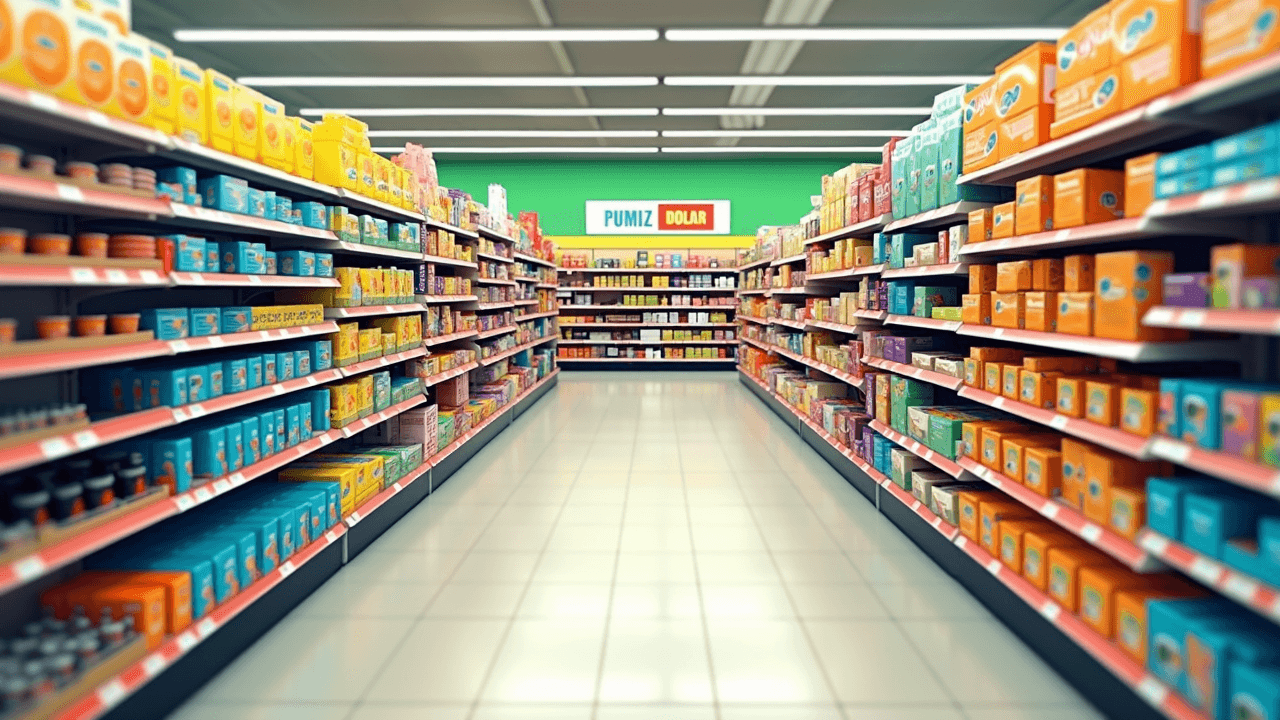
Discover essential tips for optimizing dollar store layout and design to enhance customer experience and boost sales effectively.
When it comes to running a successful dollar store, the layout and design play a pivotal role in attracting customers and maximizing sales. A well-thought-out store layout not only enhances the shopping experience but also encourages impulse buying, making it essential for dollar store owners to understand how to effectively utilize their space.
Imagine walking into a store where every aisle leads you to great deals, where products are displayed enticingly, and where you feel encouraged to explore. This engaging experience doesn’t happen by chance; it is the result of strategic planning and design.
In this article, we will delve into essential tips for dollar store layout and design, covering everything from understanding how layout impacts shopping behavior to incorporating smart design elements that create a customer-centric experience. Whether you are launching a new store or looking to revamp your existing layout, the insights shared here will set you on the path to success. Let’s embark on this journey to create an inviting shopping environment that not only meets but exceeds customer expectations!
Understanding Dollar Store Layout
Importance of Store Layout
The layout of a dollar store plays a pivotal role in shaping the shopping experience. It’s often the first interaction customers have with the store and sets the tone for their visit. A well-considered layout not only facilitates an enjoyable shopping experience but also encourages customers to explore and discover products they might not have initially intended to buy.
- Customer Navigation: A well-structured layout guides customers through the store seamlessly, helping them find items easily and reducing their frustration.
- Impulse Buys: Strategic placement of products can lead to increased impulse purchases, which are crucial for enhancing sales in a discount store environment.
- Brand Image: The layout can reflect the store’s brand identity, potentially creating a unique shopping atmosphere that resonates with the target audience.
Creating an engaging shopping environment is essential for fostering customer loyalty and encouraging repeat visits.
Common Layout Types
Dollar stores commonly use a variety of layout types, each with its own merits and practical applications. Understanding these layouts can help store owners maximize space and improve shopper flow.
1. Grid Layout
The grid layout is a popular choice for dollar stores, providing a straightforward and organized approach.
| Pros | Cons |
|---|---|
| Easy for customers to navigate | Can feel monotonous |
| Maximizes product visibility | Less flexibility in display |
| Efficient use of space | Reduces the element of surprise |
With aisles that run parallel, this layout makes it easy for shoppers to find specific items without much backtracking.
2. Free-Flow Layout
The free-flow layout is more flexible and inviting, designed to encourage exploration and create an engaging environment.
| Pros | Cons |
|---|---|
| Promotes a pleasant shopping atmosphere | Can lead to confusion without signage |
| Easier to adapt to seasonal changes | May reduce overall visibility of products |
| Creates natural flow between sections | Can require more staff support for navigation |
In this layout, fixtures are arranged in a more organic fashion, prompting customers to browse more spontaneously while discovering unexpected finds along the way. 🎉
Grid vs. Free-Flow Layout
When deciding which layout to implement, store owners must consider their target audience, product types, and overall shopping goals.
- Grid Layout is best suited for stores that prioritize efficiency and organized shopping. It works wonderfully in scenarios where customers are likely to know what they’re looking for and want to find it quickly.
- Free-Flow Layout fosters an exploratory shopping environment, ideal for stores that offer a diverse range of products, where discovering unique or seasonal items could enhance the shopping experience.
Ultimately, the choice between a grid and a free-flow layout hinges on balancing efficiency with engagement. A dollar store that thoughtfully considers its layout will create an inviting atmosphere that not only attracts but retains customers.
Key Design Elements
Creating a captivating shopping experience is an art, and it hinges significantly on thoughtful design elements. From the moment a customer approaches the store to the final checkout process, each aspect plays a vital role in influencing their purchasing journey. Let’s explore the key design elements that can elevate any retail space.
Store Entrance
The store entrance serves as the first impression, and it should be nothing short of inviting. A well-designed entrance draws customers in, making them feel welcome and curious about what lies inside. Key considerations for the store entrance include:
- Accessibility: Ensure that the entrance is easily reachable for everyone, including individuals with disabilities. This inclusivity not only reflects a brand’s values but also expands the customer base.
- Visual Appeal: Implement engaging displays or seasonal decorations to capture the attention of passersby. 🌟
An eye-catching entrance can significantly increase foot traffic, setting the tone for an enjoyable shopping experience.
Aisle Arrangement
Once inside, a well-thought-out aisle arrangement is crucial for positive navigation. A well-planned layout reduces confusion and enhances product visibility, which can lead to increased sales. Consider these factors when arranging aisles:
- Wide Aisles: Providing ample space allows customers to move freely and reduces the feeling of crowding.
- Logical Flow: Organize products in a way that makes sense to shoppers. For example, placing related products near each other encourages exploration.
By facilitating easier navigation, customers are more likely to spend time browsing, which can encourage spontaneous purchases.
Product Placement
The strategic placement of products can dramatically influence buying decisions. Here are a few tips on how to optimize product visibility:
- Eye-Level Strategy: Place high-margin items at eye level for maximum visibility, drawing attention immediately.
- End Caps: Utilize end-cap displays for promotions or seasonal goods. These prime spots attract customers as they navigate aisle intersections.
Thoughtful product placement taps into psychological triggers, encouraging customers to pick up items they might not have initially intended to buy.
Checkout Area
The checkout area is the final stage of the shopping experience and should be designed to keep the process smooth and efficient. A well-planned checkout can enhance customer satisfaction. Consider implementing the following:
- Impulse Buys: Stock the checkout area with small, enticing products to encourage additional purchases while customers wait in line. 🎉
- Clear Signage: Make sure that signs indicate how many registers are open and where the lines begin to reduce confusion.
An inviting and well-organized checkout area reinforces a positive retail experience, potentially turning first-time shoppers into loyal customers.
By incorporating these key design elements, retailers can create an engaging and efficient shopping environment that not only attracts customers but also retains them for the long haul. Each aspect—from the entrance to checkout—contributes to the overarching shopping experience, building brand loyalty and driving sales.
Creating a Customer-Centric Experience
Creating a customer-centric experience is essential for businesses striving to earn loyalty and enhance satisfaction. Companies that prioritize the needs and behaviors of their customers often witness increased sales and a robust reputation. This article delves into key strategies that can help businesses create environments that resonate with their clientele.
Understanding Customer Flow
Understanding customer flow enables businesses to strategically arrange their items to maximize access and encourage purchasing behavior. By studying the paths customers take within a space, businesses can optimize their layouts to foster impulse buys and effectively showcase products. Key considerations might include:
- High-Traffic Areas: Place best-sellers or promotional items in these zones to capture immediate interest.
- Pathway Design: Create a logical flow that guides customers naturally through the space without confusion.
- Engagement Zones: Designate areas for customers to pause and interact with products, enhancing their shopping experience.
Realizing how customers navigate a store can transform mundane transactions into opportunities for elevated engagement, leading to increased sales.
Utilizing Visual Merchandising
Visual merchandising goes beyond simply placing items on shelves; it encompasses the art of creating compelling displays that attract attention and entice customers. Effective visual merchandising can significantly enhance product attractiveness and customer engagement, including:
- Creative Displays: Utilize themes or seasonal displays that resonate with emotions and lifestyle aspirations, compelling customers to explore further.
- Color and Lighting: Use colors that evoke specific moods or feelings while ensuring adequate lighting highlights key products.
- Interactive Elements: Introduce features that engage customers, such as product sampling stations or digital displays that provide additional information.
By crafting visually appealing environments, businesses can stimulate customer interest and drive sales effectively. Retailers and marketers alike should focus on ensuring that every display tells a story, inviting customers into a unique experience.
Incorporating Signage and Labels
Signage and labels play a pivotal role in enhancing the customer journey. They guide and inform customers, making their shopping experience more seamless. Effective signage and labels should:
- Be Clear and Concise: Use legible fonts and straightforward language to convey important information quickly.
- Highlight Offers: Special deals and promotions should be prominently displayed to catch the eye and encourage impulse purchases.
- Reflect Branding: Ensure that signage aligns with the overall brand identity, reinforcing recognition and familiarity.
When signage is utilized thoughtfully, it can act as a silent salesperson, providing essential information that aids decision-making while enhancing the overall shopping experience.
Emphasizing a customer-centric approach is fundamental to achieving long-term success. By understanding customer flow, utilizing creative visual merchandising, and incorporating effective signage, businesses can create an inviting atmosphere that not only meets but exceeds customer expectations. This strategy fosters loyalty, encourages repeat visits, and ultimately leads to sustainable growth. 🌟
Maximizing Small Spaces
Maximizing small spaces can be a delightful challenge, offering creative opportunities to enhance functionality while maintaining aesthetics. With an understanding of how to effectively utilize every inch, individuals can transform cramped quarters into inviting and practical environments. Let’s explore some key strategies.
Utilizing Vertical Space
Harnessing vertical space is a game changer in small area design. By extending storage upwards, one can free up valuable floor space.
- Shelves: Installing shelves can dramatically increase storage capacity without cluttering the ground. Opt for floating shelves to create a modern touch while keeping displays minimalistic and chic.
- Hanging Displays: Consider wall-mounted hooks or racks to showcase items like plants, art, or everyday essentials. This not only maximizes space but also adds character and charm.
“Vertical space can be used effectively with shelves and hanging displays to maximize storage capacity without overcrowding.”
Multi-functional Displays
In small areas, every piece of furniture can serve more than one purpose. Multi-functional displays are a smart investment for anyone looking to optimize space.
- Convertible Furniture: Items such as a sofa bed or an expandable dining table can adapt to varying needs while saving space.
- Storage Ottomans: These are excellent for extra seating and can also hide clutter, maintaining a tidy aesthetic.
Embracing these innovative pieces allows for seamless transitions in use, making it easier to adapt to ever-changing activities.
Strategic Use of Lighting
Lighting can make a profound difference in how a small space feels. Proper illumination creates an illusion of openness and warmth.
- Natural Light: Utilizing large windows or mirrors can amplify the availability of natural light, making rooms feel larger.
- Layered Lighting: Combine ambient, task, and accent lighting for versatility. This can set the mood and enhance the functionality of the space, ensuring areas are well-lit when needed.
By strategically placing lights, one can optimize any small space, providing both warmth and illusion of grandeur.
Maximizing small spaces involves a thoughtful blend of design strategy and innovation. With these insights, one can expertly transform tiny nooks into stunning, multi-functional havens. Embracing verticality, multi-functional furniture, and clever lighting solutions can turn any limited area into a stylish and inviting place to live. 🌟
Seasonal Layout Adjustments
Creating a vibrant and inviting store atmosphere is vital for engaging customers year-round. Seasonal layout adjustments not only reflect the changing times but also keep the shopping experience fresh, encouraging repeat visits. By strategically adapting layouts for different seasons and holidays, retailers can effectively enhance customer satisfaction and boost sales.
Adjusting for Holidays
The holiday season brings unique opportunities for businesses to catch the eye of patrons. From festive decorations to targeted displays, adjusting the store layout can significantly influence purchasing behavior. Here are some effective strategies to consider:
- Thematic Decorations: Utilize eye-catching displays that resonate with the holiday spirit—think Halloween pumpkins, Thanksgiving harvest, and bright Christmas lights. 🎃🎄
- Seasonal Items Prominence: Place seasonal merchandise prominently at the entrance or in high-traffic areas. This will draw customers in and make it easy for them to find what they want.
- Interactive Stations: Create engaging areas for customers to experience products hands-on, such as holiday-themed sampling stations or DIY gift stations.
He/she/they should consistently assess the effectiveness of the layout adjustments. Observing customer interactions can provide insights into what works best during specific holidays.
Rotating Stock Based on Seasonality
Beyond just decorating for holidays, maintaining a flexible layout by rotating stock according to seasonality can lead to a more dynamic shopping environment. This involves strategically planning which products to highlight based on seasonal trends. Consider these approaches:
- Product Placement: Organize items by category and seasonality. For instance, have summer essentials like sunscreen and beachwear readily available as temperatures rise, while winter gear can take center stage as the colder months approach. 🏖️❄️
- Promotional Signage: Use signs and banners to communicate seasonal promotions. This not only attracts customers to the right products but can also spark urgency around limited-time offers.
- Feedback Incorporation: Utilize sales data and customer feedback to refine product offerings seasonally. Establishing a system for collecting this information can enhance future layout adjustments.
By embracing seasonal layout adjustments, retailers can create a shopping environment that feels relevant and appealing. This not only encourages engagement but fosters a sense of excitement among customers, leading to sustained business growth. Adapting quickly to seasonal themes and smart stock rotation can transform any retail space into a thriving hub of activity.
Tips for Efficient Inventory Management
Efficient inventory management is crucial for businesses aiming to streamline operations and maximize profitability. Properly managing inventory not only saves time and money but also enhances customer satisfaction by ensuring product availability. Here, we delve into vital strategies for effective inventory management, focusing on organizing stockrooms and conducting regular stock audits.
Organizing Stockrooms
A well-organized stockroom is a game changer when it comes to managing inventory efficiently. Here are some impactful tips for getting started:
- Labeling: Clearly label all shelves and bins. This eliminates confusion when employees are searching for specific items and accelerates the picking process.
- Categorization: Group similar items together. For example, place all electronics in one section and all office supplies in another. This systematic approach makes it easier to locate products quickly.
- Utilize Vertical Space: Don’t forget to make the most of vertical space in the stockroom. Use shelving units and racks to keep items off the floor while maximizing storage capacity. This not only improves accessibility but also enhances safety by reducing clutter.
- Regular Maintenance: Encourage staff to maintain organization. Regularly remind them to return items to their designated places after use.
Organizing stockrooms can ease the process of restocking and maintaining inventory levels, ultimately contributing to a smoother workflow and helping businesses react swiftly to stock demands.
Regular Stock Audits
Conducting regular stock audits is an essential practice for any business aiming to maintain accurate inventory records. Here’s how to implement effective stock audits:
- Establish a Schedule: Set a fixed schedule for audits, whether monthly, quarterly, or semi-annually. Consistency is key to identifying discrepancies in inventory levels.
- Use Technology: Leverage inventory management software to automate and streamline the audit process. Many modern systems offer real-time tracking and reporting features that make it easier to spot inconsistencies.
- Involve Staff: Engage team members in audits to foster a culture of accountability. With everyone involved, discrepancies are more likely to be reported and investigated promptly.
- Analyze Results: After each audit, take the time to analyze the findings. Identify why discrepancies occurred and implement strategies to prevent them in the future. This continuous improvement approach is vital for reducing errors and optimizing inventory management.
Regular stock audits provide firms with a clear picture of their inventory status and help mitigate issues before they escalate, ultimately ensuring that the business runs smoothly and effectively.
Incorporating these efficient practices into inventory management not only enhances operational practices but also positions businesses for ongoing success in a competitive marketplace. By focusing on organization and regular audits, companies can maintain clear visibility over their stock levels and encourage ongoing efficiency. 🏷️✨
Conclusion
When it comes to creating a successful dollar store, every detail matters. From understanding the fundamentals of store layout to maximizing unique design elements, these tips can significantly impact customer satisfaction and sales.
By adopting strategies like effective inventory management and seasonal adjustments, you can keep your store fresh and appealing. Don’t forget that engaging displays and clear signage can enhance the shopping experience, making customers want to return.
For retailers seeking to stock up on a variety of general merchandise, Four Seasons General Merchandise offers an extensive selection that suits all types of dollar stores and discount retailers. Discover how the right merchandise can elevate your store’s appeal by checking out our offerings at Four Seasons General Merchandise. 🛒
Frequently Asked Questions
- What are some essential tips for designing a dollar store layout?
Essential tips for designing a dollar store layout include optimizing traffic flow, utilizing eye-catching displays, grouping products by categories, ensuring clear signage, and keeping high-demand items easily accessible.
- How can I create an inviting atmosphere in a dollar store?
To create an inviting atmosphere in a dollar store, use bright lighting, maintain cleanliness, utilize attractive signage, and strategically place promotional displays to enhance the shopping experience.
- What areas of a dollar store should have the most foot traffic?
The checkout area, entrances, and sections featuring seasonal or promotional items typically experience the most foot traffic. It’s essential to design these areas to attract and engage customers effectively.
- How can I maximize product visibility in my dollar store?
Maximize product visibility by using vertical space with shelves, creating end-cap displays, arranging products at eye level, and using well-placed lighting to draw attention to featured items.
- Should I consider customer demographics when designing my dollar store?
Absolutely! Understanding your customer demographics is crucial when designing your dollar store layout. Tailor your product placement, signage, and overall design to cater to the preferences and shopping behavior of your target audience.
