
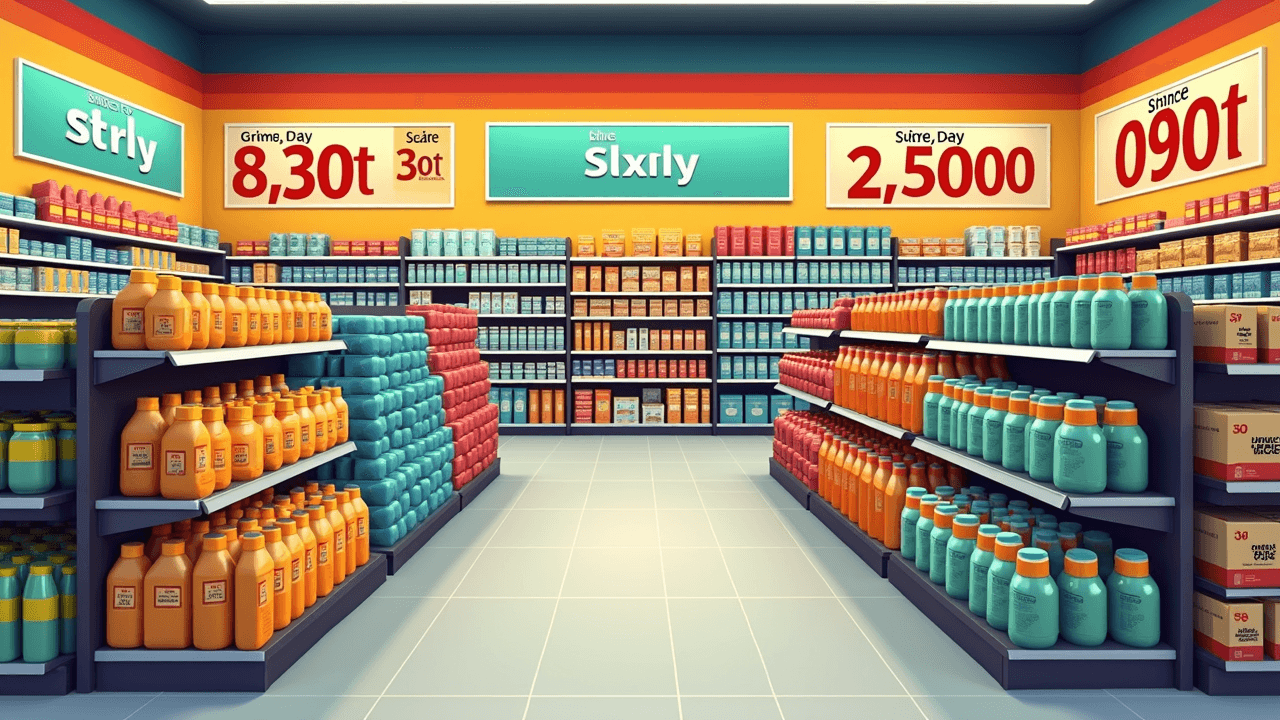
Explore effective dollar store promotions that boost sales and increase profit. Learn strategies to attract customers and enhance your revenue.
In the competitive landscape of retail, dollar stores have carved out a unique niche by providing customers with affordable products without compromising on quality. As consumers increasingly seek value in every dollar spent, leveraging effective promotions becomes essential for dollar store owners aiming to drive sales and enhance profitability. With the right promotional strategies, these retailers can attract new customers, boost repeat business, and create a loyal brand following.
This article delves into various aspects of dollar store promotions, offering insights into effective strategies tailored specifically for this market segment. From understanding the importance of promotions to exploring in-store tactics and digital outreach, readers will discover comprehensive approaches designed to optimize sales and fortify the bottom line.
Let’s explore how mastering the art of promotions can not only attract traffic but also foster lasting customer relationships in the dollar store industry. 🌟
Understanding Dollar Store Promotions
Dollar store promotions serve as a pivotal strategy in the retail landscape, significantly impacting customer engagement and sales performance. These promotions are specifically designed to attract new customers while retaining existing ones, creating a dynamic shopping experience that encourages repeat visits.
Engaging promotions can help build brand loyalty by offering customers value through exciting deals and unique offerings. This approach not only enhances the shopping experience but also fosters a sense of community around the dollar store brand. In an industry where competition is fierce, effective promotional strategies can differentiate a dollar store from its competitors, making them an essential component of successful retail operations.
Key Benefits of Promotions:
- Attracting New Customers: Promotions create buzz and draw in shoppers who may not have considered visiting otherwise.
- Encouraging Repeat Business: When customers perceive they are getting a great deal, they are likely to come back for more.
- Enhancing Brand Loyalty: Regular promotions can lead to a loyal customer base that returns consistently for their favorite bargains.
Types of Promotions
The diversity of promotions found in dollar stores is a key aspect of their appeal. Below are some common types of promotions that effectively engage customers and activate interest:
- Discounts: Offering a percentage off certain items is a classic promotional strategy that resonates well with budget-conscious shoppers. This can include seasonal sales or clearance events to move inventory.
- Buy-One-Get-One-Free (BOGO): This enticing offer encourages shoppers to purchase more items than they initially intended, stimulating impulse buys. It capitalizes on the ‘more for less’ principle that dollar stores exemplify.
- Special Event Sales: Promotions tied to holidays or local events create timely excitement. For example, back-to-school sales or holiday-themed discounts can drive foot traffic significantly during peak buying seasons.
- Loyalty Programs: Some dollar stores have started implementing customer loyalty programs to reward frequent shoppers with points or discounts on future purchases. This not only incentivizes more purchases but also helps in gathering valuable data about customer preferences.
- Limited Time Offers: Scarcity can drive urgency. Offering a special deal for a limited time prompts customers to act quickly, creating an exhilarating shopping atmosphere.
By blending various types of promotions, dollar stores can maintain customer interest and ensure their sales strategies align with market trends. This flexibility in promotions allows them to meet the unique needs of their clientele effectively, ensuring they remain a go-to option for budget-friendly shopping.
“Promotions are critical for attracting new customers and retaining existing ones,” as highlighted in the retail community, and dollar stores have mastered this art to great effect!
Effective Promotion Strategies
Seasonal Promotions
Seasonal promotions are a powerful tool in any marketer’s arsenal, particularly as they align with holidays, festivals, and significant events throughout the year. By capitalizing on these specific times, businesses can boost sales and engage customers. For example, a great way to attract attention is through festive offers during Christmas or Valentine’s Day.
- Timing is Everything: Launching promotions well in advance of a holiday can build anticipation and excitement.
- Tailored Marketing Messages: Customizing marketing messages to reflect the season’s themes can resonate more deeply with customers. For instance, using warm colors and festive imagery during the winter holidays can evoke feelings of nostalgia and cheer.
- Bundle Offers: Combining products or services that complement each other can enhance perceived value. For example, offering a discount on paired items during a holiday can entice shoppers to buy more.
Remember, successful seasonal promotions hinge on creativity and relevance, making it crucial for businesses to consider not only the products they offer but also how they present them. Embracing seasonal trends can create meaningful connections with customers, leading to increased loyalty and repeat purchases.
Clearance Sales
Clearance sales are not just a method for clearing out old stock; they can also serve as a strategic promotional opportunity. These sales can attract price-sensitive customers and turn potential losses into sales opportunities. Here are some effective strategies businesses can employ when planning clearance sales:
- Highlight Sought-After Items: Promoting items that have been popular can create urgency and encourage customers to act swiftly.
- Use Eye-Catching Marketing Techniques: Bold signage and catchy headlines can attract attention both in-store and online, ensuring maximum visibility.
- Create Scarcity: Phrases like “limited stock” or “while supplies last” can motivate customers to make quicker purchasing decisions.
By effectively managing clearance sales, companies can not only make room for new inventory but also maintain steady cash flow while strengthening customer relationships through perceived value and savings.
Limited Time Offers
The excitement of a limited-time offer can be intoxicating, leading to an immediate boost in sales and customer engagement. These strategies create urgency and compel consumers to take action before the deal disappears. To maximize the effectiveness of such offers, businesses should consider these points:
- Clear Communication: Clearly stated timeframes can help customers understand the urgency. For instance, using countdown timers on websites can heighten the sense of immediacy. ⏳
- Exclusive Deals for Members: Implementing limited-time offers for loyalty program members can incentivize sign-ups. This not only rewards loyal customers but also helps grow the business’s customer base.
- Regularly Rotate Offers: Ensuring that limited-time offers periodically change keeps customers coming back to check for new deals, which boosts both traffic and conversions.
Incorporating limited-time promotions can not only enhance sales but also foster a thriving marketplace where customers feel they’re getting exclusive opportunities. Integrating these strategies consistently will lay the foundation for a dynamic and responsive sales approach that adapts to consumer behavior.
With these effective promotion strategies at hand, businesses can find compelling ways to attract customers, enhance their shopping experience, and boost overall revenue. Embracing creativity and intentionality in promotional efforts can lead to exceptional results—and that’s a fantastic opportunity waiting to be tapped into.
Utilizing Digital and Social Media for Promotions
In the ever-evolving landscape of marketing, utilizing digital and social media for promotions has become essential. Companies today can connect with customers in a more direct and engaging way than ever before. Whether through vibrant social media campaigns, personalized email marketing, or enticing online coupons, businesses harness these tools to drive engagement and boost sales. Let’s delve into each of these promotional strategies.
Social Media Campaigns
Harnessing the power of social media is a game-changer for businesses looking to promote special offers. By creating captivating campaigns on platforms like Facebook, Instagram, or Twitter, companies can engage customers through interactive content, eye-catching visuals, and timely posts.
Here are some effective tactics for successful social media campaigns:
- Targeted Ads: Use precise targeting features to reach specific demographics, ensuring that promotions reach the right audience.
- Engagement-Driven Content: Encourage customers to interact with your brand through contests, polls, or challenges, creating a sense of community.
- Influencer Collaborations: Partnering with influencers can broaden outreach and lend credibility to promotions.
As a result, employees can witness firsthand how customers react and interact with special offers in real time, providing valuable insights for future campaigns.
Email Marketing
Email marketing is another cornerstone of digital promotions, offering a direct line of communication to loyal customers. By sending personalized emails, businesses can inform them about upcoming promotions and exclusive deals.
Key benefits of email marketing include:
- Direct Engagement: It allows for personalized content tailored to customer preferences, leading to higher open and conversion rates.
- Cost-Effectiveness: Email marketing tends to have a lower cost per acquisition compared to traditional advertising methods.
- Measurable Results: Email marketing platforms provide analytics to assess open rates, click-through rates, and conversion rates, guiding future strategies.
By focusing on building a robust email list and employing segmentation techniques, companies can create relevant campaigns that resonate with their audience, ensuring they know about every exciting promotion on offer.
Online Coupons
Online coupons are an effective method to drive traffic and convert potential customers into loyal shoppers. They can be easily shared across social media platforms, embedded in emails, or hosted on company websites.
Consider these approaches when crafting online coupon campaigns:
- Limited-Time Offers: Imposing urgency with expiration dates encourages quick action from customers.
- Social Sharing Incentives: Offer discounts in exchange for social media shares, amplifying marketing reach.
- Newsletter Exclusives: Share unique coupon codes with newsletter subscribers, fostering a sense of community among loyal customers.
When designed effectively, online coupon promotions can stimulate sales and provide insightful data regarding customer preferences and behaviors.
The integration of these digital marketing strategies is vital for businesses looking to enhance their promotional efforts. By embracing the potential of social media campaigns, email marketing, and online coupons, companies can strengthen their connection with customers, promote special offers effectively, and ultimately drive sales growth in today’s competitive market.
In-Store Promotional Tactics
In the dynamic world of retail, in-store promotional tactics are crucial for attracting customers and boosting sales. These strategies not only enhance the shopping experience but also create an inviting environment that encourages purchases. Retailers must employ a variety of approaches to engage shoppers effectively. Here, we explore three essential in-store promotional tactics: eye-catching displays, point-of-sale promotions, and staff training for upselling.
Eye-catching Displays
Eye-catching displays serve as the storefront’s first impressions, luring customers into stores and encouraging them to explore further. These visual merchandising strategies can significantly impact impulse buying, as an attractive display can draw customers toward products they may not have intended to buy.
- Effective Use of Color: Bright, bold colors can attract attention and evoke emotions.
- Creative Themes: Seasonal themes or story-based displays can resonate with shoppers, making products more relatable.
- Interactive Elements: Incorporating touchable products or interactive technology can engage customers on a deeper level.
Implementing these strategies can transform a typical shopping experience into a memorable one, ultimately driving sales. As one retailer noted, “A well-placed and visually appealing display can make all the difference in a customer’s decision to buy.” 🛍️
Point-of-Sale Promotions
Point-of-sale (POS) promotions are designed to capture customers right at the moment they are ready to make a purchase. By strategically placing promotions near checkout areas, retailers can encourage shoppers to add items to their baskets last minute.
- Limited-Time Offers: Limited-time promotions can create a sense of urgency, prompting customers to act quickly.
- Bundling Products: Offering discounts on bundled products at the checkout can enhance perceived value and drive conversions.
- Reward Programs: Implementing loyalty programs at the POS can engage customers and promote repeat visits.
Successful POS promotions not only increase average transaction value but also elevate customer satisfaction, as shoppers often appreciate the added value.
Staff Training for Upselling
Well-trained staff can significantly elevate the shopping experience through effective upselling techniques. When employees are knowledgeable about the products and trained in customer interactions, they can tailor their approach to meet shopper needs.
Key Areas for Staff Training:
- Product Knowledge: Ensuring staff are well-versed in product features, benefits, and comparisons helps them make informed suggestions.
- Sales Techniques: Training on how to read customer cues and respond accordingly can lead to more successful upselling.
- Building Rapport: Teaching staff to connect with customers on a personal level fosters trust, making upselling feel natural rather than pushy.
When employees actively engage with customers and suggest complementary items, it fosters a positive shopping experience while boosting sales.
Utilizing these in-store promotional tactics can effectively enhance a retailer’s sales strategy and create a memorable shopping atmosphere. By focusing on eye-catching displays, enticing point-of-sale promotions, and well-trained staff, stores can significantly influence customer behavior and drive revenue growth. The integration of these strategies allows retailers to create a thriving environment where both sales and customer satisfaction flourish.
Measuring the Success of Promotions
Promotions are pivotal in enhancing a brand’s visibility and capturing customer interest. Understanding how to effectively measure the success of these promotions can provide valuable insights that drive future marketing strategies. By analyzing key metrics, gathering customer feedback, and adjusting strategies based on data, businesses can optimize their promotional efforts to achieve better results.
Sales Metrics
Sales metrics serve as foundational indicators of a promotion’s success, helping businesses quantify the financial impact of their marketing efforts. By closely monitoring specific metrics, companies can garner insights into customer behavior and overall effectiveness of their promotions. Below are essential sales metrics to consider:
- Sales Volume: This metric reflects the total quantity of products sold during a promotion, providing a clear picture of immediate customer response 🛒.
- Profit Margins: It’s vital to analyze whether promotions are contributing to overall profitability. Higher sales volumes don’t always equate to higher profits, so understanding the margins involved is crucial.
- Customer Acquisition Rates: Tracking how many new customers were attracted during promotions can illuminate the effectiveness of targeted marketing strategies.
Together, these metrics help gauge the financial implications of promotional activities, enabling businesses to make informed decisions.
Customer Feedback
Customer feedback is an invaluable tool for assessing the qualitative aspects of a promotion. Engaging with customers to gather their opinions can uncover insights that numbers alone may not reveal. Here are a few effective ways to collect customer feedback:
- Surveys: Conducting surveys can help understand customer satisfaction levels related to the promotion. Questions can focus on the appeal of the offer, ease of purchase, and overall experience.
- Social Media Monitoring: Observing interactions and comments on social media platforms can provide real-time insights into customer sentiments. Positive 🥳 and negative 😡 reactions can help adjust future promotions accordingly.
- Direct Communication: Encouraging direct communication through email or customer service channels provides customers with a platform to express their views, which can be beneficial for continuous improvement.
By actively seeking out customer feedback, businesses can refine their promotional strategies and enhance the overall customer experience.
Adjusting Strategies Based on Data
Innovation is at the heart of successful marketing strategies, and data-driven adjustments are essential to keep promotions relevant and effective. Leveraging the data collected from sales metrics and customer feedback allows marketers to hone their strategies and make necessary changes. Consider these steps to effectively adjust promotions:
- Analyze Trends: Look for patterns within sales data—are certain products performing better during specific promotions? Recognizing these trends can shape future offers.
- Test and Iterate: Launching ‘A/B tests’ can provide insights into different promotional approaches, ensuring that the strategies employed resonate with the target audience.
- Stay Flexible: The marketing landscape can shift rapidly, so maintaining the flexibility to adapt promotional strategies helps safeguard against unexpected changes in customer behavior.
By integrating these insights into promotional planning, businesses not only enhance the efficiency of their campaigns but also build stronger relationships with their customers.
The success of promotions is intertwined with comprehensive analysis and adaptability. Companies that effectively measure their promotional success, by focusing on sales metrics, customer feedback, and strategic adjustments, will thrive in the competitive marketplace. 💪
Challenges in Promotion Execution
Promoting a product or service can be a thrilling endeavor, yet it often comes with a set of unique challenges that can impact the overall success of a campaign. In the world of marketing, effectively navigating these challenges is essential to not just capturing the audience’s attention, but also ensuring that promotions achieve their intended goals. Here, we explore three critical areas that organizations frequently encounter during promotion execution: Inventory Management, Customer Perception, and Competition Awareness.
Inventory Management 📦
Effective inventory management is crucial to ensure availability during promotions. When planning promotional activities, brands must anticipate the demand that heightened visibility will create. A well-managed inventory acts as the backbone of any successful promotion.
- Understocking: If a brand does not stock enough inventory to meet the increased demand generated by promotions, they risk disappointing customers and losing potential sales. This can lead to negative perceptions that linger long after the promotion ends.
- Overstocking: On the flip side, overstocking can lead to increased holding costs and necessitate further promotional efforts to clear out excess inventory. This can create unnecessary strain on financial resources.
- Real-time Analytics: Utilizing technology and real-time analytics can help brands forecast demand more accurately, ensuring they have the right amount of inventory ready for promotional campaigns.
By strategically planning inventory levels ahead of time, organizations can better align their stock with expected demand, thus minimizing risks during promotional execution.
Customer Perception 💬
Customer perception plays a pivotal role in how promotions are received and can significantly influence overall success. Understanding and managing this perception is essential for brands aiming to resonate with consumers during promotional periods.
- Trust and Credibility: Brands must build and maintain trust with their audience. A poorly executed promotion—characterized by insufficient product availability or misleading messages—can damage a brand’s credibility.
- Expectations vs. Reality: Consumers have become more discerning, and their expectations during promotions are typically high. Meeting or exceeding these expectations can foster loyalty, while falling short may result in customer disengagement.
- Feedback Loops: Establishing channels for customers to provide feedback during and after promotions can offer invaluable insights into their experiences. Brands can use this feedback to fine-tune their approach in future promotions.
Focusing on customer perception not only enhances the effectiveness of current promotions but also builds a foundation for long-term relationships with consumers.
Competition Awareness 🏆
In an ever-evolving marketplace, awareness of competition is crucial during promotional periods. Brands need to not only focus on their strategies but also stay attuned to what competitors are doing.
- Market Research: Regularly analyzing competitor promotions can provide insights into successful strategies and potential gaps in the market. This understanding can inform a brand’s promotional tactics and help differentiate their offerings.
- Adaptive Strategies: Successful brands are those that remain flexible and adaptable, adjusting their promotional strategies in response to competitor actions. For example, if a competitor offers a better deal, a brand may need to enhance their own promotion to remain attractive to consumers.
- Value Proposition: Brands should consistently refine and communicate what makes their products unique, ensuring that even in the face of competition, they can attract and retain customers.
By keeping a close eye on competition, brands can craft promotions that not only stand out in the marketplace but also drive engagement and sales effectively.
Navigating the challenges of promotion execution requires careful consideration across several fronts. By honing in on inventory management, customer perception, and competition awareness, brands can ensure their promotions are successful and impactful, ultimately driving growth and fostering lasting customer loyalty.
Conclusion
As the dollar store landscape continues to evolve, effective promotions will remain a cornerstone of driving sales and enhancing profitability. By implementing diverse strategies—from seasonal sales to engaging digital marketing campaigns—businesses can attract customers while maintaining a competitive edge. Four Seasons General Merchandise stands ready to support these efforts, offering a wide range of products perfectly suited for dollar stores looking to elevate their promotional game. Explore our selection to see how you can make the most of your marketing strategies. 🌟
Visit Four Seasons General Merchandise to discover your next best-selling items!
Frequently Asked Questions
- What types of promotions are most effective for dollar stores?
Effective promotions for dollar stores include buy-one-get-one (BOGO) offers, seasonal sales, loyalty programs, limited-time discounts, and clearance events, which attract customers and encourage larger purchases.
- How can I increase customer traffic during a promotion at my dollar store?
To increase customer traffic during promotions, consider advertising through social media, email newsletters, in-store signage, and community engagement. Hosting events or special themed days can also draw in more customers.
- Should I use in-store promotions or online promotions for my dollar store?
It depends on your target audience. In-store promotions can attract local shoppers, while online promotions effectively reach a broader audience. A combination of both strategies may yield the best results.
- How can dollar store promotions contribute to increasing profit margins?
Dollar store promotions can enhance profit margins by encouraging higher sales volume, introducing customers to new products, and fostering repeat business, which helps offset costs and improve overall profitability.
- What are some creative promotional ideas I can implement in my dollar store?
Consider creative ideas such as themed shopping nights, DIY workshops using store products, referral bonuses for customers who bring friends, or incorporating social media contests to engage customers and promote products.
