
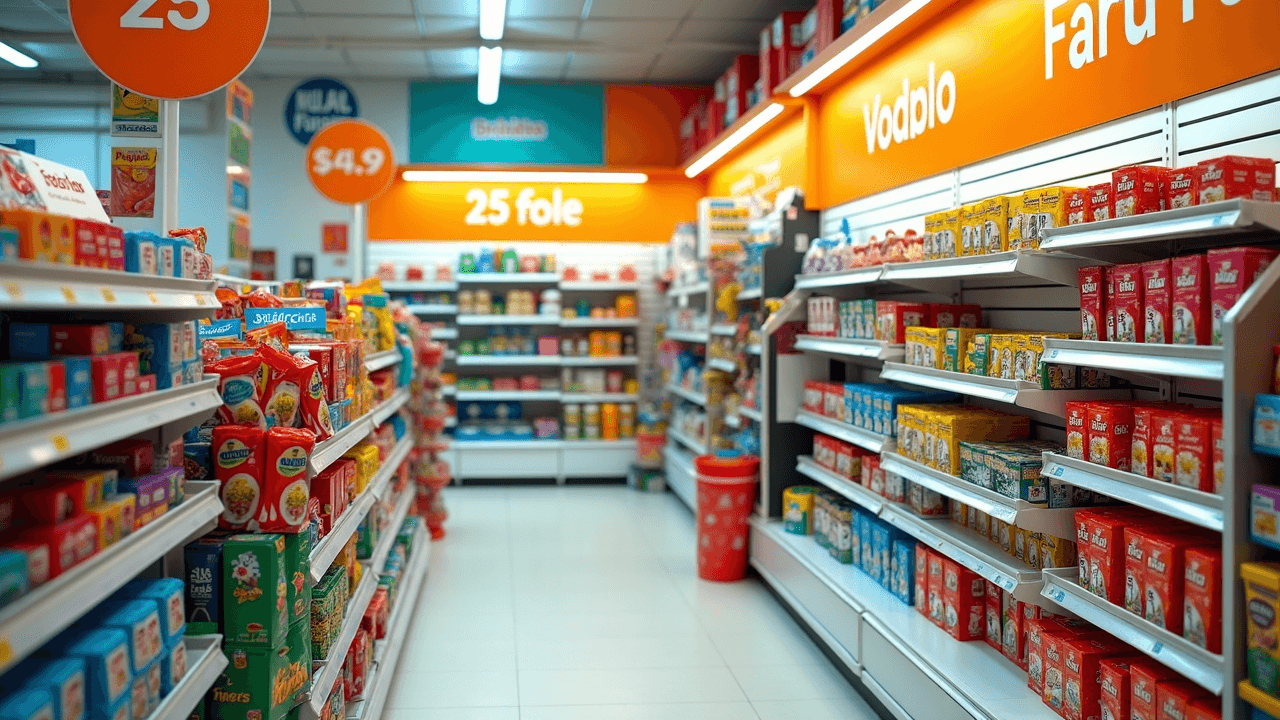
Explore creative and affordable merchandising ideas to boost sales and ensure success at your dollar store. Maximize your retail potential today!
In the competitive world of retail, dollar stores have carved out a unique niche by offering a diverse range of products at unbeatable prices. To thrive in this market, effective merchandising becomes crucial. Crafting a visually appealing and strategically planned shopping experience can encourage customers to explore more and spend more.
In this article, they will uncover a trove of affordable merchandising ideas tailored specifically for dollar store success. From innovative display strategies to engaging customer experiences, these insights will empower retailers to elevate their stores and enhance their overall profitability. Let’s dive into the exciting world of dollar store merchandising and discover how small changes can lead to significant impacts! 🌟
Understanding Dollar Store Merchandising
The Importance of Effective Merchandising
Effective merchandising is the backbone of any retail business, especially for dollar stores where the value proposition is pivotal. Given the competitive landscape of discount retail, it’s crucial for these stores to focus on presenting products in a way that attracts customers and encourages purchases.
Merchandising in dollar stores entails much more than just displaying items on shelves; it involves creating an engaging shopping experience that highlights the store’s diverse product range. Here are some vital reasons why effective merchandising is necessary:
- Increased Sales: A well-laid-out store can lead to impulse buys. When items are displayed attractively, customers are more likely to add more to their carts.
- Brand Perception: Professional merchandising can elevate a dollar store’s image, transforming it from a low-cost outlet to a go-to destination for quality bargains.
- Customer Engagement: An inviting environment prompts customers to spend more time in the store, translating to increased sales.
Furthermore, strong merchandising helps in building customer loyalty. When shoppers have positive experiences, they’re more likely to return and recommend the store to others. This aspect is particularly crucial for dollar stores that thrive on repeat business. 🌟
Key Principles of Merchandising
Navigating the world of dollar store merchandising involves applying certain principles that help maximize the shopping experience while keeping the focus on value. Here are some key principles that every retailer should consider:
- Product Placement: Strategic placement of items can significantly impact sales. Essentials should be placed at eye level, while seasonal or promotional products can be positioned in high-traffic areas.
- Thematic Displays: Creating themed displays, especially around holidays or events, can captivate shoppers’ attention. For instance, a summer picnic theme may showcase outdoor items, snacks, and party supplies all in one section, making it easier for customers to find everything they need. 🍉
- Cross-Merchandising: Combining related products can encourage customers to buy additional items. A display featuring barbecue supplies alongside disposable dinnerware can lead to increased sales both ways.
- Inventory Management: Keeping track of popular items and restocking them timely is essential. Dollar stores should leverage data to identify which products attract the most interest, allowing for better inventory decisions.
- Signage and Pricing: Clear signage helps customers navigate the store easily. Using bold, colorful signage can draw attention to promotions and direct customers to specific aisles efficiently. Ensuring that prices are visible and legible also plays a critical role—shoppers should not have to search for price tags.
By applying these principles consistently, dollar stores can create an engaging experience that not only showcases their low prices but also fosters a welcoming atmosphere. This strategy ensures that customers leave with a smile—and often with more than they planned to buy! 😊
In the dynamic realm of dollar store merchandising, staying proactive and innovative is essential for keeping customers interested and engaged. Leveraging effective merchandising strategies can make all the difference in cultivating a loyal customer base that appreciates the store’s value offerings.
Budget-friendly Display Ideas
Creating impactful displays doesn’t have to involve extravagant spending. With a touch of creativity and resourcefulness, anyone can craft eye-catching arrangements that not only draw attention but also save money. Let’s dive into some budget-friendly display ideas that can transform any space into a visually appealing showcase without breaking the bank!
Creative Use of Shelving
Shelving is a versatile tool in a display arsenal and can be transformed into a stunning visual feature. Here are some innovative ways to make the most of shelving:
- Layering Items: Utilize multiple levels of shelves to create depth. Place larger items at the back and smaller items at the front to ensure everything is visible.
- Color Coordination: Group items by color to create a cohesive look. This simple trick adds harmony and can make the display pop! 🎨
- Incorporate Personal Touches: Integrate personal items like framed photos or travel souvenirs to give character to the display. This not only makes the arrangement unique but also sparks conversations.
Creating a charming shelf display is an art that she embraces through experimentations, often achieving successful outcomes with minimal investment.
Effective Use of Props
Props can enhance a display significantly by adding context and interest. Here are some effective ways to utilize props:
- Natural Elements: Incorporate plants or flowers to bring life into the display. Greenery can elevate any setting and often comes at an affordable price. 🌿
- Seasonal Themes: Rotate props based on the season or upcoming holidays. This keeps the display fresh and engaging while introducing new visual elements at no extra cost.
- DIY Creations: Craft personalized props using recyclable materials. For example, old jars can be transformed into chic vases or storage containers.
By cleverly selecting props, they can create an immersive experience that captivates the audience while keeping costs low.
Utilizing Low-cost Display Fixtures
Display fixtures can be a significant expense, but many low-cost options provide the same aesthetic appeal. Here are some ideas to consider:
- Repurposed Furniture: Old tables or crates can be reimagined as display stands. A coat of paint or strategic positioning can transform them into striking display fixtures. 🛠️
- Wire and String Displays: Utilize wire frames or string suspensions to create hanging displays. They are cost-effective and add a whimsical touch to any arrangement.
- Plastic Bloomers or Cardboard: These can serve as placeholders or background elements. With a little creativity, they can be customized to fit the theme perfectly.
In exploring budget-friendly display options, they can create stunning visuals that do not sacrifice style for affordability. It’s all about thinking outside the box and allowing imagination to guide each decision.
Embracing these strategies not only nurtures creativity but also encourages a sustainable approach to display design. By using what is readily available and infusing personal style, anyone can design a captivating and budget-friendly display that leaves a lasting impression. ✨
Seasonal Merchandising Strategies
Delving into the world of retail, seasonal merchandising strategies are crucial for maximizing sales and enhancing customer experience throughout the year. By embracing holidays and special events, as well as creating engaging in-store seasonal zones, retailers can captivate shoppers and encourage them to make purchases that align with seasonal peaks. Understanding these strategies ensures that businesses can effectively meet the demands of seasonal shopping.
Leveraging Holidays and Events
Holidays and events present fantastic opportunities for retailers to draw in customers and boost sales. By aligning their marketing and merchandising strategies with these occasions, they can create a sense of urgency and excitement among shoppers. Here are some key tactics to consider:
- Tailored Promotions: Adapting special offers or discounts specifically for seasonal events can increase foot traffic. For example, back-to-school promotions or holiday sales can be designed to meet the unique needs of different customer segments.
- Thematic Displays: Creating displays that resonate with the holiday spirit not only captures attention but also sets the mood. For instance, for Halloween, stores might showcase spooky decorations alongside costume offerings.
- Social Media Engagement: Capitalizing on social media trends during holidays helps businesses reach a wider audience. Engaging campaigns, like sharing customer experiences around special occasions, can drive traffic to brick-and-mortar stores.
- Limited-Time Products: Introducing limited-edition items aligned with a holiday can create a buzz. Whether it’s a unique flavor or a specially designed product, scarcity often cultivates a heightened demand.
Celebrating special events like Valentine’s Day or Earth Day with unique merchandise or store events allows retailers to connect emotionally with customers, ultimately fostering brand loyalty. In fact, a well-planned seasonal strategy can significantly enhance sales figures and customer satisfaction.
Creating Seasonal Zones in-store
Establishing seasonal zones within the store not only aids organization but also elevates the shopping experience. By designating specific areas for seasonal merchandise, retailers can guide customers to relevant products easily. Consider these effective strategies:
- Visual Merchandising: Using seasonal colors, props, and themes can draw attention to designated areas. For instance, a spring section might feature bright colors and floral arrangements, creating an inviting atmosphere.
- Interactive Displays: Incorporating interactive elements can engage shoppers and encourage them to explore more. Seasonal zones could include product demonstrations or taste-testing stations for food items.
- Clear Signage: Eye-catching signs that highlight seasonal sections help direct shoppers and inform them about special promotions. The clearer the navigation, the more likely customers are to explore.
- Rotating Stock: Regularly updating the merchandise within seasonal zones keeps the inventory fresh and exciting. This practice motivates customers to return frequently, in search of the latest seasonal offerings.
Establishing distinct seasonal zones not only enhances visual appeal but also simplifies the shopping journey for customers. By strategically utilizing space, retailers can significantly improve sales performance during peak seasons.
Embracing effective seasonal merchandising strategies empowers retailers to thrive in a competitive market. By leveraging holidays and events alongside creating dedicated in-store seasonal zones, businesses can foster rich shopping experiences that resonate with customers. This thoughtful approach lays the groundwork for increased foot traffic, heightened customer engagement, and ultimately, greater sales success. 🎉
Thematic Merchandising Approaches
Thematic merchandising is an art form that transforms retail spaces into captivating worlds where consumers can immerse themselves in a brand’s story. By focusing on several key aspects—creating themed displays, employing color coordination techniques, and telling stories through visual merchandising—retailers can enhance customer engagement and drive sales. Let’s explore these fascinating approaches in detail.
Creating Themed Displays
Themed displays are essential for establishing a cohesive atmosphere and guiding customer emotions throughout the shopping experience. Retailers can take advantage of various themes, from seasonal celebrations to lifestyle concepts. Here are some innovative strategies:
- Seasonality: Align displays with seasonal events like holidays or back-to-school promotions. Imagine a cozy autumn corner filled with plaid, pumpkins, and warm lighting for fall promotions 🍂.
- Lifestyle Focus: Curate themes that reflect specific lifestyles. A “Coastal Living” theme could feature nautical decor, beachy colors, and products that evoke a sense of summer fun.
- Event-Based Themes: Special events like product launches or store anniversaries can be highlighted through unique displays that share the excitement with customers.
Engagement with themed displays not only creates a significant emotional connection but encourages customers to explore, making their shopping experience more memorable.
Color Coordination Techniques
Color is a powerful tool in retail merchandising. It influences emotions and can be strategically used to draw attention or create harmony within a space. Here are some effective color coordination techniques retailers can employ:
- Accent Colors: Use bold accent colors to highlight promotional areas or key products. A vibrant red can signify urgency for a sale, while soft pastels may evoke calmness and tranquility.
- Monochromatic Schemes: This technique involves using different shades of one color to create unity and sophistication. It can simplify decision-making for the customer and instill a sense of trust.
- Seasonal Palettes: Adapt color schemes to reflect seasonal changes. Crisp whites and cool blues for winter, and bright florals for spring can evoke the corresponding seasonal feelings 🌷.
By thoughtfully coordinating colors, retailers can significantly impact shopping behavior, encouraging customers to linger longer and purchase more.
Storytelling Through Visual Merchandising
Visual merchandising is not just about arranging products attractively; it’s about weaving a narrative that engages shoppers on a deeper level. Storytelling through visual elements can create an immersive experience:
- Product Narratives: Create displays that tell the story of a product’s journey, from creation to customer. For instance, visually showcasing artisanal methods can add value and authenticity.
- Thematic Visual Guides: Use signage or wall art that complements the theme while providing information. For example, a themed display about “eco-friendly living” can feature educational visuals highlighting sustainability efforts 🌍.
- Interactive Elements: Incorporate interactive features that invite customers to engage with the display. Whether it’s a quiz on product usage or a tactile experience with samples, interaction fosters a personal connection.
Engaging storytelling through visual merchandising not only captures attention but also instills loyalty and encourages return visits.
Retailers who implement these thematic merchandising approaches can cultivate an invigorating shopping atmosphere and significantly boost their sales potential. The investment in creating a captivating retail space can yield remarkable returns, as customers are drawn to environments where they feel inspired and connected.
Cost-effective Signage and Promotions
Creating impactful signage and effective promotions doesn’t have to break the bank. Businesses looking for budget-friendly solutions can explore various DIY signage ideas and leverage social media platforms to enhance their visibility and engagement. These strategies not only save money but also tap into the creativity and innovation of business owners.
DIY Signage Ideas
Harnessing the power of do-it-yourself signage can open up a world of creativity while maintaining a tailored approach to marketing. Here are some popular DIY signage ideas:
- Chalkboard Signs: Perfect for cafes and boutiques, chalkboards can be easily modified to promote daily specials or upcoming events. With some chalk paint and wood, anyone can create a unique and personal sign.
- Vinyl Banners: With the rise of affordable printing services, vinyl banners are a great option. They are durable and can be customized to fit any occasion, from grand openings to seasonal promotions.
- Plywood Cutouts: Using plywood, businesses can create eye-catching cutouts that attract attention. Whether it’s a quirky mascot or a simple directional sign, these can be painted and styled according to the brand’s theme.
- Window Clings: These reusable, adhesive-free clings can be printed with vibrant designs. They’re excellent for highlighting sales and can be swapped out easily to keep the messaging fresh.
- Hand-painted Signs: For those who enjoy artistic expression, hand-painted designs on reclaimed wood or canvas can add a rustic charm. The authenticity of a handmade sign often resonates well with customers.
These DIY projects allow businesses to foster a unique identity, engage customers more personally, and effectively convey their brand message without incurring hefty costs.
Utilizing Social Media for Promotions
In an increasingly digital world, social media has emerged as a powerful tool for promotion, allowing businesses to reach broader audiences without hefty marketing budgets. Here are some effective strategies to utilize social platforms:
- Engaging Content: Sharing high-quality images of products, behind-the-scenes looks, or customer testimonials can create a sense of community. Engaging content garners interactions and encourages followers to share the posts further.
- Promotions and Discounts: Offering exclusive discounts or limited-time offers to followers can increase conversions. A simple post highlighting a flash sale can drive significant traffic to the business.
- Collaborations and Partnerships: Partnering with local influencers or other businesses can provide access to new audiences. By tagging each other in posts, both parties can benefit from increased visibility.
- Contests and Giveaways: Hosting contests encourages followers to share, comment, and tag friends, significantly boosting reach and engagement. This fun approach not only promotes the brand but also creates excitement around its offerings.
- Live Interactions: Utilizing features like Instagram Live can foster direct interaction between the business and its audience. This could include Q&A sessions, product demonstrations, or virtual tours that enhance customer connection.
By actively using social media, businesses can create a vibrant online presence that showcases their offerings and engages with their community effectively. This approach to marketing emphasizes building relationships, making it easier for customers to connect with the brand on a personal level.
Cost-effective signage and promotions can significantly impact a business’s success. By embracing DIY projects and tapping into the potential of social media, businesses can communicate their brand story authentically and appealingly while staying within budget constraints. Exploring these avenues not only enhances visibility but also cultivates meaningful connections with customers.
Inventory Management for Merchandising Success
Effective inventory management is the backbone of successful merchandising. It determines not only how smoothly operations run but also significantly impacts customer satisfaction and profitability. Properly strategizing inventory practices can lead to a thriving retail environment where customers find exactly what they are looking for, enhancing their shopping experience. Let’s dive into key aspects of inventory management that every retailer should consider for thriving success.
Strategizing Product Placement
The way products are placed on shelves or in-store displays can greatly influence customer buying behavior. A strategic layout ensures that high-demand products are easily accessible, enhancing visibility and driving sales. Here are a few strategies to consider:
- Location, Location, Location: Products placed at eye-level tend to sell more effectively. High-margin or promotional items should be prominently displayed for maximum exposure.
- Thematic Merchandising: Organizing products by themes or seasons can create an engaging shopping experience. This motivates customers to purchase merchandise that complements their interests or needs.
- Impulse Purchase Areas: Allocate space for small, easily forgotten items near checkout counters. These products are often spontaneous buys that can significantly add to your revenue.
By implementing these strategies, retailers can effectively cultivate an environment that encourages customers to linger longer and explore more, ultimately leading to increased sales.
Importance of Stock Rotation
Stock rotation is an essential practice that should not be overlooked in inventory management. Ensuring that older products are sold before newer arrivals helps businesses avoid obsolete stock, maintain quality, and meet customer expectations. Here are some prevalent approaches to stock rotation:
- First In, First Out (FIFO): This method involves selling older inventory first. It’s especially important for perishable goods, as failing to rotate stock can lead to waste and loss.
- Seasonal Stock Adjustments: Retailers should be prepared for seasonal changes by rotating in seasonal merchandise and clearing out products that are no longer in demand.
- Regular Audits: Conducting routine inventory checks helps identify slow-moving stock early. This practice allows businesses to strategically discount or promote these items before they become obsolete.
Implementing effective stock rotation strategies ensures that products not only meet customer needs but also contribute to a healthier bottom line. By prioritizing inventory freshness, businesses can maintain their reputation for quality and reliability.
The foundations laid by strategic product placement and diligent stock rotation create an empowered approach to inventory management, ultimately enhancing customer satisfaction and driving merchandising success. Retailers who focus on these vital elements are well-positioned to thrive in an ever-evolving marketplace, making inventory management a pivotal component of their operational strategy. 🛒
Engaging Customers through In-store Experiences
Today’s retail landscape demands a fresh approach toward engaging customers, and in-store experiences have emerged as a cornerstone in creating lasting impressions. By focusing on interactive displays and hosting in-store events and demonstrations, retailers can turn a simple shopping trip into a memorable adventure. Let’s explore these strategies to enhance customer engagement.
Interactive Displays
Interactive displays serve as a dynamic focal point that captivates shoppers’ attention from the moment they step into a store. These displays are designed to encourage hands-on experiences, allowing customers to engage directly with products in a fun and meaningful way.
- Enhanced Customer Engagement: Interactive displays invite customers to touch, play, and explore, creating a more immersive shopping environment. This not only helps in the decision-making process but also fosters a stronger emotional connection to the products.
- Technology Integration: Utilizing advanced technology such as touchscreens, augmented reality (AR), and virtual reality (VR) can elevate these experiences. For instance, AR can help customers visualize how a piece of furniture fits into their home before making a purchase. 🏡
- Personalization Opportunities: By incorporating data analytics, retailers can tailor the interactive experience based on customer preferences, offering product recommendations that resonate with individuals.
Integrating these elements doesn’t just promote product awareness; it also enhances customer loyalty as shoppers appreciate the added value of engaging with brands in a more interactive space.
In-store Events and Demonstrations
Organizing in-store events and demonstrations is another impactful way to engage customers more deeply. These events can take many forms and are designed to highlight products while building community and brand awareness.
- Product Launch Parties: Celebrating new product releases with an exciting launch event can attract attention and encourage customers to try out the latest offerings firsthand. This strategy creates buzz and drives foot traffic, enhancing sales.
- Workshops and Classes: Offering workshops or classes related to the products being sold not only provides valuable information but also allows customers to utilize the products in real-time. For example, cooking demonstrations in a kitchenware store can show customers the functionality of kitchen gadgets and tools. 🍳
- Community Engagement: In-store events can foster a sense of community. By inviting local influencers or industry experts, brands build relationships with customers, making them feel a part of something special. This connection often translates into increased brand loyalty and repeat visits.
These engaging experiences go beyond mere sales tactics; they create memories, lessons, and connections that resonate with customers long after they leave the store. As retailers invest in both interactive displays and in-store events, they are ensuring that shoppers have fun, informative, and emotionally rewarding experiences that encourage them to return.
By harnessing these strategies, retailers can create a vibrant shopping atmosphere that captivates customers, leading to increased engagement and driving sales. When customers feel connected to a brand through exceptional in-store experiences, they are more likely to become loyal advocates, further amplifying the brand’s reach and impact. 🌟
Conclusion
With the right strategies in place, dollar store success is well within reach. By embracing budget-friendly merchandising ideas, seasonal strategies, and engaging customer experiences, store owners can create an inviting shopping atmosphere that drives sales. Incorporating affordable and eye-catching displays not only attracts customers but also encourages repeat visits. Remember that effective inventory management and promotional strategies are key components to sustained success.
To elevate the merchandising experience, consider sourcing quality merchandise at competitive prices. Four Seasons General Merchandise is here to support dollar stores by providing a wide array of general merchandise options that cater to diverse customer needs. Explore their offerings to find the perfect products that resonate with your target audience! 🌟
Frequently Asked Questions
- What are some affordable merchandising ideas for dollar stores?
Affordable merchandising ideas for dollar stores include utilizing eye-catching signage, creating themed displays, using creative shelf stacking, implementing cross-selling strategies, and offering bundling promotions to attract customers.
- How can I enhance the visual appeal of my dollar store?
You can enhance the visual appeal of your dollar store by using vibrant colors, organizing products neatly, incorporating seasonal decorations, and optimizing lighting to create an inviting shopping environment.
- What role do promotions play in dollar store merchandising?
Promotions play a crucial role in dollar store merchandising as they attract customers, boost sales, and clear out inventory. Seasonal sales, buy-one-get-one offers, and discounts can encourage repeat business and draw in new customers.
- How important is product placement in dollar store merchandising?
Product placement is vital in dollar store merchandising. Strategic placement of high-demand and impulse items at the entrance and near checkout areas can drive sales and improve customer experience by making products easily accessible.
- Are social media and online marketing effective for dollar stores?
Yes, social media and online marketing are effective for dollar stores. They help create brand awareness, inform customers about new products or promotions, and drive foot traffic to physical locations. Engaging content can attract a wider audience and boost sales.
