
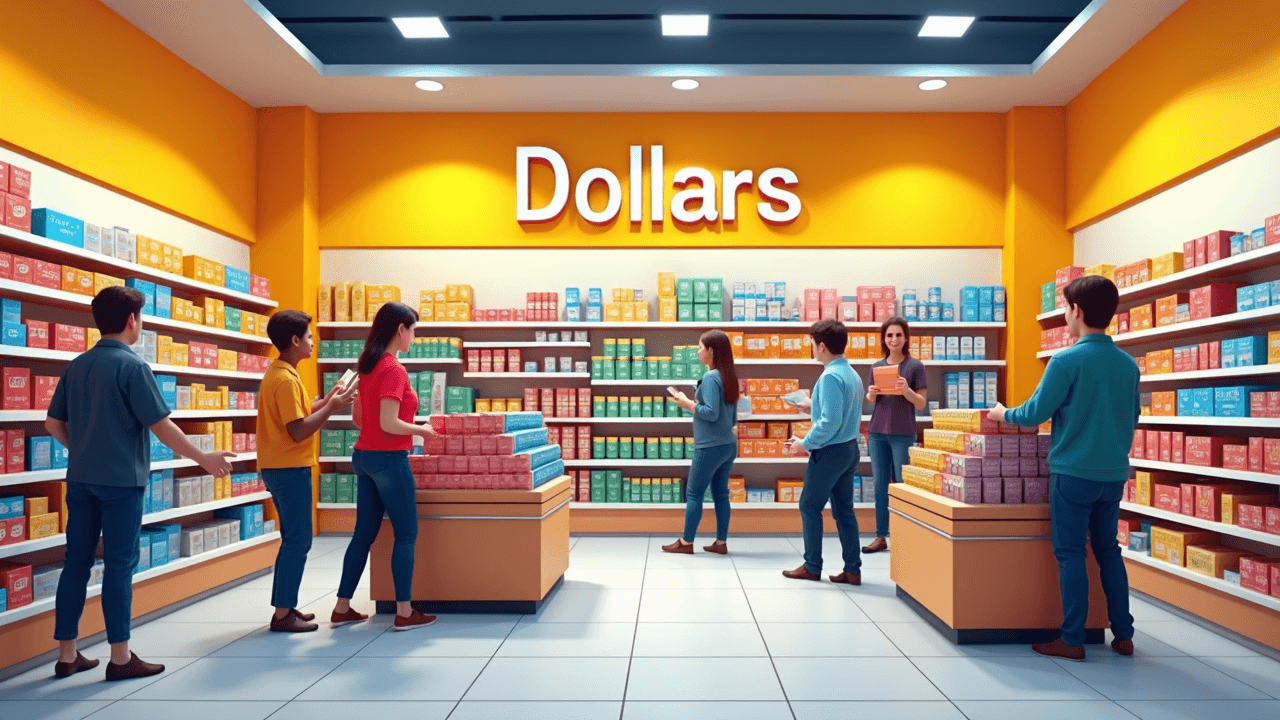
Learn how to leverage retail trends to boost your dollar store business and maximize profits. Stay ahead in the competitive retail market.
In the competitive landscape of retail, understanding and harnessing the latest trends is not just an option—it’s a necessity. For dollar store businesses, staying ahead of these trends can make all the difference between thriving and merely surviving. As shopping behaviors evolve, consumers are increasingly drawn toward value-driven options, making it essential for dollar stores to adapt accordingly. By aligning their offerings with contemporary retail trends, retailers can unlock significant growth opportunities while enhancing customer satisfaction.
From eco-friendly products to the rise of e-commerce, being attuned to these shifts not only elevates the shopping experience but also fosters customer loyalty and boosts profitability. This article delves into the dynamic world of retail trends and provides actionable insights specifically tailored for dollar stores. By effectively leveraging these trends, businesses stand to flourish in an ever-changing market landscape. 🌟
Understanding Retail Trends
Definition of Retail Trends
Retail trends refer to the patterns and changes observed within the retail industry that influence consumer behaviors, shopping experiences, and overall market dynamics. These trends can arise due to various factors, including technological advancements, shifts in consumer preferences, economic conditions, and cultural influences.
In essence, retail trends encompass:
- Consumer Behavior: How shoppers interact with brands and products can shift dramatically over time. For instance, the rise of online shopping has been a significant trend over recent years, reshaping traditional retail approaches.
- Technological Advances: Innovations such as artificial intelligence, virtual reality, and mobile payment solutions are changing the landscape of retail, creating new opportunities for engagement and efficiency.
- Sustainability Movements: With growing awareness of environmental issues, many consumers now prefer brands that demonstrate a commitment to sustainability, influencing purchasing decisions and marketing strategies.
Understanding these various facets helps retailers adapt their strategies to meet the evolving demands of their customer base. As the shopping environment continues to change, being aware of these trends can offer a competitive advantage for businesses.
Importance of Staying Current with Trends
Staying updated with current retail trends is crucial for businesses aiming to thrive in a rapidly changing marketplace. By being attuned to the latest developments, retailers can:
- Meet Consumer Expectations: Today’s consumers seek brands that understand their needs and preferences. By staying current, retailers can align their offerings and marketing strategies with what customers desire.
- Enhance Competitive Edge: Following trends allows retailers to differentiate themselves from competitors. Adopting new technologies or sustainable practices can set them apart in a crowded market.
- Increase Operational Efficiency: Embracing innovations, such as automated inventory management systems or customer relationship management tools, can streamline processes and reduce costs.
Furthermore, understanding retail trends enables businesses to anticipate changes rather than react to them. It empowers retailers to be proactive, ensuring they are always one step ahead, fostering growth and customer loyalty. 🌟
In today’s fast-paced retail environment, being informed is not just beneficial—it’s essential for survival and success.
Key Retail Trends Impacting Dollar Stores
Dollar stores are rapidly evolving to meet the changing demands of consumers, driven by several key retail trends. Understanding these trends is crucial not only for dollar store owners and managers but also for consumers seeking the best value for their money. In this article, let’s explore the burgeoning trends reshaping the landscape of dollar retailers today.
Sustainable and Eco-friendly Products
In recent years, environmental consciousness has surged among shoppers, leading dollar stores to prioritize sustainable and eco-friendly products. Consumers are increasingly inclined to purchase items that align with their values, seeking products that are biodegradable, recyclable, or sourced through fair trade practices.
- Examples of Sustainable Offerings:
- Reusable shopping bags
- Natural cleaning supplies
- Organic food options
By stocking these types of products, dollar stores not only cater to consumer preferences but also enhance their brand image. Embracing sustainability can attract a more environmentally conscious customer base while contributing to the planet’s well-being. 🌍
E-commerce and Online Shopping
The acceleration of e-commerce, particularly during the pandemic, has left an indelible mark on retail, including dollar stores. A growing number of shoppers now prefer the convenience of online shopping, prompting dollar stores to enhance their digital presence.
- Key Strategies for E-commerce:
- Developing user-friendly websites to facilitate browsing and purchasing
- Offering curbside pickup or delivery options
- Utilizing social media for direct sales and engagement
As dollar stores adapt to this trend, they’ll not only retain existing customers but also attract new ones looking for affordable products with the ease of online shopping. 📦
In-store Experience Enhancements
While online shopping is on the rise, the in-store experience remains critical for dollar stores. Enhancements to this experience can significantly boost customer satisfaction and retention.
- Enhancements to Consider:
- Bright and engaging store layouts
- Interactive product displays
- Friendly and knowledgeable staff
By creating a pleasant shopping environment, dollar stores can encourage customers to stay longer, explore more products, and make larger purchases. A well-designed store can turn a casual visit into a more rewarding shopping escapade. 🛒
Health and Wellness Products
As consumers become more health-conscious, dollar stores are increasingly offering health and wellness products. This trend reflects a demand for affordable options that promote well-being without breaking the bank.
- Popular Health and Wellness Items:
- Nutritional supplements
- Fitness accessories
- Healthy snacks and meal kits
By expanding their offerings in this area, dollar stores can tap into a growing market while positioning themselves as go-to destinations for affordable health solutions. 💪
Personalization and Customer Engagement
Another vital trend affecting dollar stores is the shift towards personalization and customer engagement. Today’s shoppers appreciate tailored experiences that make them feel valued.
- Techniques for Personalization:
- Loyalty programs that reward frequent shoppers
- Personalized promotions based on shopping habits
- Engaging customers through social media channels
By fostering a stronger connection with their customers, dollar stores can enhance brand loyalty and encourage repeat business. Listening to consumer feedback and adapting accordingly can lead to a more satisfying shopping experience overall. 🌟
The transformation of dollar stores is driven by consumer demand and market trends. Those that adapt to sustainability, e-commerce, experiential enhancements, health products, and personalization are well-poised to thrive in this competitive landscape. As these trends continue to unfold, dollar stores will not only define the value retail sector but also continue to evolve the way shoppers perceive affordability and quality.
Leveraging Trends for Growth
In today’s rapidly evolving market landscape, understanding and harnessing trends is crucial for any business aiming to thrive. By strategically aligning products, marketing strategies, and technology with current trends, companies can carve out a competitive edge and foster substantial growth. Let’s delve into three key areas where businesses can leverage trends effectively: product selection and merchandising strategies, innovative marketing approaches, and the integration of technology to better understand customer insights.
Product Selection and Merchandising Strategies
One of the first steps in leveraging trends for growth is through a keen approach to product selection and merchandising. It’s essential to stay attuned to consumer preferences and the trends shaping the marketplace. Key tactics include:
- Integrating Eco-Friendly Products: As more consumers prioritize sustainability, integrating eco-friendly products can significantly attract environmentally conscious shoppers. This shift not only supports ethical practices but also enhances brand reputation.
- Diverse Product Offerings: Businesses should consider expanding their product lines to include items that resonate with emerging trends. Offering a selection that ranges from trendy accessories to contemporary essentials can cater to varied consumer tastes.
- Visual Merchandising: The way products are displayed can influence purchase decisions. Utilizing engaging displays that highlight key trends can captivate shoppers and boost sales.
Marketing Strategies Aligning with Trends
Marketing is another area where businesses can effectively leverage trends to enhance visibility and engagement. Some effective strategies include:
- Social Media Campaigns: By crafting campaigns that align with trending topics or events (like pop culture or seasonal themes), businesses can engage their audience and increase brand awareness.
- Influencer Collaborations: Partnering with influencers allows brands to reach targeted audiences succinctly and authentically. Influencers can promote products that resonate with current trends, thereby driving traffic and converting leads into sales.
- Content Marketing: Creating content that informs or entertains while reflecting current trends can position a brand as a thought leader. This can include blogs, videos, or infographics that delve into the implications of these trends for consumers.
Utilizing Technology for Customer Insights
In this technological era, data is a goldmine for businesses. Leveraging technology to gather customer insights can provide valuable information about consumer behavior, preferences, and trends. Strategies to maximize this potential include:
- Analytics Tools: Implementing analytics software to track purchasing patterns and consumer preferences can help businesses adjust their offerings in real-time, ensuring that they stay ahead of the curve.
- Customer Feedback: Utilizing surveys and feedback forms allows businesses to understand what their customers value most. These insights can guide product development and marketing strategies aligned with customer needs.
- Personalization: Employing AI-driven tools to provide a personalized shopping experience can enhance customer satisfaction. This can include personalized recommendations based on past purchases or browsing history, making shopping more engaging and tailored to individual preferences.
By adopting these strategies and remaining responsive to shifts in the marketplace, businesses can effectively leverage trends for growth, ensuring a robust position in an ever-competitive landscape.
Creating an Engaging In-store Experience
Engaging customers in-store goes beyond simply offering a great range of products. Retailers today understand that a captivating shopping experience can significantly influence customer satisfaction and drive sales. Creating an inviting environment not only encourages foot traffic but also fosters brand loyalty. Retailers are now focusing on multiple elements to enhance how customers perceive their space and their overall shopping journey.
Store Layout Optimization
The layout of a retail store plays a pivotal role in shaping customer interactions. An optimized store layout guides shoppers seamlessly through the space, leading them to key products and enhancing their overall experience. Here are some layout strategies that retailers can employ:
- Zoning: Create specific areas for different product categories. This not only makes navigation easier but also allows customers to explore complementary products, enhancing upselling opportunities.
- Flow: Utilize a layout that encourages natural movement. A logical flow can help customers feel comfortable while browsing. For instance, leading customers from the entrance through high-demand items can capture their attention effectively.
- Accessibility: Ensure that aisles are wide enough to accommodate both foot traffic and people with disabilities. A welcoming space for everyone increases the chance for sales and cultivates inclusivity.
By focusing on these aspects, retailers can create an intuitive environment that promotes exploration and buying.
Engaging Displays and Signage
Visual merchandising is essential for attracting customers and retaining their interest. Engaging displays and signage can turn a casual shopper into a committed buyer. Here’s how to elevate visual appeal:
- Creativity: Think outside the box with displays. Use unique materials and designs that reflect the store’s brand identity. This can create a memorable impression and draw attention.
- Lighting: Utilize different lighting techniques to highlight specific products or areas within the store. The right lighting can create a warm ambiance, making customers feel more relaxed and inclined to shop.
- Clear Signage: Effective signage is crucial for conveying important information and guiding customers. Use clear, concise wording combined with attractive visuals to make communication straightforward.
Incorporating these elements can significantly enhance customer experience, making it more likely that they will return.
Customer Service Excellence
No shopping experience is complete without exceptional customer service. Friendly and knowledgeable staff can make a world of difference in a customer’s perception of a store. Here are key aspects to consider for elevating customer service:
- Training: Invest in continuous training for employees to ensure they are well-versed in product knowledge and customer engagement techniques. A well-informed staff can provide tailored recommendations that enhance the shopping experience.
- Personalization: Make customers feel valued by recognizing returning faces and their preferences. A simple acknowledgment can foster a deeper connection and loyalty.
- Feedback Mechanism: Encourage customers to provide feedback about their experience. This not only demonstrates that the store values their opinions but also allows for actionable insights to improve service.
By prioritizing excellent customer service, retailers can build strong relationships with their patrons, encouraging repeat visits and positive word-of-mouth.
Creating an engaging in-store experience is a multifaceted approach involving strategic store layout, compelling displays, and unparalleled customer service. When executed well, these elements work together to create a vibrant and inviting shopping environment that not only meets but exceeds customer expectations. With a little creativity and commitment, retailers can turn ordinary shopping trips into extraordinary experiences. 🌟
Monitoring and Adapting to Changing Trends
Staying ahead in today’s fast-paced market requires vigilance and adaptability. Businesses thrive when they can anticipate shifts in trends, preferences, and competitive landscapes. Effective monitoring and adaptation strategies are paramount to achieving long-term success. Here’s how savvy organizations can leverage various approaches to keep their strategies relevant and competitive.
Using Data Analytics 📊
Data analytics serves as a powerful tool for identifying changing trends within the market. By regularly reviewing sales data, businesses can gain valuable insights that highlight shifts in customer preferences.
- Predictive Analytics: This allows organizations to forecast future trends based on historical data, enabling proactive adjustments.
- Customer Segmentation: Analyzing demographics helps in understanding different customer groups and tailoring offerings to meet their unique needs.
- Sales Tracking: Monitoring sales performance helps in pinpointing areas that require immediate attention or innovation.
Harnessing these insights can significantly enhance marketing efforts, optimize product offerings, and improve customer satisfaction.
Collecting Customer Feedback 🗣️
One of the most effective methods to understand customer preferences is through direct feedback. Engaging customers in meaningful ways can yield essential insights into their needs and aspirations.
- Surveys and Polls: Regularly conducting surveys post-purchase can provide customers with a platform to express their thoughts.
- Online Reviews: Closely monitoring reviews on platforms like social media and review sites can help businesses gauge their reputation and products’ strengths and weaknesses.
- Focus Groups: Organizing focus groups can provide deeper qualitative insights that quantitative data might not fully capture.
By valuing customer voices, businesses can adapt their strategies to create more engaging and satisfying experiences.
Monitoring Competitor Strategies 🏆
Keeping an eye on competitors is vital in maintaining a competitive edge. Understanding what peers are doing can inform business decisions and strategic moves.
- Competitive Analysis: Regularly analyzing competitors’ products, pricing, and marketing strategies can highlight opportunities for differentiation.
- Market Trends: Monitoring competitors can also shed light on emerging trends that may influence customer behaviors, enabling businesses to pivot accordingly.
- Benchmarking Performance: Comparing performance metrics against industry standards helps in identifying areas for improvement.
Incorporating insights gleaned from competitor strategies fosters an environment of continuous improvement and innovation.
Adapting to changing trends is not merely a reactive measure; it is about embracing a strategic mindset that prioritizes growth and customer satisfaction. By effectively using data analytics, gathering customer feedback, and monitoring competitors, businesses can position themselves as leaders in their industries. The journey towards agility is ongoing, but with the right tools and an attentive approach, organizations can thrive amidst change.
Conclusion
In navigating the dynamic landscape of retail, dollar store owners can unlock substantial growth by staying attuned to evolving trends. By embracing sustainability, enhancing the shopping experience, and leveraging technology, they can position themselves effectively in the marketplace. Utilizing resources from industry leaders like Four Seasons General Merchandise can significantly streamline product selection and distribution. Together, these strategies not only foster customer loyalty but also ensure long-term business success in an ever-competitive environment.
Explore more about how to enhance your product offerings by visiting Four Seasons General Merchandise. 🌟
Frequently Asked Questions
- What are retail trends and why are they important for dollar stores?
Retail trends refer to the patterns and shifts in consumer behavior, preferences, and market dynamics. They are important for dollar stores because they help identify opportunities for sales growth, product selection, pricing strategies, and marketing initiatives.
- How can I identify retail trends for my dollar store business?
You can identify retail trends by monitoring industry reports, analyzing competitors, engaging with customers through surveys and feedback, and utilizing social media and online tools to track popular products and consumer preferences.
- What are some current retail trends that dollar stores should consider?
Some current retail trends that dollar stores should consider include the rise of online shopping, the popularity of eco-friendly products, personalization in marketing, localization of products, and the demand for health and wellness items.
- How can I use retail trends to improve my marketing strategies?
You can use retail trends to improve your marketing strategies by tailoring your promotions and advertisements to reflect current consumer interests, implementing targeted online and social media campaigns, and offering products that align with popular trends.
- What role does data analysis play in leveraging retail trends for growth?
Data analysis plays a crucial role in leveraging retail trends for growth by providing insights into customer buying patterns, inventory management, and sales forecasts. It helps dollar store owners make informed decisions about product offerings, pricing, and marketing strategies.
