
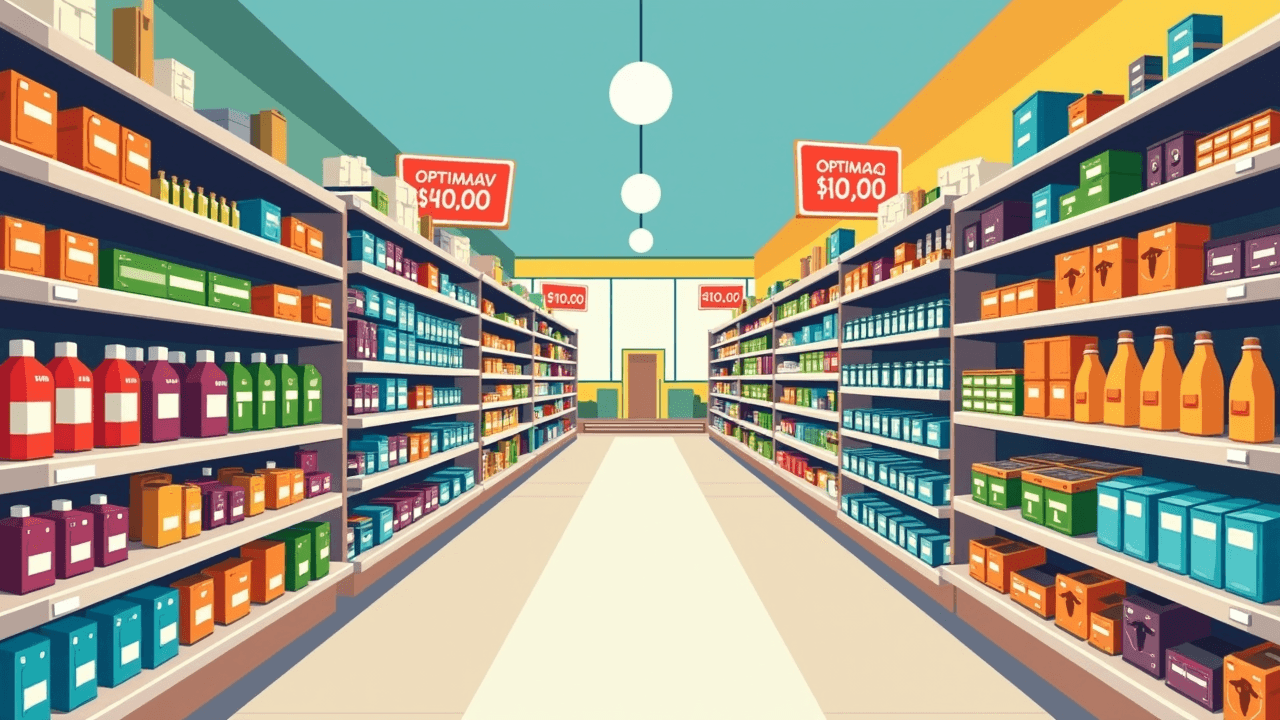
Learn effective pricing strategies to enhance profits for your dollar store. Maximize sales with proven optimization techniques.
In today’s competitive retail landscape, dollar stores face unique challenges and opportunities when it comes to pricing. To truly thrive, they must not only attract budget-conscious shoppers but also maximize their profit margins effectively. This article delves into the intricacies of pricing strategies tailored for dollar stores, exploring essential concepts that can uplift performance and enhance profitability.
As consumers increasingly prioritize value without sacrificing quality, understanding how to optimize pricing becomes crucial. From analyzing costs and implementing psychological pricing tactics to leveraging dynamic pricing strategies, dollar store operators can fine-tune their approach to better meet customer expectations while ensuring a healthy bottom line.
Join us on this enlightening journey as we unpack the myriad ways in which dollar store pricing can be optimized, creating a win-win for both retailers and shoppers alike. 🌟
Understanding Dollar Store Pricing Strategies
What is Dollar Store Pricing?
Dollar store pricing refers to a unique retail strategy that focuses on offering a wide variety of products at a fixed price point, typically one dollar or slightly higher. This pricing model appeals to budget-conscious shoppers looking for bargains without sacrificing quality.
The essence of dollar store pricing lies in its simplicity and transparency. Customers can quickly assess what they can afford, leading to an easier shopping experience. Here are some key characteristics of dollar store pricing:
- Fixed Price Points: Most items are sold at a single price, often ranging from $1 to $5, creating a perception of value.
- Volume over Margin: Dollar stores typically sell high volumes of low-cost items, relying on fast inventory turnover rather than high profit margins.
- Strategic Sourcing: Retailers often source products from wholesalers or manufacturers to minimize costs, allowing for competitive pricing.
- Impulse Purchases: The low price point encourages shoppers to make impulse buys, adding to their overall basket size.
These pricing strategies not only enhance the shopping experience but can also maximize store profitability. By offering an array of products that meet basic consumer needs, dollar stores maintain a loyal customer base.
Importance of Pricing in Retail Profitability
Pricing is a fundamental component of retail profitability, especially for dollar stores. The effectiveness of a pricing strategy directly influences sales volume, customer attraction, and overall business success. Here are several reasons pricing is essential in the retail landscape:
- Consumer Perception: Pricing sets the tone for how consumers perceive a brand. Dollar stores position themselves as affordable and accessible, enhancing customer loyalty and repeat visits.
- Market Positioning: The right pricing strategy can distinguish a store from its competitors. Dollar stores have carved out a niche by focusing on affordability, appealing to value-driven shoppers.
- Profit Margins: Although dollar stores operate on slim margins, volume sales compensate for this. Understanding the balance between cost management and pricing can lead to greater profitability.
- Economic Factors: In times of economic uncertainty, dollar stores thrive as consumers look for cost-effective shopping options. Thus, adapting pricing strategies to reflect market conditions is crucial for sustained success.
Ultimately, effective pricing strategies will determine how dollar stores navigate the competitive landscape, attract new customers, and retain existing ones. In an industry where value is king, leveraging pricing effectively is paramount to ensuring long-term viability and success.
Analyzing Costs and Markup
When it comes to running a business, effectively managing costs is paramount. Costs can be broadly categorized into fixed and variable expenses. Fixed costs remain constant regardless of the business activity level, such as rent and salaries, while variable costs fluctuate with production output, including raw materials and shipping fees. Understanding these components is essential for making informed financial decisions.
- Fixed Costs:
- Rent
- Salaries
- Insurance
- Variable Costs:
- Raw materials
- Utilities
- Packaging and shipping
To gain a comprehensive view of total costs, businesses must calculate both fixed and variable expenses. A more nuanced understanding allows for better pricing strategies and ultimately aids in maximizing profitability. 📊
A great way to visualize this process is through a simple table outlining typical costs for a product:
| Cost Type | Example Expenses |
|---|---|
| Fixed Costs | Rent, Salaries |
| Variable Costs | Raw materials, Utilities |
Calculating Markup Percentage
Once a solid grasp on costs is achieved, the next step involves calculating the markup percentage. This markup not only affects pricing but also influences profitability. Markup is defined as the difference between the cost to produce a product and its selling price. Understanding the markup percentage is crucial for setting prices that cover costs while still attracting customers.
The basic formula to calculate markup percentage is:
Markup Percentage = (Selling Price – Cost) / Cost × 100
For example, if a product costs $20 to produce and is sold for $30, the markup percentage is:
Markup Percentage = (30 – 20) / 20 × 100 = 50%
This calculation provides insights into pricing strategy and helps determine whether the business can sustain its operations profitably.
“Markup is not just a number; it’s a reflection of your business strategy and market positioning.” 🌟
In assessing markup, businesses should also consider competitive pricing, market demand, and customer sensitivity to pricing changes. This strategic approach allows businesses to not only cover costs but to thrive in a competitive marketplace. By adeptly managing costs and understanding the intricacies of markup calculations, businesses set themselves on a path toward long-term success and sustainability.
Price Elasticity in Dollar Stores
Price elasticity is a crucial economic concept that measures how the quantity demanded of a good or service changes in response to price fluctuations. Essentially, it reflects consumer behavior and helps businesses, including dollar stores, determine how to price their products effectively.
When examining price elasticity, it’s important to understand a few key terms:
- Elastic Demand: This occurs when a change in price leads to a proportionately larger change in quantity demanded. For dollar stores, this can mean that customers are highly sensitive to price adjustments.
- Inelastic Demand: In contrast, this refers to situations where price changes result in a smaller change in quantity demanded. Many essential items found in dollar stores may fall into this category.
- Unitary Elasticity: This is when the change in demand is equal to the change in price, resulting in a balanced ratio.
Understanding price elasticity is essential for dollar stores because it enables them to maximize their revenue while meeting customer needs. By analyzing consumer responses to price changes, dollar store managers can adjust prices strategically to remain competitive in a market filled with budget-conscious consumers. 🏷️
How Price Changes Affect Demand
Price adjustments in dollar stores can lead to varying effects on customer purchasing behavior, depending on the price elasticity of the products being sold. The relationship between price changes and demand can be summarized as follows:
-
High Price Sensitivity (Elastic Products):
- Items like seasonal goods or non-essential household items often exhibit elastic demand. If dollar stores increase the prices on these products, they may see a significant drop in demand.
- 🏪 Example: When a popular $1.00 product is raised to $1.50, customers might choose to forgo the purchase altogether or look elsewhere for cheaper alternatives.
-
Low Price Sensitivity (Inelastic Products):
- Essential goods, such as toothpaste, cleaning supplies, and pantry staples, generally display inelastic demand. Consumers will continue to purchase these items even if prices rise slightly.
- 📈 Example: If a dollar store raises the price of a basic hygiene product from $1.00 to $1.25, the change may not significantly impact purchase volumes, as customers prioritize these essentials.
-
Strategic Pricing Advantages:
- Dollar stores can leverage their understanding of elasticity to create strategic promotions. For instance, bundling products or offering limited-time discounts can stimulate demand without permanently lowering prices.
- 🎉 Example: A store may introduce a “buy one, get one free” offer on selected snack items, enticing customers to buy more without permanently changing their prices.
In this landscape, the dollar store model thrives on understanding consumer behavior in relation to price sensitivity. By monitoring customer reactions to pricing strategies, dollar stores can not only maintain profitability but also cultivate loyalty among bargain hunters looking for great deals. The ability to adapt prices according to elasticity can set a dollar store apart in today’s competitive retail environment.
Implementing Psychological Pricing Tactics
Psychological pricing tactics are a nuanced art, designed to influence consumers’ perceptions and encourage purchasing decisions. By understanding how potential buyers think and feel about prices, businesses can craft strategies that resonate more deeply than mere numbers on a tag. This article covers three of the most effective psychological pricing tactics: Charm Pricing, Price Anchoring, and Bundle Pricing.
Charm Pricing
Charm pricing refers to the practice of setting prices that end in .99 or .95, making items appear cheaper than they actually are. For instance, instead of pricing an item at $50, a seller might choose $49.99. This strategy taps into the psychological tendency known as the “left-digit effect,” where consumers disproportionately focus on the first digit of a price.
Benefits of Charm Pricing:
- Enhanced Perceived Value: Prices ending in .99 can create an illusion of a deal, leading to a higher perceived value.
- Increased Sales: Studies have shown that products priced just below a round number tend to sell better due to the attractiveness of lower numbers.
Moreover, charm pricing can be effectively used in discount strategies. For example, if a product is originally priced at $99 and a sale offers it for $79.99, it magnifies the discount effect, drawing in even more attention.
Price Anchoring
Price anchoring is a powerful tactic that involves placing a higher-priced item next to a lower-priced one to influence buyers’ perceptions of value. By establishing a “reference point,” consumers can make quicker, more satisfying purchasing decisions.
How to Effectively Use Price Anchoring:
- Introduce a Higher Priced Option: Display a premium version of a product alongside the standard version. This can make the latter seem like a better deal.
- Highlight Discounts Clearly: Present the original price alongside the sale price to emphasize savings.
To illustrate, a restaurant menu that lists a gourmet dish at $50 next to a standard meal priced at $25 can lead guests to see the $25 meal as a bargain rather than simply the menu’s baseline.
Bundle Pricing
Bundle pricing entails selling multiple items together at a reduced price compared to purchasing each item separately. This strategy can significantly enhance customer satisfaction while driving higher sales.
Advantages of Bundle Pricing:
- Increased Average Order Value: Customers see immediate value in buying products together at a discount, encouraging them to purchase more.
- Simplified Decision Making: Consumers often prefer bundles as it reduces the cognitive load of making multiple purchasing decisions.
For instance, a tech retailer could offer a smartphone bundled with accessories such as cases and chargers, providing a compelling reason for the purchaser to choose the bundle over single item purchases.
By leveraging these psychological pricing tactics, businesses can create an appealing shopping experience that speaks to the psychological nuances of consumer behavior. Effective implementation of these tactics does not only encourage purchases but also fosters a lasting relationship with customers, enhancing brand loyalty.
Competitor Analysis
Competitor analysis serves as a vital component of strategic planning in any business landscape. By thoroughly assessing competitors, companies can better understand their market position, refine their strategies, and enhance their competitive edge. In this section, two primary areas will be explored: identifying competitors and analyzing their pricing strategies.
Identifying Competitors
Identifying competitors is the foundational step in a robust competitor analysis. It’s crucial for businesses to recognize both direct and indirect competitors in their industry.
- Direct Competitors: These are businesses that offer the same products or services targeted at the same customer base. For instance, if a company sells outdoor gear, its direct competitors are other companies that sell similar items, like hiking boots or camping equipment.
- Indirect Competitors: These businesses provide alternatives or substitutes for the product or service offered. While they may not directly compete, they still vie for the same customer dollars. An example is a company selling outdoor gear might face competition from rental shops or online second-hand marketplaces.
To effectively identify competitors, they can utilize tools like SWOT analysis and market research. Gathering data through customer feedback and industry reports can provide insights into who the competitors are and how they are operating. Moreover, tools such as Google Alerts can notify businesses about their competitors’ activities, helping them stay agile in responding to market shifts.
“Understanding the landscape of competition is not just about recognizing who is present in the market, but also about grasping their strengths and weaknesses.” 🌟
Analyzing Competitor Pricing Strategies
Once competitors are identified, the next critical step is analyzing their pricing strategies. Grasping how competitors price their products can reveal vital insights into market positioning and customer perception. Here are a few strategies that can be considered:
- Cost-Plus Pricing: This approach involves adding a specific markup to the cost of goods sold. Competitors may set their prices based on a formula, ensuring they cover costs while achieving profit.
- Value-Based Pricing: In this strategy, competitors price their products based on the perceived value to the customer rather than the actual cost. This can often justify higher price points if aligned with customer satisfaction and brand loyalty.
- Competitive Pricing: This strategy involves setting prices based on competitors’ actions. If one leader in the industry drops prices, others might follow suit to maintain their market share.
In conducting a pricing analysis, it can be beneficial to create a comparative table detailing the prices of similar products across competitors. This visualization helps businesses pinpoint where they stand in the market. For example:
| Competitor | Product | Price | Pricing Strategy |
|---|---|---|---|
| Competitor A | Hiking Boots | $120 | Value-Based Pricing |
| Competitor B | Hiking Boots | $100 | Cost-Plus Pricing |
| Competitor C | Hiking Boots | $90 | Competitive Pricing |
By considering these strategies, businesses can understand their competitors’ positioning and make informed decisions about their own pricing. Staggering insights from this analysis can lead to a stronger market presence and overall business growth.
Dynamic Pricing Strategies
What is Dynamic Pricing?
Dynamic pricing, often referred to as surge pricing or variable pricing, involves adjusting prices in real-time based on market demand, customer behavior, and other external factors. This methodology has gained traction across various industries, from hospitality and travel to e-commerce and telecommunications.
The essence of dynamic pricing lies in its ability to respond swiftly to fluctuations, making it an increasingly vital tool for businesses looking to maximize revenue. Businesses harness advanced algorithms, market data analytics, and consumer insights to determine the optimal price that can change from moment to moment.
Consider the impact of seasonal demand in the travel industry. Airlines and hotels frequently adjust their pricing based on peak travel periods, taking advantage of moments when demand significantly outweighs supply. This practice not only ensures that they remain competitive but also optimizes their profit margins. 🌍✈️
Benefits of Adapting Prices Based on Market Trends
Employing dynamic pricing strategies presents several lucrative benefits that businesses can leverage to enhance their competitiveness and profitability:
- Maximized Revenue: By aligning prices with demand, businesses can capture more value during high-demand periods while remaining attractive during off-peak times.
- Competitive Edge: Companies using dynamic pricing can quickly respond to competitor pricing, ensuring they do not lose customers to lower-priced alternatives.
- Improved Inventory Management: Dynamic pricing helps manage inventory by incentivizing purchases when demand is low. For example, a retailer might lower prices on slow-moving items to attract buyers, reducing excess stock and increasing overall efficiency.
- Enhanced Customer Segmentation: Businesses can tailor their pricing based on different customer segments, offering discounts or higher prices based on individual purchasing power or behavior.
- Informed Decision-Making: Leveraging analytics enables businesses to make data-driven pricing decisions, taking the guesswork out of the equation. They can analyze historical data and market trends to predict future behaviors accurately.
Dynamic pricing is not merely a means to increase profits; it creates a more responsive marketplace where companies can anticipate consumer needs while offering fair value to customers. This can lead to greater customer satisfaction and loyalty as consumers appreciate transparent pricing strategies that reflect true market conditions. 📈💡
The future of pricing strategies lies in the flexibility and intelligence dynamic pricing offers. Embracing this approach can pave the way for businesses to thrive in an ever-evolving commercial landscape.
Customer Perception and Value
Customer perceived value (CPV) plays a pivotal role in shaping the buying decisions of consumers. It represents the worth that customers assign to a product or service based on their experiences, expectations, and the benefits they anticipate receiving. Understanding CPV is essential for businesses aiming to enhance customer satisfaction and optimize their offerings.
At the core of CPV is the concept of value proposition. This includes:
- Functional Value: The effectiveness of a product or service in performing its intended function.
- Emotional Value: The feelings or psychological benefits derived from using a product or service. For instance, luxury brands often evoke a sense of prestige and social status.
- Social Value: The benefit of social interaction and community that comes from using a brand or product.
- Economic Value: The perceived financial benefits, including cost savings and return on investment (ROI).
Customer perception can often differ from actual value. For instance, an individual may see a product as premium due to its brand reputation or packaging, even if the functional benefits are similar to a lower-priced alternative. This phenomenon underlines the importance of effective branding and marketing strategies.
How Perception Influences Pricing
Pricing is not merely an arithmetic exercise; it is heavily influenced by customer perception. When businesses understand how perception shapes pricing, they can tailor their strategies to align more closely with consumer expectations, enhancing both sales and loyalty.
Consider the following ways in which perception impacts pricing:
- Brand Reputation: Well-established brands can command higher prices due to perceived quality and reliability. Consumers often associate higher prices with superior performance.
- Target Market: Different segments may have varying perceptions of value. For example, students may seek budget-friendly options, while professionals may be willing to pay a premium for convenience and quality.
- Psychological Pricing: This technique involves setting prices that create an impression of better value. For instance, pricing an item at $199 instead of $200 can influence perception and increase sales, as the former appears significantly cheaper.
- Promotion and Discounts: Temporary discounts or promotions can enhance perception of value, making customers feel they are benefiting from a limited-time offer.
To navigate these influences effectively, businesses should engage in regular market research and customer feedback. This ongoing interaction allows businesses to adjust their pricing strategies in line with changing consumer perceptions, ensuring they remain competitive and relevant.
By tuning in to the nuances of customer perception, businesses can unlock the true potential of their pricing strategies, fostering deeper connections with their audience and driving long-term success.
Promotional Pricing Techniques
Promotional pricing techniques are essential tools in the marketer’s toolkit, designed to attract consumers, clear excess inventory, and increase sales during specific periods. Companies often employ a combination of strategies to maximize consumer engagement and boost revenues. In this section, we’ll explore two particularly effective strategies: sales and discounts, as well as loyalty programs and coupons.
Sales and Discounts
Possibly the most recognized approach in retailing, sales and discounts create a sense of urgency and excitement among consumers. Here are some key points to consider:
- Limited-Time Offers: Short promotional periods encourage immediate purchases, as customers don’t want to miss out.
- Seasonal Sales: Tying promotions to holidays or seasons can drive traffic during traditionally less busy times.
- Bundle Discounts: Offering discounts on bundled products can increase the average transaction value while providing savings to the customer.
Incorporating seasonal sales effectively must consider consumer behavior patterns. For instance, the holiday shopping season often results in significant increases in sales, as consumers seek value amidst festive spending. 🌟
“A great sale doesn’t just lower prices; it elevates consumer emotions, fulfilling the desire for both savings and satisfaction.”
Loyalty Programs and Coupons
Loyalty programs and coupons create lasting relationships between companies and their customers. By rewarding repeat business, companies can encourage ongoing engagement and enhance customer retention. Here are a few elements of successful loyalty programs:
- Tiered Rewards: Providing different levels of rewards helps to foster a sense of achievement, encouraging customers to aim for higher tiers.
- Personalized Offers: Using customer data to create personalized experiences leads to higher redemption rates and stronger emotional connections.
- Digital Coupons: With the rise of mobile technology, digital coupons have become increasingly popular. They are easy to distribute and can be tracked for effectiveness.
A well-designed loyalty program not only rewards customers but also asks for their loyalty in return. Customers appreciate being valued, which can create a significant lifetime value that exceeds what individuals might spend on a single transaction. 📈
In the competitive marketplace of 2026, blending these promotional pricing techniques can enhance both customer satisfaction and profitability. By strategically implementing sales and discounts alongside robust loyalty programs and enticing coupons, businesses can cultivate a loyal customer base while driving their sales figures to new heights.
Monitoring and Adjusting Prices
Importance of Regular Price Reviews
In today’s rapidly changing market, the significance of regular price reviews cannot be overstated. Businesses that adopt a proactive approach to monitoring and adjusting their pricing strategies are more likely to thrive amidst competition. This consistent review process offers numerous benefits:
- Market Relevance: By keeping prices aligned with market trends, businesses ensure they remain competitive. Regular reviews help identify fluctuations in demand, enabling a timely response.
- Customer Perception: Pricing can directly influence customer perception. Brands that update their prices reflect awareness and responsiveness, cultivating trust and loyalty among their clientele.
- Profit Optimization: Adjusting prices based on costs, competitors, and market conditions can significantly enhance profit margins. Businesses can identify underpriced items needing a hike or overvalued products that might benefit from a discount strategy.
- Adaptation to Economic Changes: As economies evolve, so do consumer habits. Regular price reviews allow companies to reposition themselves in response to inflation, changes in consumer spending, or emerging economic trends.
To further understand how fine-tuning pricing for various products impacts overall performance, businesses should regularly engage in thorough market analyses and competitor evaluations. This systematic approach allows them to stay ahead of the curve, ensuring sustainable growth.
Tools for Price Monitoring
With the significance of price reviews established, leveraging the right tools becomes vital for effective monitoring. Several cutting-edge technologies simplify this task, catering to a range of business needs:
| Tool Type | Description | Key Benefit |
|---|---|---|
| Price Tracking Software | These tools collect real-time pricing data from competitors and market trends. | Helps businesses stay competitive. |
| Dynamic Pricing Tools | They use algorithms to adjust prices based on demand, competitor pricing, and inventory levels. | Maximizes revenue while maintaining competitiveness. |
| Market Research Platforms | Providers of in-depth industry insights and consumer preferences. | Informs strategic pricing decisions. |
| Spreadsheet Software | While traditional, tools like Excel can be customized to track prices and analyze trends over time. | Cost-effective and adaptable for small businesses. |
Utilizing these tools not only enhances efficiency but also empowers decision-makers to remain informed about their pricing strategies. In this data-driven era, they can make confident adjustments based on insights rather than instinct.
By incorporating essential price monitoring methods, businesses can adapt their strategies in real-time, ensuring not only survival but also sustained profitability. Regular reviews and the right tools form a solid foundation for a responsive and resilient pricing strategy.
Conclusion
Maximizing profits in dollar stores hinges on strategic pricing and a keen understanding of market dynamics. By exploring various pricing strategies—from understanding price elasticity to implementing psychological tactics—dollar store owners can optimize their approach to attract more customers and increase sales. Regularly monitoring competitors and being adaptable with dynamic pricing can further enhance profitability.
To support this journey, Four Seasons General Merchandise offers an exceptional range of products that appeal to diverse customers. With a commitment to quality and variety, you can find everything your dollar store needs to thrive. Explore more about how their wholesale options can elevate your business on Four Seasons General Merchandise’s website. Remember, the right pricing strategy can set a successful dollar store apart in today’s competitive retail landscape!
Frequently Asked Questions
- What are effective pricing strategies for dollar stores?
Effective pricing strategies for dollar stores include psychological pricing (e.g., pricing items at $1.99 instead of $2), bundle pricing, dynamic pricing based on demand, and regular promotional discounts to attract customers.
- How can I determine the right price for my products?
To determine the right price for your products, consider factors such as cost of goods, competitor pricing, customer behavior, perceived value, and overall market trends. Conducting market research and understanding your target audience can also guide your pricing decisions.
- What role does pricing play in dollar store profitability?
Pricing plays a crucial role in dollar store profitability as it directly impacts sales volume, customer perception, and overall margins. Setting competitive yet profitable prices can help maximize revenues while ensuring customer loyalty.
- Should I adjust prices according to seasons or trends?
Yes, adjusting prices according to seasons and trends can be beneficial. For instance, offering discounts on seasonal items or raising prices during high-demand periods can help optimize profits and increase sales.
- How can I analyze the performance of my pricing strategy?
You can analyze the performance of your pricing strategy by monitoring sales data, profit margins, and customer feedback. Utilizing key performance indicators (KPIs) such as average transaction value and sales per square foot can also provide insights into pricing effectiveness.
