
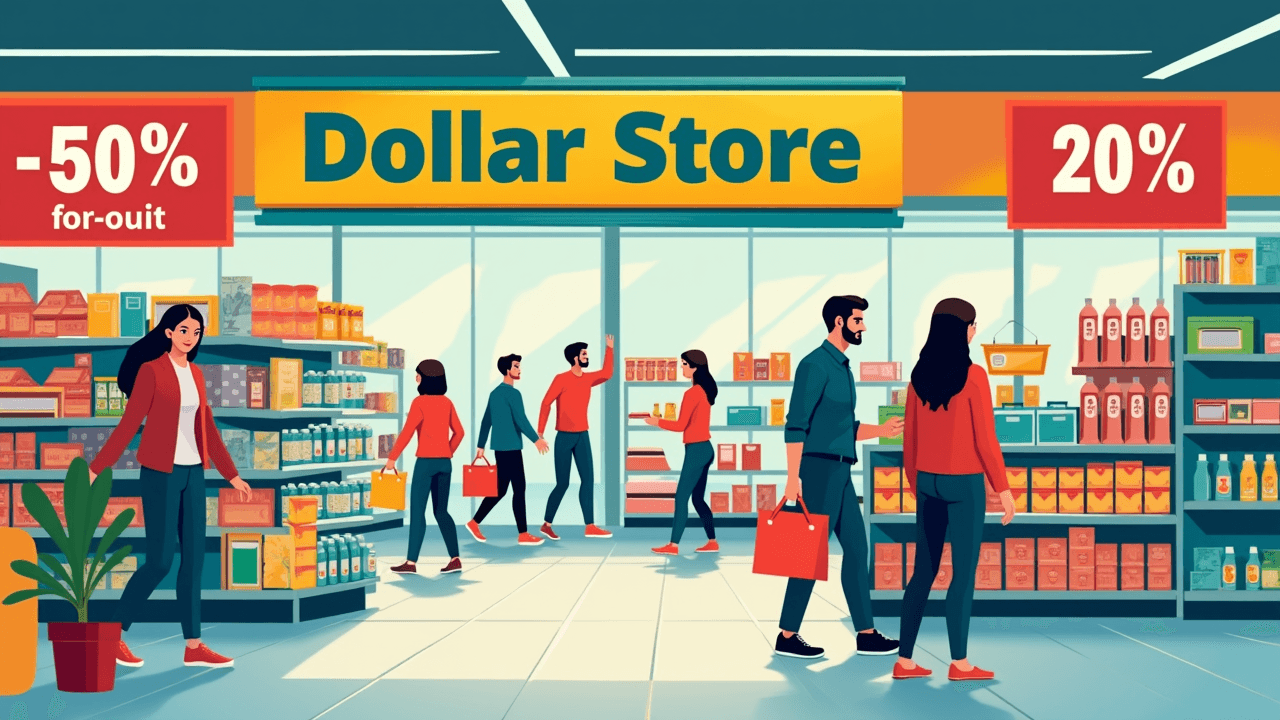
Learn how to effectively use discounts to boost traffic to your dollar store and attract more customers with strategic promotions.
In today’s bustling retail environment, creating a memorable shopping experience is paramount, especially for dollar stores striving to attract and retain customers. With the ever-increasing competition, leveraging discounts has become a critical strategy to drive traffic and boost sales. For those interested in unlocking the full potential of discounting tactics, understanding how these offers influence consumer behavior is essential.
Discounts aren’t merely financial incentives; they tap into the emotional and psychological aspects of buying decisions. Shoppers are consistently on the lookout for the best deals, often responding positively to attractive offers. It’s not just about saving a few bucks; discounts evoke a sense of urgency and excitement that can motivate customers to visit the store more frequently.
This article dives deep into the multifaceted world of discounts—discussing their underlying power, how to create effective strategies, the best promotional methods, and how to assess their impact on foot traffic. By understanding and harnessing these elements, dollar store owners can transform their sales approach, turning casual shoppers into loyal customers. Let’s explore this exciting journey of using discounts as an essential tool in driving traffic to dollar stores.
Understanding the Power of Discounts
Discounts are more than just price reductions; they tap into consumer psychology and can significantly influence purchasing decisions. Understanding the mechanisms behind discounts allows businesses to create more effective marketing strategies, ultimately boosting sales and customer satisfaction. This exploration delves into the psychology behind discounts and the various types that can be utilized to maximize their effectiveness.
Psychology Behind Discounts
The psychology of discounts is an intriguing field that combines consumer behavior, marketing strategies, and human perception. Here are some key insights into how discounts influence purchasing decisions:
- Fear of Missing Out (FOMO): When customers see a limited-time offer, they may feel an urgent need to purchase to avoid regret. This urgency can create a compelling reason for customers to act quickly.
- Anchoring Effect: The initial price of a product serves as an anchor in a consumer’s mind. When they see a discounted price, their perception of value increases, making them more likely to buy.
- Endowment Effect: Customers often feel a stronger attachment to items when they perceive them as being on sale, leading to increased likelihood of purchase.
- Social Proof: Promotions can create a sense of popularity. If many buyers are taking advantage of a discount, others may feel compelled to join in to avoid being left out.
As she navigates through various shopping options, a consumer’s perception can be subtly shifted with effective discounting tactics, leading to significant changes in purchasing patterns. This understanding is crucial for marketing professionals aiming to harness the potential of discounts.
Types of Discounts
Businesses can implement a variety of discounts, each catering to different marketing goals and consumer needs. Here’s a breakdown of some common types of discounts:
| Type of Discount | Description | Ideal Use |
|---|---|---|
| Percentage Off | A straightforward reduction in price, typically presented as a percent (e.g., 20% off). | Best for seasonal sales and clearance events. |
| Buy One, Get One Free | Encourages bulk purchases by offering an additional item for free. | Effective in driving volume sales and clearing out inventory. |
| Loyalty Discounts | Offered to faithful customers as a token of appreciation. | Perfect for building brand loyalty and long-term customer relationships. |
| Flash Sales | Short-lived sales that create urgency and buzz around a product. | Great for clearing stock quickly or launching new products. |
| Bundling Discounts | Discounts given when customers purchase multiple items together. | Useful for increasing average order value and encouraging cross-selling. |
Quotes to Inspire Action
To reinforce the impact of discounts, consider the wisdom shared by retail experts:
“Discounts are not just reductions; they’re invitations for customers to engage.” – Anonymous
By understanding the nuances of how discounts work and the psychology that drives consumer behavior, businesses can tailor their marketing strategies more effectively. Discounts, when used judiciously, can enhance customer experience, foster loyalty, and ultimately lead to increased sales.
Creating Effective Discount Strategies
Discount strategies are essential tools in a retailer’s arsenal, designed to drive sales, attract new customers, and foster loyalty among existing clientele. In this dynamic marketplace, crafting effective discount offerings requires a nuanced understanding of customer behavior and market trends. Here’s a closer look at various discount strategies that can efficiently boost your sales while maintaining healthy profit margins.
Percentage Discounts
Offering a percentage discount can be an enticing way to incentivize purchases. This strategy works particularly well during promotional events or seasonal sales, where customers expect and actively seek out deals.
- How It Works: Customers receive a certain percentage off their total purchase. For instance, a 20% discount on a $100 order saves the customer $20, making the new total $80.
- Psychological Impact: The idea of saving money appeals to consumers, and depending on the percentage offered, it can create a sense of urgency to buy.
- Implementation Tips:
- Use Odd Percentages: Discounts like 15% or 25% can seem more appealing than a flat 20%.
- Limit Time Frames: A deadline can encourage quicker decisions from potential buyers.
Buy One Get One Free Offers
The Buy One Get One Free (BOGO) offer is another powerful stimulus designed to elevate purchase volume while providing tangible value to customers.
- Simultaneous Satisfaction: Customers love the idea of getting something for free, which can increase both foot traffic and online visits.
- Encouragement for Bulk Purchases: This strategy can be particularly effective with items that are frequently repurchased or consumable goods, leading customers to buy more in one transaction.
- Strategic Visibility:
- Highlighting in Marketing: Ensure the offer is prominently displayed in all marketing materials, both online and offline.
- Bundle Related Products: This approach encourages customers to try new items they might not have considered.
Seasonal Discounts
Seasonal discounts tie in directly with holidays, changing seasons, or significant events throughout the year. This strategy aligns your pricing with customer expectations, leveraging external factors to boost sales.
- Maximizing Seasonality: Creating discounts that resonate with seasonal themes—like summer sales or back-to-school promotions—can foster urgency as consumers prepare for specific occasions.
- Engagement Opportunities:
- Holiday Promotions: Align your discount strategy with major holidays (Black Friday, Valentine’s Day, etc.) to capitalize on increased consumer spending.
- Create Limited-Time Offers: Seasonal discounts encourage quicker purchasing decisions due to their fleeting nature, which can significantly improve sales velocity.
Loyalty Programs
Implementing a loyalty program can cultivate a strong customer base and encourage repeat business, establishing a win-win scenario for both the retailer and the consumer.
- Building Long-Term Relationships: Loyalty programs reward customers for their engagement, which can create a community around a brand.
- Types of Loyalty Rewards:
- Point Systems: Customers accumulate points per purchase that translate into discounts or free items.
- Exclusive Member Discounts: Offer loyal customers unique discounts that enhance their shopping experience.
- Engagement Strategies:
- Regular Communication: Keep customers informed about their points and upcoming promotions through newsletters or an app.
- Special Events: Host exclusive sales events for loyalty members to create excitement and community.
With a thoughtful approach to discount strategies, retailers can effectively balance attracting customers, driving sales, and maintaining profitability. Embracing these techniques not only enhances customer satisfaction but also strengthens brand loyalty, ultimately leading to sustained business growth.
Promoting Discounts Effectively
When it comes to promoting discounts, effective in-store signage and displays play a crucial role. They serve as the first point of contact for customers and can significantly influence purchasing decisions. It’s essential to create eye-catching, informative displays that communicate offers clearly and engagingly.
- Bold Colors and Fonts: Use bright colors and easy-to-read fonts to grab attention.
- Strategic Placement: Position signs where customers tend to linger, such as near the entrance or in high-traffic areas.
- Tiered Discounts: Incorporate tiered discount signs, like “Buy One Get One 50% Off” or “Save 20% on Purchases Over $50,” to encourage upselling.
Engaging visuals and clear messaging not only help to convey the value of the products but can also draw customers into the store and lead to increased sales. Remember, your signs should guide customers to make quick decisions without overwhelming them.
Social Media Marketing
In today’s digital age, leveraging social media platforms is vital for promoting discounts. With millions of users active daily, brands have an incredible opportunity to reach a wider audience more effectively than ever before.
- Engaging Content: Create tailored content that resonates with your audience. Use enticing graphics, videos, or stories that showcase the discount in an appealing light.
- Timed Promotions: Consider launching flash sales or countdowns to create a sense of urgency among followers.
- Hashtags: Utilize popular and relevant hashtags to increase visibility. For example, hashtags like #SaleAlert or #DiscountDeals can attract attention.
They can also utilize targeted ads to ensure that the discount promotions reach the right demographics, thereby maximizing engagement and conversion rates. Being responsive to customer inquiries and comments can enhance trust and encourage sharing.
Email Marketing Campaigns
Email marketing remains one of the most effective channels for promoting discounts. It allows brands to reach customers directly and personalize messages, fostering a closer relationship.
- Segmentation: Segment the email list according to customer preferences and behaviors to send tailored messages that appeal specifically to different audience segments.
- Compelling Subject Lines: Use catchy subject lines that highlight the discount to boost open rates. Phrases like “Don’t Miss Out on 30% Off!” can create excitement.
- Incentives for Subscriptions: Encourage new sign-ups by offering exclusive discounts, which helps to grow the email list and keep customers engaged.
Setting a regular schedule for newsletters can keep customers informed about ongoing and upcoming discounts, ensuring your promotions remain top of mind.
Partnerships with Local Businesses
Collaborating with local businesses can amplify promotional efforts and extend the reach of discount campaigns. By pooling resources and audiences, both businesses stand to benefit significantly.
- Cross-Promotions: Work together on joint promotions, such as offering combined discounts for purchases from both businesses.
- Event Participation: Engage in local events or markets where both businesses can showcase their offerings together, providing discounts to attendees.
- Referral Programs: Establish referral incentives where customers receive discounts for bringing in friends or family from partnering businesses.
This collaborative approach not only attracts new customers but also fosters a sense of community, encouraging customer loyalty not just to one business but to the local area as a whole.
By strategically applying these tactics, brands can effectively promote discounts that resonate with their target audience, enhance customer engagement, and ultimately drive sales.
Measuring the Impact of Discounts on Traffic
Discounts are a powerful tool in the marketing arsenal, capable of driving significant traffic to a business. However, understanding their true impact requires meticulous measurement and analysis. Companies today must leverage various methods to gauge how discounts influence sales, customer engagement, and, ultimately, traffic. Here, we explore three of the most effective ways to measure this impact: tracking sales data, conducting customer surveys, and utilizing analytical tools.
Tracking Sales Data
One of the most straightforward ways to assess the impact of discounts on traffic is through tracking sales data. This involves analyzing sales figures before, during, and after a discount campaign to see how it influences customer behavior.
- Sales Trends: Comparing sales data over specific periods can unveil patterns directly linked to discounts. For instance, by analyzing spikes in sales during promotional events, businesses can draw clear correlations between discounts and traffic.
- Conversion Rates: Monitoring conversion rates during discount periods is crucial. He/She/They can analyze how many visitors make a purchase when a discount is applied versus when they shop full-price. Higher conversion rates during discounts clearly indicate a successful promotional strategy.
- Customer Acquisition Costs: Discounts can influence customer acquisition costs. By calculating the ratio of marketing spend to new customers obtained, He/She/They can evaluate if the discounts bring in more traffic at a sustainable cost.
Customer Surveys
Engaging directly with customers can provide invaluable insights into their buying motivations. Implementing customer surveys is an effective way to gather qualitative data.
- Shopping Motivation: Surveys can reveal why customers are drawn to a promotion. Questions can directly ask participants whether they utilized the discount or if it motivated them to visit the store or website. This clarity about customer motivation can help refine future strategies.
- Customer Preferences: Gathering feedback on what types of discounts appeal most to customers (percentage off, buy-one-get-one-free, etc.) can guide businesses in crafting more attractive offers. This insight helps in tailoring future discount campaigns to maximize traffic.
- Post-Purchase Feedback: Different discounts can lead to varying customer satisfaction levels. Asking customers about their experience post-purchase enables companies to assess whether the discounts positively impacted their overall perception of the brand.
Analytical Tools
Utilizing advanced analytical tools can significantly enhance businesses’ abilities to measure the impact of discounts on traffic. These tools offer detailed analytics capabilities that go beyond basic data tracking.
- Website Analytics: Tools like Google Analytics can track visitor behavior pre- and post-discount, helping He/She/They measure not just the traffic, but what those visitors do on the site—like which products are viewed or how long they stay on a page.
- A/B Testing: This method allows businesses to test the effectiveness of different discount types. He/She/They can offer one group a percentage off while another group receives a fixed monetary discount. Analyzing the resulting traffic and sales data reveals which discount strategy works best.
- Social Media Analytics: Social platforms offer unique insights into how promotions impact customer engagement. Monitoring shares, comments, and likes can inform businesses about the effectiveness of discount promotions spread through social media channels.
Understanding the nuanced relationship between discounts, customer behavior, and traffic is crucial. By effectively tracking sales data, listening to customer feedback, and utilizing analytical tools, companies can create tailored discount strategies that not only drive traffic but also enhance overall customer satisfaction and loyalty. Each step taken today lays the foundation for more effective promotions in the future, guaranteeing that discounts remain a beneficial aspect of their marketing strategy. 📈
Best Practices for Managing Discounts
In the fast-paced world of retail, managing discounts effectively is crucial for maximizing profits while keeping customers happy. Discounts can attract new customers and create loyalty among existing ones, but if not managed properly, they can lead to revenue loss and inventory challenges. This section delves into essential best practices for navigating the world of discounts and ensuring a balance between sales and profitability.
Establishing Clear Terms and Conditions
A solid foundation for any discount strategy begins with establishing clear terms and conditions. This step not only safeguards the business but also creates transparency for customers. The benefits of having clear terms include:
- Customer Clarity: Customers are more likely to engage with discounts when they understand the specifics. Clearly stating the duration, applicable products, and redemption processes prevents misunderstandings.
- Reduced Returns: Well-defined conditions can minimize confusion that might lead to customer dissatisfaction, ultimately reducing the likelihood of returns.
- Legal Protection: Clear policies can help protect businesses from potential disputes regarding the usage of discounts.
For example, a retail store can specify that a 20% discount applies only to select items for a limited time. By doing this, it sets clear expectations, ensuring that customers are informed about how to take advantage of the offer.
Monitoring Inventory Levels
Keeping a close eye on inventory levels is essential when implementing discount strategies. Discounts can lead to surges in sales that, if not monitored, may deplete stock too quickly. To effectively manage this, businesses should:
- Use Technology: Implement inventory management software to track stock in real time. This technology can alert managers when inventory levels are low, allowing businesses to adjust discounts or restock ahead of a potential sell-out.
- Analyze Previous Promotions: Examining the impact of past discounts on inventory can provide insights into customer behavior and help forecast future demand.
- Adjust Inventory Accordingly: If a specific discounted item is flying off the shelves, it might make sense to temporarily pause or reduce the discount on that item to maintain stock while still attracting customers.
A well-managed inventory not only enhances customer satisfaction but also ensures that businesses do not lose out on potential revenue due to stock shortages.
Adjusting Strategies Based on Performance
The retail landscape is dynamic, with consumer preferences constantly evolving. Therefore, evaluating and adjusting discount strategies based on performance is essential. Here are a few ways to fine-tune approach:
- Analyze Sales Data: Regularly review sales data to understand which discounts are driving conversions and which ones are less effective. Performance metrics can highlight trends and patterns in consumer behavior.
- Customer Feedback: Gathering and analyzing customer feedback can provide insight into how discounts are perceived and their effectiveness. Adjustments based on this feedback can enhance future strategies.
- Experimentation: Don’t hesitate to run tests on different discount models. For instance, a flash sale could be compared against a standard price reduction to see which yields better results.
As retail experts often say, “What gets measured gets improved.” By fostering a culture of continuous analysis and adaptation, businesses can ensure their discount strategies align with market demands while still supporting financial goals.
Ensuring effective discount management is an ongoing process that requires clarity, inventory awareness, and adaptability. By following these best practices, businesses can harness the power of discounts to drive sales without sacrificing profitability—a balance that is essential for sustainable growth.
Conclusion
Leveraging discounts is a powerful way to draw customers into dollar stores and keep them coming back. By understanding the psychology behind discounts and implementing effective strategies, businesses can create enticing offers that attract traffic and foster customer loyalty.
Whether it’s through catchy marketing campaigns or unique promotional tactics like loyalty programs, every dollar store can benefit from the calculated use of discounts. As you fine-tune your promotional strategies, consider sourcing quality products at competitive prices from Four Seasons General Merchandise. Their extensive selection can help ensure your discount offers remain appealing and profitable. Happy selling! 🌟
Frequently Asked Questions
- What types of discounts can I offer to attract customers to my dollar store?
You can offer various types of discounts, such as percentage-off sales, buy-one-get-one-free (BOGO) deals, seasonal promotions, loyalty rewards, and discounts for bulk purchases to attract customers.
- How can I promote my discounts effectively to drive traffic?
You can promote your discounts through social media campaigns, email marketing, your store’s website, local advertising, and flyers. Collaborating with influencers in your area can also help spread the word.
- Should I use social media to promote discounts for my dollar store?
Yes, social media is an effective platform to reach a broad audience and promote discounts. Engaging posts, stories, and ads can help generate interest and drive traffic to your dollar store.
- How often should I provide discounts at my dollar store?
It’s beneficial to offer discounts regularly, but avoid overwhelming customers. Seasonal promotions, holiday sales, or monthly specials often work best. Analyze customer demand to determine the ideal frequency for your store.
- Can discounts negatively impact my dollar store’s profitability?
While discounts can initially reduce profit margins, they can also lead to increased traffic and sales volume. It’s essential to strike a balance and monitor the effects of each promotion to ensure long-term profitability.
