
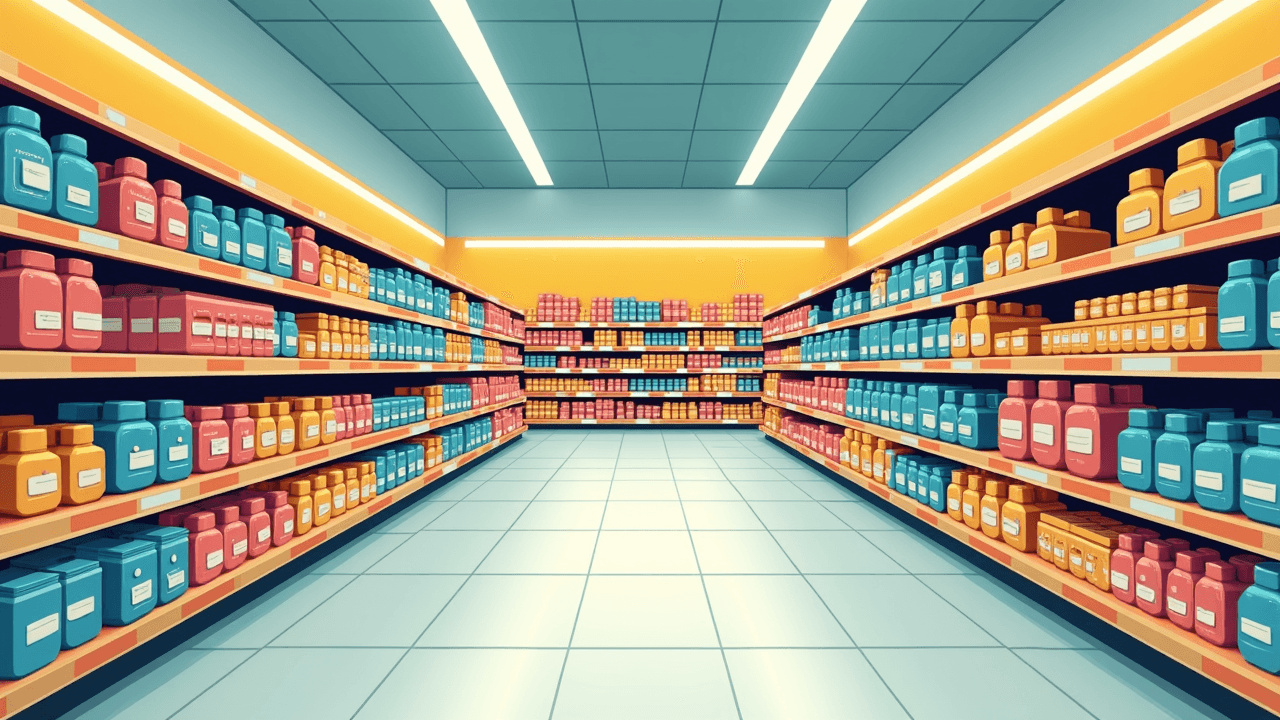
Learn effective strategies to optimize dollar store shelves for higher sales and boost your retail success. Maximize your store's potential!
When it comes to maximizing sales in a dollar store, the way shelves are organized and products are displayed can make all the difference. With the retail landscape constantly evolving, understanding the nuances of dollar store dynamics is crucial for any store owner or manager. This article delves into effective strategies for optimizing dollar store shelves, focusing on innovative shelf design, product placement techniques, and the integration of technology.
Whether it’s through strategic use of space, engaging visual merchandising, or creating an inviting atmosphere that encourages customer interaction, every detail matters. By mastering these elements, dollar store operators can capture their target audience’s attention and drive higher sales. Let’s explore the strategies that will transform your store’s layout into a sales powerhouse! 💰
Understanding Dollar Store Dynamics
Dollar stores have carved a unique niche in the retail market, providing affordable products to a wide range of consumers. Their continued popularity can be attributed to various factors, including economic conditions, changing shopping behaviors, and evolving customer demographics. By understanding the dynamics within dollar stores, business owners and marketers can better cater to their clientele, ensuring a pleasing shopping experience.
Target Customer Demographics
Dollar stores attract a diverse clientele, reflecting the broad spectrum of economic backgrounds and shopping needs.
- Income Levels: The majority of shoppers tend to come from low to middle-income families. Many customers turn to dollar stores for budget-friendly alternatives, especially in times of economic uncertainty.
- Age Range: Shoppers vary widely in age, but there tends to be a notable demographic of young adults and retirees who favor affordability and convenience.
- Family Size: Larger families often frequent dollar stores in search of ways to save on household essentials, making it a go-to shopping destination for bulk purchases and everyday items.
- Location: Rural and urban areas both see dollar stores thriving, but their presence in low-income neighborhoods is particularly pronounced, providing much-needed convenience and affordability.
Understanding these demographics allows dollar store operators to optimize product selections and marketing strategies tailored to meet the needs of their primary customers. 🎯
Common Shopping Behavior
The shopping behavior observed at dollar stores is integral to their appeal and success.
- Frequent Visits: Shoppers often visit dollar stores regularly, driven by the need for affordable everyday items. With shorter shopping lists, these visits tend to be quick and efficient.
- Impulse Purchases: A significant portion of customers buy items on impulse, influenced by attractive displays or seasonal promotions. This behavior creates opportunities for strategic product placements to boost impulse buying.
- Bargain-Hunting Mindset: Dollar store patrons are generally looking for the best deals, so marketing tactics emphasizing value and discounts resonate well. Offered price points affect purchasing decisions significantly.
- One-Stop Shopping: Many consumers appreciate the convenience of finding household essentials, snacks, and hygiene products in one location. This array of products encourages one-stop shopping without breaking the bank. 🛍️
By recognizing these shopping behaviors, dollar store managers can design layouts and advertising strategies that enhance the customer experience. There is much to be learned from the dynamics of shopping patterns in dollar stores, making it essential for businesses to adapt to these insights effectively.
Effective Shelf Design Strategies
Designing effective shelves in retail spaces is not just about maximizing storage; it’s about creating a shopping experience that captivates customers and encourages purchases. With the right strategies, retailers can transform their shelf layouts into vibrant showcases that not only display products but also tell a story.
Utilizing Space Wisely
Maximizing retail space can significantly enhance visibility and sales. The following tips can help elevate the usage of space:
- Eye-Level Displaying: Positioning products at eye level is crucial for visibility. Items placed in this prime real estate draw customer attention, leading to increased accessibility and sales. 🛒
- Vertical Space: Utilize vertical shelves to take advantage of height, which can help in organizing products and making the most out of limited floor space.
- Tiered Shelving: Incorporating tiered shelves allows consumers to see items stacked nicely, making it easier for them to scan through offerings without straining.
A well-planned layout not only enhances the aesthetic appeal but also supports a smoother shopping flow.
Categorization of Products
Grouping similar products fosters easier navigation and a clearer shopping experience. Consider the following techniques for product categorization:
- Thematic Grouping: Arrange products by themes or occasions. For instance, creating seasonal sections (like summer or holidays) showcases relevant items, prompting shoppers to make spontaneous purchases.
- Strategic Cross-Merchandising: Position complementary items together. For example, placing chips beside salsa encourages customers to consider purchasing both, thus increasing average transaction values.
- Clear Signage: Use labels and signage to differentiate categories. This helps in directing customers to their desired products efficiently.
By implementing effective categorization, retailers can create a logical flow that not only makes shopping easier but also invites customers to discover new products.
Attractive Visual Merchandising
Visual merchandising is an essential part of shelf design that can dramatically influence customer behavior. Here are some strategies to enhance visual appeal:
- Color Coordination: Developing a color palette that resonates with your brand can draw attention and create a cohesive look across the shelves. Bright colors can attract impulse buyers, while softer hues might appeal to consumers looking for luxury.
- Creative Displays: Use props and thematic decorations to create interesting displays that capture attention. For example, if showcasing baking goods, presenting them with utensils and cookbooks creates an inviting scenario.
- Lighting Effects: Effective lighting can highlight key products and create an inviting atmosphere. Bright shelves attract attention, while softer lights can create a more relaxed shopping environment.
A well-curated visual merchandising strategy not only beautifies the store but also communicates a clear message about what the retailer stands for.
Each of these strategies plays a significant role in enhancing the shopping experience. By considering how space is utilized, how products are categorized, and how visual merchandising is implemented, retailers can create a seamless and engaging environment that delights customers and boosts sales. 🛍️
Product Placement Techniques
Product placement is an art form as much as it is a science. A retail environment’s layout can significantly influence consumer behavior and sales performance. By strategically arranging products, retailers can enhance visibility, facilitate purchasing decisions, and ultimately drive revenue. Let’s explore some effective techniques that retailers can deploy to optimize product placement.
Cross-Merchandising Opportunities
Cross-merchandising is a clever technique where complementary products are placed together to enhance the shopping experience. This approach not only boosts sales but also creates a convenient shopping environment for customers. For instance:
- Snack and Drink Pairing: Positioning chips next to sodas or dips encourages customers to buy both together—an ideal display to cater to party-goers or movie-night enthusiasts.
- Cooking Essentials: By placing pasta next to sauces or spices, shoppers are more likely to pick up everything they need for a meal without making extra stops.
Implementing cross-merchandising can lead to higher average transaction values, as customers are encouraged to explore combinations they might not have considered otherwise.
Seasonal Promotions
Seasonal promotions are another effective product placement technique. Retailers can take advantage of holidays or seasonal changes to create specialized displays that capture attention. For example:
- Festive Holidays: Designing an eye-catching display for holiday-specific items (like Christmas decorations or Valentine’s Day gifts) draws in consumers searching for seasonal products. 🎄❤️
- Back-to-School: During the back-to-school period, aligning school supplies with best-selling stationery shows students and parents that they can find everything they need in one spot.
These promotions can evoke a sense of urgency, prompting customers to make purchases promptly, leading to increased sales during peak times.
Impulse Buy Areas
Impulse buy areas are strategically placed at the checkout or near popular aisles of the store. These zones are designed to capture the attention of customers who might not have intended to make additional purchases.
- Convenient Positioning: Items like candy, magazines, or novelty gadgets placed near the register can entice customers as they finalize their purchases.
- Limited-Time Offers: Showcasing limited-time deals in these areas can create a fear of missing out, compelling customers to grab that enticing item before they check out.
Strategically designed impulse buy areas can significantly improve revenue, as they cater to spontaneous purchasing behavior.
By employing these product placement techniques, retailers can create an inviting shopping experience that not only simplifies the buyer’s journey but also maximizes sales opportunities. Embracing the synergy of cross-merchandising, seasonal promotions, and impulsive buy placements can transform a store’s layout into an engaging environment that resonates with consumers. 📈
Technology in Inventory Management
In the ever-evolving world of commerce, effective inventory management stands out as a critical component for success. Companies that harness the power of technology streamline their processes, optimize stock levels, and ultimately cater to customer needs. With advancements in data analytics and inventory management systems, businesses can now operate with greater efficiency and insight than ever before.
Utilizing Sales Data
One of the cornerstones of effective inventory management is the utilization of sales data. Regularly analyzing this information provides invaluable insights into customer preferences, allowing businesses to adjust their stock levels in a more informed manner.
- Understanding Trends: By tracking sales trends over time, companies can identify which products are in high demand and which are lagging behind. This enables better forecasting of future needs.
- Customer Preferences: Insights drawn from sales data can reveal seasonal trends or highlight shifts in consumer behavior. For instance:
- 🏖️ Summer might see a spike in beach gear purchases, while ❄️ winter could enhance sales of warm clothing.
- Optimized Stock Levels: Armed with this knowledge, businesses can ensure they maintain optimal inventory levels, reducing the risks of overstocking or stockouts. This approach not only improves cash flow but also enhances customer satisfaction.
In essence, leveraging sales data helps companies stay one step ahead of the competition and better meet their customers’ demands.
Implementing Stock Management Systems
Transitioning to a comprehensive stock management system can revolutionize how businesses handle inventory. With the right tools in place, tracking and managing stock becomes a streamlined process.
- Automation of Tasks: Modern stock management systems automate numerous tasks, from reorder notifications to inventory tracking. This can significantly reduce the time employees spend managing stock.
- Real-Time Updates: Many systems provide real-time visibility into stock levels, which is essential for informed decision-making. This ensures that businesses can:
- React swiftly to changes in demand.
- Coordinate with suppliers effectively.
- Enhanced Accuracy: By minimizing human error through automation, companies can achieve higher accuracy in inventory records. This leads to a more efficient supply chain and increased operational productivity.
Implementing these systems could mean the difference between a thriving business and one that struggles to keep pace in a competitive market. The synergy between accurate data analysis and advanced technology is crucial in achieving optimal stock management.
Utilizing sales data and implementing robust stock management systems allows businesses to navigate the complexities of inventory with ease, ensuring they meet customer needs while maximizing efficiency. As the landscape of inventory management continues to evolve, adopting these technologies will be vital for any forward-thinking enterprise.
Creating an Engaging In-Store Experience
Creating an engaging in-store experience plays a pivotal role in attracting customers and encouraging them to linger longer. In a landscape dominated by e-commerce, physical stores have unique opportunities to create memorable interactions that leave a lasting impression. By harnessing customer interaction zones and effective in-store promotions, retailers can not only enhance customer satisfaction but also increase sales.
Customer Interaction Zones
One of the most effective strategies for creating an engaging in-store experience is designing customer interaction zones. These dedicated spaces within a store can effectively transform browsing into a dynamic engagement experience.
- Interactive Displays: Retailers can incorporate interactive displays that invite customers to touch, feel, and explore products. This tactile engagement can significantly draw customer interest and increase dwell time.
- Product Demonstrations: Live demonstrations or tastings encourage customers to actively participate, making their shopping experience more memorable. For example, a beauty store showcasing a new skincare line can host mini-makeup sessions where customers can try products firsthand.
- Comfortable Seating Areas: Creating cozy zones for customers to relax, regroup or even engage with brand ambassadors can enhance their overall experience. This not only provides comfort but also encourages them to reflect on their shopping choices, increasing the likelihood of making a purchase.
By structuring physical spaces that prioritize interaction, retailers can foster a sense of community and connection, paving the way for lasting customer relationships.
In-Store Promotions and Discounts
Strategically planned in-store promotions and discounts can significantly enhance the shopping atmosphere, driving sales and boosting customer loyalty.
- Limited-Time Offers: Creating a sense of urgency encourages customers to make immediate purchasing decisions. Eye-catching signage indicating “Exclusive offers ending soon!” can stimulate a purchase impulse.
- Member-Exclusive Discounts: Offering special discounts or promotional events for loyalty program members reinforces brand loyalty. Not only do customers feel valued, but they are also incentivized to return to the store regularly.
- Bundled Deals: Encouraging consumers to buy more by providing bundled product discounts can simplify decision-making. For instance, a retailer may offer a discount on the second item, effectively promoting upselling.
Through well-executed promotions, retailers can create excitement and draw customers in, fostering an invigorating shopping environment.
Ultimately, by focusing on customer interaction zones and effective promotional strategies, retailers can craft engaging experiences that not only attract shoppers but also keep them coming back for more. The in-store experience is not just about selling products; it’s about building relationships, creating memories, and fostering brand loyalty. By prioritizing these elements, stores can thrive in an ever-evolving retail landscape.
Training Staff for Optimal Sales Strategies
Effective training for staff is a cornerstone of any successful sales strategy. When employees are well-equipped with the knowledge and skills required to engage with customers effectively, they not only enhance the overall shopping experience but also contribute significantly to driving sales. In the competitive landscape of 2026, organizations must prioritize the continuous development of their teams to maintain a solid market presence.
Importance of Employee Training
Employee training shouldn’t just be viewed as an additional cost; rather, it’s an essential investment in the company’s future. Here are several compelling reasons why prioritizing training can yield substantial benefits:
- Enhanced Customer Experience: Employees who have undergone thorough training understand the products or services well, allowing them to answer customer queries confidently and efficiently.
- Consistency in Sales Techniques: Well-defined training programs ensure that every employee is on the same page regarding sales strategies. This uniformity creates a coherent brand message that customers can trust.
- Boosted Employee Confidence: A strong grasp of sales techniques instills a sense of confidence in employees. When they feel knowledgeable, they are more likely to engage positively with customers, leading to increased sales opportunities.
- Increased Efficiency: With proper training, employees can handle transactions faster and resolve issues more effectively, resulting in higher customer satisfaction and repeat business.
- Reduced Turnover Rates: Companies that invest in employee training tend to see lower turnover. Employees are likely to feel valued and see a future with the organization, creating a more stable workforce.
Well-trained staff can enhance the customer experience and drive sales, making it a priority for business success.
Motivating Staff to Promote Sales
Motivation plays a pivotal role in maximizing the effectiveness of trained personnel. Businesses must cultivate an environment that not only encourages but also incentivizes staff to engage actively in promoting sales. Here are some practical strategies to achieve this:
- Set Clear Goals: Define achievable sales targets. When employees know what they are striving for, they are more likely to put in the effort to achieve those goals.
- Provide Incentives: Offering bonuses or commissions can spark enthusiasm among staff members. Recognize top performers publicly, which can create a motivational environment for all team members.
- Foster a Supportive Environment: Encourage open communication about sales techniques and share best practices among colleagues. Peer support can be just as motivating as managerial feedback.
- Utilize Technology: Implementing tools that help track performance can provide real-time feedback, enabling employees to see how they’re progressing toward their goals.
- Hold Regular Training Sessions: Continuous education keeps sales strategies fresh and allows staff to adapt to changing market conditions. This demonstrates a commitment to their personal and professional growth.
Creating a motivated workforce is essential for translating training into tangible sales results. By combining comprehensive training with effective motivational strategies, organizations can ensure that their staff is not only prepared to meet the demands of the market but is also inspired to thrive in their roles.
Conclusion
Optimizing dollar store shelves is a multifaceted approach that requires an understanding of both customer dynamics and effective merchandising strategies. By implementing these actionable techniques, dollar store owners can significantly enhance their sales and create a more engaging shopping experience. Remember to continually analyze sales data and stay responsive to customer needs.
For those looking to stock their shelves effectively, Four Seasons General Merchandise is here to support all your wholesale needs. With a diverse range of products designed for maximum appeal, your dollar store can thrive and attract more customers. 🌟 Check out their offerings here.
Frequently Asked Questions
- What are some effective ways to optimize dollar store shelves?
Effective ways to optimize dollar store shelves include organizing products by category, using attractive displays, ensuring products are easily accessible, regularly rotating stock, and utilizing signage to highlight promotions and best-sellers.
- How can I improve product visibility on dollar store shelves?
Improve product visibility by placing high-demand items at eye level, using well-designed signage, ensuring shelves are well-lit, and frequently rearranging products to maintain shopper interest and attention.
- What role does store layout play in optimizing dollar store shelves?
Store layout is crucial for optimizing dollar store shelves as it influences customer flow, encourages impulse buying, and strategically places popular items to draw customers deeper into the store.
- How often should I rearrange products on dollar store shelves?
It’s advisable to rearrange products on dollar store shelves every few weeks or at least once a month to keep the store looking fresh, attract repeat customers, and maintain the interest of shoppers.
- What types of displays work best for dollar store items?
Tiered displays, end caps, and themed displays are particularly effective for dollar store items as they maximize visibility, create attractive product showcases, and encourage customers to explore various items.
