
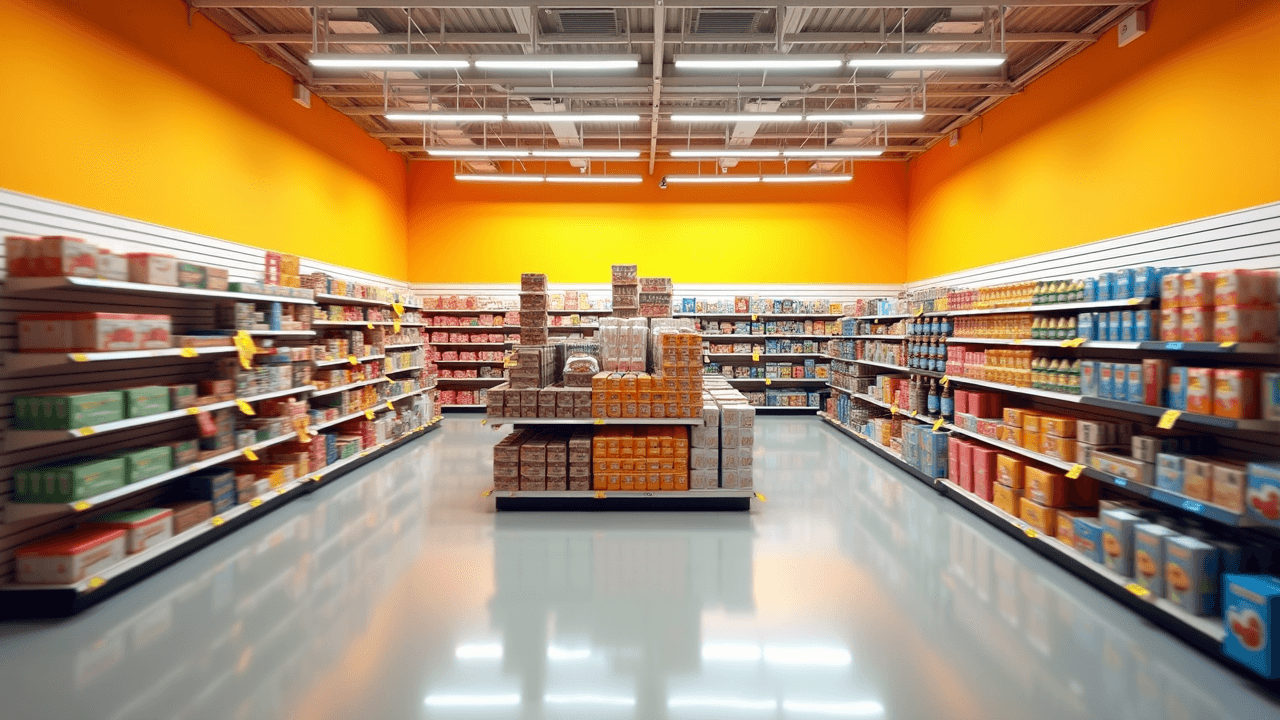
Explore innovative store layout ideas designed to boost dollar store sales and enhance customer shopping experiences.
In the ever-evolving world of retail, dollar stores have carved out a distinct niche by offering consumers an array of products at affordable prices. However, capturing and retaining customer interest goes beyond just pricing; it hinges significantly on how a store is laid out. A well-thought-out store layout is essential for enhancing customer experience and driving sales.
Consider this: the average shopper spends only a few minutes in-store before making a purchasing decision. This statistic underscores the necessity of utilizing innovative store layouts that not only showcase products effectively but also create an inviting atmosphere. By adopting fresh design strategies, dollar stores can lead customers on a journey that encourages exploration, ultimately translating into increased sales.
In this article, we will explore various innovative store layout ideas tailored specifically for dollar stores. From optimizing traffic flow to utilizing eye-catching displays, these strategies aim to boost sales while creating a memorable shopping experience. Buckle up as we delve into the elements that can make a dollar store not just a place to shop, but a delightful destination.
Understanding the Importance of Store Layout
Store layout plays a pivotal role in shaping the shopping experience and ultimately driving sales. An effectively designed store not only enhances the visual appeal of products but also influences the flow of customer traffic, making it essential for retailers to consider how layout can impact both customer satisfaction and purchasing behavior.
Impact of Layout on Customer Experience
The layout of a store greatly affects how customers perceive their shopping environment. When shoppers feel comfortable and can navigate the space easily, their experience improves significantly. Here are some key elements that contribute to positive customer experiences:
- Accessibility: A well-structured layout ensures that all areas of the store are easily reachable, minimizing the frustration that can come from inconvenient design.
- Aesthetics: Attractive displays and organized shelves help to create an inviting atmosphere that encourages browsing and engagement.
- Zone Creation: By designing distinct areas for different product categories, retailers can encourage exploration, making customers feel as if they have time to discover new items.
- Flow Design: Utilizing a logical flow in the store can enhance the customer path, guiding them naturally from one section to another.
By strategically considering these factors, retailers can craft a shopping environment that delights customers and fosters loyalty. As research indicates, a positive shopping experience not only drives repeat visits but also boosts word-of-mouth marketing.
Influence on Purchasing Behavior
The relationship between store layout and purchasing behavior is profound and multifaceted. A thoughtfully arranged store can have a significant impact on the decisions customers make while shopping. Here are some influential aspects:
- Product Placement: Shoppers are more likely to purchase items that are strategically placed at eye level, or at the end of aisles. This placement not only enhances visibility but also spurs impulse buying.
- Promotional Displays: Utilizing end caps or promotional signs can attract attention to sales and special offers, effectively nudging customers toward specific purchases.
- Space and Comfort: A cluttered store can make shoppers feel overwhelmed. Spacious layouts create a sense of comfort, encouraging customers to take their time rather than rush through their shopping experience.
- Social Influence: When customers see others making purchases or interacting with products, they may feel inclined to mimic that behavior, showcasing the power of layout in influencing social proof.
The importance of store layout cannot be overstated. When retailers prioritize both customer experience and purchasing behavior through strategic design, they unlock the potential for increased sales and customer retention. A well-thought-out layout not only welcomes shoppers but also turns their experience into a delightful journey that ultimately leads to buying decisions.
Key Elements of Effective Store Layouts
Creating an effective store layout is essential for enhancing the shopping experience and driving sales. A well-thought-out floor plan can guide customers seamlessly through the space, maximize product visibility, and encourage impulse buying. This article explores the key elements of effective store layouts, focusing on traffic flow optimization, zoning strategies, and product placement techniques.
Traffic Flow Optimization
Optimizing traffic flow is akin to choreographing a dance; it requires careful planning to ensure that customers move smoothly from one area to another. An effective store layout should encourage a natural progression through the space, guiding customers along a defined path.
- Create Clear Pathways: Wide aisles and clearly marked entrances and exits can significantly reduce congestion and confusion.
- Use Visual Cues: Signage and floor graphics can provide guidance while also capturing attention.
- Leverage Corner Spaces: Merchandising products in corner locations can encourage shoppers to change direction, allowing for the exploration of more products.
By strategically designing the flow of foot traffic, retailers can create an inviting atmosphere that enhances customer satisfaction and boosts sales. 😊
Zoning Strategies
Zoning is a critical component of effective store layouts. By grouping related products together, retailers can create intuitive shopping experiences that cater to customers’ needs.
- Define Key Zones: Identify primary zones within the store: entrance, promotional area, main shopping area, and checkout. Each zone should have a distinct purpose.
- Seasonal and Promotional Zones: Allocate space for seasonal displays and promotions to keep the offerings fresh and exciting.
- Customer-Centric Design: Consider the demographics of the target market when zoning. For instance, family-oriented stores may benefit from kid-friendly zones to entice parents and children alike.
These zoning strategies not only enhance the aesthetic appeal of the store but also create a logical flow that customers can easily navigate.
Product Placement Techniques
The way products are placed on the shelves can make or break a sale. Thoughtful product placement techniques can draw customers’ eyes and encourage purchasing decisions.
- Eye-Level Merchandising: Positioning high-margin products at eye level can significantly increase their visibility and enhance sales.
- Cross-Merchandising: Placing complementary products near each other can encourage customers to buy more. For example, pairing chips with dips can lead to increased basket sizes.
- Seasonal Adjustments: Regularly rotating product displays to feature seasonal items can keep the store dynamic and relevant to customers’ current interests.
Using strategic product placement techniques can create an engaging shopping environment, driving both foot traffic and sales effectively.
By integrating these key elements—traffic flow optimization, zoning strategies, and product placement techniques—retailers can create a store layout that not only meets the practical needs of customers but also enhances their overall shopping experience. A well-designed store speaks volumes about a brand’s commitment to customer satisfaction, ensuring that they return for more!
Innovative Store Layout Ideas for Dollar Stores
When it comes to dollar stores, creating an engaging shopping experience is essential to attract and retain customers. A well-thought-out store layout not only maximizes space but also enhances customer interaction and boosts sales. In exploring innovative store layout ideas, it’s important to consider how each format can benefit the overall shopping experience while promoting a welcoming atmosphere. Let’s dive into some effective layout strategies that can elevate dollar stores to new heights.
The Grid Layout: Maximizing Space Efficiency
The grid layout is perhaps one of the most common and efficient designs utilized in retail settings, including dollar stores. This arrangement consists of long aisles that run parallel to one another, resembling a traditional grid pattern.
Benefits of the Grid Layout:
- Space Optimization: This layout allows for a maximum number of products to be displayed efficiently, making it ideal for the limited space typically available in dollar stores.
- Simple Navigation: Customers can easily find what they are looking for, as the predictable layout helps them navigate the store with ease.
- Bulk Displays: The grid design facilitates bulk product placement, appealing to shoppers looking for value in larger quantities.
Implementing a grid layout encourages customers to browse while keeping things organized, making it a solid choice for any dollar store looking to maximize sales.
The Racetrack Layout: Encouraging Exploration
For dollar stores that want to foster a sense of adventure and exploration, the racetrack layout is an innovative alternative. This setup features a circular path around the store, guiding customers through various sections.
Advantages of the Racetrack Layout:
- Increased Exposure: By guiding shoppers along a winding path, they are more likely to encounter a broader range of products than they would in a linear aisle setup.
- Promotional Opportunities: Upfront displays can highlight seasonal promotions or new arrivals, drawing attention and encouraging impulse purchases.
- Community Engagement: The layout can be designed to include community spaces or demo areas, making the store feel more inviting and interactive.
Customers appreciate the chance to leisurely stroll through a store, and the racetrack layout embraces this instinct, enhancing their shopping journey.
The Free-Flow Layout: Encouraging Customer Engagement
The free-flow layout is designed to create a more relaxed and open environment, allowing customers to explore products in a less structured way. This layout involves a mix of displays, creating a pathway that feels more organic and less confined.
Key Features of the Free-Flow Layout:
- Flexible Arrangement: Products can be arranged based on category or themes, which can change weekly or monthly to keep things fresh and exciting.
- Interactive Displays: Encouraging touch and feel can increase customer engagement – including product demonstrations in various aisles can significantly enhance the shopping experience.
- Casual Atmosphere: The less rigid flow may invite customers to linger and assess products longer, leading to increased impulse buys.
By fostering an environment that feels inviting and exploratory, dollar stores can effectively leverage the free-flow layout to enhance customer engagement and satisfaction. 🌟
Seasonal Displays: Captivating Attention and Increasing Sales
Incorporating seasonal displays is a savvy strategy that not only captures the attention of shoppers but also encourages timely purchases. Strategically positioned displays that change with the seasons can create excitement and boost sales significantly.
Strategies for Effective Seasonal Displays:
- Thematic Signage: Use vibrant signage to highlight seasonal promotions, making it easy for customers to find relevant items.
- Dynamic Arrangements: Create eye-catching displays that change with the seasons—think Halloween decorations in October or summer fun items in June.
- Cross-Merchandising: Pair related items together for each season, offering customers complete solutions—like grilling essentials for summer picnics.
These displays act as focal points that draw customers in, providing them with inspiration and ideas for their purchases while enhancing their overall shopping experience.
By embracing these innovative layout ideas, dollar stores can optimize their space effectively, create inviting environments, and ultimately improve their sales performance. It’s all about striking the right balance between practicality and customer engagement, ensuring that every shopper leaves with a smile. 😊
Utilizing Visual Merchandising to Enhance Store Layout
Visual merchandising is crucial for retailers looking to optimize their store layouts and create an inviting shopping experience. By strategically using elements like signage, color, lighting, and displays, retailers can greatly influence customer behavior. This article will explore how these components contribute to an effective store layout.
Signage and Branding
Effective signage not only guides customers through the store but also reinforces brand identity. Thoughtfully designed signage, whether it’s bold and eye-catching or more subtle and sophisticated, plays a role in creating an engaging atmosphere.
Key Elements of Effective Signage:
- Clarity: Clear, legible fonts and concise messaging are vital to help customers navigate easily.
- Consistency: Maintaining a cohesive style with brand colors and fonts strengthens recognition.
- Positioning: Signage should be strategically placed at decision-making points where shoppers might require guidance.
Retailers can leverage signage as a visual anchor that ties everything together, enhancing the customer journey. Additionally, promotional signage can drive sales, as it draws attention to special offers and new products.
“In retail, the right signage can transform a simple store into an experiential one, where customers feel inspired and informed.”
The Power of Color and Lighting
Color and lighting significantly impact mood and buying behavior. Each can evoke emotions and influence decisions, making them critical aspects of visual merchandising.
Considerations for Color and Lighting:
- Colors: Bright colors can energize and attract attention, while softer hues often create a calming effect. For example, warm tones like reds and oranges can encourage impulse buying, while blues and greens promote a sense of trust and relaxation.
- Lighting: Proper lighting can highlight key areas and products. Ambient lighting creates an inviting environment, whereas spotlights can accentuate featured items, effectively guiding customer attention.
Retailers must strike a balance between these elements to enhance product presentation and overall store ambiance. Implementing an adaptive lighting strategy to vary brightness based on different times of day can also improve customer experience.
Creating Eye-Catching Displays
Visually appealing displays are essential for capturing attention and encouraging interaction. They serve as focal points, showcasing products in a creative and engaging manner.
Strategies for Effective Displays:
- Theme-Based Arrangements: By curating displays around seasonal or promotional themes, retailers can tell a story that resonates with customers.
- Height Variation: Mixing different heights in displays creates visual interest and draws customers in.
- Interactive Elements: Incorporating hands-on components can encourage customers to engage with the products, increasing the likelihood of purchase.
When displays are thoughtfully designed, they can transform a conventional shopping experience into an exciting adventure, prompting shoppers to explore more of the store.
In an ever-competitive retail landscape, utilizing visual merchandising essentials like signage, color, and displays can significantly enhance a store’s layout. By taking these aspects seriously, retailers not only improve customer engagement but also elevate their brand presence overall.
Incorporating Technology into Store Layout
Creating an effective retail environment today often requires a thoughtful integration of technology into the store layout. As more consumers lean toward a digital-first approach, retailers are tasked with enhancing the in-store experience. By incorporating advanced technological features, stores can not only attract more foot traffic but also convert casual shoppers into loyal customers. Here’s how retailers can seamlessly integrate technology into their layouts.
Use of Digital Signage
Digital signage is a game-changer for modern retail. Moving away from static displays, bright screens can capture customers’ attention and promote products dynamically. Retailers can display promotions, new arrivals, or seasonal highlights in real time.
- Advantages of Digital Signage:
- Eye-Catching Displays: Animated content can draw customers in, enhancing visibility of featured products.
- Easy Updates: Promotions can be changed instantly without the need for new prints, saving time and resources.
- Interactivity: Some systems even allow customers to interact with the displays, creating a more engaging experience.
“Digital signage transforms the mundane into the spectacular, making shopping an enjoyable experience,” says retail expert Jane Doe. 📱
Mobile Apps for Navigation
With the rise of mobile technology, having a dedicated store app can significantly enhance the customer shopping experience. Retailers are increasingly developing apps that not only allow consumers to browse products but also guide them through the store layout.
- Features to Consider:
- Store Map: Help customers locate specific products quickly and effectively.
- Product Scanning: Allow users to scan barcodes for instant information or promotional offers.
- Real-Time Inventory Updates: Customers can check product availability before they even visit the store.
By implementing apps with navigational features, retailers can provide a personalized shopping journey that encourages consumers to explore their offerings. This streamlined approach is especially useful in large stores where finding specific items can be daunting.
Interactive Displays
Imagine walking through a store and seeing interactive displays that not only showcase products but also allow customers to engage with them directly. This concept is revolutionizing how products are marketed in-store.
- Interactive Elements:
- Touch Screens: Customers can explore product details, read reviews, and even see how items pair together.
- Augmented Reality: Some retailers are adopting AR to let customers visualize how furniture looks in their homes or how a clothing item fits without trying it on.
- Gamification: Incorporating games or challenges can draw customers in and create memorable shopping experiences while subtly promoting products. 🎮
By providing such interactive experiences, stores foster a deeper connection with their customers, encouraging them to spend more time exploring and ultimately increasing sales.
Integrating these technologies into store layouts helps meet the modern consumer’s needs and enhances their retail experience. By embracing the digital shift, retailers can create innovative environments that captivate and convert. With thoughtful application, technology becomes a powerful tool that boosts not just sales, but brand loyalty and customer satisfaction.
Case Studies of Successful Dollar Store Layout Implementations
In an increasingly competitive market, dollar stores have been revolutionizing their layouts to enhance customer experience and drive sales. These changes often reflect a deep understanding of consumer behavior, product placement, and store navigation. Let’s take a closer look at some remarkable examples of effective store layout changes.
- Thematic Zones
- One innovative change involved categorizing products into thematic zones, such as seasonal items, household goods, and personal care. Customers are more likely to explore the store when they see clearly defined sections, resulting in increased basket sizes. 🛒
- Open Aisle Design
- A successful dollar store chain transitioned from narrow aisles to a wider open design. This modification not only improved traffic flow but also made it easier for customers to browse. Shoppers enjoy a more relaxed atmosphere, leading to longer visits and higher impulse purchases.
- Endcap Promotions
- Strategic placement of high-demand products on endcaps took center stage in several successful layouts. These promotional displays draw attention and create a sense of urgency among shoppers. Dollar stores that embraced this layout saw a notable uptick in sales for featured items. 📈
- Focal Points
- A few chains adopted creative focal points near entrances, such as seasonal displays or popular products. These features entice customers right from the start and create a welcoming ambiance that encourages them to explore further.
- Checkout Improvements
- Reconfiguring checkout stations to minimize wait times also proved effective. By implementing a streamlined layout with efficient cash registers and impulse-buy items nearby, stores not only increased customer satisfaction but also boosted last-minute purchases. 🏷️
Lessons Learned from Successful Implementations
The transformation of dollar store layouts provides numerous insights into effective retail strategies. The following lessons highlight what retailers can take away from these successful implementations:
- Customer-Centric Approach: Observing how customers navigate the store allows for informed decisions regarding layout changes. Listening to customer feedback and preferences can lead to changes that resonate with the target audience.
- Flexibility in Design: Adaptability is crucial in retail. Stores that regularly assess their layout based on seasonal trends or purchasing habits tend to outperform competitors. For instance, adapting displays according to holiday seasons can keep offerings relevant and engaging.
- Emphasis on Visual Merchandising: Effective use of colors, signage, and lighting can significantly enhance the shopping experience. Implementing an attractive visual merchandising strategy can lead to increased product visibility and desirability.
- Training Staff for Layout Changes: Employees should be well-versed in any new layout adjustments. Ensuring that staff is trained on the changes can facilitate smooth transitions and better assist customers in navigating the store.
- Continuous Assessment and Adjustment: Successful dollar stores review performance metrics following layout changes. Analyzing sales data, customer traffic patterns, and feedback can identify opportunities for further enhancement.
The strategic implementations of these changes have proven that a well-thought-out store layout significantly impacts customer satisfaction and overall sales. By embracing innovative design strategies and keeping customer preferences at the forefront, dollar stores can not only survive but thrive in a competitive landscape. 🏆
Conclusion
In today’s competitive retail environment, a well-thought-out store layout isn’t just an option; it’s a necessity for dollar stores looking to thrive. By implementing innovative designs, strategic product placements, and leveraging technology, store owners can significantly enhance the shopping experience and drive sales.
Embracing these layout ideas not only organizes the store more effectively but also encourages customer exploration, ultimately leading to higher sales. For dollar store owners looking to elevate their merchandise offerings, partnering with a reliable supplier like Four Seasons General Merchandise can provide you with the products you need to keep your shelves stocked and your customers satisfied. Explore more about our wide-ranging inventory at Four Seasons General Merchandise and start optimizing your store today!
Frequently Asked Questions
- What are some innovative store layout ideas for dollar stores?
Some innovative store layout ideas for dollar stores include creating themed sections, using end caps for seasonal promotions, implementing a clear pathway for easy navigation, displaying high-demand items near the entrance, and incorporating attractive signage to highlight special deals.
- How can an effective store layout increase sales in a dollar store?
An effective store layout can increase sales by enhancing customer flow, maximizing product visibility, encouraging impulse purchases, and providing a pleasant shopping experience, ultimately leading to higher customer satisfaction and increased dwell time.
- What role does signage play in a dollar store layout?
Signage plays a crucial role in a dollar store layout by guiding customers through the store, highlighting promotions, and informing shoppers about product locations, thereby enhancing their shopping experience and encouraging them to explore more.
- Are seasonal displays effective for boosting dollar store sales?
Yes, seasonal displays are highly effective for boosting dollar store sales. They attract customers’ attention, create a sense of urgency, and encourage impulse buying during specific times of the year, such as holidays or back-to-school season.
- How often should I change the store layout to optimize sales?
It’s advisable to change the store layout at least once a season or whenever introducing new products. Regular updates keep the shopping experience fresh, encourage repeat visits, and allow for the effective promotion of new and seasonal items.
