
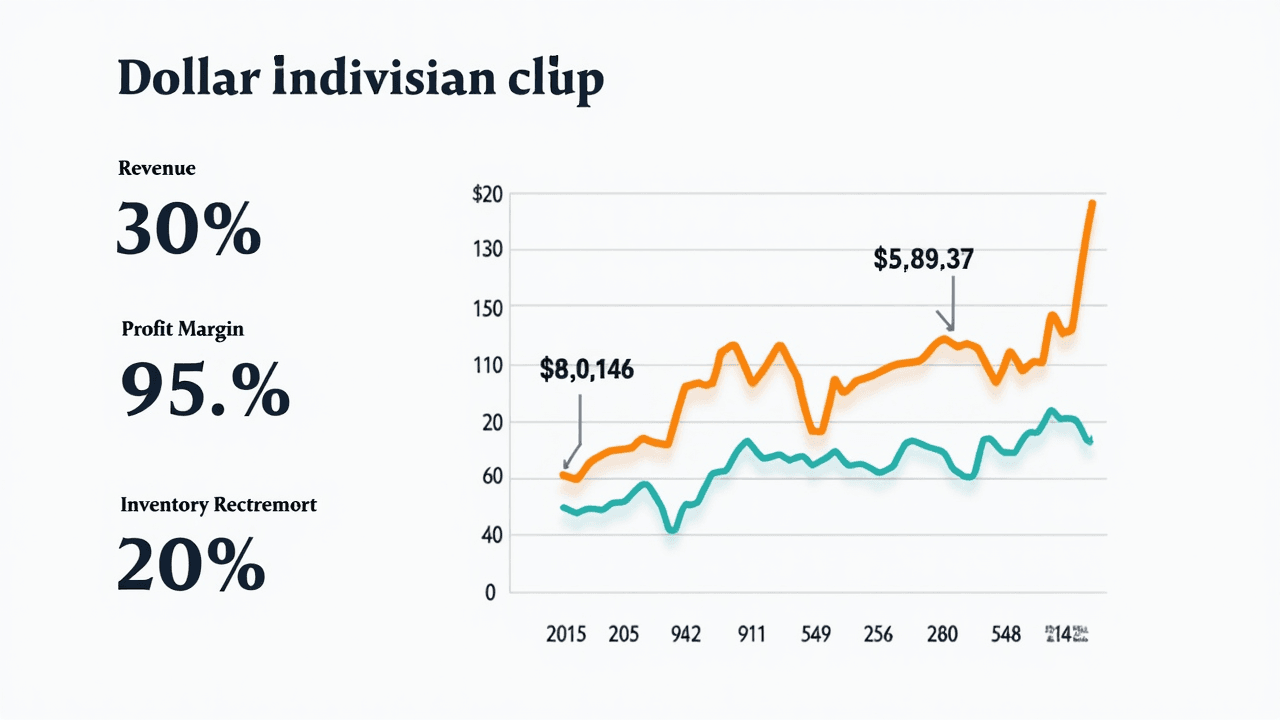
Discover essential metrics to track for dollar store profitability in 2025 and ensure your business thrives in a competitive market.
In an ever-evolving retail landscape, dollar stores have established themselves as critical players in the market. With their unique business model, these stores cater to budget-conscious consumers and provide an innovative range of affordable products. However, navigating profitability in this segment isn’t merely about offering low prices—it hinges on understanding and tracking specific metrics that reveal the store’s financial health and efficiency.
As we step into 2025, the competitive environment for dollar stores demands increased scrutiny on various key performance indicators (KPIs). From financial metrics that gauge overall health, to sales figures that reflect customer engagement, and operational efficiency metrics that drive daily functions, each number tells a story.
Determining the right analytics and establishing a robust system for monitoring these indicators is essential for success. This article delves into the fundamental metrics that every dollar store operator should keep in focus to enhance profitability and sustain a competitive edge in this dynamic market. Whether you’re a seasoned owner or new to the dollar store scene, understanding these aspects will empower wiser decision-making and forge a path toward thriving in the retail landscape. Let’s explore the key metrics that matter most for dollar store profitability in 2025!
Understanding Dollar Store Profitability
Definition of Profitability
Profitability in the context of dollar stores refers to the ability of these retail establishments to generate a profit relative to their operating costs. For dollar stores, which often operate on thin margins, understanding this concept is crucial for sustainable growth and success.
Profitability can be assessed through various metrics, including:
- Gross Profit Margin: This indicates how much revenue exceeds the cost of goods sold (COGS), revealing the efficiency of sales and production.
- Net Profit Margin: This figure considers all expenses, providing a clearer picture of overall financial health.
- Return on Investment (ROI): This measures the gain or loss generated relative to the amount invested in the business.
For dollar stores, maintaining profitability is particularly challenging due to their low pricing strategy. Therefore, it becomes essential to balance competitive pricing with cost management. Strategic sourcing, inventory management, and effective marketing can significantly impact their overall profitability.
Importance of Tracking Profitability
Tracking profitability is not just a good business practice; it is essential for the long-term viability of dollar stores. By closely monitoring financial metrics, owners and managers can make informed decisions that drive growth and efficiency. Here are a few reasons why tracking profitability is vital:
- Informed Decision-Making: Regular profitability analysis helps in identifying which products or categories are performing well, enabling better inventory selection and pricing strategies.
- Cost Control: Understanding profitability can reveal areas where costs can be reduced without sacrificing quality, such as negotiating better supplier terms or optimizing labor expenses.
- Investor Confidence: Demonstrating a clear track record of profitability can attract potential investors or stakeholders, which is often necessary for expansion or renovation.
- Adapting to Market Changes: The retail landscape is ever-evolving. By tracking profitability, dollar stores can quickly respond to market trends and consumer preferences, ensuring they stay relevant.
Ultimately, the focus on understanding and tracking profitability equips dollar store owners with the insights needed to navigate challenges and capitalize on opportunities. 📈
In summary, profitability is not a one-time measurement; it requires continual assessment and adjustment to ensure dollar stores not only survive but thrive in an increasingly competitive market.
Key Financial Metrics to Monitor
Monitoring financial metrics is crucial for any organization aiming for growth and sustainability. These key performance indicators provide invaluable insights into a company’s financial health and operational efficiency. In this article, we will explore four essential metrics: Gross Margin, Net Profit Margin, Operating Expenses, and Inventory Turnover. Understanding these indicators not only assists management in making informed decisions but can also bolster investment appeal to stakeholders.
Gross Margin
Gross margin is a vital indicator reflecting the proportion of revenue that exceeds the cost of goods sold (COGS). This metric helps businesses gauge their profitability at the most fundamental level.
- Calculation:
- Gross Margin = (Revenue – COGS) / Revenue × 100
- Purpose:
- A higher gross margin indicates a business is retaining more capital from sales, which can be reinvested into growth, research, and development.
Quote: “Gross margin is not just a number; it’s the financial cushion that allows a business to invest in its future.”
Companies should strive for consistency in this metric, as fluctuations can signal challenges in pricing strategies or increased production costs. Monitoring gross margin on a quarterly basis enables businesses to respond quickly to market changes and operational inefficiencies. ☝️
Net Profit Margin
Net profit margin measures how much money a company keeps as profit from its total revenue after all expenses are deducted.
- Calculation:
- Net Profit Margin = Net Income / Revenue × 100
- Purpose:
- This metric reflects the overall profitability and efficiency of operations, underpinning long-term sustainability.
Investors often pay keen attention to net profit margin as it provides insight into how well a company converts revenue into actual profit. A rising net profit margin can indicate improved cost control and operational effectiveness, which in turn boosts investor confidence. 📈
Operating Expenses
Operating expenses point to the costs incurred in the day-to-day functioning of a business, excluding COGS.
- Components:
- Selling, General and Administrative Expenses (SG&A)
- Depreciation and Amortization
- Research and Development costs
Understanding and monitoring operating expenses ensures that a business remains efficient and can adjust its spending in real time. Frequent reviews of this metric enable proactive adjustments, helping to maintain profitability even in fluctuating market conditions.
Inventory Turnover
Inventory turnover measures how many times inventory is sold and replaced over a period, providing insights into sales efficiency.
- Calculation:
- Inventory Turnover = COGS / Average Inventory
- Purpose:
- High turnover rates suggest that a company is effectively managing its inventory, while low rates may indicate overstocking or weak sales.
Efficient inventory management allows for better cash flow and reduced costs associated with storage and waste. Companies that regularly monitor their inventory turnover can respond quickly to market trends and adjust buying strategies accordingly. 🔄
In summary, these key financial metrics serve as the bedrock for strategic decision-making. By thoroughly analyzing gross margin, net profit margin, operating expenses, and inventory turnover, businesses can navigate challenges and capitalize on growth opportunities. Consequently, an informed approach to these metrics can lead to a more robust financial future.
Sales Metrics
In the dynamically evolving realm of retail, understanding sales metrics is crucial for any business striving for success. By assessing specific indicators, managers can unlock valuable insights into their operations, customer behaviors, and overall performance. Let’s delve into some of the key sales metrics that every retailer should monitor for enhancing profitability and making informed decisions.
Sales Per Square Foot
Sales per square foot is an essential metric that quantifies revenue generated per unit of retail space. It provides a clear picture of how effectively a store is utilizing its physical space to generate sales.
- Why It Matters:
- Space Optimization: It allows businesses to rethink store layout and inventory placement.
- Comparative Analysis: Retailers can benchmark their performance against industry standards.
An example calculation would be:
| Metric | Value |
|---|---|
| Total Sales | $500,000 |
| Total Square Footage | 2,500 sq ft |
| Sales Per Square Foot | $200 |
Quote: “Effective space management can lead to significant increases in sales per square foot, impacting overall profitability.” This highlights the importance of strategically planning retail space.
Customer Footfall
Customer footfall refers to the number of people entering a store over a specific period. This metric is vital for understanding customer interest and engagement.
- Key Insights:
- Traffic Trends: By tracking footfall, businesses can identify peak shopping times and tailor staffing and promotions accordingly.
- Conversion Rates: Monitoring footfall alongside sales figures can provide insights into conversion rates. A high footfall with low sales may indicate issues, such as pricing or customer service problems.
Visualizing footfall trends can be done effectively through this simple area graph representation of monthly traffic:
    Customers
     ^
     |             *
     |         *   *       *
     |     *   *   *   *   *
     | *   * * * * * * *   *
     |--------------------------->
           January   ...   June
Average Transaction Value
Average Transaction Value (ATV) is a critical metric that demonstrates the average spend of customers during their visits. The formula is straightforward:
ATV = Total Revenue / Number of Transactions
- Importance:
- Revenue Enhancement: Understanding ATV can guide upselling and cross-selling strategies.
- Customer Behavior Insights: It reveals shopping habits and helps retailers understand customer preferences.
For instance, if a store records a monthly revenue of $300,000 with 5,000 transactions, the calculation would look like this:
| Metric | Value |
|---|---|
| Total Revenue | $300,000 |
| Total Transactions | 5,000 |
| Average Transaction Value | $60 |
By focusing on these pivotal sales metrics—Sales Per Square Foot, Customer Footfall, and Average Transaction Value—retailers can not only measure their current performance but also identify opportunities for growth. It’s all about making data-driven decisions that lead to enhanced customer experiences and, ultimately, increased sales. 🌟
Inventory Management Metrics
Effective inventory management is essential for businesses aiming to optimize operations and increase profitability. By closely monitoring various inventory management metrics, organizations can gain valuable insights into stock levels, sales trends, and potential losses. In this article, we will explore three key metrics: the Stock-to-Sales Ratio, Shrinkage Rate, and Days Inventory Outstanding. These metrics not only provide a comprehensive view of inventory health but also aid in making informed decisions.
Stock-to-Sales Ratio
The Stock-to-Sales Ratio is a critical metric that helps businesses understand their inventory relative to sales. This ratio is calculated by dividing the total inventory by the total sales for a specific period. It serves as a barometer for how well a store is converting its stock into sales.
- Understanding the Ratio: A high ratio may indicate overstocking or poor sales performance, while a low ratio suggests efficient inventory turnover.
- Ideal Range: Generally, a Stock-to-Sales Ratio of between 1.0 to 1.5 is considered healthy for retail businesses, but this can vary by industry.
- Adjustment Strategies: Businesses can adjust their purchasing schedules or implement promotions to align inventory levels with sales trends.
This metric not only helps businesses optimize their replenishment strategies but also enhances customer satisfaction by ensuring product availability.
Shrinkage Rate
Shrinkage refers to the loss of inventory due to theft, damage, or administrative errors. The Shrinkage Rate measures the percentage of inventory lost compared to the total inventory.
- Calculation: To calculate the Shrinkage Rate, divide the total inventory loss by the total inventory and multiply by 100. For example, if a business loses $5,000 worth of goods out of $100,000 in total inventory, the shrinkage rate would be 5%.
- Minimizing Shrinkage: Implementing stringent inventory management practices and regular audits can significantly reduce shrinkage rates. Stores can also consider investing in security systems and employee training to prevent losses.
Understanding the Shrinkage Rate is vital for maintaining profitability and minimizing losses in inventory. Businesses should strive for a shrinkage rate as low as possible, ideally below 1%.
Days Inventory Outstanding
Days Inventory Outstanding (DIO) indicates how many days, on average, a company takes to sell its entire inventory. This metric is crucial for streamlining cash flow and managing stock levels effectively.
- Calculation: DIO can be calculated using the formula:
| DIO = (Average Inventory / Cost of Goods Sold) × 365 |
- Importance of DIO: A lower DIO suggests that a company is efficient in its operations, selling inventory quickly, while a higher DIO may highlight overstocking or slow-moving items.
- Improvement Tips: Companies can improve their DIO by adopting just-in-time inventory practices, allowing for better cash flow management and minimized holding costs.
Monitoring Days Inventory Outstanding can provide critical insights into inventory management efficiency and help businesses adjust their strategies accordingly.
Final Thoughts
By understanding and effectively managing these inventory metrics, businesses can achieve greater efficiency and profitability. They empower organizations to make data-driven decisions that cater to market demand, reduce losses, and optimize stock levels. This proactive approach to inventory management not only enhances operational effectiveness but also positions businesses for sustainable growth. 📈
Customer Metrics
Understanding customer metrics is pivotal for any business aiming to thrive in a competitive landscape. These metrics serve as essential indicators of how well an organization is meeting the needs and expectations of its customers. By analyzing data such as Customer Satisfaction Score, Customer Retention Rate, and Loyalty Program Effectiveness, businesses can foster deeper relationships with their clientele, driving growth and success.
Customer Satisfaction Score
Customer Satisfaction Score (CSAT) is a straightforward yet powerful metric that reflects how satisfied customers are with a company’s products or services. Typically measured through surveys after a purchase or interaction, it serves as a valuable insight into customer perceptions.
- How It’s Measured: Customers are usually asked to rate their experience on a scale, often from 1 to 5. The average of these ratings provides a clear picture of overall satisfaction.
- Why It Matters: A high CSAT indicates loyal and happy customers, while low scores signal areas needing improvement. Addressing feedback can lead to enhanced customer experiences.
“The key to customer satisfaction is understanding their needs and continuously meeting them.”
Customer Retention Rate
Customer Retention Rate (CRR) is another critical metric that quantifies how effectively a company retains its customers over a specified period. This metric is essential because acquiring new customers is often more expensive than keeping existing ones.
- Calculating CRR: The formula for calculating retention rate is:
- Importance of Retention: A high retention rate suggests customers see value in the products or services, leading to increased customer lifetime value (CLV) and ensuring sustainable growth. Businesses can enhance retention through targeted email campaigns, loyalty rewards, and consistent engagement.
| CRR | = | Customers at end of period – New customers acquired | / | Customers at start of period | × 100 |
Loyalty Program Effectiveness
Loyalty programs have gained traction as a strategic approach to enhance customer retention and satisfaction. Evaluating their effectiveness can help businesses refine their strategies to better serve their customers.
- Key Indicators:
- Enrollment Rate: How many customers join the loyalty program?
- Engagement Levels: Are customers actively participating in the program?
- Redemption Rates: Are customers redeeming their rewards, and if so, what types of rewards are they seeking?
- Benefits of an Effective Program: When designed well, a loyalty program not only keeps customers coming back but can also create brand advocates who spread positive referrals. Engaging communications about program benefits keep customers informed and excited, which is essential for maximizing impact.
Embracing these customer metrics equips businesses with vital information that can guide decision-making. By continuously monitoring and acting on these insights, companies will not only improve customer interactions but also bolster their growth and success in the marketplace. Making sure customer voices are heard through feedback channels and adapting strategies accordingly is what sets industry leaders apart.
Operational Efficiency Metrics
Understanding operational efficiency is essential for any business striving for sustainable growth. By focusing on key performance indicators, organizations can optimize their operations, reduce costs, and ultimately enhance profitability. This section explores three critical metrics that serve as a foundation for measuring operational efficiency: labor cost as a percentage of sales, store productivity ratio, and turnover rate.
Labor Cost as a Percentage of Sales
Labor cost is a significant expense for most businesses, making it crucial to monitor its impact on overall sales. This metric expresses labor costs as a percentage of total sales, providing insight into how efficiently a business is utilizing its workforce.
- Why It Matters: A lower percentage indicates better utilization of labor relative to sales, while a higher percentage might suggest overstaffing or inefficiencies in operations.
- Calculation Formula:
Labor Cost Percentage = (Total Labor Costs / Total Sales) × 100
Keeping an eye on this metric allows organizations to make informed decisions regarding staffing needs and operational adjustments. For example, if this percentage is trending upwards, it might be time to assess hiring practices or employee roles to enhance productivity.
Store Productivity Ratio
The store productivity ratio is another vital metric, measuring the sales generated per employee or per square foot of retail space. This ratio indicates how effectively the resources available are being converted into revenue.
- Key Components:
- Sales per Employee: Understanding how much revenue each employee generates sheds light on workforce efficiency.
- Sales per Square Foot: This measures space utilization; effective layout and inventory management can greatly influence this figure.
- Why It Matters: A high store productivity ratio typically reflects a well-organized team and efficient layout, while a low ratio may indicate the need for restructuring operations or staff training.
Turnover Rate
Employee turnover is an indicator of workplace satisfaction and stability. The turnover rate measures the percentage of employees leaving an organization during a specific period and is critical in evaluating operational efficiency.
- Why It Matters: High turnover can be costly, leading to increased recruitment and training expenses. It can also impact customer service and productivity if not managed carefully.
- Calculation Formula:
Turnover Rate = (Number of Employees Leaving / Average Number of Employees) × 100
Monitoring turnover allows businesses to understand their workplace environment better and make necessary adjustments. Engaging employees through feedback and professional development can help lower turnover rates, ultimately leading to a more efficient operation.
Operational efficiency metrics play a pivotal role in identifying areas for improvement within a business. By regularly analyzing labor costs, store productivity ratios, and turnover rates, organizations can ensure they are not just surviving but thriving in a competitive landscape.
Future Trends Affecting Dollar Store Profitability
The dollar store landscape is evolving rapidly, influenced by various trends that pose both challenges and opportunities for profitability. As these retail giants adapt to the changing marketplace, they must keep a keen eye on emerging trends. Understanding these trends can empower decision-makers in making informed strategic choices.
E-commerce Integration
E-commerce is no longer just a convenience; it has become a necessity for retailers aiming to thrive in a digital age. Dollar stores, typically known for their brick-and-mortar presence, are increasingly integrating online platforms to enhance customer experience and boost sales. This transition involves a few key components:
- Click-and-Collect Services: Many dollar stores are introducing options for customers to order online and pick up in-store, merging the benefits of online shopping with immediate product access.
- Mobile Apps and Websites: Enhanced digital interfaces allow for easier navigation and more attractive product showcases. Customers can browse inventory, check prices, and find their nearest location with just a few taps.
- Expanded Product Offerings: Online platforms permit dollar stores to diversify their inventory without the limitations of physical shelf space, catering to a broader audience.
According to recent data, businesses that successfully adopt e-commerce strategies have seen marked increases in foot traffic and overall sales. Thus, embracing online integration can serve as a linchpin for future profitability.
Sustainability Practices
As environmental awareness grows among consumers, sustainability has emerged as a powerful trend affecting dollar store operations. These retailers are increasingly called to demonstrate their commitment to eco-friendly practices. Some notable strategies include:
- Sourcing Sustainable Products: Offering earth-friendly options can attract a demographic focused on environmental responsibility. Dollar stores can introduce more sustainable brands, like biodegradable household items and organic food options. 🌱
- Reducing Waste: By adopting practices such as recycling programs and optimizing supply chain logistics, dollar stores can minimize waste and operational costs while appealing to eco-conscious shoppers.
- Energy Efficiency in Stores: Investing in energy-efficient lighting and HVAC systems not only reduces the carbon footprint but can also lower utility bills in the long run.
Consumers are often willing to pay a premium for sustainable products, making this a potential avenue for increased margins. Capitalizing on sustainability can further enhance a dollar store’s brand image while aligning with modern consumer values.
Changing Consumer Preferences
Consumer preferences are shifting rapidly, driven by various factors including economic conditions, health consciousness, and lifestyle changes. Dollar stores must stay ahead of the curve to maintain relevance in this dynamic environment. Here are key factors to consider:
- Health Consciousness: As more consumers prioritize their health, dollar stores are expanding their selection of healthy snacks and organic products. Catering to this trend can translate into an increase in foot traffic and sales.
- Value Beyond Price: Shoppers are increasingly looking for value that transcends merely low prices. This includes quality, convenience, and the overall shopping experience. Offering loyalty programs and enhanced customer service can meet these evolving demands.
- Local Sourcing and Community Engagement: Consumers are leaning towards supporting local businesses. Establishing relationships with local suppliers and engaging in community initiatives can significantly enhance brand loyalty.
Dollar stores that acknowledge and adapt to these shifting preferences will retain their competitiveness in an ever-changing retail landscape.
Navigating these trends necessitates proactive strategies and a willingness to innovate. By embracing change, dollar stores can ensure their continued profitability and relevance in the retail sector.
Conclusion
In 2025, effectively tracking key metrics is essential for dollar store profitability. By focusing on financial, sales, inventory management, and customer metrics, dollar store operators can make informed decisions that enhance efficiency and revenue. 🎯 Staying ahead of future trends, like e-commerce integration and sustainability practices, will also be vital in maintaining a competitive edge.
For those looking to improve their inventory or need assistance with merchandising strategies, Four Seasons General Merchandise offers a fantastic selection of wholesale products tailored to meet diverse business needs. To explore more, check out the collection here.
Frequently Asked Questions
- What are the key metrics to track for dollar store profitability?
Key metrics to track for dollar store profitability include sales per square foot, inventory turnover ratio, gross margin percentage, customer acquisition cost, and average transaction value.
- Why is inventory turnover important for dollar store profitability?
Inventory turnover indicates how quickly merchandise is sold and replaced. A higher turnover rate suggests efficient inventory management, leading to increased sales and improved profitability.
- How can I improve gross margin percentage in my dollar store?
You can improve gross margin percentage by optimizing pricing strategies, sourcing products at lower costs, reducing shrinkage, and monitoring sales trends to make informed purchasing decisions.
- What role does customer acquisition cost play in measuring profitability?
Customer acquisition cost measures the expenses incurred to attract new customers. By tracking this metric, dollar stores can assess the effectiveness of their marketing strategies and ensure they are acquiring customers profitably.
- Is it important to track average transaction value for dollar stores?
Yes, tracking average transaction value is crucial because it helps identify customer spending patterns, enabling you to tailor promotions and inventory to maximize sales and enhance profitability.
