
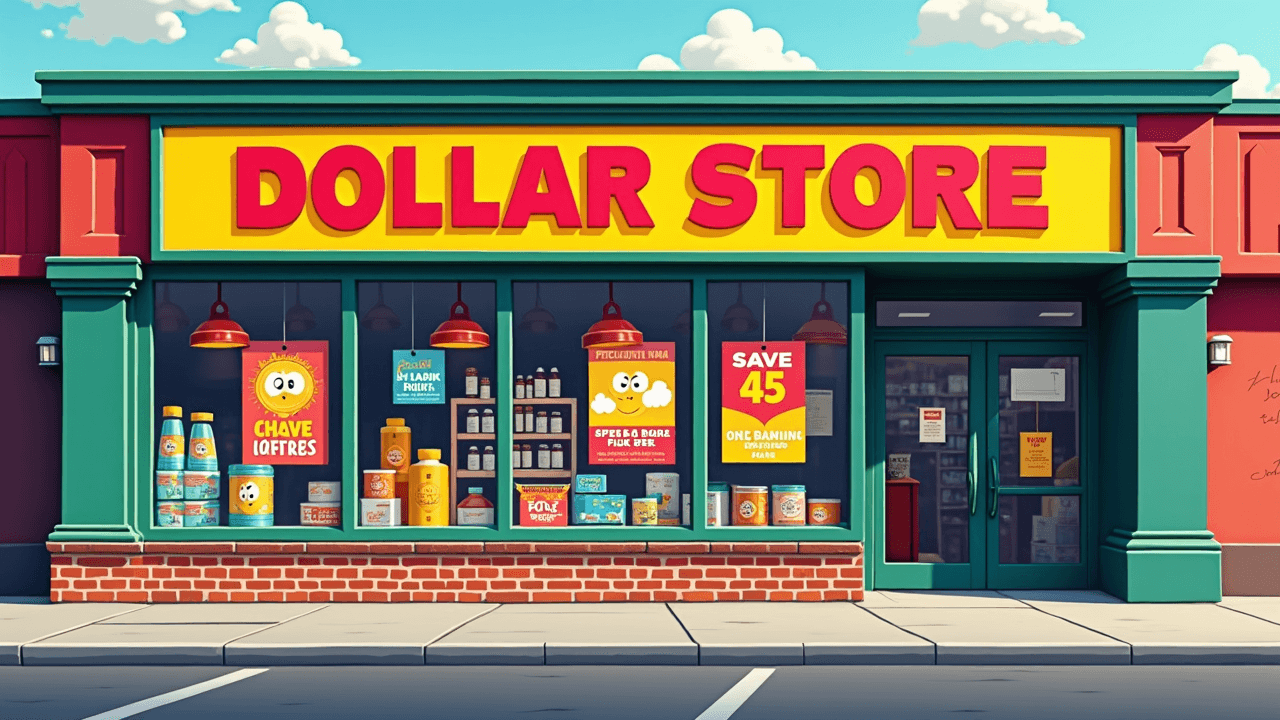
Discover effective strategies to boost foot traffic to your dollar store and increase sales with actionable marketing tips.
Attracting more foot traffic to a dollar store can significantly impact its profitability and overall success. In today’s bustling retail environment, having a solid strategy to bring customers through the door is crucial. With the right approach, dollar stores can stand out in their communities and become essential shopping destinations for value-seeking customers.
By understanding the nuances of consumer behavior and preferences, dollar store owners can tailor their offerings to meet the specific needs of their target market. Additionally, enhancing the store’s layout, implementing effective marketing strategies, and optimizing customer experiences can all contribute to increased foot traffic. In this article, we will explore a variety of actionable strategies specifically designed to attract more shoppers to your dollar store, ensuring that every visit is not just about saving money, but also about enjoying a wonderful shopping experience. Let’s dive in!
Understanding Your Target Market
Understanding the demographics of a target market is crucial for any business looking to tailor its products or services effectively. Demographics refer to statistical data about a population, including characteristics such as age, gender, income level, education, and occupation. With these insights, businesses can shape their marketing strategies to better resonate with potential customers.
Here are some key demographic factors to consider:
- Age Groups: Different age demographics have varying needs and preferences. For instance:
- Generation Z (born 1997-2012) often favors trendy, sustainable options.
- Millennials (born 1981-1996) typically prioritize experiences and brand loyalty.
- Baby Boomers (born 1946-1964) may focus on quality and reliability.
- Gender: Understanding gender preferences can influence marketing messages and product offerings.
- For example, women may show preferences for collaborative shopping environments, while men might favor straightforward, convenience-oriented shopping experiences.
- Income Levels: Income affects purchasing power significantly.
- Higher income brackets may seek luxury items, while lower-income consumers usually prioritize value and affordability.
- Geographic Information: Knowing where customers live can impact product distribution.
- Urban shoppers might prefer environmentally-friendly options, while rural customers might prioritize functionality.
Businesses must continually analyze and adapt to these demographic shifts to connect deeply with their audience.
“Understanding your customers’ demographics not only helps customize your marketing strategies but also enhances customer satisfaction.” 🌟
Shopping Behavior
Shopping behavior encompasses the attitudes and actions of consumers when selecting, purchasing, and using products. Recognizing these behaviors enables brands to create tailored experiences that foster loyalty and enhance sales.
Key aspects of shopping behavior include:
- Decision-Making Process:
- Consumers usually go through stages: problem recognition, information search, evaluation of alternatives, purchase decision, and post-purchase behavior. Each stage is influenced by personal preferences and external factors.
- Online vs. In-Store Shopping:
- Online shopping is increasingly popular due to its convenience. E-commerce platforms can leverage search engine optimization (SEO) techniques to appear in relevant search results, indirectly guiding consumer decisions.
- Brand Loyalty:
- Understanding brand loyalty factors can help businesses develop strategies to cultivate and maintain a loyal customer base. Personalization and exclusive offerings often play significant roles in fostering this loyalty.
- Social Influences:
- Peer recommendations and social media can heavily sway consumer choices. Brands can leverage social proof, like customer testimonials and influencer marketing, to attract new customers.
In the evolving landscape of shopping behaviors, brands need to remain agile and responsive. Gathering continuous feedback and adjusting strategies ensures that they remain aligned with the preferences and habits of their target market.
By mastering the dynamics of demographics and shopping behaviors, businesses can optimize their strategies and create meaningful connections with customers, ultimately leading to sustained growth and success.
Store Layout and Design Improvements
Creating an Inviting Atmosphere
An inviting atmosphere is crucial for retail success, as it directly influences customer behavior and their overall shopping experience. A well-thought-out store design speaks volumes about the brand’s identity and can evoke strong emotional connections with shoppers.
- Lighting: Effective use of lighting can transform a store’s mood, highlighting products while creating a warm and welcoming environment. Soft, ambient lighting encourages lingering, while focused spotlights can draw attention to key items.
- Color Palettes: The colors chosen for walls, floors, and fixtures should resonate with the brand’s message. Soft pastels can create calmness, while bright colors may invigorate and energize.
- Comfortable Seating Areas: Providing cozy seating offers customers a break from shopping, making them feel valued and more likely to wander around longer.
Incorporating these elements encourages customers to spend more time exploring, ultimately leading to increased sales. A friendly atmosphere invites shoppers to share their experiences with others, building positive word-of-mouth that can be invaluable in the competitive retail landscape.
Strategic Product Placement
How products are arranged can significantly impact a shopper’s experience and purchasing decisions. Strategic product placement is both an art and a science that takes into consideration the flow of traffic within the store.
- High-Traffic Zones: Placement of best-selling or seasonal items in high-traffic areas increases visibility and, consequently, sales. Eye-catching displays can draw customers in and encourage impulse buying.
- Cross-Merchandising: Grouping complementary products together, such as pasta and sauce, encourages customers to purchase more items that go together, enhancing the shopping experience.
- Clear Pathways: Creating wide aisles and clear sightlines helps customers navigate the store effortlessly. A clutter-free environment can reduce stress and make shopping a pleasurable experience.
By implementing these strategic placement tactics, retailers can enhance the shopping journey, leading to higher engagement and conversions.
Clear Signage and Navigation
Effective signage plays a pivotal role in store layout and design, guiding customers seamlessly through their shopping experience. Clear and informative signs help consumers make decisions and explore offerings with ease.
- Directional Signs: Easily accessible directional signs help customers locate departments quickly, making their shopping experience more efficient and enjoyable.
- Promotional Signage: Eye-catching signs for sales or special promotions can spark interest and urgency, encouraging shoppers to take advantage of limited-time offers.
- Consistency: Utilizing a consistent font and color scheme for signage reinforces brand identity and aids navigation. Uniform signage allows for quicker comprehension, reducing confusion among shoppers.
By ensuring clear signage and navigation, retailers create an environment where customers feel empowered to explore, ultimately leading to greater satisfaction and increased sales.
Effective Marketing Strategies
Local Advertising
Local advertising remains a cornerstone for businesses aiming to connect with their immediate communities. By leveraging localized strategies, a business can craft messages that resonate deeply with its audience.
Why Focus on Local Advertising?
- Targeted Reach: Local advertising allows businesses to target specific demographics, ensuring that marketing efforts are directed toward those most likely to purchase their products or services.
- Community Connection: Being visible in the local community helps foster trust and loyalty among customers. It shows a commitment to serving the area and its residents.
- Cost-Effective: Compared to broader advertising strategies, local ads can often be executed on a smaller budget with equally impactful results.
Effective Local Advertising Techniques:
- Community Newspapers: Advertising in local newspapers can effectively reach residents who prefer traditional media.
- Local Events Sponsorship: Participating or sponsoring local events provides exposure and builds goodwill within the community. 🎉
- Billboards and Posters: Strategically placed billboards can capture the attention of passersby, establishing brand recognition.
Incorporating these strategies can yield significant returns, transforming a local business into a beloved community staple.
Social Media Promotion
In today’s digital landscape, social media promotion is indispensable for businesses of all sizes. Harnessing the power of platforms like Facebook, Instagram, and Twitter can elevate a brand’s visibility and engage potential customers directly.
The Impact of Social Media:
- Widespread Reach: With billions of users across various platforms, businesses can reach a diverse audience globally or locally based on their goals.
- Real-Time Engagement: Social media allows for instant interaction, enabling businesses to engage with customers and receive feedback in real-time.
- Cost Efficiency: Compared to traditional marketing, social media offers a cost-effective route for campaigns, with organic reach often supplemented by paid advertisements.
Strategies for Effective Social Media Promotion:
- Content Creation: Sharing engaging content, such as infographics, videos, and behind-the-scenes photos, can draw in followers and encourage shares. 📸
- Targeted Ads: Utilizing targeted ads based on user demographics makes it easier for businesses to reach potential customers efficiently.
- Influencer Collaborations: Partnering with local influencers can help amplify reach and credibility, introducing the brand to new audiences.
By embracing these techniques, businesses can build a vibrant online presence and foster lasting customer relationships.
Community Engagement
Community engagement is more than just a marketing tactic; it embodies a business’s commitment to the people and places it serves. By actively participating in community life, businesses can create lasting bonds with their customers.
Benefits of Community Engagement:
- Enhanced Brand Loyalty: When customers see a business actively supporting their community, their loyalty and affection for the brand often increase.
- Word-of-Mouth Marketing: Satisfied community members are likely to recommend the business to friends and family, fostering organic growth through personal networks.
- Valuable Feedback: Engaging with the community provides a wealth of insights into customer preferences and needs, facilitating better service and innovation.
Ways to Foster Community Engagement:
- Volunteering: Aligning business efforts with community service projects showcases an organization’s dedication to giving back. 🤝
- Hosting Local Events: Organizing workshops, charity drives, or community gatherings can position a business as a central and accessible part of the community.
- Feedback Forums: Setting up regular forums or discussion groups can allow customers to voice their opinions, creating a constructive dialogue and improving relationships.
By prioritizing community engagement, businesses not only enrich their brand but also contribute positively to their surroundings, establishing themselves as trusted local partners.
Embracing these effective marketing strategies can significantly influence a business’s success and long-term sustainability in today’s competitive landscape.
In-Store Promotions and Sales
In the realm of retail, seasonal sales events play a pivotal role in capturing customer attention and driving foot traffic. These events are carefully timed to coincide with holidays, back-to-school seasons, and other major occasions, creating a sense of urgency and excitement. Retailers strategically design these promotions to not only clear out inventory but also to entice customers with limited-time offers that they simply can’t resist.
Benefits of Seasonal Promotions:
- Increased Foot Traffic: Customers tend to flock to stores for the thrill of discounts during these special events, boosting overall sales.
- Reputation Building: Successful seasonal sales can enhance a store’s reputation as a go-to destination for value and quality.
- Inventory Management: Seasonal sales open opportunities to clear out seasonal inventory, making way for new arrivals.
According to experts, the emotional appeal of seasonal promotions is crucial—they tap into the festive spirit, encouraging spending. Retailers often decorate their stores and integrate thematic elements to enhance the overall shopping experience. The buzz created around these times can lead to greater customer loyalty as shoppers associate the store with memorable experiences.
Bargain Bundles
Another effective method retailers employ to maximize sales is through bargain bundles. This strategy involves grouping complementary products together at a discounted rate, encouraging customers to purchase more items in one go.
Key Benefits of Bargain Bundles:
- Enhanced Value: Customers perceive bundles as a more economical way to purchase necessary items, increasing the perceived value of their spending.
- Cross-Selling Opportunities: Bundling related products together not only drives sales but also introduces customers to items they may not have considered otherwise.
- Improved Stock Clearance: Retailers can effectively clear out slow-moving inventory by including these items in bargain bundles.
For example, consider a store that offers a three-for-two deal on personal care items—customers are tempted to buy more, leading to higher overall sales. Retailers often use eye-catching displays to showcase these bundles, making it easy for customers to spot savings. 😊
Loyalty Programs
In-store promotions paired with loyalty programs offer a dual benefit: they reward repeat customers while simultaneously attracting new ones. By creating a personalized shopping experience, retailers can foster a deeper connection with their customer base.
Advantages of Loyalty Programs:
- Customer Retention: By offering points, discounts, or exclusive access to new products, loyalty programs encourage shoppers to return.
- Data Collection: Retailers can gather valuable data regarding purchasing habits and preferences, enabling them to tailor future promotions more effectively.
- Emotional Engagement: Reward programs can create a sense of community among customers, enhancing their overall satisfaction and loyalty.
For those looking to maximize the benefits of loyalty programs, ensuring clarity and ease of use is essential. A complicated rewards system can discourage participation, while a straightforward approach often leads to higher engagement rates.
By integrating these various promotional strategies, retailers not only enhance the shopping experience but also drive sales and build lasting customer relationships. Retailers who pay attention to in-store promotions and sales are well-positioned to thrive in the competitive retail landscape of 2025.
Partnering with Local Businesses
Partnering with local businesses is a stellar strategy for growth and community engagement. By forming alliances, businesses can tap into new customer bases, enhance their brand image, and foster a sense of community spirit. Effective collaborations can take various forms, each offering unique benefits that amplify visibility and customer loyalty. Here, we’ll delve into two impactful strategies: Cross-Promotions and Community Sponsorships.
Cross-Promotions
Cross-promotions involve two businesses working together to promote each other’s products or services, benefiting both through shared resources and audiences. This approach can range from social media shout-outs to joint events.
Benefits of Cross-Promotions:
- Wider Reach: By leveraging each partner’s customer base, businesses can reach new audiences that may not have encountered their brand otherwise.
- Cost-Effective Marketing: Sharing marketing expenses can lower the cost per acquisition significantly, which is particularly advantageous for small businesses.
- Enhanced Credibility: Partnering with well-established local businesses can enhance a brand’s credibility and attract customers who trust the partner’s recommendations.
Creative Ideas for Cross-Promotions:
- Bundle Offers: Create bundled deals with complementary products. For instance, a bakery might partner with a coffee shop to offer a morning combo.
- Social Media Takeovers: Allowing each other to take control of social media profiles for a day can generate interest and inject freshness into both brands.
- Shared Events: Hosting an event that showcases both businesses can drive foot traffic and elevate brand visibility.
This collaborative approach can create a win-win situation that benefits both parties and delights customers. As one marketer aptly said, “Working together, we not only multiply our efforts but also create a richer experience for our customers.” 🌟
Community Sponsorships
Community sponsorships involve businesses supporting local events, activities, or organizations in their area. This support not only boosts community morale but also positions the sponsoring business as a socially responsible entity.
Advantages of Community Sponsorships:
- Increased Brand Awareness: Sponsoring local events enhances visibility among community members who may become future customers.
- Positive Brand Association: Aligning with charitable or community-driven events fosters goodwill and a positive brand image.
- Networking Opportunities: Sponsorship provides opportunities to connect with other local businesses and community leaders, paving the way for future collaborations.
Examples of Effective Community Sponsorships:
- Local Sports Teams: Sponsoring youth sports teams, complete with branded uniforms, can foster loyalty among families in the community.
- Charity Events: Participating in or sponsoring charity walks or fundraisers allows businesses to demonstrate their commitment to local causes.
- Cultural Festivals: Supporting arts and culture in the community can enhance visibility while also contributing to the vibrancy of the local scene.
Community sponsorships not only support essential initiatives but also help businesses build strong, loyal relationships with their customers. It’s often said that “People buy from those they know, like, and trust,” and community involvement is a powerful way to nurture that trust. 🤝
By engaging in cross-promotions and community sponsorships, businesses can create meaningful partnerships that yield long-term benefits. In this interconnected landscape, those who support one another will rise together, fostering a flourishing business ecosystem.
Improving Customer Experience
Improving customer experience is a multifaceted endeavor that can significantly impact a business’s success. In today’s competitive landscape, organizations that prioritize customer satisfaction are more likely to build loyalty and enhance their brand reputation. Two critical areas to consider when striving for a superior customer experience are staff training for excellent service and the implementation of effective feedback mechanisms.
Staff Training for Excellent Service
A well-trained staff is the cornerstone of exceptional customer service. When employees are equipped with the right tools and knowledge, they can create meaningful interactions that resonate with customers. Here are some strategies businesses can adopt to enhance their staff training:
- Engagement and Interaction: Incorporating role-playing exercises encourages employees to practice real-life scenarios, making them more prepared to handle various customer situations.
- Continuous Learning: Providing opportunities for ongoing training helps staff stay updated with the latest service trends and industry standards. This could include workshops or online courses that foster an environment of growth.
- Empowerment: Allowing employees to make decisions enhances their confidence and leads to quicker resolutions for customers. This sense of empowerment positively affects their performance and interactions.
“An investment in knowledge pays the best interest.” – Benjamin Franklin
When staff feels valued and capable of meeting customer needs, it reflects positively on the overall experience. Engaged employees are likely to share their passion with customers, creating a welcoming atmosphere that encourages repeat business.
Feedback Mechanisms
Listening to customer feedback is vital for continuous improvement. Well-structured feedback mechanisms can provide insights that help a business adapt and increase customer satisfaction. Here are some methods to consider:
- Surveys and Questionnaires: Regularly conducting short surveys after a service interaction can provide immediate feedback on customer experiences. Consider using platforms that make it easy to gather and analyze this data.
- Social Media Listening: Monitoring comments and conversations on social media platforms helps businesses understand customer sentiment in real time. Engaging with customers directly shows that their opinions matter.
- Customer Focus Groups: Organizing focus groups allows businesses to dive deeper into customer preferences. These sessions can generate focused discussions that uncover valuable insights into the customer journey.
Ultimately, encouraging feedback and implementing changes based on customer suggestions fosters loyalty and demonstrates that the business values its customers’ voices. Organizations that actively seek and utilize feedback are more agile and better equipped to enhance their service offerings.
As companies continue to refine their approach to customer experience, prioritizing training and feedback will undoubtedly yield a significant return on investment, building lasting relationships and driving growth. 🌟
Utilizing Technology to Enhance Shopping Experience
In today’s fast-paced world, technology has revolutionized the way people shop. From the convenience of purchasing items from the comfort of their homes to engaging with brands through their smartphones, advancements in technology have shaped a dynamic shopping experience. Retailers who recognize and implement these technologies can not only enhance customer satisfaction but also drive loyalty and increase sales. Let’s delve into two prominent areas where technology is making waves in retail: mobile apps with loyalty programs, and digital coupons and promotions.
Mobile Apps and Loyalty Programs
Mobile apps have become indispensable tools for retailers aiming to connect with their customers and streamline their shopping experience.
- Instant Access: Retail apps provide users with instant access to products, store information, and personalized recommendations tailored to their shopping habits.
- User-Friendly Interface: These apps typically feature a clean, user-friendly interface that allows for easy navigation, making shopping quick and enjoyable.
- Loyalty Integration: One of the most significant advantages of retail apps is their ability to integrate loyalty programs. Customers can earn points, rewards, and exclusive deals just by shopping through the app, encouraging repeat purchases.
Retailers can enhance these features by incorporating real-time notifications. For example, if a customer is near a store, they might receive a push notification about a flash sale or exclusive in-app offer, making them feel valued and increasing foot traffic.
Moreover, integrating gamification into mobile loyalty programs can create an even more engaging experience. By allowing users to complete challenges or unlock rewards through the app, customers become more invested in the shopping journey.
“The future of retail lies in creating a seamless blend of physical and digital shopping experiences, and mobile apps are at the forefront of this transformation.”
Digital Coupons and Promotions
Another critical technology-driven strategy in elevating the shopping experience is the use of digital coupons and promotions.
- Convenience: Gone are the days of clipping physical coupons. Digital coupons can be easily accessed and stored directly on smartphones, ensuring that savings are always just a click away.
- Personalization: Retailers can utilize data analytics to offer personalized promotions based on customers’ past purchasing behavior. This tailored approach often results in higher conversion rates, as customers feel these promotions resonate more with their individual needs.
- Social Sharing: Digital coupons can also be shared on social media platforms, allowing customers to share special deals with friends and family, thereby extending the retailer’s reach organically.
Additionally, implementing time-sensitive promotions can create urgency, encouraging customers to make a purchase sooner rather than later. Retailers can also explore partnerships with apps that aggregate deals, providing customers multiple ways to save and enhancing their shopping experience further.
In essence, the technological advancements in mobile apps and digital promotions contribute to a more connected and responsive shopping experience. Retailers who harness these tools can not only elevate customer satisfaction but also cultivate a loyal customer base that appreciates the seamless blend of convenience and value. Ultimately, leveraging technology in these areas makes for a powerful strategy in today’s competitive retail landscape.
Conclusion
Attracting more foot traffic to a dollar store isn’t a one-size-fits-all approach; it requires a blend of understanding the target market, optimizing store layout, implementing effective marketing strategies, and enhancing the customer experience. By continually adapting and innovating, dollar store owners can create a vibrant shopping environment that encourages repeat visits.
For those looking to elevate their merchandise offerings and operational efficiency, partnering with a reliable supplier like Four Seasons General Merchandise can provide a tremendous advantage. With a wide variety of products aimed at bolstering dollar stores and enhancing customer satisfaction, they are a valuable resource in this competitive landscape. Explore how you can stock your shelves with quality items by visiting Four Seasons General Merchandise. 🛒
Frequently Asked Questions
- What are effective strategies to increase foot traffic to my dollar store?
Effective strategies include hosting promotions and sales events, enhancing window displays, utilizing social media marketing, offering local loyalty programs, and collaborating with neighboring businesses to attract more customers.
- How can social media help in attracting customers to my dollar store?
Social media can help by promoting products, announcing special deals, engaging with the local community, sharing customer testimonials, and showcasing unique items found in your store, which can entice more visitors.
- Is it beneficial to host events at my dollar store?
Yes, hosting events such as community days, themed sales, or workshops can create buzz, foster community relationships, and draw more people into your store, thereby increasing foot traffic.
- How important are window displays for attracting foot traffic?
Window displays are crucial for attracting foot traffic as they serve as the first impression for potential customers. An eye-catching, well-organized display can entice passersby to enter your store and explore your offerings.
- What role does local SEO play in attracting customers to my dollar store?
Local SEO helps improve your store’s visibility in local search results, making it easier for nearby customers to find your dollar store online. Optimizing your Google My Business listing, using local keywords, and collecting customer reviews are effective strategies.
