
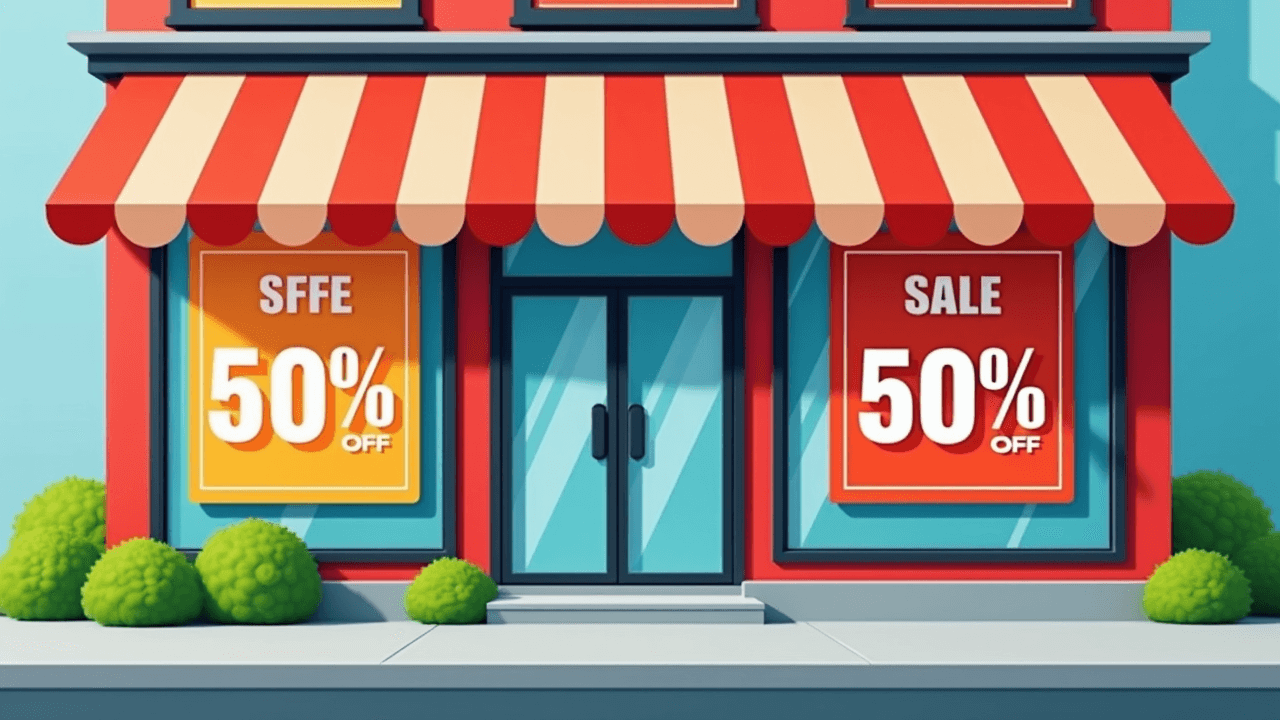
Explore innovative discount strategies to draw in more customers and boost sales. Learn how to effectively attract and retain a loyal clientele.
In today’s competitive market, attracting customers is more crucial than ever. With an abundance of choices at their fingertips, consumers are increasingly seeking out deals and discounts to make their purchasing decisions easier. A well-structured discount strategy can not only draw in new customers but also foster loyalty among existing ones. 🌟
This comprehensive article will explore the various types of discounts, their benefits, innovative discount strategies, and the best practices for implementing them effectively. By understanding the intricacies of discounting, businesses can create tailored approaches that resonate with their target audience, enhance brand visibility, and ultimately boost sales.
Ready to discover how to captivate your customers with creative discount strategies? Let’s dive in!
Understanding Discounts
Understanding discounts is essential for consumers and businesses alike. They play a crucial role in pricing strategies and influence purchasing decisions. By grasping the concept of discounts and their various types, individuals can maximize their savings and make more informed financial choices. Let’s delve into the details!
What Are Discounts?
Discounts are price reductions offered by sellers to entice buyers to make a purchase. They are often expressed as a percentage off the retail price or as a fixed dollar amount. Discounts serve several purposes, such as:
- Encouraging Sales: Businesses often use discounts to boost sales during slow seasons or to promote new products.
- Customer Retention: Offering discounts to loyal customers can enhance customer satisfaction and encourage repeat purchases.
- Inventory Management: Retailers may apply discounts to clear out old stock and make room for new inventory.
Discounts can be a win-win situation; they provide financial relief to consumers while helping businesses achieve their sales targets. 🛍️✨
Types of Discounts
There are various types of discounts that cater to different buying situations and customer segments. Understanding these can help consumers take advantage of available savings. Here’s a breakdown of the most common types:
| Type of Discount | Description |
|---|---|
| Percentage Discount | A set percentage off the listed price (e.g., 20% off). |
| Seasonal Discount | Price cuts during specific seasons or holidays (e.g., Black Friday deals). |
| Bulk Purchase Discount | Reduces the price based on the volume of goods purchased (e.g., buy 2, get 1 free). |
| Loyalty Discount | Special offers for returning customers or members of a loyalty program. |
| Introductory Discount | A temporary reduction offered to new customers to encourage trial and adoption of a product or service. |
| Clearance Discount | Discounts on items that are being phased out or discontinued, to encourage quick sales. |
As consumers explore these options, they can leverage discounts to enhance their shopping experiences and save significantly. Remember to keep an eye out for each type of discount when making your next purchase.
Exploring the landscape of discounts not only benefits individual shoppers but also empowers businesses to fine-tune their marketing strategies effectively. Understanding discounts can transform the way individuals approach spending, making way for smarter, budget-conscious choices that enhance consumer satisfaction and loyalty.
Benefits of Offering Discounts
In today’s competitive market, offering discounts isn’t just a tactic; it’s a strategic move that can benefit businesses in multiple ways. From attracting new customers to enhancing brand awareness, the advantages are substantial. Understanding how discounts can be leveraged can empower businesses to make informed decisions that drive success.
Increased Sales Volume
One of the primary benefits of offering discounts is the potential for increased sales volume. When prices are slashed, customers are more inclined to make a purchase.
- Immediate Impact: Discounts can create a sense of urgency, encouraging customers to act quickly to take advantage of the lower prices.
- Higher Customer Traffic: Promotions often lead to higher footfall in physical stores and increased traffic on e-commerce platforms.
- Impulse Buys: Many customers make impulse purchases when they perceive they are getting a good deal, leading to additional revenue beyond the discounted items.
“A discount isn’t just about lowering prices; it’s about creating an opportunity for interaction and engagement with customers.”
Creative Discount Strategies
In today’s competitive marketplace, effective discount strategies can significantly boost customer engagement and sales. From enticing percentage deals to innovative loyalty programs, these approaches not only attract new customers but also strengthen the bond with existing ones. Let’s explore some creative discount strategies that businesses can deploy to enhance their marketing efforts.
Percentage-Based Discounts
Offering a percentage off can be a powerful incentive for potential buyers. This strategy appeals to the innate desire for savings and can be customized to target different customer segments. For example:
- Limited-Time Offers: A weekend flash sale with 20% off can create excitement and encourage quick decision-making.
- Tiered Discounts: Providing increasing discounts (e.g., 10% off for spending $50, 20% for $100) can encourage larger purchases.
“People love a good deal, and percentage-based discounts can make them feel savvy and satisfied with their purchase.” 📊
Buy One Get One Free (BOGO)
The BOGO strategy is a classic method that entices customers to purchase more items. By offering one item for free with the purchase of another, businesses encourage consumers to try new products while increasing the average transaction value. This approach can be particularly effective for:
- New Product Launches: Introduce new items with a BOGO offer to encourage trial.
- Complementary Products: For example, pairing a shirt with matching accessories can enhance sales across categories.
Seasonal Discounts
Aligning discounts with holidays or changing seasons can increase their relevance and appeal. Whether it’s a Valentine’s Day promotion or end-of-summer clearance event, these discounts capitalize on timely consumer interests:
- Themed Promotions: Craft engaging marketing around major holidays to attract themed gift shoppers.
- Seasonal Clearances: Utilize changing seasons to sell inventory quickly and make way for new stock.
Loyalty Program Discounts
Rewarding repeat customers through exclusive discounts fosters a sense of community and loyalty. Implementing a solid loyalty program can lead to increased retention and customer lifetime value. These programs could include:
- Member-Only Offers: Providing unique discounts or early access to sales can make loyal customers feel valued.
- Point Systems: Rewarding points for every purchase that can be redeemed for future discounts makes every shopping experience rewarding.
Referral Discounts
Encouraging existing customers to refer new clients can be both rewarding and cost-effective. A referral discount system provides:
- Incentives for Referrals: Offering discounts to customers who bring friends can expand the customer base while fostering goodwill.
- Mutual Benefits: Both the referrer and the new customer can receive discounts, creating a win-win scenario. 🤝
Flash Sales
Creating urgency with limited-time offers can drive impulse purchases. Flash sales can be particularly effective when marketed effectively:
- Social Media Promotions: Announcing a 24-hour flash sale through social channels can generate buzz.
- Email Alerts: Sending messages about surprise flash sales to customers can increase site traffic and stimulate purchases.
Bundled Discounts
Encouraging customers to purchase multiple items together at a reduced price can lead to higher sales volumes. Bundled discounts not only simplify the buying decision but also enhance the perceived value:
- Product Pairing: Bundling items that are commonly used together can encourage sales. For instance, a gaming console with a discounted game.
- Gift Bundles: Offering themed gift sets can attract last-minute gift buyers during holiday seasons.
Email Sign-Up Discounts
Incentivizing customers with discounts for signing up for newsletters is a smart way to grow the email list while offering a benefit:
- First-Time Purchaser Deals: Providing a discount on the first purchase upon signing up can boost initial sales.
- Exclusive Offers: Sending regular discounts and insider deals to newsletter subscribers keeps them engaged and encourages loyalty.
By thoughtfully integrating these creative discount strategies, businesses can effectively attract customers, enhance sales, and cultivate a loyal following. The key is to find the right mix that resonates with their target audience while delivering genuine value. Happy discounting! 🎉
Implementing Discount Strategies Effectively
Implementing discount strategies can be a game-changer for businesses looking to boost sales, attract new customers, or move surplus inventory. However, the key to success lies not just in slashing prices, but in doing so thoughtfully and strategically. This guide will explore how to set clear objectives, monitor performance, and adjust strategies based on feedback.
Setting Clear Objectives
Before launching any discount strategy, it’s crucial to define clear objectives that align with business goals. This ensures that the entire team is on the same page and that resources are effectively utilized. Here are some common objectives businesses may consider:
- Increase Sales Volume: Target a specific percentage increase in sales within a defined period.
- Customer Acquisition: Aim to attract new customers through special offers designed to entice first-time buyers.
- Inventory Management: Clear out excess inventory to make way for new stock without overwhelming storage capabilities.
- Customer Loyalty: Encourage repeat purchases by offering discounts to returning customers.
Establishing objectives helps to shape the type of discount strategy that will be employed. For instance, if the goal is customer acquisition, a “buy one, get one free” deal might appeal more than a straightforward percentage off. A clear framework not only aids in the execution of strategies but also in measuring success later on.
Monitoring Performance
Once a discount strategy is in place, the next step is monitoring its performance closely. Tracking results allows businesses to gauge the effectiveness of their tactics and make data-driven decisions moving forward. Key performance indicators (KPIs) to consider include:
- Sales Growth: Analyzing sales data before, during, and after the discount period.
- Customer Traffic: Monitoring foot traffic in stores or website visits during the discount campaign.
- Conversion Rates: Looking at how many visitors made a purchase as a result of the discount.
- Customer Feedback: Gathering feedback directly from consumers about their experience.
By keeping a close eye on these factors, businesses can determine whether their discount strategies are achieving their intended objectives or if adjustments are necessary.
Adjusting Strategies Based on Feedback
Feedback is essential for refining discount strategies and enhancing their effectiveness. Whether it’s through surveys, social media engagement, or sales data analysis, understanding how the discount was perceived can provide invaluable insights. When feedback indicates that a strategy may not be resonating with customers as intended, businesses should be ready to pivot. Here are some adjustments they might consider:
- Changing Discount Types: If a percentage off isn’t attracting customers, perhaps a limited-time offer or bundle deal would be more enticing.
- Timing Adjustments: Analyzing whether the discount was launched at an optimal time; moving it to a holiday or peak shopping period might yield better results.
- Targeted Promotions: Focusing efforts on specific customer segments based on purchase history or demographics could make discounts more appealing.
Adopting a flexible approach will not only maximize the impact of discount strategies but also foster customer relationships built on understanding and responsiveness.
Implementing discount strategies effectively requires a thorough understanding of objectives, diligent performance monitoring, and a willingness to adjust based on feedback. With these practices in place, businesses can harness the full potential of their discount offerings to drive growth and build strong customer loyalty. 🌟
Potential Pitfalls of Discounting
Discounting can be an alluring strategy for businesses seeking to boost sales and attract customers. However, while temporary price drops may seem beneficial, they can entrench problematic habits that undermine long-term growth. In this article, we will delve into the potential pitfalls of discounting, helping businesses navigate these challenges and maintain a healthy relationship with their customers.
Overreliance on Discounts
One of the primary dangers of discounting is the tendency for businesses to become reliant on it as a sales strategy. This overreliance can lead to numerous issues:
- Decreased Profit Margins: Frequent discounts can erode profit margins, making it difficult for businesses to sustain operations and reinvest in growth.
- Short-term Gains versus Long-term Loyalty: While discounts might generate a spike in sales, customers who are drawn solely by price may not develop loyalty to the brand. They may choose to shop elsewhere if a better deal emerges.
- Market Positioning Risks: Businesses that depend heavily on discounts may alter their market positioning, showing consumers that low prices are their primary value proposition.
Mitigating this reliance demands a holistic sales strategy—focus should be on delivering value through quality and customer experience, not merely on slashing prices.
Erosion of Brand Value
Discounting can inadvertently lead to a significant erosion of brand value.
- Perception of Quality: Regular discounts can alter how customers perceive the brand’s quality. If a brand is constantly discounted, customers might assume that it is of lower quality or that it cannot command full price.
- Competing on Price, Not Value: Brands that discount frequently risk shifting the competitive dynamic to a price war. Customers become desensitized to regular discounts and may wait for the next offer instead of purchasing at regular prices, which can dilute the brand’s unique selling propositions.
- Loss of Exclusivity: For luxury brands, discounting can be particularly damaging, as it undermines the exclusivity and aspirational quality that many high-end brands rely upon to maintain their allure.
To protect brand integrity, businesses should consider strategically timed promotions and targeted discounts, reinforcing the value of their offerings.
Customer Expectations
Another unintended consequence of discounting is the shaping of customer expectations.
- The “Always Sale” Mentality: Customers accustomed to discounts may expect lower prices as the norm. This shift not only makes it challenging for businesses to return to standard pricing, but it may also create a cycle of dissatisfaction when prices revert.
- Increased Bargaining: Customers may develop a habit of bargaining or expecting discounts on all purchases. This expectation can put pressure on sales teams and disrupt the sales process.
- Loyalty Programs: Instead of discounts, implementing loyalty programs can foster enduring customer relationships without compromising pricing integrity. By rewarding loyalty, businesses can build a more sustainable customer base.
Recognizing these evolving customer expectations is crucial for businesses to maintain a robust sales strategy that appropriately balances pricing with perceived value.
As enticing as discount strategies may be, it is essential to weigh the potential pitfalls against short-term benefits. Emphasizing quality, brand integrity, and thoughtful pricing strategies can help businesses flourish while navigating the complex landscape of consumer expectations and market competition.
Conclusion
Utilizing creative discount strategies can significantly enhance a business’s appeal, driving both traffic and sales. By implementing various discount types—ranging from percentage-based discounts to enticing buy-one-get-one offers—companies can attract diverse customer segments.
It’s crucial that businesses, especially those in retail like Four Seasons General Merchandise, align their discount strategies with their overarching goals, ensuring they attract new clientele while nurturing existing relationships. In a competitive marketplace, thoughtful discounts can not only boost sales but also foster brand loyalty and awareness.
For those eager to explore a vast selection of products perfect for running discount promotions, Four Seasons General Merchandise offers a comprehensive range of options tailored to various markets. Discover more about their offerings here. Happy selling! 🎉
Frequently Asked Questions
- What are some effective discount strategies to attract customers?
Effective discount strategies include limited-time offers, bundle pricing, first-time customer discounts, loyalty programs, and seasonal sales. Each of these strategies can create urgency and incentivize purchases.
- How can I implement a loyalty program to enhance customer retention?
You can implement a loyalty program by offering points for purchases that can be redeemed for discounts or rewards, creating tiered benefits for different spending levels, and communicating the program clearly to customers to encourage participation.
- What role do limited-time discounts play in attracting customers?
Limited-time discounts create a sense of urgency, prompting customers to make quick purchasing decisions. They can significantly increase foot traffic and online engagement, especially when promoted effectively through marketing channels.
- Are discounts the best way to increase sales?
While discounts can drive sales in the short term, it’s essential to balance them with perceived value and brand integrity. Consider using discounts in conjunction with value-added services or personalized marketing strategies to avoid devaluing your products.
- How can I use social media to promote my discount strategies?
You can use social media by creating eye-catching posts, sharing customer testimonials on discounts, running targeted ads, using hashtags relevant to your promotions, and collaborating with influencers to extend your reach and attract more customers.
