
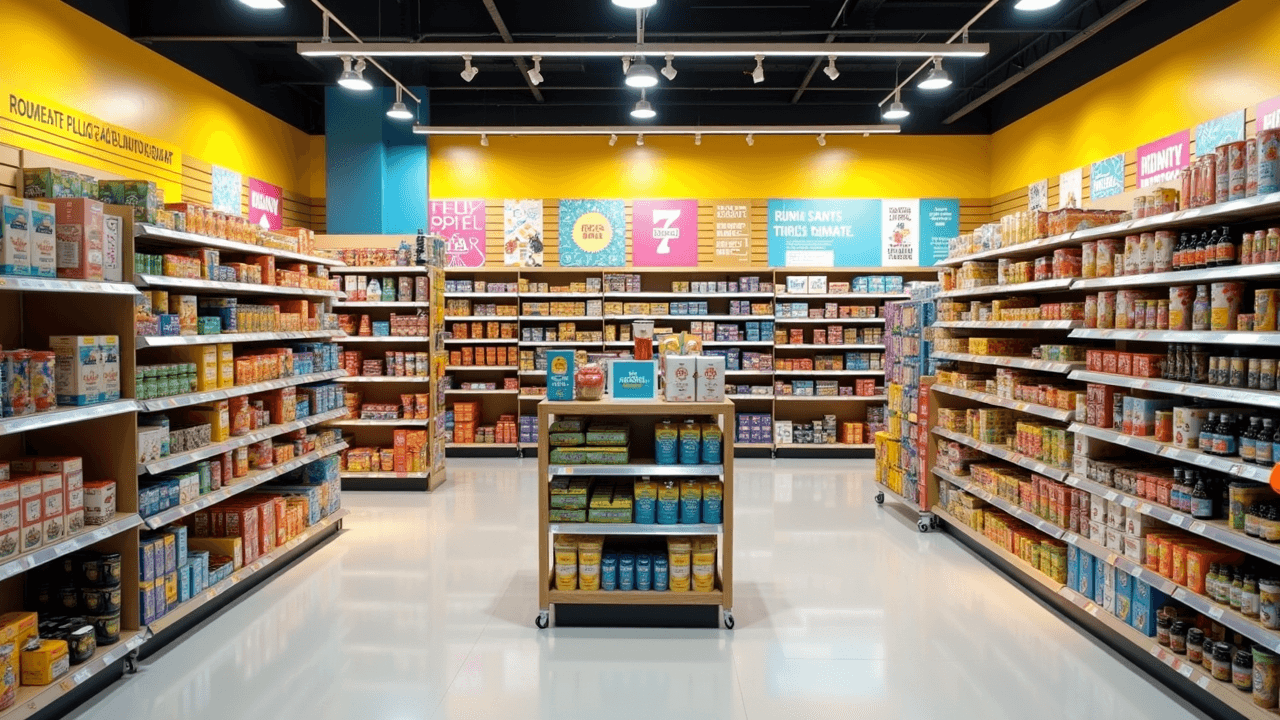
Explore the top retail trends for 2025 that dollar store owners must know to stay competitive and maximize profits in a changing market.
Welcome to the dynamic world of retail in 2025! As the landscape continues to evolve, dollar store owners stand at a pivotal junction ripe with opportunities and challenges. This article will unpack the latest retail trends that are redefining the industry, providing insights that can empower business owners to adapt and thrive amidst shifting economic conditions and consumer expectations.
In a marketplace where value reigns supreme, understanding current trends can make all the difference. Each section ahead delves into essential topics that range from economic influences to consumer behavior shifts, cutting-edge technology, and innovative marketing strategies. With these insights, dollar store owners can not only survive but also flourish in a competitive environment. Get ready to explore how blending value with quality and embracing technological advancements can lead to a transformative shopping experience for customers—ensuring that dollar stores remain a staple in every community. 🚀
Economic Landscape Influencing Retail
The retail sector is intricately tied to the fluctuations of the broader economy. As various economic factors shift, retailers find themselves adapting strategies to meet the evolving needs of consumers. Understanding the current economic landscape, particularly through trends like inflation and consumer spending habits, is crucial for businesses aiming to thrive in this dynamic environment.
Current Economic Trends
In 2025, several economic trends are shaping the retail landscape. Analysts have noted a marked increase in the cost of living, which has had a profound impact on consumer behavior. Here are some key takeaways:
- Increased Cost of Living: As expenses for housing, utilities, and everyday necessities rise, many consumers are feeling the pressure on their wallets. This shift has significantly driven demand for budget-friendly options.
- Seeking Value: Economic uncertainty is prompting consumers to become more discerning shoppers. Retailers who can showcase the value of their products are winning over consumers looking for the most bang for their buck.
This environment illustrates that consumers are evolving; they are increasingly inclined to prioritize quality and value over mere brand prestige.
Inflation and Consumer Spending
Inflation continues to be a dominant theme within the retail sector, significantly influencing consumer spending patterns. Here are some insights into its implications:
- Effect on Purchasing Decisions: Rising prices due to inflation have led many shoppers to reassess their purchasing decisions. Items previously deemed essential may be scrutinized more closely, fueling demand for sales and discounts.
- Shift Towards Bargain Hunting: More consumers are browsing discount retailers and looking for promotions. Retailers that recognize this trend can capitalize on it by structuring their offerings accordingly.
The interplay between inflation and consumer behavior emphasizes a critical need for retailers to adapt swiftly and efficiently. It is not just about offering products anymore; it’s about providing assurance that purchasing choices are wise and worthwhile.
Retailers navigating these economic challenges must remain agile, continuously adapting to consumer needs while strategically pricing their offerings. By staying attuned to these economic indicators, businesses can position themselves favorably in a competitive landscape. ✨
Consumer Behavior Shifts
In today’s fast-evolving marketplace, understanding consumer behavior shifts is paramount for businesses aiming to stay ahead of the competition. As societal values change, so do purchasing patterns, making it essential for brands to adapt their strategies in alignment with these trends. Two standout shifts in consumer behavior are the emphasis on value and quality, alongside a growing preference for sustainability.
Emphasis on Value and Quality
Modern consumers are not just hunting for the lowest prices; they seek a harmony of affordability with exceptional quality. The current landscape reflects a significant move toward smarter shopping, where individuals prioritize purchases that offer both reliability and value.
- Smart Spending: Consumers want their hard-earned money to yield the most significant return. They actively look for products that ensure longevity and performance without breaking the bank.
- Brand Loyalty: As people become savvy in their purchasing decisions, brands that deliver consistent quality are likely to foster strong customer loyalty. This loyalty is built on trust, reinforced by positive experiences.
Quotes from industry experts echo these sentiments:
“Shoppers today are more informed and discerning. They are on the lookout for brands that demonstrate value without compromising on quality.”
This quest for value encourages companies to innovate, often enhancing product features and customer service to meet these high expectations.
Sustainability Preferences
Alongside the demand for quality, sustainability has surged to the forefront of consumer considerations. More than ever, shoppers are showing a marked preference for eco-friendly products, challenging brands to think green.
- Conscious Choices: Today’s consumers are inclined to support brands that reflect their environmental values. They often opt for products made from renewable materials, produced through sustainable practices, or those that contribute to environmental causes.
- Impact on Purchases: It’s not uncommon for buyers to overlook traditional products in favor of greener alternatives, even if that means paying a bit more. The idea of making a positive impact resonates strongly, influencing purchasing decisions significantly.
As the demand for eco-conscious products rises, companies are taking notice and adapting to these preferences. They are exploring innovative ways to integrate sustainability into their business models, ensuring long-term viability in a changing market landscape.
In this new consumer era, understanding these behavior shifts will be vital for brands looking to connect meaningfully with their audience. Embracing value, quality, and sustainability is more than just a trend—it is becoming a cornerstone of successful business practice.
Technological Advancements in Retail
The retail landscape is rapidly evolving, propelled by unexpected shifts in consumer behavior and technological innovations. As more shoppers embrace the convenience of online purchases, retailers find themselves at a pivotal crossroads, where adopting cutting-edge technologies is not just beneficial; it’s essential for survival. Let’s explore some of the key technological advancements currently shaping the retail sector.
E-commerce Integration
The surge in online shopping has undeniably revolutionized retail. Traditional brick-and-mortar establishments are increasingly adopting e-commerce platforms to meet the needs of tech-savvy consumers who prefer the ease of shopping from home. According to recent trends, it’s evident that retailers who integrate e-commerce solutions can enhance customer reach and boost sales significantly.
Key features that successful e-commerce sites utilize include:
- User-friendly Interfaces: Intuitive layouts help customers navigate effortlessly.
- Mobile Optimization: With more shoppers using smartphones, mobile-friendly designs are becoming non-negotiable.
- Secure Payment Gateways: As security concerns grow, offering trustworthy payment options is crucial.
As retailers embrace these integrations, they position themselves not only to attract more customers but also to retain them, benefiting from the combined strength of physical and online sales.
AI and Personalization in the Shopping Experience
Artificial intelligence is ushering in a new era of personalization in shopping experiences. By utilizing AI tools for inventory management and personalized customer engagement, retailers can significantly enhance how they interact with consumers. Through data analysis, businesses gather insights that help tailor every aspect of the customer journey.
Consider the following ways AI is transforming retail:
- Personalized Recommendations: Like a knowledgeable sales assistant, AI analyzes past purchases and browsing habits to suggest items that customers are likely to buy. This not only boosts sales but also makes shopping more enjoyable. 🌟
- Smart Inventory Management: Predictive analytics helps retailers anticipate demand, ensuring shelves are stocked with the right products at the right time, thereby reducing waste and optimizing storage costs.
- Enhanced Customer Service: Chatbots and virtual assistants provide immediate responses to customer queries, creating a seamless shopping experience.
These initiatives harness the power of AI, allowing retailers to foster deeper relationships with their customers and optimize operational efficiencies.
Amid the whirlwind of change, embracing these technological advancements in retail isn’t just a smart move; it’s a necessity for those looking to thrive in an increasingly digital marketplace. As innovation continues to unfold, retailers must stay agile and responsive to remain competitive.
Product Trends to Watch
As the marketplace continues to evolve in 2025, there are significant product trends redefining consumer expectations and behaviors. Companies must stay ahead by understanding these trends that not only shape buying decisions but also influence broader market dynamics. Here’s a closer look at three prominent trends gaining momentum this year.
Green and Sustainable Products 🌍
In recent years, there has been a palpable shift toward eco-conscious choices, and this trend is set to accelerate.
- Growth in Sales: The sales of eco-friendly products have demonstrated a remarkable increase, with consumers increasingly prioritizing sustainability in their purchasing decisions.
- Consumer Awareness: Shoppers are now more informed about the environmental impact of their choices, prompting brands to innovate sustainable practices in their supply chains.
Eco-friendly offerings are no longer just a niche; they have become integral to brand identity. Businesses that embrace green practices are not only contributing to environmental health but are also likely to attract a loyal customer base dedicated to sustainability.
Private Label Expansion 🏷️
Private label brands are making waves in the retail sector, catering to a growing demand for affordability without sacrificing quality.
- Competitive Pricing: There has been a noticeable increase in private label branding as retailers seek to provide competitive pricing. These products often match, if not exceed, the quality of national brands, giving consumers more options.
- Consumer Trust: As customers become more comfortable with store-branded goods, they are likely to explore these offerings, paving the way for retailers to expand their private label ranges.
This shift not only benefits consumers through cost savings but also allows retailers to strengthen their market position by providing unique product lines tailored to customer preferences.
Health and Wellness Focus 🏃♂️
Today’s consumers are increasingly aware of the correlation between personal health and product choices, leading to a significant rise in interest toward health-related products.
- Holistic Approach: Many brands are not just targeting physical health but are also focusing on mental well-being, offering products that promote overall wellness.
- Innovative Offerings: From functional foods to supplements, the market is rife with innovative health solutions catering to specific dietary needs and lifestyle preferences.
As consumers prioritize their health, companies that offer products enhancing physical and mental wellness will likely see a strong uptick in demand. This presents a golden opportunity for businesses to align their product offerings with consumer health trends.
With these emerging trends, it’s clear the landscape for products is rapidly changing. Companies that invest in sustainable practices, expand their private label offerings, and align with the health and wellness movement are setting the stage for success in a competitive marketplace.
Store Layout and Experience Innovations
In today’s ever-evolving retail landscape, creating an engaging shopping environment is crucial for attracting and retaining customers. Retailers are increasingly recognizing that the shopping experience is not just about the products on the shelves, but also about how those products are presented and the overall atmosphere of the store. By implementing innovative layouts, retailers can significantly enhance customer interaction, making each visit memorable and enjoyable.
Key Elements of an Engaging Layout:
- Interactive Spaces: Incorporating interactive displays where customers can touch and feel products encourages exploration, making the shopping experience more immersive. These areas can include touchscreens that provide additional product information or interactive kiosks offering promotions and discounts. 📱
- Comfort Zones: Creating comfortable seating areas throughout the store encourages customers to linger longer. Such environments can lead to increased sales as customers feel at home and more inclined to browse.
- Clear Signage: Well-placed, easily readable signage helps customers navigate through the store with ease. Engaging graphics can not only guide shoppers but also enhance the aesthetic appeal of the space.
Artfully using space can turn a simple shopping trip into a delightful experience. Retailers who prioritize an engaging shopping environment foster customer loyalty and promote a positive brand image, leading to higher conversion rates.
Merchandising Strategies for Dollar Stores
Dollar stores present unique opportunities and challenges when it comes to merchandising. To effectively capture the attention of budget-conscious consumers, strategic placement and presentation of items are essential. By focusing on a few core merchandising strategies, dollar stores can enhance customer satisfaction and encourage purchases.
Successful Merchandising Techniques:
- High-Demand Item Placement: Positioning high-demand items at eye level or at store entrances increases their visibility. This strategy not only drives impulse buys but also encourages shoppers to explore other areas of the store.
- Thematic Displays: Creating colorful, thematic displays around holidays or seasonal changes can draw attention and increase foot traffic. These displays act as visual anchors, guiding shoppers towards featured products. 🎉
- Cross-Merchandising: Encouraging complementary product pairings enhances the value perception for customers. For example, showcasing snacks next to drinks can encourage bundled purchases.
Adopting these merchandising strategies allows dollar stores to optimize their limited space and cater to a diverse customer base effectively. By understanding their clientele and implementing strategic layouts, these stores can create an inviting atmosphere that promotes engagement and repeat visits.
Store layout and innovative merchandising practices play a crucial role in shaping the shopping experience. Retailers who remain attentive to these elements stand to gain competitive advantages in a market that increasingly prioritizes customer experience.
Marketing Strategies for 2025
As businesses navigate the ever-evolving landscape of marketing in 2025, adopting innovative strategies is essential for staying relevant and engaging with audiences effectively. With new technologies and shifting consumer expectations, it’s vital to embrace social media and community-centric approaches. Here’s how businesses can leverage these strategies to boost their marketing efforts this year.
Leveraging Social Media for Engagement
Social media continues to be at the forefront of digital marketing strategies in 2025. Platforms like Instagram and Facebook serve as powerful tools for businesses to connect with their target audience. Here are several ways to utilize these platforms effectively:
- Visual Storytelling: Engaging users through compelling visuals and storytelling can create a deeper emotional connection. Leveraging features like Instagram Stories and Reels allows brands to showcase their products creatively while boosting engagement.
- Influencer Collaborations: Partnering with influencers can help brands reach broader audiences. Whether it’s through sponsored posts or product giveaways, influencers can amplify brand messages and foster trust among followers.
- Interactive Content: Engaging users through polls, quizzes, and live Q&A sessions encourages participation and enhances the customer experience. This interaction fosters community and loyalty among followers.
- Targeted Promotions: Utilizing advanced analytics on social media can enable businesses to deliver personalized promotions to specific demographics. Use advertising features on platforms like Facebook to boost visibility and track campaign success.
As marketers embrace these avenues, they can create a more engaging online presence that resonates with consumers. The results may lead to increased brand loyalty and customer retention. 🌟
Community-Centric Marketing Approaches
In today’s marketing landscape, businesses are recognizing the value of community-centric approaches. This strategy focuses on building connections with local communities, allowing brands to establish themselves as integral parts of their neighborhoods. Here’s how businesses can implement community-driven marketing effectively:
- Events and Sponsorships: Organizing or sponsoring local events can help businesses showcase their commitment to the community. This fosters goodwill and provides opportunities for direct engagement with customers.
- Personalized Offers: Tailoring promotions to the local market can make customers feel valued. For example, offering discounts for nearby residents or exclusive deals tied to community events helps build loyalty and trust.
- Social Responsibility Initiatives: Participating in or initiating community service projects strengthens relationships with potential customers. Demonstrating a dedication to social causes can enhance brand perception and attract conscientious consumers.
- Customer Feedback Loops: Engaging with local customers for feedback allows businesses to adapt their offerings to better meet the needs of the community. This creates a sense of ownership among community members, leading to lasting relationships.
By integrating community-centric marketing strategies into their overall plan, businesses can solidify their position as local leaders while enhancing customer engagement. This human touch amidst the digital world can set brands apart from the competition and drive long-term growth. 🌍
Implementing these strategies effectively in 2025 can enhance a brand’s visibility, strengthen community ties, and foster meaningful relationships with customers. Adapting to these trends not only helps businesses to thrive in an increasingly digital landscape but also cultivates a loyal customer base dedicated to their success.
Conclusion
As dollar store owners navigate the dynamic landscape of 2025, embracing these key trends will be crucial for success. From understanding consumer behavior shifts to leveraging technological advancements, the potential for growth is substantial. Engaging customers with innovative store layouts and sustainable products while employing savvy marketing strategies will not only attract patrons but also foster loyalty.
For those looking to enhance their product offerings, Four Seasons General Merchandise provides an extensive selection of affordable, high-quality items perfect for every type of dollar or discount store. Explore their diverse inventory today, and unlock new possibilities for your business. 🌟
Frequently Asked Questions
- What are the key retail trends for dollar stores in 2025?
Key retail trends for dollar stores in 2025 include increased focus on sustainability, leveraging technology for inventory management, enhancing customer experience through personalization, the rise of e-commerce convenience, and adapting to economic fluctuations impacting customer spending.
- How can dollar store owners prepare for upcoming retail trends?
Dollar store owners can prepare for upcoming trends by staying informed through industry research, investing in technology, training staff on customer service excellence, diversifying product offerings, and establishing an online presence to reach broader audiences.
- What role does e-commerce play in the future of dollar stores?
E-commerce plays a significant role in the future of dollar stores by providing customers with convenience, enabling curbside pickup options, and allowing stores to reach new customers beyond their physical locations. Adapting to digital sales channels can enhance competitive advantage and revenue.
- How does customer experience affect dollar store sales?
Customer experience significantly affects dollar store sales, as enhanced shopping environments, friendly staff interactions, and efficient checkout processes encourage repeat business, positive reviews, and word-of-mouth referrals, ultimately driving sales growth.
- What sustainability practices should dollar store owners consider implementing?
Dollar store owners should consider implementing sustainability practices such as reducing plastic waste, offering eco-friendly product options, minimizing energy consumption through efficient lighting, and engaging in community recycling initiatives to appeal to environmentally conscious consumers.
