
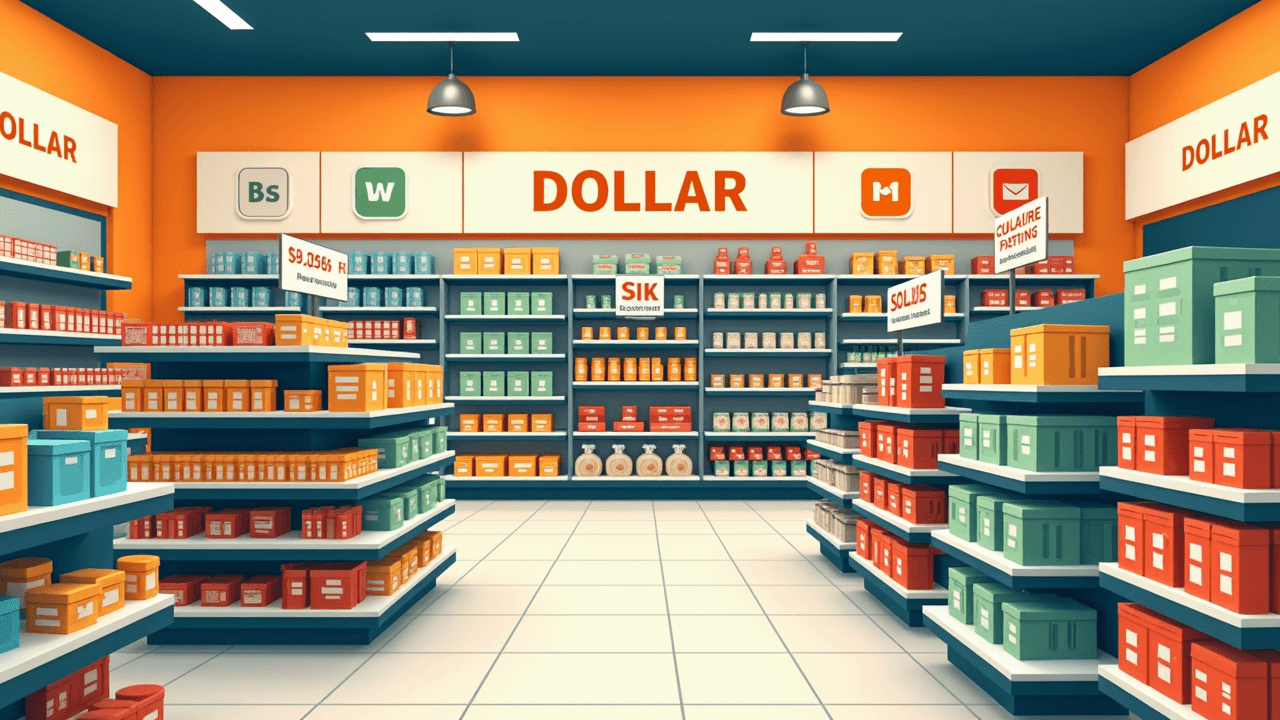
Discover essential retail trends for dollar store owners in 2025 to optimize operations and enhance customer experience. Stay ahead of the competition.
As 2025 unfolds, the retail landscape continues to evolve at a breathtaking pace. For dollar store owners, staying ahead of the curve is crucial not only to thrive but also to create a meaningful connection with their shoppers. This year presents unique opportunities and challenges, shaped largely by changing consumer behaviors and technological advancements.
In an environment where convenience, sustainability, and personalization drive purchasing decisions, it’s essential for dollar store owners to adapt and innovate. From embracing e-commerce to harnessing the power of customer experience, the trends outlined in this article will provide valuable insights that can help every dollar store owner reach new heights.
Ready to explore the top retail trends that can transform your business? Let’s dive into the shifts that are redefining the dollar store experience in 2025! 🌟
The Rise of E-commerce and Digital Shopping
In recent years, the evolution of e-commerce has dramatically transformed the landscape of retail. With the growth of smartphones and improved internet accessibility, consumers are increasingly turning to online platforms for their shopping needs. This shift is not just a trend; it’s a fundamental change in how people approach purchasing goods and services.
Key Factors Behind Increased Online Shopping:
- Convenience: Shoppers appreciate the ability to purchase items from the comfort of their own homes, eliminating the need to travel to physical stores.
- Variety: Online platforms often provide a broader selection of products than traditional brick-and-mortar stores, allowing consumers to explore more options.
- Price Comparisons: Digital shopping enables users to easily compare prices across different retailers, ensuring they get the best deals possible.
- Social Media Influence: Social platforms have become vital for retailers to showcase their products, making it easier for consumers to discover new items and deals.
In this digital age, brands are investing heavily in their online presence, ensuring they are visible to the growing number of digital customers. As noted by industry experts, “Retailers that prioritize their online strategy not only capture greater market share but also enhance brand loyalty.” This highlights the importance of a solid, engaging, and optimized online environment that resonates with today’s tech-savvy shoppers.
Integration of Omnichannel Strategies
The rise of e-commerce is closely linked to the adoption of omnichannel strategies, which integrate various shopping experiences to provide a seamless transition between online and offline platforms. Retailers recognize that consumers often interact with their brands through multiple touchpoints; therefore, ensuring a cohesive experience across all channels is paramount.
Benefits of Omnichannel Strategies:
- Enhanced Customer Experience: By offering consistent messaging and a unified brand experience, companies can improve customer satisfaction significantly.
- Better Data Insights: Integrating various sales channels allows retailers to gather comprehensive data, leading to more informed business decisions.
- Increased Sales Opportunities: A well-executed omnichannel strategy can drive sales through both online platforms and physical stores, thereby maximizing revenue potential.
Brands that effectively blend their online and offline services create a robust ecosystem that attracts and retains customers. For instance, consumers can order online and pick up in-store or return items bought online at a physical location, enhancing their overall experience.
Ultimately, the merger of e-commerce and omnichannel strategies appears to be the road ahead for retailers aiming to thrive in an increasingly digital world. Adapting to this dynamic environment is essential, as it not only meets the demands of today’s consumers but also prepares businesses for future challenges and opportunities in the retail landscape.
Sustainability and Eco-Friendly Products
Sustainability has emerged as a captivating theme in today’s consumer marketplace, with a growing emphasis on environmentally friendly products. As people become increasingly aware of the consequences of their purchasing decisions, brands are recognizing the importance of aligning their offerings with consumer preferences that champion sustainability. This section will explore key aspects of consumer behavior regarding sustainable options and the ingenious transition towards eco-friendly packaging.
Consumer Preference for Sustainable Options
Modern consumers are notably conscious of the environmental impact of their choices. In fact, a staggering 70% of consumers prefer to purchase from brands that demonstrate environmental responsibility. This shift in preference presents both an opportunity and a challenge for businesses.
- Empowerment through Knowledge: Shoppers are more informed than ever, often seeking out brands that share their values. They want to know how a product was made, the materials used, and its overall ecological footprint.
- Loyalty Over Price: Many consumers are willing to pay a premium for sustainable products, signaling a shift in loyalty. Brands that showcase their commitment to the environment often enjoy higher customer retention rates.
- Social Media Influence: The role of social media cannot be underestimated. Platforms like Instagram and TikTok are filled with influencers who promote sustainable living, influencing their followers to make eco-conscious choices.
These factors create an imperative for brands to adapt and innovate their product lines, seamlessly integrating eco-friendly options that resonate with today’s values-driven consumers.
Adoption of Eco-Friendly Packaging
As brands respond to consumer demand for sustainability, the adoption of eco-friendly packaging has become a focal point in product design and marketing strategies. Switching to eco-friendly packaging methods can significantly reduce a brand’s carbon footprint and appeal more to their environmentally-conscious customers. Here’s how it’s unfolding:
- Biodegradable Materials: Many brands are transitioning to materials that break down naturally, reducing landfill waste. This shift towards biodegradable options is not just a trend; it is becoming an expected standard.
- Minimalist Design: Eco-friendly packaging often emphasizes minimalism, cutting down on excess materials which can be wasteful. This not only benefits the environment but also enhances the product’s aesthetic appeal.
- Consumer Awareness: Customers are increasingly scrutinizing packaging. Brands that highlight their sustainability efforts on labels often see heightened interest and sales.
For budget-friendly outlets like dollar stores, incorporating eco-friendly product lines could be a significant strategy to meet evolving consumer demands. By embracing sustainable practices and transparent messaging, these stores set themselves apart while contributing to a larger positive environmental impact.
In a world where every purchase has implications, it’s clear that sustainability is not just a buzzword but a core value that drives consumer behavior today. With continuing advancements in eco-friendly practices, it is a thrilling time for brands looking to align with environmentally conscious customers and thrive in this evolving marketplace. 🌍
Personalization in Retail Shopping
In the dynamic world of retail, personalization has emerged as a game-changer, enabling brands to connect with consumers in more meaningful ways. By leveraging technology and consumer insights, retailers can craft unique experiences that resonate with individual preferences and needs. This not only enhances customer satisfaction but also fosters deeper loyalty and engagement. Let’s delve into the critical aspects of personalized retail shopping, focusing on customized marketing approaches and tailored shopping experiences.
Customized Marketing Approaches
A one-size-fits-all strategy is no longer effective in today’s market. Retailers have recognized the importance of customized marketing approaches that speak directly to the consumer’s interests and behaviors. Here’s how they are achieving this:
- Data-Driven Insights: Retailers utilize data analytics to understand consumer habits, preferences, and purchasing trends. By analyzing past purchases and browsing behavior, brands can predict future needs and wants. 📊
- Segmented Campaigns: Instead of generic campaigns, brands create segmented groups based on demographic and psychographic data. This allows for targeted messaging that feels personal and relevant.
- Dynamic Content: Utilizing dynamic content in emails and advertisements ensures that the message resonates with the individual recipient. For instance, if a customer frequently buys sports apparel, they might receive promotional material focused on the latest sports gear available.
- Behavioral Retargeting: Retailers apply behavioral retargeting strategies that remind consumers of items they viewed but didn’t purchase, sometimes coupled with limited-time offers to spur decision-making.
These customized marketing efforts not only enhance ad effectiveness but also contribute to a more engaging consumer journey, ultimately driving sales and improving retention rates.
Tailored Shopping Experiences
Brick-and-mortar stores and e-commerce platforms alike are enhancing the shopping experience through personalization. Here are several ways they are achieving tailored shopping experiences:
- Personalized Recommendations: Many online retailers recommend products based on previous purchases or items in the customer’s shopping cart. This feature creates a seamless shopping experience as customers discover new items they may love. 🛒
- In-Store Personalization: Physical stores are embracing technology to deliver personalized experiences. For example, mobile apps can help track loyalty rewards, while smart mirrors might provide virtual try-ons with tailored suggestions.
- Customized Loyalty Programs: Retailers are moving beyond standard loyalty programs to offer personalized incentives based on consumer behavior. For example, a frequent buyer of skincare products might receive exclusive discounts or early access to new lines in that category.
- Customer Service: Personalization extends to customer service as well. Knowing a customer’s purchase history allows representatives to provide tailored assistance, addressing specific concerns related to past purchases effectively.
By offering tailored experiences, retailers not only create memorable shopping interactions but also enhance customer satisfaction and loyalty. This ensures that consumers return not just for the products but for the exceptional service and understanding they receive.
Personalization is not just a trendy buzzword; it represents the future of retail. As brands continue to adapt their strategies and offerings, the focus will remain on delivering personalized experiences that meet the unique needs of each customer. Embracing this shift can make all the difference in building lasting relationships with consumers in an ever-evolving marketplace.
The Importance of Customer Experience
In today’s competitive market, businesses are aligning their strategies around customer experience, recognizing its pivotal role in building lasting relationships and driving success.
Enhancing In-Store Experience
A well-crafted in-store experience can elevate customer satisfaction significantly. When customers walk into a retail environment, their expectations are set high, and it’s essential for businesses to deliver. Here are some strategies to enhance the in-store experience:
- Ambiance: Creating a welcoming and appealing atmosphere can make a substantial difference. Factors like lighting, music, and even scent contribute to how a customer perceives a space. 🌟
- Staff Training: Knowledgeable and approachable staff can turn an ordinary visit into a memorable experience. Employees who understand the products and can engage with customers effectively create a sense of trust and reliability.
- Interactive Elements: Incorporating technology, such as virtual displays or interactive product demos, can create a more engaging atmosphere, encouraging customers to spend more time in-store.
By focusing on these aspects, businesses can increase innovation in their approach, leading to higher customer loyalty—studies show that good customer experience can increase loyalty by over 60%.
Customer Feedback and Engagement
Engaging customers directly and obtaining feedback is crucial for understanding their needs and expectations. Here’s how businesses can foster better feedback and enhance engagement:
- Surveys and Questionnaires: Regularly deploying short, engaging surveys can provide valuable insights into what customers appreciate or desire in their shopping experiences. This feedback loop helps refine offerings and services.
- Social Media Interactions: By actively participating in conversations on social media platforms, brands can show customers that their opinions matter, creating a strong bond and fostering community. 📱
- Personalization: Tailoring communications and offers based on customer preferences can significantly enrich their shopping journey. Customers value personalized experiences and are more likely to return when they feel recognized.
Listening to customers and making adjustments based on their feedback not only improves the service but also strengthens relationships. Engaging with customers actively demonstrates that a business genuinely values their input, which can lead to enhanced loyalty and brand advocacy.
Ultimately, prioritizing customer experience is not just about meeting expectations—it’s about exceeding them. This commitment to excellence influences repeat business, cultivates positive word-of-mouth, and sets a brand apart from competitors.
Technological Innovations in Retail
The retail landscape is evolving at a breakneck pace, fueled by technological innovations that enhance customer experiences and streamline operations. As consumers demand convenience and personalization, retailers are leveraging advanced technologies to stay competitive and meet these expectations. This article delves into two pivotal areas shaping the future of retail: the use of AI and smart technology, as well as mobile payment solutions.
Use of AI and Smart Technology
Artificial Intelligence (AI) and smart technology are revolutionizing the retail sector in unprecedented ways. Retailers now harness the power of data analytics and machine learning to tailor experiences for individual customers, driving engagement and loyalty.
- Personalized Recommendations: AI algorithms analyze past purchasing behavior to suggest products uniquely suited to each shopper’s preferences. This level of personalization not only increases sales but enhances customer satisfaction as well.
- Inventory Management: Smart technology solutions enable retailers to track inventory in real time, predict stock needs, and optimize supply chains. This reduces waste and ensures that shelves are always stocked with in-demand products.
- Chatbots and Virtual Assistants: Retailers have implemented AI chatbots to provide 24/7 customer support, handle inquiries, and process orders. This leads to quicker resolutions for customer service issues and boosts overall efficiency.
“AI is increasingly becoming the backbone of modern retail, creating opportunities to engage with customers in ways we’ve never imagined,” a retail technology expert noted.
Mobile Payment Solutions
Mobile payment solutions are another critical innovation transforming the retail environment. As digital wallets gain traction, retailers are embracing these technologies to expedite transactions and enhance the overall shopping experience.
- Faster Transactions: Consumers appreciate the speed and convenience that mobile payments provide. Transactions can be completed in seconds, reducing wait times at checkout.
- Enhanced Security: Many mobile payment systems utilize encryption and biometric authentication, providing customers with peace of mind while making purchases. Security is a top priority, and these innovations address concerns over fraud.
- Loyalty Programs Integration: Retailers can seamlessly integrate loyalty programs into mobile payment apps, rewarding customers for purchases while encouraging repeat business. This dual functionality contributes to increased engagement.
As retail continues to adapt to the digital age, the integration of mobile payment solutions is not just a trend; it is becoming a necessity for retailers aiming to thrive.
By harnessing the power of AI and mobile technologies, retailers can create a shopping experience that delights consumers while optimizing their business processes. These innovations are paving the way for a more efficient, customer-focused retail ecosystem, ensuring that businesses remain relevant in a rapidly changing marketplace.
Health and Safety Focus in Retail Spaces
In today’s retail landscape, health and safety have become paramount. With the echoes of the pandemic still resonating throughout consumer behavior, businesses have adopted comprehensive measures to create safe shopping environments. This evolving focus not only enhances customer confidence but also ensures that staff can operate in secure workplaces.
Measures Post-Pandemic
The pandemic ushered in a wave of necessary changes in retail operations, and many of these adaptations have become standard practice. Here are some pivotal measures that retailers are implementing to safeguard both customers and employees:
- Enhanced Sanitation Protocols: Regular cleaning and sanitizing of high-touch surfaces are now routine. Stores are employing specialized cleaning crews and using advanced disinfecting technologies to minimize germ transmission. 🧼
- Social Distancing Guidelines: Retailers encourage social distancing behaviors by redesigning store layouts, adopting one-way aisles, and marking safe distances in lines. This deliberate planning helps maintain space between shoppers.
- Contactless Payment Options: To minimize physical contact, many retailers have expanded contactless payment options. This not only speeds up transaction times but also reduces potential health risks associated with handling cash or cards.
- Employee Training: Staff training programs have evolved to prioritize health and safety protocols, ensuring employees are equipped to handle any situation that arises while also communicating safety guidelines to customers effectively.
- Mask Mandates: Depending on local guidelines and store policies, masks remain a common requirement in many retail spaces. These mandates are clearly communicated through signage and announcements to promote compliance. 😷
These measures are not just temporary fixes; they represent a fundamental shift in how retail businesses operate and cater to an increasingly health-conscious consumer base.
Ensuring Safe Shopping Environments
Creating a safe shopping environment goes beyond just compliance with health regulations. Retailers are continuously innovating ways to enhance the overall shopping experience while prioritizing safety. Here are some strategies they are employing:
- Air Quality Improvements: Many retailers are investing in advanced air filtration systems that improve indoor air quality. This includes the use of HEPA filters and increased ventilation, which are essential for reducing airborne pathogens.
- Customer Education: Retailers provide clear information to shoppers about the safety measures in place by utilizing signage, social media, and in-store announcements. This transparency fosters trust and encourages customers to feel secure while shopping.
- Tech-Driven Solutions: Some retailers are incorporating technology like occupancy tracking, allowing for real-time monitoring and management of customer flow to ensure that social distancing guidelines are adhered to effectively. 📱
- Flexible Shopping Options: The evolution of retail includes offering various ways to shop, such as curbside pickup and online orders with in-store returns that minimize foot traffic without sacrificing convenience. This flexibility supports customer needs while maintaining safety protocols.
- Mental Health Considerations: Retailers recognize that health is multifaceted, and as such, some are providing support resources for both employees and customers. Creating spaces that foster a sense of well-being amidst uncertainty is essential for sustaining a loyal consumer base.
As the retail industry adapts and grows, maintaining a health and safety focus is critical to navigating post-pandemic challenges. By implementing comprehensive measures and fostering a culture that prioritizes safety, retailers are building an environment that not only protects but also reassures shoppers and staff alike. 🔒
Strategies for Competitive Pricing
Effective pricing strategies are crucial for businesses striving to stay ahead in a competitive market. In 2025, understanding the nuances of competitive pricing can significantly impact profitability and market share. This section offers insights into key strategies, focusing on understanding market pricing and leveraging bulk buying and promotions.
Understanding Market Pricing
The foundation of any competitive pricing strategy lies in a comprehensive understanding of market pricing. This involves:
- Market Research: Conducting thorough market research helps businesses identify current price points across competitors and understand customer expectations. Techniques such as surveys, focus groups, and analysis of competitors’ pricing structures can yield valuable insights.
- Price Elasticity: Knowing how demand varies with changes in price is vital. Some products may have inelastic demand, meaning customers continue to purchase despite price changes, while others may be highly elastic. Understanding these dynamics allows businesses to adjust their pricing strategies accordingly.
- Value Proposition: Businesses should clearly articulate their unique value propositions. Customers are often willing to pay a premium for products that offer superior features or exceptional service. Communicating these benefits effectively can justify higher pricing, making it crucial for companies to showcase the added value they provide.
- Competitor Analysis: Regularly monitoring competitor pricing and their strategic moves in the market can give businesses a competitive edge. By understanding how competitors position themselves, companies can align their pricing strategies to either match or undercut prices to attract customers.
“The price must reflect the value that customers perceive and be informed by both market realities and consumer behavior.”
Leveraging Bulk Buying and Promotions
In a price-sensitive market, leveraging bulk buying and promotional strategies can enhance competitiveness and attract more customers:
- Bulk Buying Discounts: Businesses can negotiate better rates with suppliers by purchasing in larger volumes. By passing these savings on to customers, businesses not only encourage bulk buying from consumers but also enhance their overall price competitiveness. This approach benefits both the customer and the business, fostering loyalty and increasing sales volume. 📦
- Sales Promotions: Timely promotions, such as limited-time discounts, seasonal sales, or clearance events, can spark interest and drive traffic. Well-crafted promotional strategies can create urgency and encourage customers to make purchases they might otherwise delay.
- Loyalty Programs: Implementing rewards programs can incentivize repeat purchases. By offering discounts or points for future purchases, businesses can build a loyal customer base that perceives ongoing value in the relationship.
- Price Bundling: Offering products in bundles at a discounted price can increase average order value. This strategy not only helps clear inventory but also creates a perception of savings, enticing customers to buy more.
In a constantly evolving market landscape, these strategies can empower businesses to optimize their pricing tactics effectively. By being proactive and adaptable, companies position themselves for success, ensuring they meet customer needs while maintaining profitability. 🏆
Conclusion
In the ever-evolving landscape of retail, staying ahead of the trends is crucial for dollar store owners. By embracing e-commerce, sustainability, personalization, and technology, they not only enhance customer experiences but also ensure lasting success in a competitive market. Leveraging these insights and strategies can lead to a thriving business model that meets both customer needs and industry demands.
As you navigate these shifts, consider the extensive range of products available through Four Seasons General Merchandise. With their diverse selection of items tailored for dollar stores, owners can access quality supplies and innovative solutions that drive sales and customer satisfaction. Explore what they offer to stay ahead in 2025 and beyond. 🌟
Frequently Asked Questions
- What are the top retail trends for dollar stores in 2025?
The top retail trends for dollar stores in 2025 include enhanced digital integration, sustainability in product sourcing, personalized shopping experiences, the rise of private label brands, and a focus on community engagement.
- How can dollar store owners adapt to changing retail trends?
Dollar store owners can adapt by investing in technology for inventory management, offering eco-friendly products, enhancing customer service, utilizing data analytics for sales strategies, and creating an inviting in-store experience.
- Why is sustainability important for dollar stores?
Sustainability is essential for dollar stores as it aligns with consumer preferences for environmentally responsible products. Implementing sustainable practices can improve brand loyalty and attract eco-conscious shoppers.
- What role does e-commerce play in the future of dollar stores?
E-commerce is becoming increasingly important for dollar stores as it provides an additional sales channel. Implementing online shopping options and efficient delivery services can help dollar store owners reach a broader customer base.
- How can dollar store owners enhance customer experiences in 2025?
Dollar store owners can enhance customer experiences by diversifying their product offerings, creating engaging in-store displays, providing personalized services, and actively involving customers in store promotions and community activities.
