
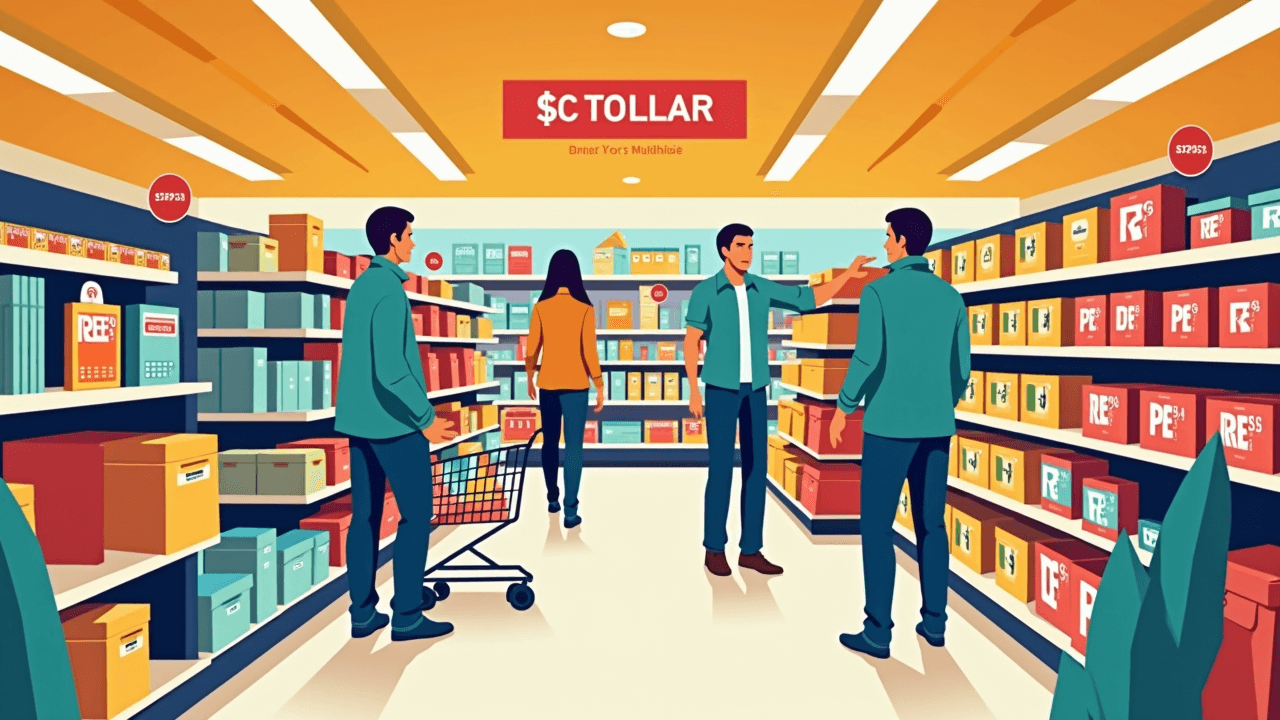
Learn effective strategies to use discounts and promotions to boost sales at dollar stores and attract more customers.
In the ever-evolving retail landscape, dollar stores have carved out a unique niche by offering budget-friendly options to savvy shoppers. With tight competition and the constant need to attract customers, leveraging discounts can be a game-changer in boosting sales. Discounts not only entice new customers but also encourage repeat visits, fostering loyalty over time.
As dollar stores become increasingly popular, understanding how to effectively implement discounts can significantly impact a store’s bottom line. This article will delve into the fundamental aspects of using discounts strategically to enhance sales. From grasping the psychological triggers that make discounts appealing to customers, to exploring various types of discount strategies, each section will provide valuable insights for dollar store operators looking to elevate their sales performance.
With the right approach and well-planned discount strategies, dollar stores can transform their sales dynamics, ensuring that every discount offered resonates with customers and drives meaningful results. As we navigate through these essential strategies, readers will discover how to create powerful discount plans, market them effectively, and train staff to enhance the overall discount experience.
Understanding the Importance of Discounts
Discounts play a vital role in the modern marketing landscape, influencing both consumer behavior and business strategies. By offering price reductions, companies can create a compelling reason for customers to purchase products or services. Understanding the significance of these price promotions is essential for any business looking to enhance its sales performance and customer satisfaction.
Psychological Impact on Customers
The psychological effects of discounts on consumers cannot be overstated. When customers see a marked-down price, several cognitive triggers are activated:
- Perceived Value: Discounts create a perception of receiving greater value. Shoppers often equate lower prices with better deals, encouraging them to view the purchase as a smart choice.
- Scarcity and Urgency: Phrases like “limited-time offer” amplify feelings of urgency. This tactic urges customers to make quick decisions, reducing the chances of them postponing the purchase. 🕒
- Social Proof: Seeing that others are taking advantage of discounts can lead potential buyers to follow suit. The idea that “everyone else is buying” reinforces a sense of belonging and validation, further prompting the purchase.
Studies have shown that consumers are more likely to buy when discounts are presented alongside a strong narrative about the item’s value. This strategy allows brands to foster a deeper connection with their audience, ultimately converting hesitant shoppers into loyal customers.
“A compelling discount can turn indecision into action.”
Encouraging Bulk Purchases
Discounts are not only effective in driving immediate sales; they also entice customers to purchase in larger quantities. By implementing bulk purchase discounts, businesses can effectively increase both their average order value and customer lifetime value. Here are some key strategies:
- Tiered Discount Structures: Offering increasing discounts based on the quantity purchased can motivate customers to buy more. For instance:
- Buy 1-2 items: 10% off
- Buy 3-5 items: 15% off
- Buy 6 or more items: 20% off
- Free Shipping Thresholds: Setting a minimum spend to qualify for free shipping can encourage customers to add extra items to their carts. This strategy not only drives bulk purchases but also enhances the overall shopping experience. 📦
- Bundle Discounts: Creating product bundles at a discounted rate can effectively promote related or complementary products. This allows customers to perceive that they are getting more value, while businesses can clear out inventory more efficiently.
By understanding and leveraging discounts, businesses can drive higher sales figures, enhance customer satisfaction, and solidify brand loyalty. Taking advantage of these pricing strategies is not just about offering lower prices; it’s also about creating an appealing shopping experience that resonates with consumers.
Types of Discounts to Consider
When navigating the competitive landscape of retail and online shopping, consumers often seek out ways to save money without compromising the quality of their purchases. Various types of discounts have emerged as powerful tools for both consumers looking to stretch their budgets and businesses aiming to attract more customers. Understanding these discounts can significantly enhance the shopping experience and provide valuable savings.
Percentage Discounts
Percentage discounts are among the most straightforward and widely recognized forms of savings. Retailers often use these discounts to create excitement around promotions.
- Example: A common offer might be “20% off your total purchase,” which not only encourages shoppers to buy more but also adds a sense of urgency.
- Psychological Impact: Consumers are often motivated by the feeling of getting a deal, making them more likely to purchase when they see a percentage discount prominently displayed.
By highlighting percentage discounts, businesses can effectively draw in customers while facilitating an appealing shopping environment ✨.
Buy-One-Get-One (BOGO) Offers
Buy-One-Get-One (BOGO) offers serve as an enticing method to incentivize purchases. These deals allow customers to get more value for their money, leading to increased sales volume.
- Types of BOGO Deals:
- Buy One, Get One Free: Customers receive a free item with the purchase of another.
- Buy One, Get One Half Price: This deal offers one item at full price while the second is discounted.
Retailers often leverage BOGO deals to clear inventory or promote new products, encouraging customers to explore different items while enjoying significant savings. Such offers can greatly enhance customer satisfaction and loyalty 😊.
Seasonal Sales
Seasonal sales are a staple in retail, and they align with changes in consumer behavior related to holidays, school seasons, and major events.
- Key Features:
- Holidays: Think Black Friday and Cyber Monday.
- Back-to-School: Offers on supplies, clothing, and tech.
- End of Season: Clearance on winter apparel as spring approaches.
These sales not only provide customers with discounts but also create a sense of urgency as consumers know that the deals are temporary. Engaging in seasonal sales enables businesses to maximize profitability while meeting customer demand during peak shopping periods.
Loyalty Programs
Loyalty programs have gained immense popularity as they reward repeat customers with exclusive discounts and promotions. These programs aim to foster a sense of community and encourage ongoing patronage.
- Benefits of Loyalty Programs:
- Exclusive Discounts: Members often receive special offers unavailable to the general public.
- Accumulate Points: Customers can earn points with each purchase, which can be redeemed for discounts in the future.
By building a loyalty program, retailers not only strengthen their customer relationships but also bolster their revenue stream as satisfied customers are likely to return for future purchases.
Clearance Sales
Clearance sales offer a fantastic opportunity for consumers to snag bargains on end-of-line items. These sales often signal a transition in inventory, inviting price reductions to clear out existing stock.
- Why Shop Clearance?:
- Significant Discounts: Prices may be slashed by as much as 70% or more, making it ideal for bargain hunters.
- Diverse Offerings: Clearance sales can include a variety of products, ranging from clothing to electronics.
Shopping during clearance events can lead to remarkable finds, allowing savvy consumers to enhance their purchases without breaking the bank. This approach fosters an engaging and budget-friendly shopping experience.
Understanding these various types of discounts equips consumers with the knowledge they need to make informed shopping decisions. As establishments continue to innovate their promotional strategies, being aware of these deals can transform the way consumers shop and save.
Creating a Strategic Discount Plan
Crafting an effective discount plan is crucial for businesses looking to boost sales, attract new customers, and maintain competitive advantage. A strategic discount plan not only maximizes profit margins but also strengthens customer loyalty. By focusing on key elements such as identifying target products, setting discount levels, and determining the duration of discounts, businesses can create a robust framework that drives results while ensuring long-term sustainability.
Identifying Target Products
Understanding which products to include in a discount plan is the first step towards successful implementation. Not all items will benefit from discounts, and here are some strategies to pinpoint the right candidates:
- Sales Data Analysis: Evaluate past sales records to identify items that have low turnover rates or high stock levels.
- Customer Feedback: Conduct surveys to discern which products customers wish were available at a reduced price. Items frequently requested can be prime candidates for discounts.
- Seasonal Trends: Leverage seasonal buying patterns. For example, winter apparel may see reduced prices as spring approaches. ☀️
- Competitor Insights: Monitor competitors’ discounting strategies to remain competitive and ensure market positioning.
By utilizing these methods, businesses can strategically select products for discounting that will yield the best results.
Setting Discount Levels
Once target products are identified, the next step is to determine the optimal discount levels. It’s vital to balance attractiveness for customers while protecting profit margins. Consider the following approaches:
- Percentage vs. Amount Off: Decide whether a percentage discount (e.g., 20% off) or a fixed amount (e.g., $10 off) will be more appealing for customers. Each has its strengths based on product pricing.
- Tiered Discounts: Consider implementing a tiered discount system, where higher purchases lead to larger discounts. For example:
- Spend $50, get 10% off
- Spend $100, get 15% off
- Spend $200, get 20% off
- Limited-Time Offers: Short-term, substantial discounts can create urgency, encouraging customers to act quickly 📅. This approach can be especially effective during holiday sales or specific promotional events.
By setting carefully calculated discount levels, businesses can ensure they attract customers while keeping an eye on profitability.
Determining Duration of Discounts
The timeline for discounts can significantly impact their effectiveness. Knowing how long to run a discount is critical for maximizing visibility and sales. Here are some considerations:
- Short-Term Promotions: Flash sales or limited-time offers can create excitement and urgency. However, they should be strategically placed to avoid overwhelming customers or diluting brand value.
- Seasonal Campaigns: Align discounts with seasons or holidays—like back-to-school sales or holiday festivities. These promotions should typically last several weeks to capture peak traffic.
- Ongoing Discounts: Some products may benefit from ongoing discounts, but it’s vital to monitor for signs of customer expectation fatigue. Regular assessments can help determine if a discount period should be adjusted or rotated.
Using these strategies for determining the duration of discounts can enhance a business’s marketing approach and ensure customers remain engaged.
In sum, creating a strategic discount plan requires careful consideration and execution. By identifying target products, setting appropriate discount levels, and determining effective durations, businesses can craft a plan that not only attracts and retains customers but also promotes long-term growth. With these strategies in place, businesses are better positioned to navigate the competitive landscape and achieve their financial goals.
Marketing Your Discounts Effectively
In a competitive marketplace, effectively marketing discounts can be the key to attracting and retaining customers. By implementing well-thought-out strategies tailored to specific channels, businesses can maximize the impact of their promotions. This article will explore various techniques for marketing discounts through in-store promotions, online advertising, and social media campaigns.
In-Store Promotions
In-store promotions are a powerful way to engage customers directly at the point of sale. This approach not only catches their attention but also encourages impulsive purchasing. Here are some effective strategies to consider:
- Eye-catching signage: Use vibrant banners and posters to highlight discounts. The more visually appealing the signage, the more likely it is to catch a shopper’s eye.
- Limited-time offers: Creating urgency can drive sales. Consider offering one-day sales or flash discounts to motivate customers to make quick purchase decisions.
- Product bundles: Encourage customers to buy more by bundling products that complement each other. For example, if you’re promoting a discount on coffee machines, offer a special price on coffee beans when purchased together.
- Loyalty rewards: Promote discounts specifically for loyalty program members, creating an exclusive feeling that encourages membership and frequent purchases.
Employing these tactics can enhance the customer shopping experience, significantly increasing foot traffic and sales.
Online Advertising
In the digital age, online advertising plays a crucial role in reaching a wider audience. Targeted advertisements can effectively promote discounts to specific demographics. Consider the following approaches:
- Email marketing: Sending targeted emails with compelling offers can boost sales. Segmenting the audience based on their buying behavior ensures that the right promotions reach the right consumers.
- Google Ads: Leverage search engine marketing by using keywords related to your discounts. Capture attention when potential customers actively search for deals in your industry.
- Retargeting campaigns: Use retargeting to remind visitors who departed from your site without purchasing about the special discounts they viewed. This strategy reinforces their interest and can lead to increased conversions.
By employing diverse online advertising strategies, businesses can create a widespread awareness of their discounts, driving traffic and increasing sales.
Social Media Campaigns
Social media platforms offer unique avenues for promoting discounts, especially among younger demographics. Here’s how to maximize their potential:
- Engaging content: Create visually appealing posts or short videos to showcase discounts. Use exciting images and captions that elicit interest and encourage sharing.
- Limited-time offers: Promote flash sales or exclusive discounts available only to social media followers. This creates a sense of urgency and fosters a community around your brand.
- User-generated content: Encourage customers to share their own experiences with your products and discounts. This not only builds trust but also generates organic buzz around your promotions.
- Influencer collaborations: Partner with influencers who resonate with your target audience. Their endorsement can significantly amplify the reach of your discount campaigns, inviting potential customers to engage with your brand.
Utilizing social media campaigns effectively can engage a wider audience, foster brand loyalty, and drive higher sales.
By leveraging in-store promotions, online advertising, and social media campaigns, businesses can create compelling strategies for marketing their discounts. Each channel offers unique advantages that can be tailored to fulfill specific market needs, ensuring promotional efforts are not only effective but also engaging. ☀️
Training Staff to Enhance the Discount Experience
Creating a seamless discount experience for customers can significantly boost satisfaction and retention. However, it requires staff who are well-trained in understanding and implementing discount strategies effectively. Through proper training and communication, employees can turn discounts into opportunities for meaningful engagement, ensuring customers feel valued and appreciated.
Understanding Discount Strategies
To maximize the impact of discount strategies, it’s essential for staff to have a solid grasp of the various types of discounts available, including:
- Seasonal Discounts: Tailored offers based on holidays or specific times of the year.
- Loyalty Discounts: Rewards for returning customers that encourage loyalty and repeat purchases.
- Promotional Discounts: Limited-time offers designed to boost sales during specific events or campaigns.
- Bulk Purchase Discounts: Incentives for customers who buy in larger quantities, often enhancing overall sales.
By familiarizing themselves with these strategies, employees can not only communicate value to customers but also provide insights that help shoppers make informed decisions. Moreover, this understanding allows team members to troubleshoot any issues that might arise surrounding discounts, reinforcing customer trust and satisfaction.
Effective Customer Communication
Clear and friendly communication goes hand-in-hand with an excellent discount experience. Training staff in effective communication techniques can significantly enhance customer interactions. Here are a few strategies:
- Personalization: Encourage employees to personalize their interactions. Using the customer’s name and referencing past purchases can build rapport and make the customer feel special. 😊
- Active Listening: Staff should practice active listening techniques, allowing them to understand and respond to customer needs more effectively. This ensures customers feel heard and appreciated.
- Enthusiasm: Staff should express genuine enthusiasm about discounts. Customers feed off this energy; when employees show excitement about a deal, it can lead to increased customer interest and engagement.
- Clarity: Employees must be able to clearly explain the terms and conditions of discounts. Ensuring customers fully understand the offer, including any limitations or eligibility requirements, helps prevent misunderstandings.
- Follow-up: After a discount has been applied, staff should feel empowered to ask for feedback on the customer’s experience. This step can provide valuable insights and allow management to refine discount strategies further.
As organizations focus on enhancing the discount experience, a well-trained staff is critical. By understanding discount strategies and communicating effectively with customers, employees can turn a simple transaction into a memorable experience. Customers who feel valued are more likely to return and share their positive experiences with others, leading to increased loyalty and business growth.
Analyzing the Impact of Discounts on Sales
Discounts can wield remarkable influence on consumer behavior and sales performance. Companies across various sectors often utilize them to increase foot traffic, enhance customer loyalty, and boost overall revenue. Understanding the effects of discounts requires a comprehensive approach, focusing on sales data and customer feedback. This exploration dives into crucial aspects of discount strategies and their impacts, giving businesses the insights needed to optimize their sales practices.
Tracking Sales Data
To effectively analyze the impact of discounts on sales, businesses must first establish solid methods for tracking sales data. A structured approach can yield valuable insights into how discounts affect purchasing behavior over time. Key points to consider include:
- Sales Volume Trends: Monitoring the changes in sales volume during promotional periods versus regular pricing can reveal the effectiveness of discounts.
- Average Transaction Value (ATV): An increase in ATV during discount periods may indicate that customers are purchasing more items due to perceived savings.
- Customer Segmentation: Understanding which customer segments respond best to discounts allows companies to tailor future promotions more effectively.
- Seasonality Effects: Analysis should also include seasonal trends that may impact sales data. Discounts during peak shopping times may perform differently than those during off-peak seasons.
Utilizing tools such as spreadsheets or specialized software can streamline the process of tracking this data. Charts and graphs can visually represent the performance of various discount strategies, allowing marketers to make data-driven decisions more confidently.
Gathering Customer Feedback
While hard data provides insight into sales performance, qualitative data from customer feedback is equally essential. Engaging with customers helps businesses understand not just what strategies worked, but also why they resonated. Here are some effective approaches:
- Surveys and Questionnaires: Implementing post-purchase surveys can yield direct insights into customer satisfaction and the perceived value of discounts.
- Social Media Engagement: Monitoring comments and messages across platforms can shed light on customer sentiment, allowing brands to gauge the success of their discount campaigns informally.
- Focus Groups: Conducting focus group discussions can provide businesses with deeper insights into customer preferences and attitudes toward discount offers.
Gathering feedback allows brands to refine their promotional strategies and create more irresistible offers that resonate with their target audience. The more effectively they can listen to their customers, the better equipped they are to remain competitive in an ever-evolving marketplace.
Understanding the intricate relationship between discounts and sales performance is vital for developing effective marketing strategies. Relying on data analysis and customer feedback creates a foundation for informed decision-making, paving the way for future success. With thoughtful implementation of discount strategies, businesses can foster stronger customer relations and drive sales growth that aligns with their overall objectives. 💡
Conclusion
Incorporating discounts into the sales strategy of a dollar store can significantly enhance customer engagement and boost overall sales. By understanding the psychology behind discounts and utilizing various promotion types, such as seasonal sales or loyalty programs, one can effectively cultivate a loyal customer base.
Investing in effective marketing strategies and training your staff to communicate these discounts can create a seamless and attractive shopping experience that customers relish. Remember, at Four Seasons General Merchandise, you will find a wide selection of products that are perfect for your discount strategies. Explore our offerings to spark creativity in your store’s sales approach! 🛒
For more information, visit Four Seasons General Merchandise.
Frequently Asked Questions
- What types of discounts can I offer to increase sales at my dollar store?
You can offer various types of discounts to boost sales, including percentage-off promotions, buy-one-get-one (BOGO) deals, seasonal discounts, loyalty discounts, and clearance sales on excess inventory.
- How can I effectively promote discounts in my dollar store?
Promote discounts through in-store signage, digital marketing on social media and email newsletters, local advertising, and through partnerships with community organizations to reach a broader audience.
- Should I use discounts all the time to increase sales?
While discounts can effectively attract customers, overusing them may devalue your products. It’s best to strike a balance and use discounts strategically during key shopping periods or to clear out seasonal inventory.
- How do discounts impact profit margins in a dollar store?
Discounts can temporarily reduce profit margins, but they can also increase store traffic and volume sales. It’s important to analyze your sales data to determine the best pricing strategy that maximizes overall profitability.
- What are some creative discount ideas for dollar store customers?
Creative discount ideas include themed discount days (e.g., ‘Flash Sale Fridays’), bundling products for a better price, offering discounts for bulk purchases, and running holiday-themed promotions to coincide with special occasions.
