
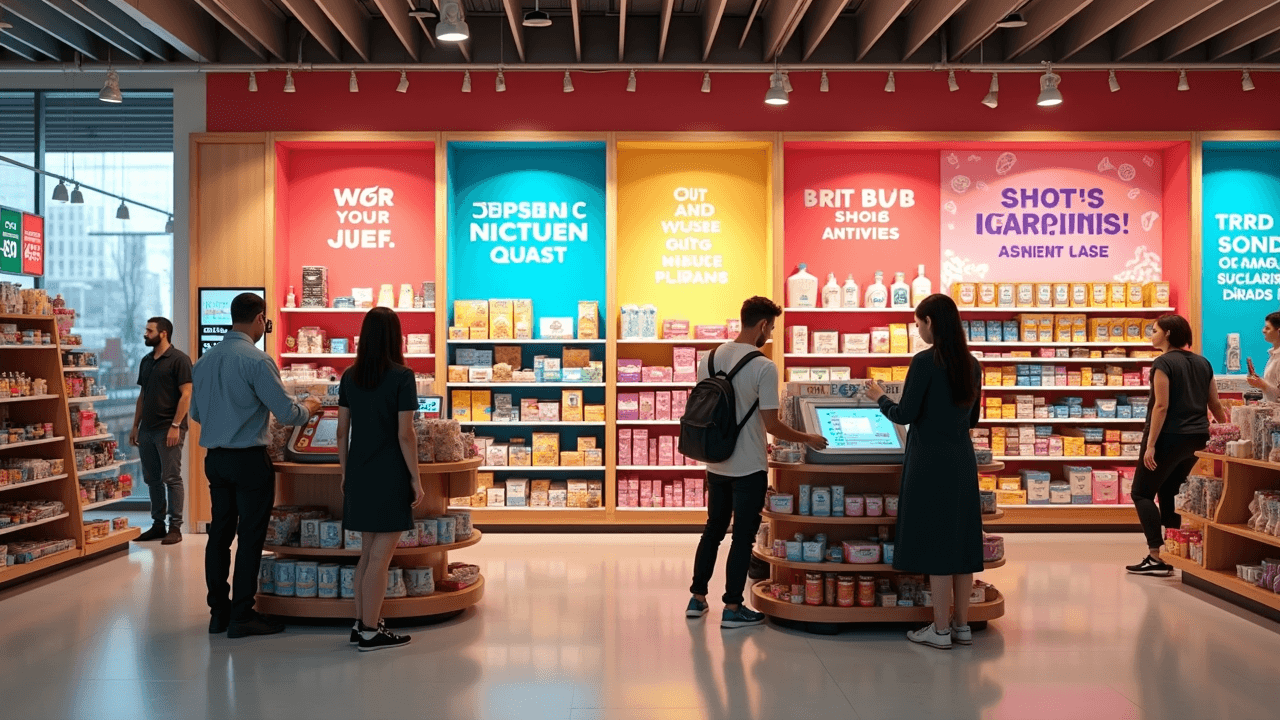
Learn how to adapt your dollar store to new retail trends and stay competitive in a changing market. Boost sales and attract more customers.
In today’s fast-paced retail landscape, dollar stores face the challenge of keeping pace with emerging trends that continue to reshape the shopping experience. Adapting to these shifts is not merely an option; it’s a necessity for businesses striving to remain competitive and relevant. As consumer preferences evolve and new technologies surface, dollar stores have a unique opportunity to thrive by embracing innovation in their operations.
By understanding the nuances of emerging retail trends, owners can transform their stores into vibrant shopping destinations. From the rise of e-commerce and sustainability to enhancing customer experience and leveraging personalization, adapting to these trends can drive significant growth and customer loyalty. This article delves into the strategies that dollar store owners can implement to successfully navigate these changes, ensuring they not only meet but exceed the expectations of their customers while optimizing their business operations.
Stay tuned as we explore critical areas like establishing a robust online presence, incorporating sustainable practices, and enhancing the overall shopping experience—allowing dollar stores to flourish in an ever-changing retail environment. 🌟
Understanding Emerging Retail Trends
In the rapidly evolving landscape of retail, staying ahead of the curve is not just a goal; it’s a necessity. Various trends are shaping how consumers shop and what they expect from brands. As we delve into some of these significant changes, it’s essential to recognize the implications they have—not just on businesses, but on the broader economy and society as a whole.
Shift to E-commerce
The transition from brick-and-mortar stores to online shopping has seen an explosive growth, driven by convenience and technological innovations. This shift has fundamentally changed how businesses operate and engage with consumers.
- Convenience Over Location: With e-commerce, customers can shop from the comfort of their homes, eliminating the need for physical travel.
- Mobile Shopping: The rise of smartphones has led to the increase in mobile transactions, as apps and mobile-optimized websites enhance the shopping experience.
- Global Reach: E-commerce opens doors to international markets, allowing brands to reach customers far beyond their local geographical constraints.
As retailers adapt to this digital-first world, they are experimenting with hybrid models that incorporate both online platforms and physical spaces, ensuring they don’t miss out on any segment of their customer base.
Sustainability and Eco-friendly Products
As consumers become more environmentally conscious, the demand for sustainable and eco-friendly products is on the rise. Retailers are responding to this trend by integrating sustainability into their core business strategies.
- Eco-friendly Packaging: Many retailers are now utilizing compostable and recyclable packaging materials to reduce their environmental footprint.
- Sustainable Sourcing: Brands are increasingly prioritizing ethically sourced materials, promoting transparency in their supply chains.
- Consumer Education: Businesses are not only adopting sustainable practices but also educating consumers about their benefits, empowering customers to make informed choices.
Retailers who champion sustainability are building stronger connections with their customers, fostering loyalty and trust. 🌱
Focus on Customer Experience
With competition intensifying, customer experience (CX) has emerged as a defining factor for retailers aiming for long-term success. It involves creating a seamless and enjoyable shopping experience across multiple touchpoints.
- Omnichannel Strategy: Integrating various sales channels—online, mobile, and in-store—ensures a consistent and engaging customer journey.
- Enhanced Service: From personalized customer support to feedback loops, brands are focusing on providing high-quality service that exceeds customer expectations.
- In-Store Experience: Retailers are reimagining their physical locations with immersive experiences, blending technology and interaction to draw in customers.
Creating a robust customer experience not only enhances brand loyalty but also encourages word-of-mouth marketing, which can significantly boost sales.
Personalization in Retail
In a crowded marketplace, personalization has become a powerful tool for brands looking to stand out. By leveraging data, retailers can provide tailored experiences that resonate with individual consumers.
- Data-Driven Insights: Utilizing analytics allows retailers to understand consumer behavior, preferences, and purchasing patterns.
- Customized Recommendations: A personalized approach, like product recommendations based on past purchases, enhances engagement and increases conversion rates.
- Targeted Marketing: Brands are crafting personalized marketing campaigns that speak directly to the unique needs and interests of their audience.
Personalization not only creates a more engaging shopping experience but also drives sales and customer satisfaction. 🤝
Emerging retail trends illustrate the dynamic nature of the industry. By embracing these shifts, retailers can foster adaptability, innovation, and customer loyalty, ensuring success in a competitive landscape.
Adapting Your Dollar Store to E-commerce
As the retail landscape rapidly evolves, dollar store owners find themselves with exciting opportunities to expand their businesses into the online realm. Embracing e-commerce not only broadens their customer base but also enhances convenience for shoppers who appreciate budget-friendly purchases. Below, we explore key strategies—from establishing an online presence to leveraging social media for effective marketing—that will help dollar store owners skillfully navigate this transition.
Creating an Online Presence
Building a robust online presence is essential for any dollar store looking to thrive in e-commerce. A well-crafted website acts as the digital storefront, showcasing products in an appealing manner. To create an engaging online experience, consider the following:
- User-Friendly Design: Ensure the website is intuitive and easy to navigate. Simple categories and a clear search function can significantly enhance user experience.
- Mobile Optimization: With many shoppers browsing on mobile devices, it’s crucial the website is fully optimized for smartphones and tablets.
- Product Listings: High-quality images and detailed descriptions should accompany each product. This allows potential customers to get a comprehensive understanding of what’s available.
- Payment and Shipping Options: Offering multiple payment methods and transparent shipping information can greatly improve the purchasing experience.
An effective online presence not only drives sales but also builds trust with customers, establishing your dollar store as a reliable option in the digital marketplace.
Implementing Click-and-Collect Services
Click-and-collect services have gained popularity as they merge the convenience of online shopping with the immediacy of in-store pickup. This model can be particularly beneficial for dollar stores by providing customers with flexibility and time savings. Key components to consider include:
- Streamlined Ordering Process: Ensure that the ordering system allows easy selection of products for pickup. Customers should receive notifications upon order confirmation and when their items are ready.
- Designated Pickup Areas: Create a clear, organized space within your store for click-and-collect orders. This reduces confusion and enhances customer satisfaction.
- Prompt Service: Timely and efficient service is crucial. Train staff to manage click-and-collect orders effectively, maintaining a focus on minimizing wait times.
By offering click-and-collect services, dollar stores can attract local shoppers who value a quick, hassle-free shopping experience, ultimately driving increased foot traffic and sales.
Utilizing Social Media for Marketing
Social media platforms present a powerful avenue for dollar stores to engage with customers and promote their offerings. An active social media presence not only builds brand awareness but also fosters customer loyalty. Here are some strategies to effectively utilize social media:
- Engaging Content: Post visually appealing images of products, share customer testimonials, or create fun and engaging videos showcasing items available in-store. This content should highlight the value and uniqueness of dollar store products.
- Promotions and Specials: Use platforms like Facebook and Instagram to announce promotions, discounts, and seasonal specials. Encourage followers to share these promotions with their networks.
- Community Engagement: Interact with followers by responding to comments and messages promptly. Host giveaways or contests to foster a sense of community among customers, encouraging them to visit the store and participate.
Effective social media marketing can significantly enhance a dollar store’s visibility, driving traffic both online and offline.
Adapting to e-commerce is not just a trend but a necessity in the current retail environment. By creating a strong online presence, implementing click-and-collect services, and utilizing social media for marketing, dollar store owners can position themselves for growth and success in this digital age. With the right strategies, they can attract a broader audience, boost sales, and stay competitive in an ever-evolving marketplace. 🎉
Incorporating Sustainable Practices
Sourcing Eco-Friendly Products
Sourcing eco-friendly products is a vital step in fostering sustainability. Companies that prioritize the use of environmentally responsible materials contribute significantly to reducing their ecological footprint. By choosing products made from renewable resources, businesses can:
- Support Ethical Manufacturing: Opting for suppliers that adhere to sustainable practices ensures that products are made in a way that respects both people and the planet.
- Utilize Recycled Materials: Products crafted from recycled sources help reduce waste and lower demand for virgin materials.
- Prioritize Local Sourcing: Buying locally not only minimizes transportation emissions but also supports the local economy.
Incorporating eco-friendly products into the supply chain is essential for long-term sustainability. He or she who invests in green products today contributes to a healthier planet for future generations. 🌱
Reducing Plastic Use
The pervasive nature of plastic is a pressing concern in our quest for sustainability. To combat this, businesses and individuals alike can adopt strategies to significantly reduce plastic use:
- Promote Digital Solutions: Transitioning to digital formats for invoices and marketing materials can eliminate the need for plastic wrappers and other packaging.
- Seek Bulk Purchasing Options: Buying in bulk reduces packaging waste and encourages more responsible consumption practices.
- Implement Packaging Alternatives: Exploring options like biodegradable materials or reusable containers can drastically cut down on single-use plastics.
By being proactive in reducing plastic use, one not only benefits the environment but also sets a powerful precedent for others to follow. Eco-friendly practices should become the norm, not just a trend. 🌎
Promoting Reusable Items
Another key element in the journey towards sustainability is the promotion of reusable items. Encouraging the use of products designed for multiple uses is an effective way to lessen environmental impact. Some practical approaches include:
- Offering Incentives: Businesses can provide discounts or rewards for customers who bring their reusable bags, containers, or cups, motivating more sustainable shopping habits.
- Educational Campaigns: Sharing information about the benefits of reusable items can help raise awareness among consumers and inspire them to make changes in their daily lives.
- Showcasing Alternatives: Highlighting alternatives to traditional single-use items, such as stainless steel straws or beeswax wraps, can pave the way for more sustainable choices.
Promoting reusability not only conserves resources but also cultivates a culture of mindfulness regarding consumption. He or she who embraces sustainability through reusable items plays a pivotal role in shaping a greener future. ♻️
Enhancing Customer Experience
Creating an exceptional customer experience is at the core of thriving retail operations. As businesses strive to meet evolving consumer expectations, they realize that providing an enjoyable shopping journey is no longer optional. Several key strategies can significantly enhance customer satisfaction, from thoughtful store layout to well-trained staff and engaging in-store experiences.
Store Layout and Design Improvements
The layout and design of a store play a pivotal role in customer navigation and satisfaction. A well-thought-out design can make shopping more enjoyable and less stressful. Here are some effective design strategies:
- Open Spaces: Utilizing an open layout helps customers feel less crowded, making their shopping experience more pleasant. This approach not only improves accessibility but also allows for better product visibility.
- Zoned Areas: By creating distinct zones for different product categories, customers can quickly locate what they need. For example, a dedicated section for promotions or seasonal items draws attention and encourages purchases.
- Interactive Displays: Engaging displays that allow customers to interact with products can create a memorable experience. Incorporating technology such as touch screens or augmented reality can elevate this further.
“The right store design speaks to customers, helping them feel comfortable and inspired while exploring.”
Training Staff for Better Customer Interaction
Employees are often the face of a business, and their interaction with customers can make or break the experience. Invest in comprehensive training programs that equip staff with the skills they need to succeed:
- Empathy and Communication: Teaching employees to connect with customers on a personal level fosters trust and loyalty. They should listen actively to customer needs, providing tailored solutions.
- Product Knowledge: A well-informed staff can offer invaluable insights and recommendations. This can turn a simple transaction into a consultative experience, guiding customers to make informed decisions.
- Problem-Solving Skills: Training employees to handle customer complaints effectively can turn a negative experience into a positive one, reinforcing customer loyalty.
Creating In-Store Experiences
Customers today seek more than just products; they crave experiences. Retailers must innovate beyond traditional selling points to captivate their audience:
- Events and Workshops: Hosting in-store events, such as workshops or exclusive product launches, creates a sense of community and invites customers to participate rather than merely shop.
- Sensory Engagement: Engaging the senses through music, scent, and visual merchandising can enhance the shopping atmosphere. A calm environment, paired with pleasing scents, can promote longer visits and increased spending.
- Loyalty Programs: Implementing loyalty initiatives can inspire repeat visits. Offering rewards and personalized experiences encourages customers to return, knowing they’re valued.
Enhancing customer experience is an ongoing commitment that requires attention to detail across all facets of the retail journey. By prioritizing store design, investing in staff training, and creating engaging in-store experiences, businesses can truly resonate with their customers—transforming mere transactions into lasting relationships.
Leveraging Personalization
In today’s crowded marketplace, standing out is more important than ever. Personalization isn’t just a buzzword; it’s a strategic approach that helps businesses connect with customers on a deeper level. By leveraging personalization, organizations can tailor experiences that drive engagement and foster loyalty. Let’s delve into the essential elements that make this possible.
Understanding Customer Preferences
To create truly personalized experiences, understanding customer preferences is key. This involves not only knowing what they like but also how they prefer to interact with brands. Here are a few fundamental steps to gather insights:
- Surveys and Feedback Forms: Regularly solicit feedback to gauge customer satisfaction and preferences. This can illuminate patterns in consumer behavior.
- Behavior Analysis: Monitor online browsing and purchasing behaviors to identify trends. Analytics tools can track actions and provide insights into what customers genuinely want.
- Segmentation: Divide your customer base into personas based on common attributes like age, location, and buying habits. This makes it easier to tailor offerings.
By investing time and resources into understanding customer preferences, businesses can create more relevant and engaging experiences that resonate with their audience and lead to stronger relationships.
Implementing Loyalty Programs
Loyalty programs are one of the most effective ways to leverage personalization. They encourage repeat business by rewarding customers for their ongoing patronage. Here’s how they can be structured:
- Personalized Rewards: Instead of a one-size-fits-all approach, offer rewards that align with individual preferences, such as discounts on favorite products or early access to new releases.
- Tiered Memberships: Create different levels of benefits, encouraging customers to ascend tiers for greater rewards. This can incentivize continued engagement and spending.
- Exclusive Experiences: Provide loyal customers with invitations to exclusive events, special promotions, or personalized consultations. Such experiences deepen their connection to the brand.
Ultimately, well-designed loyalty programs will provide customers with a sense of belonging, making them more likely to return and advocate for the brand 🌟.
Using Customer Data to Drive Sales
Customer data serves as a goldmine for businesses looking to drive sales through personalized strategies. The analysis of this data can uncover trends that help tailor marketing efforts effectively. Consider the following:
| Data Type | Actionable Insight |
|---|---|
| Purchase History | Recommend complementary products at checkout |
| Engagement Metrics | Identify which campaigns yield the best response |
| Geo-targeting Information | Customize local promotions based on region |
By harnessing this data, companies can create targeted marketing campaigns that address specific customer needs, ultimately increasing conversion rates. For instance, sending personalized email campaigns that reflect past purchases can lead to higher open rates and engagement.
Incorporating these data-driven strategies not only enhances the customer experience but also translates into increased sales and robust brand loyalty. Employing personalization effectively is not merely an option—it’s an essential part of modern marketing strategy that can create lasting relationships.
Utilizing Technology in Your Dollar Store
In today’s fast-paced retail environment, dollar stores must leverage technology to enhance operations and improve customer experiences. Adopting the right technological tools can streamline processes, reduce costs, and drive sales. This article explores several key areas where technology can bring significant benefits to dollar store operations, including Point of Sale innovations, advanced inventory management systems, and effective customer engagement tools.
Point of Sale Innovations
The Point of Sale (POS) system is critical in shaping the customer experience. Modern POS innovations have transformed the way transactions are processed, making them quicker and more efficient. Here are some notable advancements:
- Mobile Payment Acceptance: Equipped with mobile payment technologies, dollar stores can accept various payment methods beyond cash, including contactless cards and mobile wallets like Apple Pay and Google Wallet. This flexibility caters to a wider range of customers and enhances the shopping experience. 💳
- Integrated Loyalty Programs: Modern POS systems allow for seamless integration of customer loyalty programs. By leveraging data analytics, dollar stores can offer personalized discounts and rewards, encouraging repeat visits and building customer loyalty.
- Sales Tracking and Reporting: Advanced POS solutions provide real-time sales data and comprehensive reporting capabilities. This enables store managers to make informed decisions based on trends and customer preferences, leading to better inventory management and promotional strategies.
Implementing innovative POS systems not only speeds up transactions but also provides valuable insights into customer behavior, empowering store owners to optimize their operations effectively.
Inventory Management Systems
Effective inventory management is vital for maintaining stock levels and maximizing profits. Investing in robust inventory management systems can transform how dollar stores operate. Here are some benefits:
- Real-Time Stock Monitoring: Advanced inventory systems provide store owners with real-time tracking of stock levels, helping to prevent out-of-stock situations or excess inventory. This continuous monitoring ensures that popular items are always available for customers.
- Automated Reordering: These systems can be programmed to trigger automatic reordering of low-stock items. By minimizing human error and manual processes, dollar stores can ensure they always have the right products on hand without overstocking.
- Data Analytics: Utilizing data analytics allows dollar stores to analyze sales patterns and make data-driven decisions regarding which products to stock. This not only improves inventory turnover but also aligns the stock with customer demands, leading to increased sales.
With an efficient inventory management system, dollar stores can streamline operations, reduce costs, and provide an enhanced shopping experience, ultimately contributing to better business performance.
Customer Engagement Tools
Enhancing customer engagement is crucial for building brand loyalty and increasing sales. Here are some effective tools that dollar stores can integrate into their customer interaction strategies:
- Social Media Platforms: Leveraging social media allows dollar stores to communicate directly with their customers, announce promotions, and showcase products. Engaging content and interactive posts can create a loyal online community.
- Email Marketing Campaigns: Tailored email marketing campaigns help keep customers informed about new arrivals and special offers. Including personalized recommendations based on previous purchases can enhance engagement further.
- Feedback and Review Systems: Encouraging customers to leave feedback on their shopping experience fosters a sense of community and helps dollar stores identify areas for improvement. Collecting and showcasing positive reviews can also attract new customers.
By investing in customer engagement tools, dollar stores can create meaningful connections with their clientele, leading to increased brand loyalty and improved sales performance. 🛒
Incorporating these technological advancements into dollar store operations not only improves efficiency but also enhances the overall shopping experience. By staying ahead of the curve and embracing innovation, dollar store owners can navigate the challenges of the retail sector and thrive in an ever-evolving marketplace.
Monitoring Industry Trends and Competition
In today’s fast-paced business landscape, staying ahead of industry trends and monitoring competition is paramount for sustained success. With rapid technological advancements and shifting consumer preferences, companies need to be agile and informed. This section delves into essential strategies for effectively keeping an eye on competitors, embracing best practices, and conducting continuous market research to ensure relevance and competitiveness.
Keeping an Eye on Competitors
Understanding the competitive landscape is vital for any organization striving for growth and innovation. Companies should regularly assess their rivals to glean valuable insights. Here are some strategies:
- Competitor Analysis: Establish a routine for analyzing competitor offerings, marketing strategies, pricing models, and customer feedback. This can provide invaluable insights into what works and what doesn’t.
- Social Media Monitoring: Utilize social listening tools to track competitors on social media platforms. This not only reveals their engagement levels with customers but also highlights emerging trends and consumer sentiments.
- Benchmarking: Regularly compare key performance indicators (KPIs) with competitors. This can help identify gaps in performance and opportunities for improvement.
By diligently observing what competitors do, businesses can tweak their strategies to better meet customer needs, leading to an edge in the marketplace. 📈
Adopting Best Practices
Incorporating industry best practices is crucial for optimizing operations and innovation. Observing and adopting these practices will not only enhance efficiency but can also elevate a company’s standing in the marketplace.
- Research and Development (R&D): Invest in R&D as industry leaders often innovate to stay ahead. Regularly review processes and methodologies used by competitors that yield results.
- Feedback Loops: Implement mechanisms for continuous feedback from customers. This practice allows companies to adapt practices that resonate best with their audience.
- Training and Development: Continuous employee training focused on industry best practices can foster a culture of excellence and increase overall productivity.
These efforts help organizations remain competitive, encouraging adaptation and improvement in all facets of operation.
Continuous Market Research
In the business world, knowledge is power. Conducting continuous market research enables companies to make informed decisions and preemptively address market shifts. Here’s how to seamlessly incorporate ongoing research into strategic planning:
- Surveys and Questionnaires: Utilize surveys to gather direct insights from target demographics about preferences and pain points. This can help tailor products or services to better meet their needs.
- Industry Reports and Publications: Regularly review relevant reports and articles to stay informed on new trends, customer behaviors, and technological advancements.
- Networking with Industry Professionals: Engaging with experts through conferences, webinars, or online forums can provide fresh perspectives and ideas that may not be readily available from traditional research avenues.
Maintaining a pulse on the market dynamics not only prepares companies for change but also positions them to seize new opportunities as they arise. 🌟
By strategically monitoring industry trends and competition, organizations can foster an environment of innovation and adaptability, ensuring they not only survive but thrive in an ever-evolving landscape.
Conclusion
In the ever-evolving landscape of retail, adapting to emerging trends is essential for dollar stores aiming to thrive in 2025 and beyond. By embracing e-commerce, prioritizing sustainability, enhancing customer experiences, and leveraging technology, these stores can not only meet current consumer demands but also build long-lasting loyalty.
At Four Seasons General Merchandise, they are committed to providing dollar stores with the best in general merchandise, including eco-friendly products that align perfectly with sustainability goals. Explore their extensive offerings to stay ahead in this competitive market. ✨ Four Seasons General Merchandise is here to support your journey!
Frequently Asked Questions
- What are some emerging retail trends that dollar stores should consider?
Emerging retail trends for dollar stores include e-commerce integration, sustainable and eco-friendly products, personalized shopping experiences, social media engagement, and an increasing focus on health and wellness items.
- How can dollar stores enhance customer experience to adapt to retail trends?
Dollar stores can adapt by improving store layout, offering loyalty programs, utilizing digital signage, providing a diverse product range, and training staff for better customer service to create a more engaging shopping experience.
- Is e-commerce important for dollar stores in the current retail landscape?
Yes, e-commerce is increasingly important for dollar stores, allowing them to reach a broader audience, improve sales, and provide convenient shopping options through online platforms and curbside pickup.
- What role does social media play in adapting to retail trends for dollar stores?
Social media can play a significant role by helping dollar stores engage with their community, promote special offers or products, showcase in-store events, and gather customer feedback to tailor their services.
- How can dollar stores incorporate sustainable practices while adapting to retail trends?
Dollar stores can incorporate sustainable practices by offering eco-friendly products, reducing plastic use, implementing recycling programs, and partnering with suppliers that prioritize sustainability, aligning with consumer demand for responsible shopping.
