
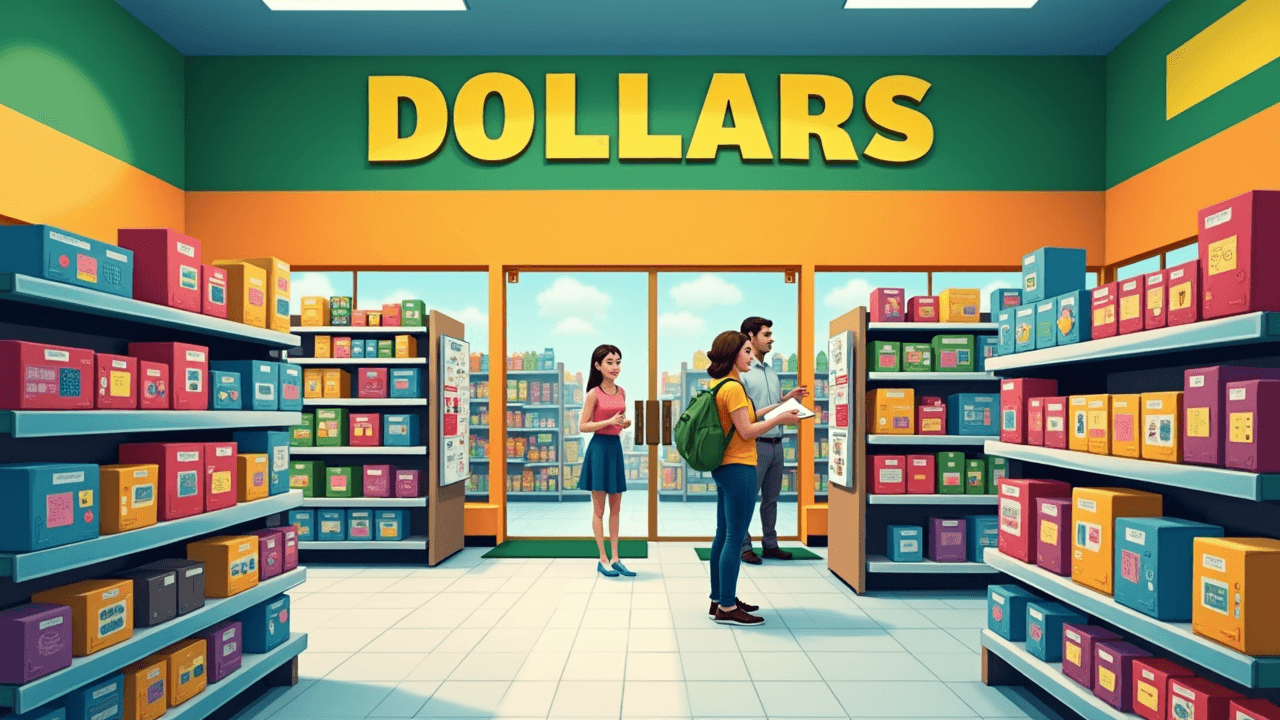
Learn essential strategies for running a successful dollar store in a competitive market. Maximize profits and attract loyal customers.
In a world where retail competition is fiercer than ever, running a thriving dollar store presents a unique set of challenges and opportunities. Dollar stores have become a staple in many communities, offering budget-friendly shopping options that cater to a diverse array of customers. The allure of snagging great deals on everyday items makes these stores an attractive destination.
However, the success of a dollar store doesn’t come solely from low prices. It requires a well-thought-out strategy that covers everything from understanding customer demographics to efficient inventory management. Understanding the nuances of the dollar store business model and effectively engaging with the local community can set one store apart from its competitors.
Whether you’re a seasoned entrepreneur or just starting in the retail landscape, this comprehensive guide dives into the essential elements needed for running a successful dollar store in a competitive market. Buckle up as we explore the ins and outs of this rewarding business venture and help you harness the potential of the dollar store model! 🛒✨
Understanding the Dollar Store Business Model
A dollar store is a retail establishment that primarily sells a wide variety of products at a low price point, typically around one dollar. ✨ These stores are often characterized by their budget-friendly offerings, making them an appealing choice for cost-conscious shoppers. Dollar stores can range from small neighborhood shops to larger retail chains.
In recent years, the concept has evolved, allowing for a diverse array of items including food, household goods, and seasonal decorations. While the traditional dollar store model implies that everything is priced at a dollar, many now offer items for slightly higher prices—up to five dollars or more—while still maintaining an overall reputation for affordability.
Key Characteristics of Dollar Stores
Dollar stores are popular for several distinctive features:
- Wide Range of Products: Dollar stores typically offer everything from cleaning supplies and toiletries to snacks and toys, all under one roof. This variety attracts a diverse customer base, from families seeking bargains to college students looking for essentials.
- No Frills: The store layout is often simple and utilitarian. Shelving is usually basic, and decoration is minimal. This efficient approach helps keep operational costs low, which can translate into savings for consumers.
- Limited Brand Variety: Many dollar stores stock generic or lesser-known brands, which helps maintain lower prices compared to traditional retailers. Shoppers who don’t mind sacrificing brand recognition for savings can find ample options here.
- Quick Turnover: Products frequently change, encouraging return visits from customers eager to find new deals. It’s common for shoppers to discover seasonal items or unique products on every visit.
- Community Engagement: Many dollar stores build strong relationships with local communities, hosting drive events or offering special promotions aimed at enhancing community welfare. By engaging with local initiatives, they solidify their role as a go-to shopping destination.
Difference Between Dollar Stores and Other Retailers
Understanding the distinction between dollar stores and other retailers highlights the unique place dollar stores occupy in the retail landscape.
| Feature | Dollar Stores | Traditional Retailers |
|---|---|---|
| Price Point | Primarily low prices (often $1 or slightly more) | Varied pricing based on brand and quality |
| Product Range | Limited selection with a focus on essentials | Broader selections with premium brands and specialty items |
| Store Layout | Simple, functional design | More elaborate with targeted displays and spaces |
| Target Market | Price-sensitive consumers | Moderate to affluent consumers seeking quality and variety |
| Shopping Experience | Quick and efficient with minimal frills | Engaging shopping experience with customer service |
By focusing on basic necessities at an attractive price point, dollar stores attract shoppers who prioritize value over brand loyalty. This model fosters a unique shopping experience driven by an emphasis on savings, making it an indispensable part of many consumers’ lives.
Understanding these elements can shed light on the thriving business of dollar stores and their appeal in today’s diverse retail market.
Market Research and Target Audience
Understanding local demographics is essential for any business aiming to succeed in a competitive market. By analyzing the age, gender, income levels, and educational backgrounds of potential customers, businesses can tailor their products and marketing strategies effectively.
- Age Groups: Different age groups have varying preferences and spending habits. For instance, millennials may prefer tech-driven solutions, while older adults might lean towards nostalgic products.
- Income Levels: Knowing the income bracket of local residents helps in pricing products or services appropriately.
- Education: Educational attainment can influence purchasing decisions, especially in sectors like technology and health.
Demographic data can be sourced from government databases, local business associations, or online tools. Equipped with this information, businesses can create targeted marketing campaigns that resonate with specific audience segments.
Identifying Competitors
In the world of business, understanding the competitive landscape is vital. Identifying key competitors not only allows a business to position itself strategically but also highlights areas for improvement.
- Direct Competitors: These are businesses offering similar products or services in the same geographical area.
- Indirect Competitors: Businesses that offer alternative solutions to the same problem fall into this category.
Conducting a competitive analysis involves researching competitors’ product offerings, pricing strategies, and marketing approaches. By doing so, businesses can identify gaps in the market and opportunities for differentiation, allowing them to stand out from the crowd.
Understanding Customer Preferences
Grasping what customers truly desire can significantly enhance business success. Understanding these preferences involves more than just surveys: it’s about fostering an ongoing dialogue with customers.
- Surveys and Feedback: Utilizing surveys can provide direct insights into what customers appreciate about a product or service, as well as areas for improvement.
- Social Media Listening: Monitoring customer interactions on social media platforms can reveal trends, preferences, and potential pain points.
- Trend Analysis: Keeping an eye on emerging trends within the industry helps businesses stay ahead of the curve, adapting their products and services to fit the evolving needs of customers.
By actively engaging with and listening to their target audience, businesses can craft offerings that resonate deeply, ensuring customer loyalty and higher engagement rates.
Ultimately, a well-rounded approach to market research that incorporates demographic analysis, competitive identification, and an understanding of customer preferences is crucial. This comprehensive strategy can empower businesses to make informed decisions that drive growth and enhance customer satisfaction. 🌟
Location and Store Layout Planning
When it comes to the success of a retail business, location and store layout planning play a pivotal role. The right decisions in these areas can attract customers, enhance shopping experiences, and ultimately boost sales. Let’s delve into this essential aspect of retail management.
Choosing the Right Location
Selecting a prime location for a store involves assessing a number of critical factors. 🏬
- Target Demographics: Understand who the ideal customers are and where they live, work, and shop. This knowledge facilitates identifying locations with high foot traffic that is likely to attract these customers.
- Accessibility: Does the store site offer easy access via road, public transportation, or pedestrian walkways? Customers are more likely to visit locations that are convenient for them to reach.
- Competition Analysis: Analyze the surrounding competitors. A store located near complementary businesses can benefit from shared customer traffic, while oversaturation in one area may hinder growth.
- Visibility: A location that is easy to see and access helps draw in potential customers who might not be actively seeking out the store.
Choosing the right location involves a strategic balance of these elements, ensuring the store is not only accessible but also positioned to attract a significant customer base.
Store Design Strategies
Once the perfect location has been identified, the next step involves implementing effective store design strategies. A well-thought-out design can create an inviting atmosphere that encourages exploration and purchases. Here are key strategies to consider:
- Layout Types: Selecting the right floor plan—grid, racetrack, or free-flow—will depend on the type of retail business and the shopping experience desired. For instance, grocery stores typically benefit from grid layouts, while boutiques favor a more theatrical approach.
- Zoning: Creating distinct zones for various product categories can effectively guide customers through the store. For example, placing high-demand items near the entrance can draw customers further into the store.
- Aesthetic Appeal: Bright and appealing design elements—like colors, lighting, and signage—can enhance brand identity and create a welcoming atmosphere. Incorporating eco-friendly materials can also resonate with environmentally conscious shoppers.
- Traffic Flow: Designing pathways that allow for smooth traffic flow is crucial. Crammed aisles can deter customers, while well-marked pathways encourage exploration.
These strategies not only enhance the physical shopping experience but also help cultivate a strong brand image in the minds of customers.
Optimizing Product Placement
Product placement within the store can make a world of difference in sales performance. Thoughtful arrangement not only highlights key items but also influences purchasing behavior. Here’s how to optimize product placement effectively:
- Eye-level Positioning: Products that are placed at eye level tend to sell better. This is because they are easily visible and accessible for customers.
- Cross-Merchandising: Placing related products together can encourage additional purchases. For example, pairing chips and salsas can help increase sales for both items.
- End Caps and Displays: Utilize end caps for promotional items or best-sellers. Eye-catching displays can draw shoppers’ attention and prompt impulse buys.
- Seasonal Adjustments: Regularly updating placements based on seasons and holidays can attract returning customers. For instance, prominently featuring summer essentials in early spring captures seasonal shopping interest.
Through meticulous planning of product placements, retailers can significantly enhance sales opportunities and elevate the entire shopping experience.
With a well-chosen location, compelling store design, and strategic product placements, a retailer can create an inviting shopping environment that effectively attracts customers and drives results. By taking these considerations into account, one can pave the way for a thriving retail venture.
Inventory Management and Product Selection
Effective inventory management and product selection are essential components of a successful business strategy. These practices can drastically influence profitability, customer satisfaction, and overall operational efficiency. This article explores key methodologies in selecting high-demand products, maintaining optimal inventory levels, and fostering robust supplier relationships.
Selecting High-Demand Products
Choosing the right products to stock can make or break a business. Here are some strategies to ensure selections align with market demands:
- Market Research: Utilizing tools like surveys, focus groups, and social media analytics can highlight what consumers are currently interested in. Trends often ebb and flow, so it’s critical to stay updated! 📊
- Sales Data Analysis: Historical sales data plays a crucial role in identifying patterns. Reviewing past performances can reveal the products that consistently sell well, allowing businesses to predict future demand effectively.
- Competitor Insights: Monitoring competitor selections can also provide valuable insights. What are they selling? What seems to be flying off the shelves? Understanding the competitive landscape can help in curating a more appealing product range.
- Customer Feedback: Engaging customers for their input on desired products can bolster offerings. This not only improves selection but also builds stronger relationships with the customer base, fostering loyalty.
By implementing these strategies, businesses can enhance their product offerings, ensuring they meet customer needs and expectations.
Managing Inventory Levels
Maintaining optimal inventory levels is critical to operational efficiency. Here’s how to achieve balance:
- Just-In-Time (JIT) Inventory: This approach minimizes excess stock by receiving goods only as they are needed, reducing storage costs significantly. It requires strong supplier relationships to ensure timely deliveries. 🕒
- Use of Inventory Management Systems (IMS): Advanced IMS solutions offer real-time tracking and analytics, which can streamline inventory processes. Features like automatic alerts for low stock can prevent missed opportunities in sales.
- ABC Analysis: This categorizes inventory based on importance—A items are high-value, B items are moderate, and C items are low-value. Focus can then be directed more effectively based on their significance to business operations.
- Seasonal Planning: Businesses should consider seasonality when managing stock. This allows them to prepare and stock optimal quantities during peak times, ensuring they don’t miss out on potential sales.
Effective inventory management helps prevent sales loss due to stockouts while minimizing excess inventory that ties up capital.
Supplier Relations and Negotiation
Strong relationships with suppliers can lead to better pricing, priority service, and more flexible terms. Here are strategies to build and enhance those relationships:
- Clear Communication: Regularly communicating with suppliers about expectations and concerns can lead to a more robust partnership. This clarity enables both parties to respond to market changes swiftly. 📞
- Fair Negotiations: Ensuring a fair and transparent negotiation process fosters trust. It’s essential to negotiate terms that benefit both parties without alienating the supplier.
- Evaluating Supplier Performance: Regular assessments of supplier performance can reveal areas for improvement, helping businesses refine their network of suppliers for better efficiency and reliability.
- Building Long-Term Partnerships: Look for suppliers who are willing to work together for the long haul. Long-term relationships often yield better prices, flexibility, and mutual support during challenging times.
Successful supplier relationships not only stabilize inventory sources but can also enhance negotiation leverage, leading to more favorable terms.
By focusing on selecting high-demand products, managing inventory wisely, and nurturing supplier relationships, businesses can create a resilient and responsive inventory management framework that adapts to the ever-evolving market landscape. Each strategy interlinks to form a cohesive approach, ensuring substantial benefits and sustained growth.
Marketing Strategies for Dollar Stores
Marketing Strategies for Dollar Stores
In the vibrant world of retail, dollar stores stand out as a unique, value-driven option for consumers. Effectively marketing these stores can be a game changer, not only in attracting foot traffic but also in cultivating a loyal customer base. This article embarks on a journey to uncover well-crafted marketing strategies tailored for dollar stores, encompassing local advertising techniques, leveraging social media, and the implementation of loyalty programs and promotions.
Local Advertising Techniques
Local advertising plays a crucial role in the success of dollar stores, given their community-centric approach. To build a strong presence within the local market, stores can employ a variety of strategies:
- Flyers and Posters: Distributing colorful flyers or placing posters in high-traffic areas can grab the attention of price-conscious shoppers. Highlighting special deals and new arrivals can pique interest and encourage visits.
- Community Sponsorships: Involvement in local events or sponsorships can enhance a store’s visibility. Engaging in community fairs or sports events builds goodwill, showing that the brand cares about its surroundings.
- Local Newspapers and Radio Ads: Advertising in local newspapers or on community radio stations can effectively reach a target audience who values savings. These traditional methods still hold sway in smaller communities, offering a personal touch.
These techniques not only drive customers to the store but also foster a sense of community connection, enhancing brand loyalty.
Utilizing Social Media
Social media is an invaluable tool for dollar stores aiming to reach a broader audience and interact with their community on a personal level. Here’s how to harness its power effectively:
- Platform Selection: Choosing the right platforms is essential. Facebook, Instagram, and TikTok resonate well with shoppers who appreciate deals and bargains. Engaging content tailored for these platforms can boost visibility.
- User-Generated Content: Encouraging customers to share their finds and shopping experiences creates a sense of community. Running contests where a customer’s best find is featured can not only generate interest but also foster loyalty. 📸
- Regular Updates and Promotions: Posting regular updates about new inventory, seasonal promotions, and special events can keep followers engaged and informed. Timely announcements can ensure that customers are always aware of the latest bargains.
With consistent and authentic interaction, dollar stores can create a loyal following, making them the go-to spot for affordable shopping.
Loyalty Programs and Promotions
Establishing a well-thought-out loyalty program can significantly boost customer retention and encourage repeat visits. Here are some effective ideas for dollar stores:
- Point-Based Rewards: Implement a system where customers earn points for every purchase, which they can later redeem for discounts or free items. This not only encourages spending but also makes customers feel valued.
- Exclusive Member Discounts: Offering special discounts to loyalty program members during certain days or on select products can entice more customers to enroll.
- Seasonal Promotions: Organizing special promotions around holidays or community events can drive traffic during peak shopping times. Whether it’s back-to-school sales or holiday specials, these events become memorable for customers when paired with a little festivity. 🎉
These loyalty initiatives not only reward punctual shoppers but also transform one-time visitors into enthusiastic advocates for the dollar store’s brand.
Dollar stores have the potential to thrive in today’s competitive retail landscape by embracing these marketing strategies. The focus on local advertising, social media engagement, and reward systems can elevate their presence within communities and create lasting connections with customers. As they adapt to evolving market trends, these stores will undoubtedly carve out a niche that resonates with savvy shoppers seeking value and convenience.
Customer Service and Community Engagement
Importance of Exceptional Customer Service
Exceptional customer service is the cornerstone of any thriving business. It not only fosters customer loyalty but also cultivates a positive brand reputation. When customers feel valued and understood, they are more likely to return and recommend the business to others. Here’s why outstanding customer service is essential:
- Customer Retention: Happy customers are repeat customers. A single positive interaction can turn a one-time buyer into a lifelong patron.
- Word of Mouth: Satisfied customers share their experiences with friends and family, creating natural marketing through word of mouth.
- Feedback Opportunities: Engaging with customers provides valuable insights into their needs and expectations, allowing businesses to refine their offerings continually.
As we delve deeper, it’s clear that delivering exceptional customer service is not merely a business tactic; it’s a lasting investment in the company’s future.
Building Relationships with Customers
Building solid relationships with customers is key to fostering brand loyalty and community trust. Establishing this connection can transform a transactional interaction into a genuine rapport. Here are effective strategies to enhance these customer relationships:
- Personalization: Tailoring interactions based on customer history and preferences makes clients feel special and understood. From personalized emails to customized promotions, this touch goes a long way.
- Active Listening: Employees should be trained to listen actively to customer concerns. This not only resolves issues but also shows that the business values their input.
- Regular Communication: Maintaining consistent touchpoints through newsletters or updates ensures customers feel engaged. This can keep customers informed about new products or services and special events.
Establishing these relationships creates an ecosystem where customers feel valued, leading to increased satisfaction and loyalty.
Event Hosting and Community Involvement
Engaging with the community through events showcases a company’s commitment to giving back and building local relationships. By hosting or participating in events, organizations can solidify their presence within the community and further enhance customer relationships. Here are some impactful ways to engage:
- Workshops and Seminars: Hosting educational events can position a business as an industry expert while providing real value to the community. This also garners trust and respect.
- Charity Events: Partnering with local charities for fundraising events not only benefits the cause but also establishes the business as a socially responsible entity.
- Feedback Sessions: Creating opportunities for customers to voice their thoughts in a relaxed setting fosters openness and connection, ensuring that they feel their opinions matter.
Events not only encourage community interaction but also enhance brand visibility. Businesses that actively engage with their customers and community often enjoy increased loyalty and trust from consumers.
Through exceptional customer service, strong relationships, and active community involvement, businesses can carve a unique niche in the marketplace, driving both loyalty and growth.
Financial Management and Profitability
Effective financial management is the backbone of any successful business, playing a crucial role in ensuring sustainability and profitability. By implementing sound financial strategies, organizations can maximize their resources and align their operations with their long-term objectives. The following sections delve into key areas that contribute significantly to financial health: budgeting and expense control, understanding pricing strategies, and tracking sales and performance metrics.
Budgeting and Expense Control
Budgeting serves as a financial roadmap for businesses, allowing them to forecast revenues and expenditures with clarity. An effective budget:
- Sets Clear Objectives: By outlining priorities, companies can allocate funds efficiently and pursue strategic goals.
- Monitors Cash Flow: Regularly reviewing budgets helps in tracking cash flow, ensuring that the business remains solvent and able to meet its financial obligations.
- Identifies Cost-Cutting Opportunities: Scrutinizing expenses can reveal areas where savings can be made without compromising on quality or service.
Businesses should adopt tools such as financial software or templates to streamline the budgeting process. Additionally, maintaining flexibility in budgets is essential; circumstances may change, and budgets should reflect those alterations to remain relevant 🎯.
Understanding Pricing Strategies
The right pricing strategy can significantly enhance profitability. Businesses should consider various approaches to pricing:
- Cost-Plus Pricing: This method adds a markup to the cost of goods sold, ensuring a consistent profit margin.
- Value-Based Pricing: Pricing products based on perceived value to the customer encourages businesses to focus on quality and customer satisfaction.
- Dynamic Pricing: Regularly adjusting prices in response to market demand helps maximize revenue during peak times and maintain competitiveness during lulls.
Understanding the intricacies of pricing not only aids in positioning products effectively but also assists companies in achieving their financial goals. The alignment of pricing strategies with overall business objectives is key to fostering a strong market presence.
Tracking Sales and Performance Metrics
In a world driven by data, tracking sales and performance metrics is indispensable for financial management. By focusing on key performance indicators (KPIs), businesses can glean insights into their operational success. Important metrics may include:
| Metric | Purpose |
|---|---|
| Gross Profit Margin | Measures the financial health of sales |
| Customer Acquisition Cost | Assesses marketing efficacy |
| Sales Growth Rate | Evaluates overall sales performance |
Regularly analyzing these metrics enables businesses to make informed decisions, pivot strategies, and optimize their financial results. The integration of performance tracking tools can enhance visibility, empowering teams to respond to trends in real-time.
Developing a holistic approach to financial management that incorporates budgeting, pricing strategies, and performance tracking not only fosters profitability but also cultivates a thriving business environment. With careful planning and diligent execution, any organization can excel in today’s competitive landscape.
Adapting to Market Changes
In today’s fast-paced business landscape, one critical factor for sustained success is the ability to adapt to market changes. Companies must navigate an ever-evolving array of trends and economic factors, while continuously innovating their business practices. This adaptability not only ensures survival but also enhances competitiveness. Let’s explore how organizations can stay agile and responsive in a dynamic market.
Keeping Up with Trends
Staying in tune with market trends is essential for any business aiming to thrive. Trends can dictate consumer behavior, influence product development, and shape overall business strategies. Companies should employ several methods to remain ahead of the curve:
- Market Research: Regularly conduct surveys and focus groups to gauge customer preferences and emerging trends.
- Social Listening: Monitor social media platforms to identify shifts in consumer sentiment and discover new interests.
- Industry Reports: Utilize resources from industry analysts which can provide insightful forecasts and trend analyses.
By proactively spotting trends, businesses can make informed decisions that align with consumer demands and capitalize on them swiftly. 🚀
Evaluating Economic Factors
Understanding economic factors is pivotal when adapting to market changes. These factors encompass a wide range of elements, from inflation rates to employment levels, each impacting consumer spending and business operations. Here are key economic indicators to monitor:
| Economic Indicator | Impact |
|---|---|
| Inflation Rate | Influences purchasing power and costs |
| Unemployment Rate | Affects disposable income and spending |
| Interest Rates | Determines the cost of borrowing for businesses and consumers |
| Consumer Confidence Index | Reflects the general economic outlook, influencing spending decisions |
Recognizing fluctuations in these indicators allows companies to adjust pricing strategies, reassess budgets, and better align offerings with market conditions. A comprehensive understanding of the economy empowers businesses to be reactive or proactive as needed. 📈
Innovating Business Practices
Innovation is the heartbeat of adaptability. Companies must continually seek ways to enhance their operations, products, and customer experiences. Consider these strategies for embracing innovation:
- Embrace Technology: Utilize digital tools and platforms to improve efficiency, reach new audiences, and enhance data analysis.
- Foster a Culture of Creativity: Encourage employees to share ideas and collaborate on innovative solutions. This can lead to unexpected breakthroughs.
- Stay Agile: Implement flexible business models that can pivot quickly in response to market changes, thereby allowing for swift decision-making and implementation.
By innovating, businesses not only respond to market changes but can also position themselves as leaders in their respective fields. This proactive approach invites growth and resilience in an unpredictable environment. 🌟
Adapting to market changes isn’t just a strategy; it’s a necessity for any business looking to succeed long-term. By keeping up with trends, evaluating economic factors, and embracing innovation, companies can thrive amid uncertainty.
Conclusion
Running a thriving dollar store in today’s competitive market is a multifaceted endeavor that brings together savvy management, wise marketing, and a deep understanding of customer needs. By leveraging effective inventory management and engaging with local communities, dollar store owners can create a welcoming shopping experience that encourages repeat business.
To further enhance their store’s appeal, many successful dollar store owners turn to reliable suppliers like Four Seasons General Merchandise, a trusted provider of a wide range of products tailored for dollar and discount stores. By sourcing quality merchandise at competitive prices, they can keep their shelves stocked with items that sell—helping them thrive in any economic climate. 🌟
With these strategies in place, dollar store owners can not only survive but flourish in the retail landscape.
Frequently Asked Questions
- What are the key strategies for running a successful dollar store?
Key strategies for running a successful dollar store include understanding your target market, maintaining low overhead costs, offering a diverse product range, providing excellent customer service, and leveraging effective marketing techniques.
- How do I find reliable suppliers for my dollar store?
To find reliable suppliers for your dollar store, research wholesale distributors, attend trade shows, and connect with manufacturers directly. Building strong relationships with suppliers can ensure consistent quality and competitive pricing.
- What should I consider when pricing products in a dollar store?
When pricing products in a dollar store, consider the cost of goods sold, market competition, perceived value, and customer purchasing power. Maintain a pricing strategy that allows for profit while remaining attractive to budget-conscious shoppers.
- What are common pitfalls to avoid when starting a dollar store?
Common pitfalls to avoid include failing to research the market, insufficient inventory management, neglecting customer service, overlooking store layout and design, and not adapting to changing consumer trends.
- How can I effectively market my dollar store in a competitive market?
Effectively marketing your dollar store can involve various strategies, such as utilizing social media, offering in-store promotions, engaging with the local community, creating loyalty programs, and maintaining a strong online presence through a website or e-commerce platform.
