
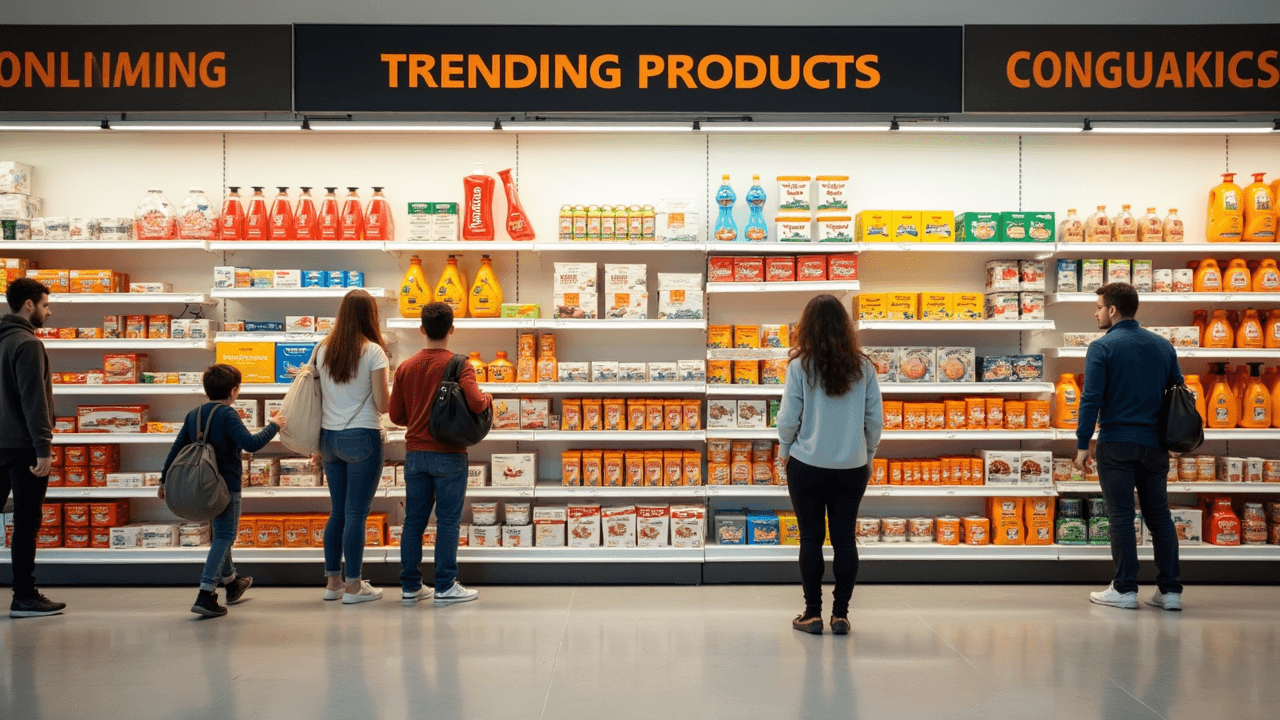
Discover effective strategies to leverage trends for increasing sales at your dollar store and attract more customers with smart marketing.
In the ever-evolving world of retail, staying ahead of the curve is crucial for success, particularly for dollar stores that thrive on cost-conscious consumer behavior. Embracing market trends can be the key to boosting sales and enhancing customer loyalty. By understanding current trends, dollar store owners can better align their product offerings and marketing strategies with the preferences and behaviors of their customers.
Dollar stores are uniquely positioned to benefit from trends that highlight affordability and value, especially during times of economic fluctuation. With a keen eye on consumer desires, economic shifts, seasonal nuances, and emerging social dynamics, these stores can create enticing shopping experiences that resonate with their clientele.
As this article unfolds, readers will discover actionable insights into how market trends influence dollar store sales and how they can employ these trends to optimize inventory management, enhance marketing strategies, and improve customer experiences. With a strategic focus on utilizing trends effectively, dollar store owners can unlock new avenues of growth and profitability, making 2025 a landmark year for their businesses! 🚀
Understanding Market Trends
Defining Market Trends
Market trends simply refer to the patterns and directions observed in consumer behavior, sales, and the broader economic environment over time. He or she may encounter various types of trends, classified mainly into three categories:
- Short-term Trends: These trends can last from a few months to a couple of years. They often emerge due to seasonal changes or specific events.
- Medium-term Trends: Lasting several years, medium-term trends often reflect shifts in consumer preferences or technological advancements that gradually influence purchasing behavior.
- Long-term Trends: These are deeply rooted patterns that can shape entire industries over decades. Long-term trends highlight sustained changes such as a growing preference for sustainable products.
Understanding these trends equips businesses with the knowledge necessary to adapt their strategies, optimize inventories, and target their marketing efforts effectively. Recognizing trends early can provide a pivotal advantage in staying ahead of competitors.
Importance of Trends in Retail
The retail sector is particularly sensitive to market trends, significantly impacting how products are developed, marketed, and sold. Here are some key reasons why staying attuned to these trends is crucial:
- Consumer Insights: Trends offer valuable insights into consumer preferences, allowing retailers to align their offerings with what customers want. This can lead to improved customer satisfaction and loyalty. 🛍️
- Inventory Management: Understanding which products are gaining popularity helps retailers manage their stock levels more effectively. By aligning resources with market demand, businesses minimize overstock and understock situations.
- Competitive Advantage: Companies that capitalize on emerging trends can distinguish themselves in a crowded marketplace. Being seen as a trendsetter can elevate a brand’s status, attracting more attention from consumers.
- Innovation Drive: Trends often inspire innovation within businesses, prompting them to explore new product lines or improve existing ones. This proactive approach can lead to substantial growth.
Retailers must continuously analyze market trends to remain relevant and agile. By adopting a proactive stance and embracing change, retailers can not only survive but thrive, ensuring sustained success in a dynamic marketplace.
Identifying Current Trends Affecting Dollar Store Sales
In a rapidly evolving retail landscape, dollar stores are experiencing a noteworthy transformation, driven by various trends in consumer behavior, economics, seasonality, and the influence of social media. Understanding these trends is imperative for retailers aiming to thrive in this sector. Let’s delve into the current dynamics shaping dollar store sales in 2025.
Consumer Behavior Trends
The shopping habits of consumers have undergone significant changes, particularly in the wake of economic uncertainties and lifestyle shifts. Key trends include:
- Value-Seeking Mindset: As families look to stretch their budgets further, many are turning to dollar stores for essential items. This has led to increased foot traffic and higher sales volumes.
- Shift towards Convenience: With busy lives, consumers are favoring one-stop shops that offer convenience along with low prices. Dollar stores are well-positioned to meet this demand by providing a wide range of grocery and household items under one roof.
- Sustainability: Shoppers are becoming more conscious of their environmental impact. Many dollar stores are responding by offering eco-friendly products, thereby attracting an eco-conscious customer base 🌱.
These consumer behavior trends show that dollar stores are not merely discount retailers but are adapting to meet the nuanced needs of modern shoppers.
Economic Trends
A deep understanding of current economic conditions is vital for dollar stores to forecast sales and optimize inventory. Several economic factors are significantly affecting dollar store sales:
- Inflationary Pressures: With rising prices across many sectors, dollar stores have become a go-to for budget-conscious consumers looking to save on everyday purchases.
- Employment Rates: As employment levels rise, so do discretionary spending and overall confidence in economic stability. Dollar stores benefit from this trend as more consumers aim to indulge occasionally while still enjoying affordable goods.
- Market Expansion: Many dollar store chains are expanding into underserved neighborhoods, creating new opportunities for sales growth and community engagement 🌍.
These economic trends highlight how dollar stores can capitalize on prevailing market conditions to enhance their sales strategy.
Seasonal Trends
Seasonal shifts play a pivotal role in driving dollar store sales, with specific merchandise gaining popularity at different times of the year. Notable seasonal trends include:
- Holiday Promotions: During major holidays, dollar stores often ramp up their offerings, ranging from decorations to gift items, enticing customers seeking budget-friendly options for celebrations 🎉.
- Back-to-School Shopping: The back-to-school season sees a surge in demand for school supplies, and dollar stores have cleverly positioned themselves to attract parents looking to save.
- Summer Essentials: Items like sunscreen, outdoor games, and BBQ supplies witness a spike in sales during the warmer months, providing dollar stores an opportunity to cater to seasonal needs.
Monitoring these seasonal trends enables dollar stores to optimize inventory and promotional strategies effectively.
Social Media Trends
As social media continues to shape consumer perceptions and shopping behaviors, dollar stores are increasingly leveraging digital platforms to foster engagement and boost sales. Some key social media trends include:
- Influencer Collaborations: Collaborating with social media influencers has become a popular strategy for dollar stores to reach younger demographics and create buzz around new products.
- User-Generated Content: Encouraging customers to share their finds and experiences has proven effective in building a community of loyal shoppers who actively promote the brand online 📱.
- Targeted Advertising: Online ads on platforms like Instagram and Facebook allow dollar stores to target specific demographics, driving foot traffic and online sales through tailored approaches.
These social media trends indicate the growing importance of digital engagement in optimizing sales channels.
By understanding and adapting to these current trends affecting dollar store sales, retailers can position themselves effectively in this competitive market. Embracing consumer preferences, economic realities, seasonal needs, and the dynamic world of social media will be vital for sustained success.
Utilizing Trends for Inventory Management
Efficient inventory management is the backbone of a thriving business. By leveraging trends, companies can make informed decisions that will not only optimize stock levels but also enhance customer satisfaction. This section explores effective strategies to manage inventory by focusing on stocking popular items, managing seasonal stock, and adapting to economic changes.
Stocking Popular Items
Identifying and stocking popular items is crucial for maximizing sales and minimizing excess inventory. Here are a few strategies businesses can implement:
- Data Analysis: Utilize sales data and market research to identify which products are in demand. Tools like sales forecasting software can help predict which items consumers are interested in.
- Customer Feedback: Encourage customers to provide feedback on products they want to see more of. This can be done through surveys or social media channels, allowing businesses to remain attuned to consumer preferences.
- Trend Monitoring: Keep an eye on industry trends and local market shifts. Websites, trend reports, and social media platforms can serve as invaluable resources for spotting what’s popular.
By focusing on these elements, businesses can ensure they are stocked with items that resonate with their target audience, reducing the likelihood of overstocking less popular products.
Managing Seasonal Stock
Seasonal fluctuations can significantly impact inventory needs. Properly managing seasonal stock ensures that businesses can meet demand without overcommitting resources during slower months. Here are some effective practices:
- Advance Planning: Prepare for the seasons by analyzing past sales data from similar periods. This insight will help in making informed decisions about order quantities and timing.
- Flexible Supply Chain: Establish relationships with suppliers who are willing to provide flexibility. Being able to scale orders up or down based on immediate needs can prevent excess inventory.
- Promotions and Discounts: Implementing sales events or promotions for seasonal items can help clear excess stock post-season. These strategies can drastically reduce losses and make room for new inventory.
By thoughtfully strategizing around seasonal demands, businesses can navigate fluctuations while maximizing sales potential.
Adapting to Economic Changes
Economic downturns or booms can dramatically affect consumer behavior and purchasing patterns. Businesses need to be agile and responsive to these changes:
- Market Research: Stay updated with economic indicators that might influence buying habits. Knowing what’s happening in the economy will allow for better anticipation of shifts in consumer demand.
- Diversified Inventory: Develop a diverse product range to cater to different price points. This strategy will help accommodate a wider customer base during economic variations.
- Cash Flow Management: Focus on maintaining healthy cash flow. This enables businesses to pivot quickly in response to changing economic conditions, such as increasing or decreasing stock based on emerging trends.
By adapting inventory strategies to economic shifts, businesses can safeguard themselves against volatile market conditions while meeting customer expectations effectively.
Utilizing trends for inventory management not only streamlines operations but also positions businesses for greater success in a competitive marketplace. By tracking popular items, planning for seasonal variations, and reacting to economic changes, businesses can stay ahead of the curve. 🚀
Marketing Strategies to Leverage Trends
When it comes to staying relevant in today’s fast-paced market, businesses must be agile and responsive to the latest trends. Leveraging effective marketing strategies can position brands favorably, allowing them to connect with their target audience in meaningful ways. Here, we explore three essential marketing strategies: Social Media Campaigns, In-Store Promotions, and Community Engagement. Each method can help businesses capitalize on current trends, driving increased brand awareness and sales.
Social Media Campaigns
Social media platforms are the heartbeat of modern communication, making them a powerful tool for marketers. Businesses can strategically craft campaigns that tap into trending topics, allowing them to reach wider audiences. Here are some key elements to consider:
- Trend Integration: Utilize trending hashtags and themes to join ongoing conversations.
- Content Variety: Experiment with various formats, such as videos, polls, and live streams to engage users.
- User-Generated Content (UGC): Encourage customers to share their experiences and creations related to your brand. This fosters community and authenticity.
Quotes from individuals in the industry suggest that “By aligning your brand with current trends on social media, you create opportunities for virality and greater customer connection.” 🌟
In-Store Promotions
While online marketing dominates, in-store promotions continue to play a crucial role in driving foot traffic and sales. Businesses can integrate trendy elements into their physical spaces to enhance customer experiences. Consider these tactics:
- Visual Merchandising: Update displays to reflect seasonal trends or popular themes on social media, captivating customers as soon as they walk in.
- Limited-Time Offers: Create urgency through exclusive promotions tied to current events or trends (e.g., holidays, cultural phenomena).
- Interactive Experiences: Hold events, workshops, or demos that engage customers, providing them with memorable interactions that boost brand loyalty.
Incorporating elements of fun, like pop-up shops or themed experiences, can turn routine shopping trips into exciting adventures. 🛍️
Community Engagement
Building relationships within the community can significantly enhance a brand’s reputation and loyalty. Engaging with local audiences allows businesses to understand their needs and preferences better, aligning with current trends. Effective strategies include:
- Sponsorships and Partnerships: Collaborate with local events or businesses that resonate with your target audience to extend your reach.
- Feedback Loops: Actively seek customer opinions through surveys or social media interactions, ensuring their voices shape future offerings.
- Local Initiatives: Participate in or spearhead community initiatives, such as charity events or sustainability efforts, to build goodwill and support for your brand.
Engagement in the community demonstrates that a brand cares, which can foster deeper emotional connections. “Community is at the heart of successful brands,” an industry expert once noted.
By implementing these strategies, brands can not only understand and leverage trends but also create a lasting impact in their market. Whether enhancing their social media presence, driving traffic with innovative in-store promotions, or building grassroots support through community engagement, there’s no doubt that a focused approach to current trends leads to sustainable growth and brand loyalty.
Enhancing Customer Experience Based on Trends
In today’s dynamic retail landscape, enhancing customer experience is not just a luxury—it’s a necessity. As consumer preferences evolve, staying ahead of trends can provide a competitive edge. Retailers must understand that customers’ environments, interactions, and personalized experiences shape their overall satisfaction. Here, we explore three crucial ways to enhance customer experience based on current trends.
Creating Trendy Store Layouts
The layout of a store can significantly impact customer behavior and satisfaction. By designing trendy and inviting spaces, retailers can create an environment that not only attracts customers but keeps them engaged longer.
- Open Spaces: A clean, open layout allows for easy navigation, making the shopping experience seamless.
- Interactive Displays: Trendy retail spaces often feature interactive elements—such as touchscreens or product demos—that encourage customer involvement.
- Themed Areas: Creating sections based on themes or categories not only makes shopping easier but can evoke a sense of excitement and discovery.
For instance, retail brands increasingly incorporate lifestyle-oriented layouts that resonate with their target audience, turning shopping into an experiential event. This approach not only enhances the customer journey but also boosts brand loyalty.
Listening to Customer Feedback
One of the most reliable ways to understand customer preferences is to listen closely to their feedback. Businesses that actively seek and implement customer insights are more likely to succeed.
- Surveys and Focus Groups: Regularly conducting surveys and organizing focus groups can help retailers gather valuable information about what customers want and need.
- Feedback Loops: Establishing channels for ongoing feedback—be it through social media, direct communication, or in-store kiosks—ensures that customers feel valued and heard.
- Data Analytics: Leveraging data analytics tools can help interpret trends in customer sentiment, aiding in making informed decisions that align with consumer expectations.
By truly valuing customer input, businesses can adapt their offerings and approaches to foster a deeper connection, ultimately enhancing the overall shopping experience.
Personalizing Shopping Experience
Personalization has transcended from being a trend to a cornerstone of retail strategies. Shoppers are more likely to engage with brands that cater specifically to their personal tastes and preferences.
- Tailored Recommendations: Utilizing data to provide personalized product suggestions based on previous purchases or browsing behaviors can significantly increase customer satisfaction.
- Customized Communications: Addressing customers by name and tailoring marketing messages to reflect their interests can enhance engagement.
- Loyalty Programs: Creating loyalty programs that reward individual preferences and shopping habits encourages repeat business while giving customers a sense of exclusive belonging.
By personalizing the shopping experience, retailers can foster a stronger emotional connection with customers, making them feel special and appreciated. This connection is essential in an era where consumers value authenticity and meaningful interactions.
As businesses adapt to evolving trends, the strategies mentioned above can serve as practical approaches to enhancing customer experience. Whether it’s through trendy store layouts, actively listening to feedback, or personalizing interactions, retailers have the opportunity to transform a simple shopping trip into a memorable experience that nurtures loyalty and drives success.
Analyzing Sales Data in Relation to Trends
Analyzing sales data is pivotal in understanding consumer behavior and market trends. In the fast-paced business world, making informed decisions based on reliable data can make all the difference in maintaining competitive advantage. By delving into sales data, businesses can uncover valuable insights that drive strategy and enhance profitability. Below are some key aspects to consider when navigating the ever-evolving landscape of sales data in relation to market trends.
Using Sales Data Tools
With the myriad of sales data tools available, companies can efficiently collect, analyze, and interpret data. Here are some popular tools that are reshaping how businesses view their sales data:
- Google Analytics: A powerhouse for understanding web traffic and user behavior, it provides insights into customer preferences.
- CRM Software (e.g., Salesforce, HubSpot): Streamlines data collection and helps track customer interactions, enabling companies to tailor their sales strategies.
- Data Visualization Tools (e.g., Tableau, Power BI): Transform raw data into visually appealing dashboards that make it easier to spot trends and anomalies.
Leveraging these tools not only simplifies data management but also empowers businesses to make timely and informed decisions. According to user experiences, integrating these platforms can lead to a noticeable increase in sales efficiency and effectiveness, ultimately driving better results. 📊✨
Identifying What Works and What Doesn’t
Understanding what drives sales growth—and what hinders it—is crucial for refining business strategies. Analyzing sales data allows companies to pinpoint their strengths and weaknesses. Key indicators to focus on include:
- Sales Volume by Product/Category: Identifying top-performing products helps allocate resources more effectively.
- Demographic Information: Knowing the target audience allows businesses to tailor marketing efforts to specific segments.
- Sales Channels Performance: Analyzing which channels yield the best results can streamline marketing budgets and optimize sales efforts.
By reviewing these indicators regularly, companies can adjust their strategies proactively—keeping them ahead of competitors. For instance, a business might find that a specific product is underperforming and choose to enhance its marketing efforts or even consider product improvements. On the flip side, a sudden spike in sales could signal a winning strategy that should be replicated across other offerings.
Tracking sales data dynamically not only cultivates a data-driven culture but also empowers businesses to embrace agility in their operations. 📈💡 Through ongoing analysis, organizations position themselves to respond to market changes effectively—enhancing both customer satisfaction and revenue growth.
In the world of sales, staying ahead of the curve means always scrutinizing data for relevance and actionable insights. The journey of analyzing sales data is not merely about numbers; it’s about crafting a narrative that informs decisions and shapes the future.
Training Staff to Recognize and Respond to Trends
Importance of Staff Training
In today’s fast-paced business environment, recognizing and responding to trends is crucial for organizational success. When staff members are well-trained, they can identify emerging patterns in customer behavior, technology advancements, and market dynamics. This proactive approach allows companies to stay ahead of the competition and adapt their strategies accordingly.
- Enhanced Decision-Making: Trained employees have a sharper understanding of current trends, which aids in data-driven decision-making. They can analyze situations more effectively and contribute valuable insights during planning sessions.
- Increased Adaptability: Staff who receive regular training become more agile and flexible in their roles. They’re prepared to pivot quickly in response to changing market conditions, ensuring that the company remains relevant.
- Boosted Morale and Engagement: Investing in training shows employees that their growth is a priority. This leads to higher job satisfaction and engagement levels, as team members feel more capable and valued.
- Competitive Advantage: Organizations that prioritize staff training often realize a significant competitive edge. A team well-versed in recognizing and responding to trends can capitalize on opportunities that others might miss.
As businesses strive for growth, the importance of training staff to recognize and respond to trends cannot be overstated. This investment not only benefits individual employees but also propels the organization forward.
Methods for Effective Training
When it comes to training staff effectively, a variety of methods can be employed. Utilizing a diverse range of training strategies ensures that different learning styles are accommodated, and engagement is maximized. Here are some effective methods tailored to training staff on trend recognition:
- Workshops and Seminars: Interactive sessions where staff can engage with industry experts, explore case studies, and participate in discussions about current trends. These workshops provide real-world scenarios and promote collaborative learning.
- E-Learning Platforms: Online training modules allow employees to learn at their own pace. These platforms can host various resources, such as videos, quizzes, and infographics, catering to different learning preferences 📚.
- Role-Play Activities: Simulating real-life scenarios where employees must identify and respond to trends helps to reinforce their training. This hands-on approach encourages teamwork and promotes critical thinking among staff.
- Mentorship Programs: Pairing less experienced employees with seasoned professionals fosters knowledge sharing and personalized guidance. Mentors can provide valuable insights into recognizing trends based on their own experiences.
- Regular Feedback and Assessments: Incorporating regular performance reviews and assessments can help staff understand their progress. Feedback sessions create opportunities for growth and encourage a culture of continuous improvement.
Adopting these methods not only equips employees with the necessary skills to identify trends but also builds a resilient workforce ready to tackle future challenges. By fostering an environment of learning and adaptability, organizations position themselves for sustained success.
Conclusion
When wrapping up a detailed exploration of any topic, the conclusion serves as a vital synthesis of key insights and takeaways. It is where the journey of understanding coalesces, allowing readers to reflect on the information presented and consider its implications in a broader context. As 2025 unfolds, staying informed and adaptable has never been more crucial🌍.
Key Takeaways
- Understanding Change: In an ever-evolving landscape, the importance of embracing change is paramount. Whether it’s technological advancements or shifts in societal norms, flexibility and openness to new ideas will be essential for personal and professional growth.
- The Power of Knowledge: Knowledge is empowering. Engaging with credible sources and staying updated will enable individuals to make informed decisions that positively impact their lives and communities.
- Community Matters: In today’s interconnected world, fostering strong relationships within communities can lead to collective progress. Collaboration often brings about innovative solutions that individual efforts may not achieve.
A Word of Encouragement
As they navigate through life’s challenges, readers are reminded that every ending is merely a new beginning. With an optimistic outlook, they can face the future—equipped with knowledge, connections, and an adaptable mindset. The journey doesn’t stop here; rather, it continues with renewed purpose and determination. ✨
In this fast-paced environment, embracing growth and remaining resilient will ultimately determine success. Let this encourage them not just to conclude their current chapter but to eagerly leap into the next one!
Additional Resources
When it comes to enhancing dollar store sales, knowledge is power. Staying ahead in the retail landscape requires a keen understanding of market dynamics, customer preferences, and effective strategies. To help you navigate this evolving sector, here are some valuable resources that can provide in-depth insights and keep you updated on the latest trends.
Retail Industry Reports
Retail industry reports are treasure troves of data and analysis, offering insights into market performance, consumer behavior, and industry trends. Key benefits include:
- Comprehensive Data: Understand market size, growth projections, and customer demographics.
- Competitive Analysis: Learn about what competitors are doing to capture market share.
- Trend Forecasting: Anticipate shifts in consumer preferences and economic conditions.
Some reputable sources for these reports include major consulting firms, industry associations, and analytics companies.
Market Research Websites
Utilizing market research websites can help dollar store owners keep their finger on the pulse of emerging trends and consumer behaviors. These websites usually offer:
- Surveys and Polls: Gauge consumer interests and purchasing habits.
- Infographics: Visual representations of data that make trends easier to understand.
- Industry Analysis Articles: Expert opinions that dissect current and future market movements.
Popular market research platforms include Statista, Mintel, and Nielsen, all of which can provide specific insights tailored for the discount retail sector.
Trend Analysis Blogs
Blogs dedicated to trend analysis are fantastic resources for ongoing inspiration. They often cover:
- Emerging Retail Trends: Writers share insights about what’s next on the horizon.
- Success Stories: Case studies of businesses that have successfully adapted to trends.
- Best Practices: Actionable advice on marketing, sales strategies, and inventory management.
Engaging with these blogs not only keeps you informed but also helps spark creative ideas on how to implement new strategies in your dollar store.
To truly excel in the retail space, leveraging these additional resources can empower dollar store owners to refine their approach, adapt to trends, and ultimately boost sales effectively. By incorporating the insights gained from industry reports, market research, and trend analysis blogs into your strategic planning, the opportunities for growth are endless! 📈
Frequently Asked Questions
- What are some effective ways to identify trends for my dollar store?
Effective ways to identify trends include analyzing customer purchasing habits, monitoring social media platforms, using Google Trends for keyword research, attending industry trade shows, and subscribing to retail market research reports.
- How can seasonal trends impact dollar store sales?
Seasonal trends can significantly impact dollar store sales by influencing customer demand for specific products. By stockpiling seasonal items, running targeted promotions, and curating display themes, dollar stores can attract customers looking for seasonal bargains.
- What role does social media play in boosting dollar store sales?
Social media plays a crucial role in boosting dollar store sales by allowing stores to engage with customers, showcase new products, run promotions, and gather feedback. It can also help build a loyal community, driving traffic to the store both online and offline.
- How can I analyze sales data to spot emerging trends in my dollar store?
Analyze sales data by tracking best-selling products, monitoring seasonal fluctuations, and reviewing customer preferences. Using analytics tools and software can help visualize data trends, ensuring informed purchasing and marketing decisions.
- Are there any specific trends currently benefitting dollar stores?
Currently, trends such as sustainability, convenience shopping, and DIY projects are benefitting dollar stores. Customers are increasingly seeking budget-friendly options for eco-friendly products, last-minute items, and crafting supplies, making it crucial for dollar stores to adapt their offerings.
