
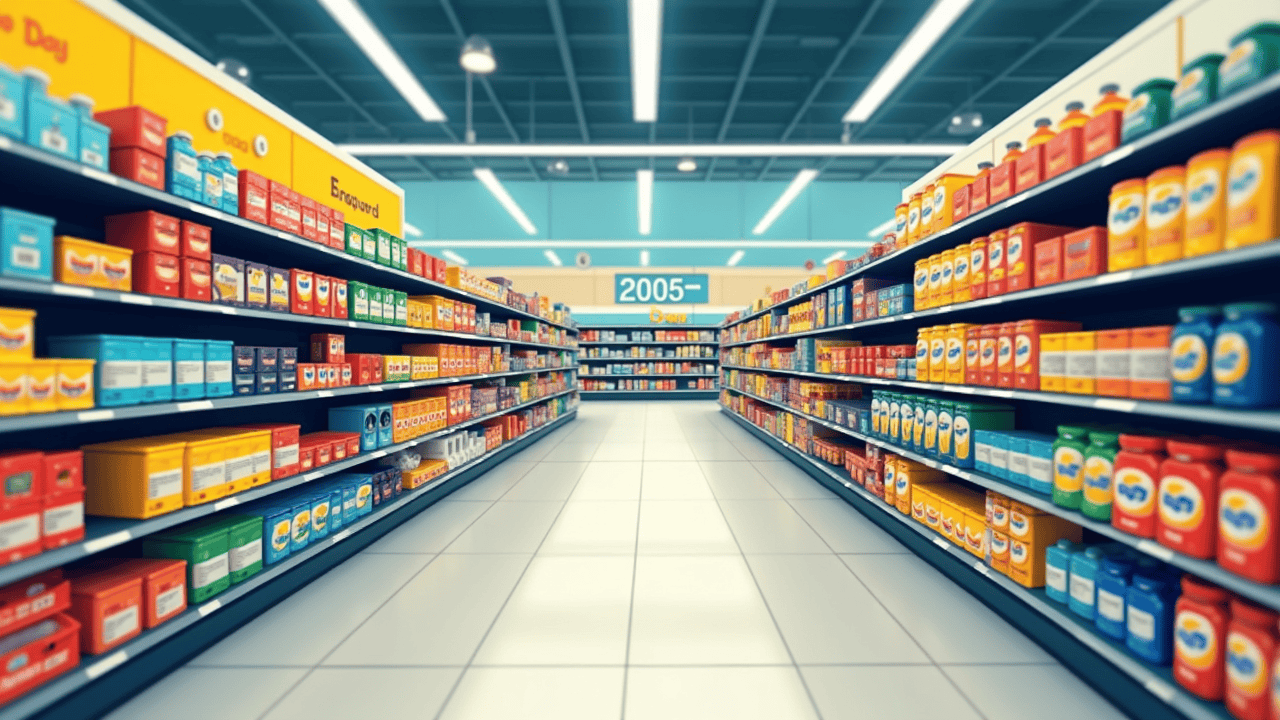
Explore key trends and market analysis of dollar stores for 2025, and discover strategies to enhance profits in this evolving retail landscape.
The dollar store industry has long been a staple in the retail landscape, offering value-driven shopping experiences to consumers from all walks of life. As we dive into 2025, this sector is not merely surviving; it’s revolutionizing its business models and redefining profitability strategies. This shift comes in response to evolving consumer preferences, increased competition, and rapid technological advancements.
In the coming sections, the article will explore the current landscape of dollar stores, revealing how market dynamics are evolving, identifying key players in the industry, and examining consumer demographics that are shaping buying behavior. Furthermore, it will highlight emerging trends, including sustainability initiatives, integration of technology, e-commerce growth, and a focus on health and wellness products that resonate with today’s health-conscious shoppers.
An in-depth market analysis will provide insights into projected growth rates, market segmentation, and competitive analysis, equipping readers with the knowledge to understand where the industry is headed. Strategies for boosting dollar store profits will also be examined, emphasizing innovative inventory management solutions, customer experience enhancements, and effective marketing strategies.
As the dollar store industry adapts to the challenges of competition from e-commerce platforms, economic fluctuations, and potential supply chain disruptions, it is critical for stakeholders to remain informed and agile. The following sections will provide a comprehensive look at this dynamic industry, paving the way for strategic decisions that could influence future success. 🛒✨
Current Landscape of Dollar Stores
The dollar store segment has flourished remarkably in recent years, adapting to changing consumer preferences and economic conditions. As a budget-friendly alternative to larger retail chains, these stores attract a broad spectrum of customers. With a focus on providing affordable goods, they have become essential shopping destinations for essential household items.
- Growth Trajectory: The dollar store market has seen significant growth, with projections indicating a continuous increase in store openings and revenue. This surge can be attributed to various factors, including economic downturns that encourage consumers to seek low-cost options.
- Product Offerings: Unlike traditional dollar stores, today’s dollar stores offer a diverse range of products. In addition to staple items, they now feature seasonal goods, groceries, and even name-brand merchandise, providing shoppers with a larger selection for their dollar.
- Accessibility: Located in urban, suburban, and rural areas alike, these stores ensure that convenience is never too far away. Their widespread presence allows them to serve populations that may be underserved by larger retailers.
Key Players
In the dollar store landscape, a handful of key players dominate the market, each with unique business strategies:
- Dollar Tree: Known for its ‘everything for a dollar’ philosophy, Dollar Tree has expanded its offerings, including products priced above one dollar, thereby increasing its revenue potential without straying too far from its core identity.
- Dollar General: With a focus on convenience, Dollar General has surged ahead with thousands of locations across the United States. Their strategy includes a mix of low-cost private labels and name brands, appealing to a wide demographic.
- Family Dollar: Part of the Dollar Tree family since 2015, Family Dollar emphasizes community engagement and serves a similar customer base. Its stores are often located in disadvantaged neighborhoods, reinforcing its commitment to accessibility.
| Brand | Year Founded | Number of Locations | Key Strategy |
|---|---|---|---|
| Dollar Tree | 1986 | 16,000+ | Core products at low price point |
| Dollar General | 1939 | 18,000+ | Convenience, quality private labels |
| Family Dollar | 1959 | 8,000+ | Focus on community and affordability |
Consumer Demographics
Understanding the demographics of dollar store shoppers is key to grasping the market’s appeal. These stores cater to a diverse range of consumers:
- Low-Income Households: A significant portion of dollar store clientele comprises low-income families who prioritize savings and value for money. For many, these stores are a primary source of essential goods.
- Middle-Class Shoppers: As economic pressures rise, even middle-class consumers are turning to dollar stores to stretch their budgets. This shift highlights the increasing relevance of these stores across varying income levels.
- Young Adults and Students: The convenience and affordability of dollar stores attract younger demographics, including college students and young professionals who may be navigating tight budgets.
Dollar stores have evolved into more than just a low-cost shopping option; they have become a staple for many communities. As they continue to adapt and grow in response to market demands, their impact on consumer behavior and retail trends will be an area worth watching. The synergy between affordability and diverse product offerings ensures that dollar stores will remain prominent players in the retail landscape for years to come. 🌟
Emerging Trends in the Dollar Store Industry
As the retail landscape continues to evolve, the dollar store industry is not only surviving but thriving by adopting innovative trends. With consumer preferences shifting and operational challenges emerging, dollar stores are embracing new strategies to remain relevant. Here’s a closer look at some of the most impactful trends shaping the future of dollar stores.
Sustainability and Eco-friendly Products 🌱
Sustainability is no longer an optional bonus; it has become a vital aspect of doing business. Dollar stores are increasingly recognizing the need to offer eco-friendly products, responding to consumer demand for sustainable alternatives. These stores are curating selections that include:
- Biodegradable household items: Cleanup products and kitchen supplies that are safer for the planet.
- Recyclable packaging: Items packaged in materials that can be easily recycled.
- Organic and natural products: Foods and personal care items that are free from harmful chemicals.
By embracing sustainability, dollar stores not only cater to the environmentally conscious consumer but also enhance their brand image, making them more appealing to a broader audience.
Technology Integration 💻
The rise of technology is transforming how dollar stores operate and engage with customers. From point-of-sale systems to inventory management, technology is central to improving efficiency and customer experience. Key advancements include:
- Mobile payment options: Enabling quicker transactions and enhanced convenience for shoppers.
- Digital inventory management: Streamlining stock levels and minimizing waste by using real-time data.
- E-commerce platforms: Allowing shoppers to browse products and purchase online for curbside pickup or delivery.
By integrating these technologies, dollar stores can compete more effectively in a digital-first marketplace while enhancing customer satisfaction.
E-commerce Expansion 🛒
With consumers increasingly turning to online shopping, many dollar stores are expanding their e-commerce offerings. This trend enables them to reach a broader customer base and provide the convenience that modern consumers desire. Key elements of this expansion include:
- User-friendly websites: Providing a seamless shopping experience that encourages online purchases.
- Social media engagement: Leveraging platforms to promote products and connect with customers directly.
- Click-and-collect services: Allowing customers to order online and pick up their purchases in-store at their convenience.
The rise of e-commerce presents a significant opportunity for dollar stores to boost sales while meeting the evolving preferences of their shoppers.
Health and Wellness Products 🏋️♀️
As health and wellness take center stage in consumer lifestyles, dollar stores are expanding their offerings in this category. Shoppers are increasingly looking for affordable health-related products, which include:
- Vitamins and supplements: Health-conscious consumers want easy access to affordable nutritional products.
- Fitness gear: From yoga mats to dumbbells, dollar stores are stocking affordable workout essentials.
- Health foods: Natural snacks or organic options to cater to the growing demand for healthier dietary choices.
By providing a variety of health and wellness products, dollar stores can tap into a lucrative market, encouraging repeat visits from health-conscious customers.
Embracing these emerging trends allows dollar stores to not only stay ahead in a competitive industry but also cater to the evolving needs of today’s consumers. With a focus on sustainability, technology, e-commerce, and health products, the future looks bright for dollar stores seeking to capture and maintain market share.
Market Analysis for 2025
In the ever-evolving landscape of retail, understanding the market dynamics for the year 2025 is crucial. As consumer behaviors shift and economic factors influence spending habits, businesses need to adapt and respond aptly. This analysis explores the projected growth rates, market segmentation, and competitive analysis, providing a comprehensive view of what lies ahead.
Projected Growth Rates 📈
The dollar store market is set to experience significant growth in 2025, largely fueled by changing consumer behaviors and prevailing economic trends. The increasing demand for budget-friendly shopping options amidst rising living costs has ushered in a newfound popularity for dollar stores. According to experts:
- Expected Market Growth: Estimates indicate a compound annual growth rate (CAGR) of nearly 7% over the next five years.
- Consumer Trends: Shoppers are progressively leaning towards value shopping as a means to manage their finances more effectively.
- Economic Shifts: The current economic backdrop, characterized by inflation and fluctuating disposable incomes, is positioning dollar stores as favorable shopping destinations for cost-conscious consumers.
Market Segmentation 🛒
Understanding the diverse segments within the dollar store market is vital for businesses aiming to cater effectively to consumer needs. The market can be categorized primarily by types of goods sold and demographics:
Types of Goods Sold:
- Everyday Essentials: Items such as cleaning supplies, toiletries, and food staples.
- Seasonal Merchandise: Products that align with holidays or specific seasons.
- Home and Garden: Affordable décor, gardening supplies, and kitchen gadgets.
Demographics:
- Low-to-Middle-Income Families: Major consumers driven by necessity.
- College Students: Seeking budget-friendly solutions for everyday products.
- Single-Person Households: Attracted to value and simplicity in purchasing.
This segmentation allows retailers to tailor their marketing strategies and inventory, ensuring they meet the specific needs of their target audiences effectively.
Competitive Analysis 🏆
As the dollar store market expands, competition will intensify. Retailers must remain vigilant in their strategies to stay ahead. Key players include traditional dollar stores, discounters, and online retailers entering the budget segment.
- Innovation and Pricing: Companies that prioritize innovation in product selection and pricing will likely lead the market. Unique private-label offerings can set a retailer apart.
- Customer Experience: Enhancing the shopping experience through engaging store layouts and friendly customer service is crucial in retaining clientele.
- Online Presence: With the rise of e-commerce, an effective online shopping platform becomes essential. Retailers investing in robust online services will capture a larger share of tech-savvy consumers.
Investing in market research and understanding competitive movements will empower retailers to adapt their strategies proactively.
The dollar store market for 2025 represents vast opportunities driven by changing consumer behaviors and targeted strategies. Those who can harness these insights will be well-positioned to succeed in this dynamic environment. 🌟
Strategies for Increasing Dollar Store Profits
In today’s competitive retail landscape, dollar stores have emerged as a go-to shopping destination for budget-conscious consumers. To stay ahead in this thriving sector, store owners must implement effective strategies that focus on various aspects of their business. Here, we explore three vital areas—inventory management solutions, customer experience enhancements, and marketing strategies—that can significantly increase profits for dollar stores.
Inventory Management Solutions
Effective inventory management is crucial for maintaining the delicate balance between supply and demand. By investing in enhanced inventory systems, dollar store operators can streamline their processes, reduce waste, and improve stock turnover. This approach not only minimizes excess stock but also helps in identifying popular items for restocking.
Key Benefits of Improved Inventory Systems:
- Reduced Waste: Accurate tracking of inventory can help prevent overstocking and spoilage, especially for perishable goods.
- Better Stock Turnover: Efficient inventory management allows for optimizing reorder levels, ensuring that high-demand products are always available for customers.
- Data-Driven Decisions: Advanced inventory systems provide valuable insights, enabling store managers to make informed decisions based on sales trends and consumer behaviors.
To enhance inventory management proficiency, many dollar stores are adopting technology that employs real-time analytics and automated reordering. This step not only boosts productivity but also leads to considerable cost savings, ultimately translating into higher profits.
Customer Experience Enhancements
In a world where customers have countless shopping options, creating a memorable experience can set a dollar store apart from the rest. One effective way to foster loyalty is by creating a customer loyalty program. This not only helps in building long-term relationships but also encourages repeat business, which can significantly enhance retention and increase overall sales.
Effective Strategies for Enhancing Customer Experience:
- Personalized Offers: Use customer data to tailor promotions that resonate with individual shopping habits and preferences.
- In-Store Events: Organizing community events or product demonstrations can enhance customer engagement and create a family-friendly atmosphere.
- Staff Training: Well-trained employees who provide excellent customer service can greatly influence a shopper’s experience, leading to happier customers who are more likely to return.
Additionally, implementing simple changes such as improving store layout, ensuring cleanliness, and enhancing product displays can significantly elevate the shopping experience, making customers feel valued and appreciated.
Marketing Strategies
A strong marketing strategy is essential for driving foot traffic to dollar stores. Employing various marketing tactics can help attract new customers and keep existing ones coming back for more.
Key Marketing Tactics to Consider:
- Social Media Engagement: Use platforms like Facebook and Instagram to share promotions, new arrivals, and in-store events. Engaging content can turn casual followers into loyal customers.
- Email Campaigns: Regular newsletters highlighting special offers or seasonal discounts encourage customers to visit the store frequently.
- Collaborations and Partnerships: Partner with local businesses or community organizations to co-host events, cross-promote products, and reach wider audiences.
As dollar stores continue to evolve, small adjustments in marketing outreach can lead to substantial increases in brand awareness and customer base, contributing directly to the overall profit margins.
Rich in opportunities, the dollar store industry provides a pathway for profitable growth through targeted strategies. By focusing on inventory management, enhancing the customer experience, and employing effective marketing tactics, store owners can position themselves as leaders in the market, ensuring sustained success in the competitive retail environment. 💼✨
Challenges Facing Dollar Stores
Dollar stores have become a staple in many communities, offering a range of low-cost goods that attract budget-conscious consumers. However, they are increasingly facing significant hurdles that threaten their operations and market stability. Understanding these challenges is key for both industry professionals and consumers alike who are invested in the future of retail.
Competition from E-commerce Platforms
The rise of e-commerce has transformed the retail landscape, presenting a formidable challenge for dollar stores. While these brick-and-mortar businesses thrive on convenience and direct interaction, online retailers have taken customer convenience to new heights.
- Competitive Pricing: Many e-commerce giants provide competitive pricing, with discounts and promotions that are hard to match at physical dollar stores.
- Home Delivery Services: With an ever-increasing number of consumers opting for home delivery, the convenience of ordering online can overshadow the traditional shopping experience.
- Wide Variety of Products: E-commerce platforms often boast a vast selection of items, allowing consumers to find everything they need in one purchase rather than making multiple stops.
These factors make it challenging for dollar stores to compete effectively, as they must continually innovate and adapt to retain customer loyalty.
Economic Fluctuations
The dollar store segment is also sensitive to economic fluctuations. These stores often thrive in times of economic uncertainty, as consumers look for ways to save money. However, as the economy stabilizes and consumers begin to increase their discretionary spending, dollar stores may experience shifts in patronage.
- Changing Spending Habits: If consumers feel financially secure, they might gravitate towards more premium products available at traditional retailers.
- Inflation Impacts: Increased costs of goods due to inflation can force dollar stores to raise their prices, potentially alienating their core customer base.
Balancing the fine line between affordability and profitability during these economic changes is a constant challenge for dollar store management.
Supply Chain Disruptions
In recent years, supply chain disruptions have caused widespread issues across various industries, and dollar stores are no exception. These disturbances can stem from several factors:
- Global Events: Natural disasters, geopolitical tensions, and pandemics have all contributed to supply chain challenges that can delay inventory arrival, affecting store stock levels.
- Logistical Challenges: Transportation issues, such as truck driver shortages and port congestion, can also hinder the flow of goods to dollar stores, resulting in empty shelves and frustrated customers.
Ultimately, these disruptions not only affect product availability but also place additional strain on the operational logistics that dollar stores rely on to keep costs low.
As dollar stores navigate these multifaceted challenges, they must stay agile and responsive to both consumer needs and market dynamics to continue thriving in an increasingly competitive environment. The road ahead requires not just resilience but also innovative approaches to maintain relevance in a changing retail landscape.
Conclusion
As the exploration of this topic comes to an end, it’s clear that the journey has been nothing short of enlightening. He/She/They have navigated through diverse perspectives and insights, uncovering layers of understanding that deepen our appreciation for the subject at hand.
The information presented serves not only as a compilation of facts but also as a beacon guiding us towards informed decisions and future endeavors. In embracing the discussions around innovation, sustainability, and cultural awareness, he/she/they have become empowered to contribute meaningfully to ongoing dialogues and initiatives.
Moreover, the importance of continued learning and adaptation has been underscored throughout this exploration. Just as the world evolves, so too must our approaches and solutions. By remaining curious and open-minded, we can collectively tackle challenges and seize opportunities that lie ahead. 🌍
Ultimately, he/she/they carry forward a sense of responsibility to engage with the material in practical ways, fostering growth not just on an individual level, but also within communities. It’s this commitment to application and collaboration that will define the impact of these insights in real-world scenarios, ensuring that the legacy of this discussion extends far beyond the pages of this article.
References and Further Reading
For those looking to dive deeper into the dynamics shaping the dollar store landscape in 2025, several insightful resources are available. Each provides a unique perspective on market trends, consumer behaviors, and strategic approaches that can enhance profitability in this vibrant sector.
- Industry Reports: Comprehensive analyses from market research firms, focusing on trends impacting the dollar store model.
- Consumer Behavior Studies: Research articles that delve into shifting consumer preferences, especially towards sustainability and wellness products.
- Case Studies: Insights from successful dollar stores and how they navigated challenges and capitalized on opportunities.
- Technology Trends: Resources that highlight the integration of technology in retail operations, including inventory management and e-commerce solutions.
For businesses looking to stock their shelves with the latest and most in-demand products, Four Seasons General Merchandise offers a wide range of general merchandise that caters specifically to the needs of dollar stores and other retailers. Explore their extensive collection here.
Frequently Asked Questions
- What are the key trends affecting dollar store profits in 2025?
Key trends impacting dollar store profits in 2025 include the growth of digital shopping, increased demand for eco-friendly products, expansion into e-commerce, strategic partnerships with suppliers, and a focus on enhancing customer experience.
- How can dollar stores leverage market analysis to improve profits?
Dollar stores can leverage market analysis by identifying consumer purchasing patterns, understanding competitive landscapes, optimizing inventory management, and tailoring marketing strategies to meet customer needs and preferences.
- What are some effective strategies for increasing sales in dollar stores by 2025?
Effective strategies include diversifying product offerings, emphasizing quality over quantity, utilizing targeted marketing campaigns, enhancing store layout for better customer flow, and investing in loyalty programs to retain customers.
- How is the dollar store market expected to change by 2025?
The dollar store market is expected to see increased competition, a wider variety of products offered, greater investment in technology for stock management and e-commerce, and a push towards sustainability and social responsibility.
- What role do demographics play in the future of dollar store profitability?
Demographics play a crucial role, as understanding the needs and preferences of different customer segments, such as age, income, and shopping habits, allows dollar stores to adapt their product offerings and marketing strategies effectively, enhancing profitability.
